 Cirius Petpedia
 6 Reasons Your Dog Smells Bad and How to Fix Each One
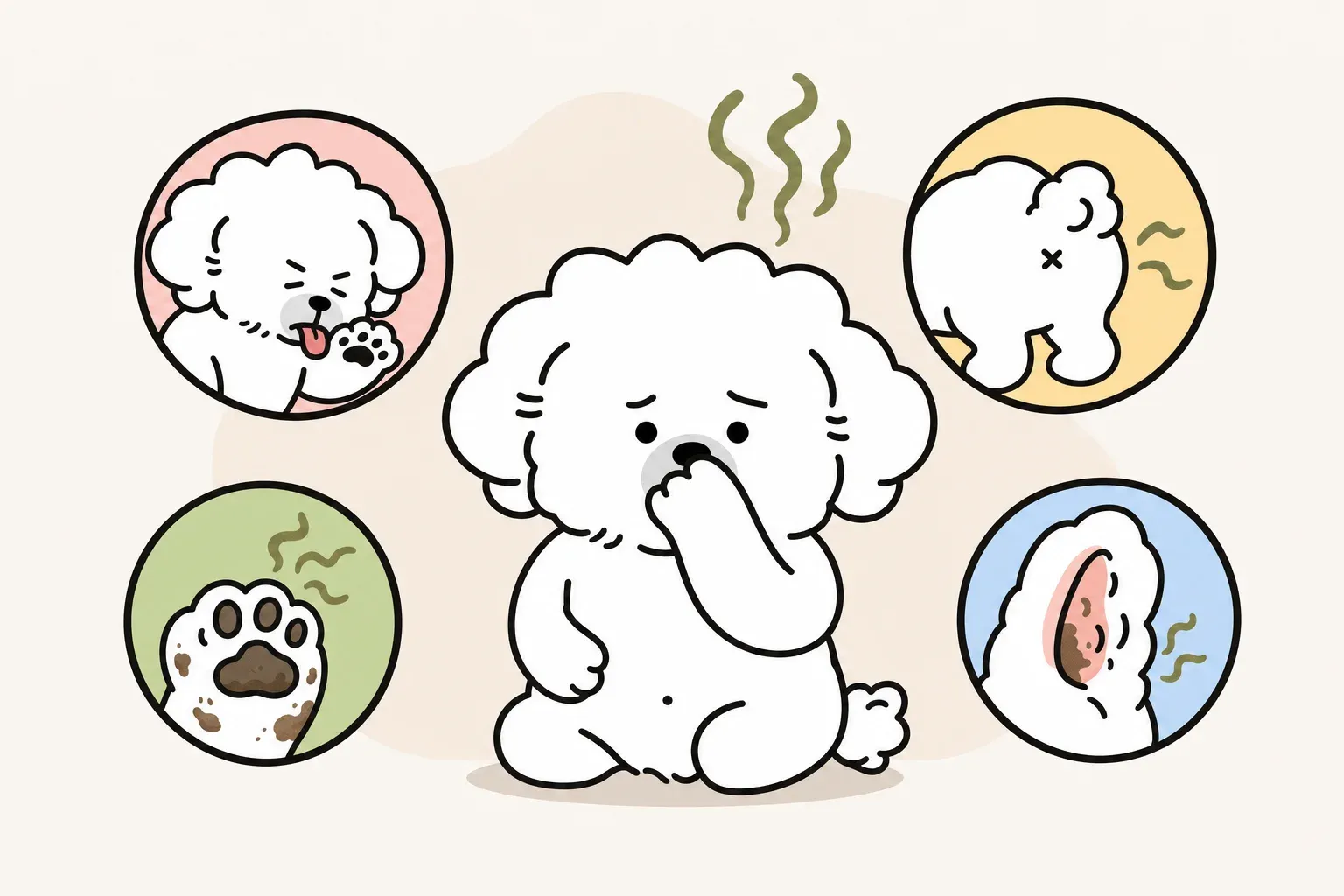
Every dog has a natural scent. But there’s a difference between the familiar warmth of a dog’s coat and the kind of smell that makes you keep your distance on the couch. If you’ve found yourself asking why does my dog smell bad despite regular baths, you’re not alone—it’s one of the most common concerns dog owners search for.
The short answer is this: most persistent dog odors have a specific anatomical source, and bathing alone rarely solves the problem if an underlying cause isn’t addressed first. This guide walks through the six most common sources of dog body odor, a structured self-check for each one, and a practical routine you can start this week.
Why Dogs Have a Natural Scent
Before treating odor as a problem, it helps to understand where it comes from in the first place.
Sebaceous Glands and Canine Body Chemistry
Dogs have sebaceous glands distributed across the skin, concentrated near the base of hair follicles. These glands produce sebum—an oily secretion that keeps the coat supple and provides some protection against environmental microbes. Sebum itself is nearly odorless when fresh, but it oxidizes over time and becomes food for the bacteria and yeasts that live naturally on canine skin. That metabolic activity produces the characteristic “dog smell” most owners recognize.
Dogs also lack the eccrine sweat glands that cover human skin. Their main sweat glands are located in the paw pads, and they regulate body temperature primarily through panting rather than sweating. This means the odor profile of a dog is very different from a human’s—it comes mainly from skin secretions and the microbial ecosystem that feeds on them, not from sweat.
Breed, Age, and Health Factors
Odor intensity varies considerably between individuals and breeds. Wrinkle-heavy breeds like Bulldogs, Shar-Peis, and Basset Hounds trap moisture and debris in skin folds, creating warm, dark environments where bacteria and yeast thrive. Drop-eared breeds like Cocker Spaniels and Bloodhounds have reduced air circulation inside the ear canal, making ear infections—and the odor they produce—far more common.
Older dogs generally smell stronger than younger ones. Sebum production increases with age, skin cell turnover slows, the immune system becomes less efficient at controlling skin microbes, and age-related conditions like dental disease and kidney decline add their own odor contributions. Intact males and females in heat also produce stronger scent signals through hormonal secretions.
6 Common Sources of Dog Body Odor
Each source has a characteristic smell, a set of likely causes, and a quick self-check you can do at home.
Ears — Yeast and Bacterial Infections
What it smells like: Musty, yeasty, or sour—sometimes described as corn chips or bread. Infected ears can develop a distinctly sweet, putrid, or acrid smell depending on the organism involved.
Likely causes: Malassezia yeast overgrowth is the most common cause of ear odor and produces the characteristic yeasty scent. Bacterial infections—often Staphylococcus or Pseudomonas—tend to produce a more pungent, fetid smell. Both frequently follow allergic inflammation, water trapped after bathing or swimming, or the anatomy of drop ears that restricts airflow.
Self-check: Gently lift the ear flap and look inside. Healthy ears are pale pink with minimal wax and no odor. Infected ears may show brown or dark reddish-black discharge, visible swelling or redness, and the dog will often shake their head or scratch at the ear. If you detect odor or discharge, a veterinary examination and ear cytology are needed before treatment—the shampoo or cleaner used depends on whether the cause is yeast, bacteria, or both.
For detailed ear cleaning instructions, see our dog ear cleaning guide.
Breed note: Cocker Spaniels, Basset Hounds, Poodles, and Golden Retrievers have a higher baseline risk due to ear anatomy or coat characteristics inside the canal.
Mouth — Tartar, Periodontal Disease, and Oral Tumors
What it smells like: Mild bad breath is common and often traced to bacteria. Severe halitosis—particularly a strong fecal or ammonia-like odor—suggests advanced periodontal disease, an oral tumor, or in some cases kidney or liver disease.
Likely causes: The American Veterinary Medical Association estimates that by age three, most dogs show early signs of periodontal disease. Plaque mineralizes into tartar (calculus) within 72 hours of forming, and the bacteria embedded in it release volatile sulfur compounds responsible for the odor. Left untreated, periodontal disease causes tooth root abscesses, bone loss, and systemic bacterial spread.
Self-check: With your dog calm, lift the lips and inspect the gum line. Healthy gums are pink and firm with teeth showing minimal yellow-brown accumulation. Red or swollen gums, heavy brown tartar (especially on the back upper premolars), loose teeth, or drooling blood all warrant prompt dental examination by a veterinarian.
For a deeper look at what causes bad breath and how to address it, our dog bad breath causes guide covers the full picture, including how to build a daily dental care habit.
Skin — Bacterial, Yeast, and Seborrheic Issues
What it smells like: Bacterial pyoderma typically produces a musty, slightly cheesy or “dirty” smell. Yeast (Malassezia) dermatitis—which often co-occurs with allergies—has the same corn-chip or stale bread quality found in ear infections but spread across the body. Seborrhea produces a distinctly rancid, greasy odor, most notable around the trunk, armpits, and groin.
Likely causes: Allergic skin disease (atopy, food allergy) is the most common underlying trigger, because chronic inflammation disrupts the skin barrier and creates conditions where normal skin microbes overgrow. Hypothyroidism, Cushing’s syndrome, and immune-mediated diseases can produce similar secondary infections. In any of these cases, the odor is a symptom of a deeper problem, not a hygiene issue.
Self-check: Part the coat at several locations—behind the ears, at the groin and armpits, between the toes, and along the belly. Look for redness, greasy or flaky skin, papules (small red bumps), or areas of hair loss. The smell will be most concentrated in affected areas. A vet visit is needed for diagnosis; skin cytology confirms whether bacteria or yeast are the primary organisms, which determines treatment.
For a thorough overview of fungal skin infections, including how they present and how they’re treated, see our fungal skin infection guide.
Anal Glands — Impaction and Infection
What it smells like: A strong, distinctive fishy smell—sometimes described as low tide, rotting fish, or a sharp metallic note. This is one of the most immediately recognizable and unpleasant dog odors.
Likely causes: The anal glands (anal sacs) sit on either side of the rectum at roughly the 4 and 8 o’clock positions. They normally express a small amount of fluid during defecation, marking the feces with scent. When they fail to empty properly—due to soft stools, anatomical factors, or inflammation—they become impacted. Impacted glands can progress to infection and rupture. Small breeds, overweight dogs, and dogs with chronic diarrhea or low-fiber diets have higher rates of anal gland problems.
Self-check: Watch for scooting (dragging the rear on the floor), frequent licking or biting at the base of the tail, or a fishy smell that persists after bathing. These are reliable indicators that the anal glands need attention. Do not attempt to express the glands at home without veterinary guidance, as improper technique can cause injury or push an infection deeper.
Our anal gland care guide covers expression frequency, signs of infection, and when surgical removal becomes the recommended option.
Paws — Bacterial Growth and Sweat Glands
What it smells like: A faint popcorn or corn chip smell coming from the paws is normal—it comes from Pseudomonas and Proteus bacteria that colonize the spaces between the paw pads where sweat glands open. An intense, sour, or cheesy smell indicates overgrowth.
Likely causes: Moisture from sweat, environmental wet ground, and licking creates ideal conditions for bacterial and yeast proliferation in the interdigital spaces. Dogs that lick their paws frequently (usually a sign of allergies or anxiety) create a warm, moist environment that accelerates microbial growth.
Self-check: Spread the toes gently and inspect between the pads. Redness, brown fur staining from saliva, swelling around the nail folds, or a strong odor localized to the paws suggests interdigital dermatitis. Regular paw drying after walks, keeping the hair between the pads trimmed, and addressing the underlying reason for licking all reduce paw odor.
Coat — Trapped Dirt, Oils, and Environmental Odors
What it smells like: Musty, “wet dog,” or whatever the dog has rolled in. The wet dog smell itself comes from volatile organic compounds released by microorganisms in the coat when water disrupts sebum distribution.
Likely causes: The outer coat accumulates dirt, environmental debris, and oxidized sebum between baths. Dogs that spend time outdoors—especially in wet environments, near water, or on walks through vegetation—pick up bacterial and fungal spores from the environment. The characteristic wet-dog smell is amplified when water spreads these compounds into the air.
Self-check: Run your fingers through the coat against the grain. A clean coat should feel smooth and have little residue on your fingers. Visible dirt, mats (which trap bacteria and moisture), or an oily, tacky texture all indicate the coat needs attention.
Why Your Dog Still Smells After a Bath
This is one of the most common questions in this topic cluster, and the answer is almost never “bathe more often.”
Underlying Skin Conditions
If a bacterial or yeast infection is present, bathing spreads the organisms in the water and temporarily removes surface debris—but the underlying population remains. Many owners report that their dog smells worse immediately after bathing because water disrupts the oils and microbial films in ways that release more volatile compounds. An antifungal or antibacterial medicated shampoo (prescribed or recommended by a vet) changes the skin environment; regular shampoo does not.
Seborrhea—whether primary (genetic) or secondary (caused by hormonal or immune disease)—produces excessive sebum that a standard shampoo can’t reduce. Breeds prone to primary seborrhea include Cocker Spaniels, West Highland White Terriers, and Basset Hounds.
Wrong Shampoo or Bathing Technique
Dog skin has a pH of approximately 6.2–7.4, compared to human skin at approximately 4.5–5.5. Using human shampoos—even gentle ones—disrupts the canine acid mantle, damages the skin barrier, and paradoxically increases bacterial and yeast susceptibility over time. A pH-balanced dog shampoo should be used, diluted per the manufacturer’s instructions, and left on for 5–10 minutes before rinsing to allow active ingredients to work.
Incomplete rinsing is the other common bathing error. Shampoo residue left on the skin ferments as bacteria metabolize it, producing odor within 24–48 hours of bathing. Rinse until the water runs completely clear and the coat feels squeaky-clean.
For a step-by-step walk through correct bathing technique, including frequency recommendations by coat type, see the proper bathing technique guide.
Drying Issues and Moisture Trapping
A wet undercoat is one of the most reliable sources of persistent post-bath odor. Dogs with dense double coats—Huskies, Golden Retrievers, Bernese Mountain Dogs—often appear dry on the surface while the undercoat remains damp for hours. Bacteria and yeasts thrive in this environment, producing odor as they metabolize trapped moisture.
Dry the coat completely using a dryer set to low or medium heat (no high heat directly on skin) or a high-velocity pet dryer. Pay particular attention to skin folds, the groin, armpits, ear bases, and between the toes. In wrinkle-heavy breeds like Bulldogs and Shar-Peis, gently wipe folds dry after every bath and after rain walks.
When Bad Smell Signals a Health Problem
Persistent odor that doesn’t improve with good hygiene practice deserves veterinary investigation. Several systemic diseases produce characteristic smells.
Skin Infections and Seborrhea
Recurrent pyoderma or Malassezia dermatitis—especially when it keeps returning after treatment—usually signals an underlying trigger that hasn’t been addressed. Common triggers include environmental allergies (atopy), food allergies, hypothyroidism, and Cushing’s syndrome. Treating the infection without identifying the trigger produces a cycle of recurrence.
Hormonal Disorders — Hypothyroidism and Cushing’s Syndrome
Hypothyroidism reduces the rate of skin cell turnover and sebum clearance, leading to a dull, greasy coat with a rancid odor and a predisposition to secondary infections. It is most common in middle-aged to older medium and large breeds, including Labradors, Dobermans, and Irish Setters.
Cushing’s syndrome (hyperadrenocorticism) causes excess cortisol production, which thins the skin, redistributes fat, and impairs immune function. Affected dogs often develop a potbellied appearance, increased water intake, and a distinctive skin odor that many owners describe as musty or “off.” Both conditions are diagnosed through blood tests and require medical management.
Kidney or Liver Disease
Kidney disease reduces the body’s ability to excrete urea and other nitrogenous waste products. These accumulate in the bloodstream and are partially excreted through the skin and breath, producing an ammonia-like or urine smell that’s noticeable even from a distance. Liver disease can produce a similar pattern, or sometimes a sweet, musty breath (sometimes described as “fetor hepaticus”).
These are serious conditions, and a sudden change in a dog’s characteristic odor—especially in senior dogs—warrants prompt veterinary evaluation including blood and urine chemistry panels.
Daily and Weekly Odor Management Routine
The following routine addresses the most common sources of dog body odor before they become problems.
Bathing Frequency and Technique
Most short-coated, healthy dogs do well with bathing every 4–6 weeks. Double-coated breeds and dogs with active outdoor lifestyles can often go 6–8 weeks between full baths if brushed regularly. Dogs with skin conditions may need medicated baths every 1–2 weeks per veterinary guidance.
Bathing more frequently than every 2–3 weeks with standard shampoo can strip the acid mantle and create the skin-barrier disruption that leads to secondary infections—the opposite of the intended result.
| Frequency | Routine |
|---|---|
| Daily | Brush coat, wipe paws after walks, check skin folds (if present) |
| 2–3x per week | Brush teeth |
| Weekly | Clean ears with a veterinarian-recommended ear cleanser |
| Every 4–6 weeks | Full bath with pH-balanced dog shampoo |
| Every 1–3 months | Professional anal gland check (or as needed per your vet’s guidance) |
| Every 6–12 months | Veterinary dental cleaning under anesthesia |
Ear Cleaning and Dental Care
Weekly ear cleaning with an appropriate ear cleanser removes excess wax and debris before it accumulates enough to support infection. The cleanser should be instilled into the canal, the base of the ear gently massaged for 20–30 seconds, and then the dog allowed to shake. Wipe visible debris from the outer canal only—do not insert cotton swabs into the canal itself.
Daily tooth brushing is the single most effective intervention for oral odor, outperforming dental chews, water additives, and sprays by a significant margin. The mechanical action of the brush disrupts the plaque biofilm before it mineralizes into tartar. Use a toothbrush and toothpaste formulated for dogs—human toothpaste contains fluoride at concentrations toxic to dogs.
Diet Adjustments That Reduce Body Odor
What a dog eats affects sebum composition and gut-derived gases that partially exit through the skin and breath. Diets adequate in high-quality protein and omega-3 fatty acids (EPA and DHA from marine sources) support a healthier skin barrier and reduce excess sebum oxidation—the main source of coat odor between baths.
Dogs with persistent skin odor despite good hygiene may benefit from omega-3 supplementation to reduce the inflammatory component of skin disease. Our skin health supplements guide covers what to look for in a supplement and what the evidence supports.
Keeping Your Home Fresh with a Dog
Managing dog odor at home starts at the source—a clean dog—but the environment requires its own attention.
Bedding and Fabric Wash Schedule
Dog beds, crate liners, and blankets accumulate sebum, shed fur, dander, and the microbes that produce odor. Washing bedding every 1–2 weeks in hot water (above 60°C / 140°F) with an unscented laundry detergent significantly reduces the microbial load. Cover sofas or chairs with washable blankets rather than trying to clean upholstery directly.
Hard surfaces—floors, baseboards, crate walls—benefit from weekly cleaning with a diluted enzymatic cleaner rather than standard household disinfectants. Enzymatic cleaners break down the protein-based compounds in pet secretions rather than merely masking them.
Ventilation and Safe Deodorizing Methods
Odor molecules settle in still air. Increasing airflow through open windows or HVAC circulation physically removes them. An air purifier with a HEPA and activated carbon filter reduces both dander (an allergen) and volatile organic compounds (the odor molecules themselves).
Avoid strongly scented air fresheners, candles, and plug-in diffusers around dogs. Many contain essential oils—including pine, tea tree, eucalyptus, and citrus compounds—that are toxic to dogs at sufficient concentrations, and many dogs find strong artificial fragrances aversive. Baking soda on carpets and upholstery (left for 15–30 minutes before vacuuming) is an effective, safe deodorizing option.
Febreze and similar fabric-based odor neutralizers are generally considered safe for pets once fully dry, but they address the environment, not the source—if your dog continues to smell, the products will need to be applied frequently.
References
- 1. Miller WH, Griffin CE, Campbell KL. Muller and Kirk's Small Animal Dermatology. 7th ed. Elsevier, 2013.
- 2. AVMA: Pet Dental Care
- 3. Veterinary Partner: Anal Sac Disease in Dogs
- 4. Cornell University College of Veterinary Medicine: Otitis Externa
- 5. Bloom P. Diagnosis of canine and feline skin disease. In: Ettinger SJ, Feldman EC, eds. Textbook of Veterinary Internal Medicine. 8th ed. Elsevier, 2017.
FAQ
Why does my dog smell bad all of a sudden?
Why does my dog smell fishy?
How do I get rid of dog smell on my dog?
Why does my old dog smell worse than before?
Why does my dog still smell after a bath?
Related Articles
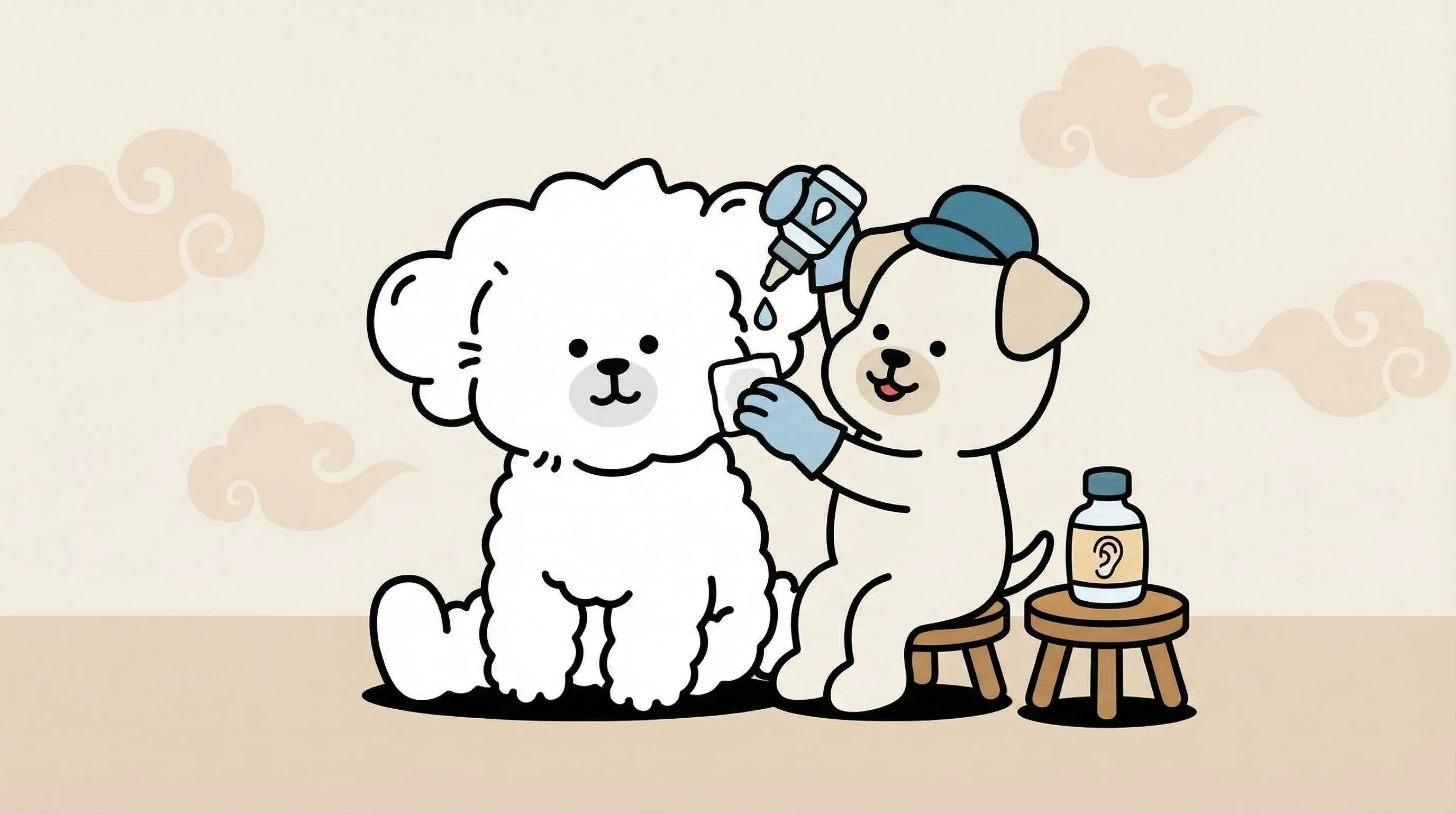
How to Clean Dog Ears at Home: A Guide by Ear Type
Learn how to clean dog ears at home — floppy, erect, and hairy canal breeds, cleaning frequency, solution ingredients, and a 3-phase desensitization plan.
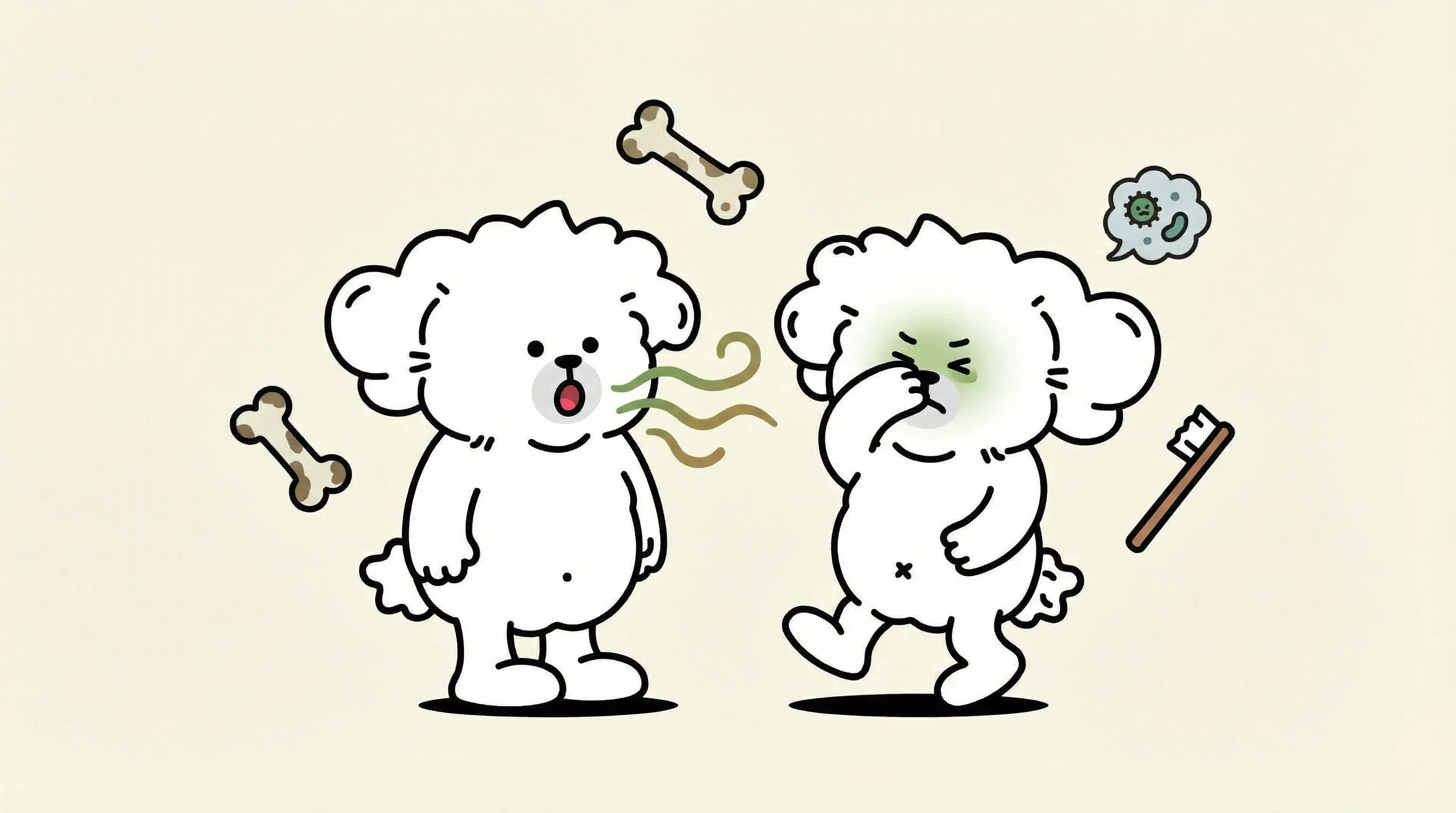
5 Causes of Bad Breath in Dogs and What Each Smell Means
Dog bad breath causes span dental disease to kidney failure. Decode 5 root causes by smell type, with a home check protocol and vet-backed remedies.
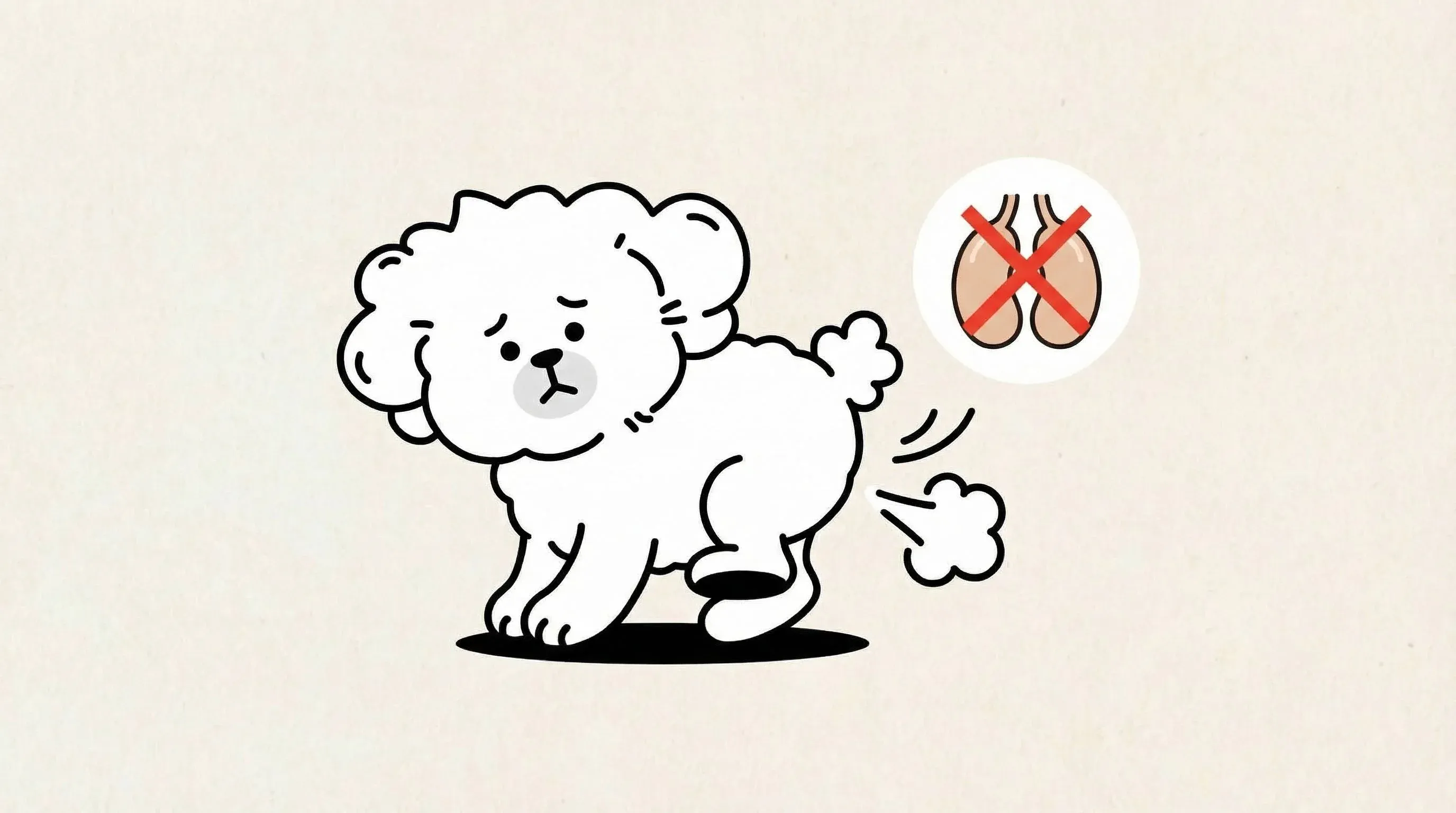
Dog Anal Glands: The Complete Guide to Expression, Symptoms, and Prevention
Signs of anal gland problems, step-by-step expression guide, secretion color chart, vet vs groomer comparison, and prevention habits for dog owners.