 Cirius Petpedia
 Dog Gastritis: Causes, Symptoms, and Treatment Guide
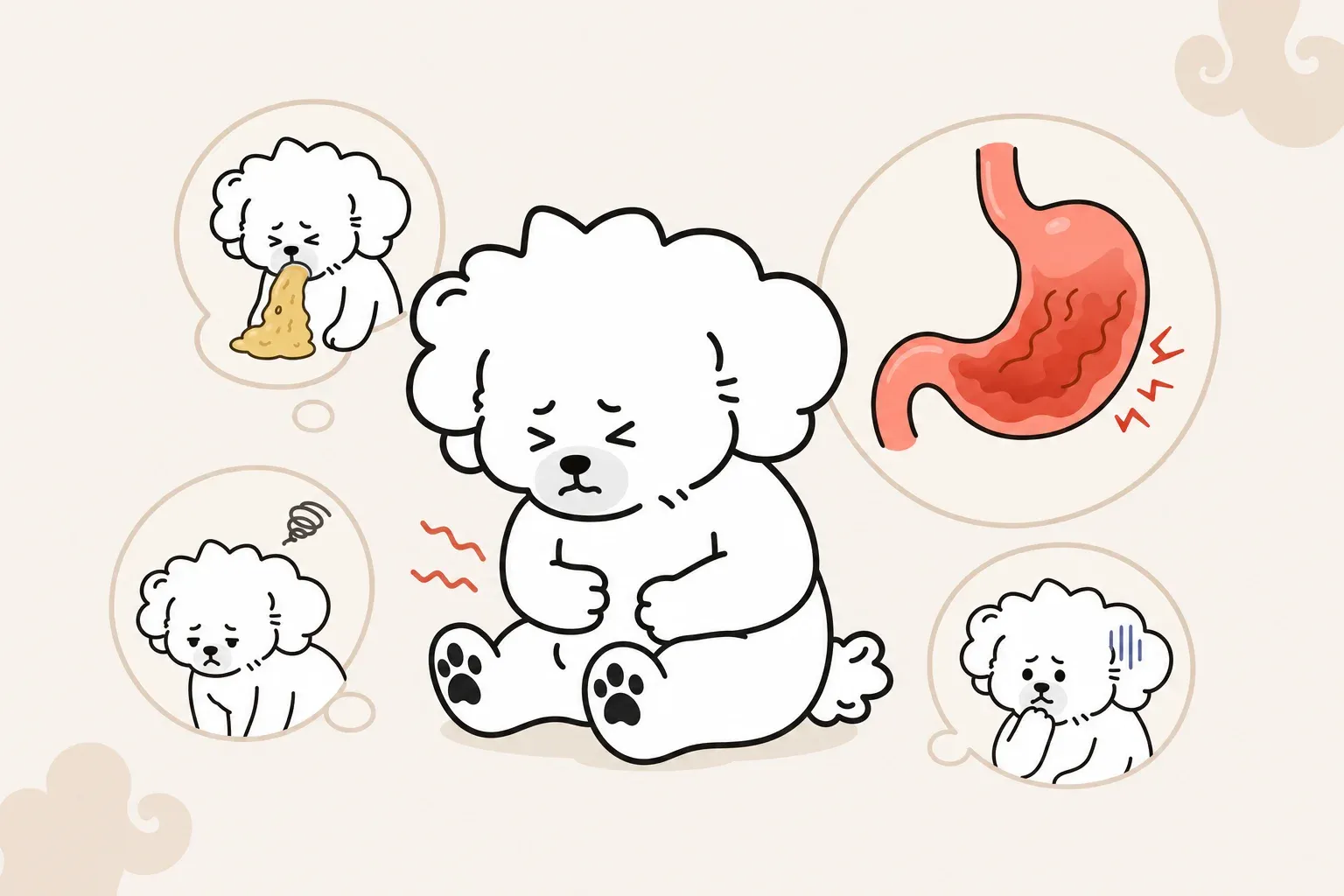
Your dog vomited once after breakfast, then twice more before noon. The garbage can was raided last night. Is this simple indigestion, or something more serious? In most cases, the culprit is gastritis — inflammation of the stomach lining. Understanding what gastritis actually is, what drives it, and how to manage it can mean the difference between a worried night at home and an unnecessary emergency visit, or just as importantly, catching a problem that genuinely needs veterinary attention.
This guide covers both acute and chronic gastritis in dogs with evidence-based veterinary information, a practical home vs. ER decision tree, and a 3-phase recovery diet protocol that most competitors simply don’t provide.
What Is Gastritis in Dogs?
How Gastritis Develops (Stomach Lining Inflammation)
The stomach lining (gastric mucosa) is protected by a layer of mucus and tight-junction cells that shield underlying tissue from digestive acid. When an irritant — whether a piece of spoiled food, a toxic substance, a bacterial toxin, or a medication — disrupts this barrier, the immune system responds with inflammation. Blood vessels dilate, fluid accumulates, and the lining becomes irritated and hypersensitive.
That hypersensitivity triggers the vomiting reflex via the chemoreceptor trigger zone (CTZ) in the brain. The stomach essentially ejects its contents to eliminate the irritant, which explains why vomiting is the hallmark sign.
Acute vs. Chronic Gastritis
The distinction between acute and chronic gastritis matters both clinically and practically.
Acute gastritis develops rapidly — often within hours of exposure to an irritant — and typically resolves within 24–72 hours with rest and dietary management. It accounts for the vast majority of gastritis cases and is usually benign. A single vomiting episode after a dog eats grass, gets into the trash, or changes food too quickly is the classic presentation.
Chronic gastritis persists for more than two weeks (some definitions use 7 days) or recurs repeatedly over months. It requires veterinary workup to rule out systemic disease, food allergy, infectious causes (particularly Helicobacter pylori-like organisms), or immune-mediated conditions. Weight loss, persistent intermittent vomiting, and gradual appetite decline are the distinguishing features.
Gastritis vs. Gastroenteritis vs. Bloat (GDV)
These three conditions are frequently confused because they all involve gastrointestinal distress, but their severity and urgency differ dramatically.
| Condition | Primary sign | Other signs | Urgency |
|---|---|---|---|
| Gastritis | Vomiting | Reduced appetite, mild lethargy | Monitor / vet if worsening |
| Gastroenteritis | Vomiting + diarrhea | Dehydration risk | Vet within 24 hrs if persists |
| Bloat (GDV) | Unproductive retching | Distended abdomen, extreme distress | Emergency — minutes matter |
Gastritis affects the stomach lining only. Gastroenteritis involves both the stomach and intestines, producing concurrent vomiting and diarrhea. Bloat (GDV) is a mechanical emergency where the stomach rotates and traps gas — it is fatal without immediate surgical intervention. If you see a visibly swollen abdomen and your dog cannot vomit despite repeated attempts, go to an emergency vet immediately, not to this article. For a detailed breakdown of GDV warning signs, see our dog bloat GDV emergency guide.
Dog Gastritis Symptoms — When to See a Vet
Acute Gastritis Symptoms (Vomiting, Loss of Appetite, Lethargy)
The hallmark presentation of acute gastritis includes:
- Vomiting — may be yellow (bile) in the morning, or contain undigested food shortly after eating
- Reduced appetite or food refusal — the dog may approach the bowl and then walk away
- Mild lethargy — less active than usual, but still responsive and mobile
- Occasional lip-licking or grass-eating — self-soothing behaviors associated with nausea
- Stomach gurgling (borborygmi) — audible gastrointestinal sounds; see our dog stomach gurgling guide for more detail
Most dogs with mild acute gastritis remain alert, maintain normal hydration, and continue drinking water.
Chronic Gastritis Signs (Intermittent Vomiting, Weight Loss)
Chronic gastritis often masquerades as a “sensitive stomach” for months before owners recognize the pattern:
- Vomiting one to several times per week, often in the morning or after fasting
- Gradual, unintended weight loss over weeks or months
- Variable appetite — eager some days, disinterested others
- Poor coat condition and mild fatigue
- Occasional blood-tinged vomit (indicates mucosal erosion — warrants veterinary assessment)
If your dog has been an occasional vomiter for more than a month, a veterinary visit is warranted rather than ongoing home management.
Emergency Red Flags: Go to the Vet Now
The following signs distinguish manageable gastritis from a veterinary emergency:
- Blood in vomit — bright red indicates active bleeding; coffee-ground-colored material indicates older bleeding
- Unproductive retching with a distended abdomen — possible GDV (see above)
- Vomiting more than 4–5 times in 24 hours
- Signs of dehydration — skin tenting (skin doesn’t spring back when gently pinched), dry gums, sunken eyes
- Suspected toxin or foreign body ingestion — especially grapes, raisins, xylitol, medications, or sharp objects
- Extreme lethargy or collapse
- Pale, white, blue-tinged, or tacky gums
- Known NSAID or aspirin use in the past 48 hours combined with vomiting
Symptom Self-Assessment Checklist
Use this decision tree before deciding whether to call the vet or manage at home:
Go to the vet immediately if your dog:
- Has a visibly bloated abdomen with retching → Emergency
- Is vomiting blood or coffee-ground material → Same-day vet
- Is limp, unresponsive, or collapsed → Emergency
- Has pale, white, or blue gums → Emergency
- May have eaten a toxin or foreign object → Same-day vet
Call your vet today if your dog:
- Has vomited 3+ times in 12 hours
- Shows signs of dehydration
- Is a puppy, senior, or has a known health condition
- Hasn’t improved after 24 hours of home management
Monitor at home if your dog:
- Vomited once or twice and is otherwise alert and comfortable
- Is drinking water normally
- Has no blood in vomit, no distended belly, and no extreme lethargy
7 Common Causes of Gastritis in Dogs
Dietary Indiscretion (Spoiled Food, Foreign Objects)
Dietary indiscretion — the veterinary term for a dog eating something it shouldn’t — is the single most common cause of acute gastritis. Garbage raiding, eating spoiled food from the yard, swallowing grass, or consuming excessive amounts of a new food irritates the gastric mucosa directly. Labrador Retrievers and Beagles are particularly notorious for indiscriminate eating, but any breed can be affected.
Toxic Foods and Substances
Certain human foods are directly toxic to the stomach lining or cause systemic effects that produce gastrointestinal distress. Onions, garlic, grapes, raisins, macadamia nuts, and xylitol (common in sugar-free gum and some peanut butters) are among the most dangerous. Our comprehensive dog toxic foods guide covers the full list with toxicity thresholds. Household chemicals, certain plants (tulip bulbs, sago palm, autumn crocus), and cleaning products are additional hazards.
Medication-Induced Gastritis (NSAIDs, Steroids)
This cause is underappreciated by dog owners but extremely common in clinical practice, particularly in dogs managed for arthritis or other chronic pain conditions.
NSAIDs (carprofen/Rimadyl, meloxicam/Metacam, deracoxib/Deramaxx, aspirin) work partly by inhibiting cyclooxygenase (COX) enzymes, which produce prostaglandins. Prostaglandins serve a dual role — they mediate pain and inflammation, but they also stimulate the protective mucus lining of the stomach. NSAID-induced reduction in prostaglandins therefore compromises gastric mucosal integrity, predisposing to gastritis and ulceration. Risk increases with long-term use, higher doses, concurrent steroid use, and pre-existing renal disease.
Corticosteroids (prednisone, dexamethasone) similarly reduce gastric mucosal protection with prolonged use. If your dog is on ongoing NSAID or steroid therapy and develops intermittent vomiting, medication-induced gastritis should be one of the first considerations raised with your veterinarian.
Infections (Helicobacter, Parvovirus)
Helicobacter species — particularly H. pylori-like organisms in dogs — colonize the stomach lining and can trigger chronic active gastritis and ulceration. Studies suggest Helicobacter colonization rates in domestic dogs may be 60–100% (depending on the study population), though not all colonized dogs develop clinical disease. Dogs from multi-pet households or shelter environments carry a higher risk. Diagnosis requires gastric biopsy or brush cytology during endoscopy; treatment involves a triple antibiotic protocol.
Parvovirus, distemper, and leptospirosis can cause gastrointestinal inflammation as part of systemic illness. These require urgent veterinary management and are particularly dangerous in unvaccinated dogs.
Stress-Related Gastritis
Psychological and physiological stress increases gastric acid secretion and can disrupt the mucosal barrier. Dogs experiencing separation anxiety, environmental changes (moving house, new family member), boarding, or intense exercise may develop transient gastritis. The mechanism involves cortisol-mediated reduction in mucus production alongside elevated gastric acid output. For a deeper look at recognizing and managing stress, see our dog stress symptoms and relief guide.
Food Allergies and Sensitivities
A chronic or recurrent gastritis pattern in a dog eating the same diet for months can point to food allergy or intolerance. Unlike true immunological food allergies (which involve IgE-mediated reactions), food sensitivities are non-immune intolerances to specific proteins — most commonly beef, chicken, dairy, and wheat in US populations. An elimination diet trial using a novel protein source or hydrolyzed protein food for 8–12 weeks is the diagnostic standard. Avoid corticosteroids or antihistamines during the trial, as they mask the response.
Underlying Conditions (Kidney Disease, Liver Disease, Addison’s)
In cases where no dietary or infectious trigger is identified, systemic disease must be considered — especially in middle-aged to senior dogs:
- Chronic kidney disease (CKD) — uremic toxins accumulate in the blood and are secreted into the stomach, causing chemical gastritis
- Liver disease — reduced detoxification leads to gastrointestinal mucosal inflammation
- Hypoadrenocorticism (Addison’s disease) — hormonal deficiency can cause recurrent vomiting, diarrhea, and weight loss; German Shepherds, Standard Poodles, and Portuguese Water Dogs have elevated breed prevalence
- Hypothyroidism — slows gastrointestinal motility and can produce intermittent vomiting
- Inflammatory bowel disease (IBD) — can involve the stomach as part of a wider gastrointestinal inflammation pattern
Diagnosis and Veterinary Tests
Basic Workup (Blood Panel, Urinalysis, X-ray)
A dog presenting with gastritis symptoms that have lasted more than 48 hours, are severe, or are recurrent will typically receive an initial diagnostic workup:
- Complete blood count (CBC) — checks for infection, anemia, or inflammatory changes ($80–$150)
- Chemistry panel — evaluates kidney and liver function, blood glucose, and electrolytes ($100–$200)
- Urinalysis — rules out urinary tract contributions to nausea ($50–$100)
- Fecal examination — detects parasites or bacterial overgrowth ($40–$80)
- Abdominal X-rays (2-view) — identifies foreign bodies, gas patterns, or organ abnormalities ($150–$300)
Advanced Diagnostics (Ultrasound, Endoscopy, Biopsy)
If the basic workup is inconclusive or the dog fails to respond to initial treatment, advanced diagnostics narrow the diagnosis considerably:
- Abdominal ultrasound — evaluates stomach wall thickness, motility, and surrounding structures more sensitively than X-ray ($250–$500)
- Gastroscopy (upper endoscopy) — directly visualizes the gastric mucosa, identifies ulceration, erosions, polyps, and foreign material; enables biopsy collection ($800–$1,500 at specialty centers)
- Gastric mucosal biopsy — histopathology confirms chronic gastritis subtype (lymphocytic, eosinophilic, atrophic) and can identify Helicobacter ($200–$400 for pathology)
What to Expect Cost-Wise
For a straightforward acute gastritis episode, total veterinary costs typically range from $150–$400 (exam, basic bloodwork, anti-nausea medication, and a prescription bland diet or guidance). Chronic gastritis workup with endoscopy and biopsy can reach $1,500–$2,500 at a specialty internal medicine practice. Pet insurance with a gastrointestinal rider generally reimburses 70–90% of these costs after the deductible.
Dog Gastritis Treatment Options
Acute Gastritis Treatment (Fasting, IV Fluids, Anti-Nausea Meds)
Most mild to moderate acute gastritis resolves with supportive care:
- Short-term fasting — 12–24 hours without food rests the stomach and reduces vomiting stimulus. Fresh water should remain available unless the dog is vomiting repeatedly (in which case, withhold for 2–3 hours, then offer small sips)
- IV or subcutaneous fluids — administered at the clinic to correct or prevent dehydration, particularly in dogs that have vomited multiple times
- Antiemetics — maropitant (Cerenia) is the most commonly prescribed anti-nausea medication in US veterinary practice and blocks both peripheral and central vomiting pathways; metoclopramide is an older alternative with pro-motility effects
- Antacids / gastric protectants — omeprazole (Prilosec) or famotidine (Pepcid) reduces gastric acid production and supports mucosal healing; sucralfate coats erosions directly
- Antibiotics — only when bacterial infection is confirmed; indiscriminate antibiotic use is discouraged and can disrupt gut flora
Chronic Gastritis Long-Term Management
Managing chronic gastritis requires identifying and addressing the underlying driver. General principles include:
- Dietary modification — often the cornerstone of long-term management (see Recovery Diet section below); novel protein or hydrolyzed diets for suspected food allergy; high-digestibility, low-residue diets for inflammatory conditions
- H. pylori-like organism eradication — triple therapy (amoxicillin + metronidazole + bismuth subsalicylate, or clarithromycin-based regimens) for confirmed Helicobacter infection
- Immunosuppression — prednisone or cyclosporine for immune-mediated or IBD-associated gastritis, under close veterinary monitoring
- Treating primary disease — managing CKD, liver disease, or endocrine disorders addresses gastritis as a secondary consequence
Supporting gut flora recovery is an important adjunct; our dog gut health and probiotics guide covers evidence-based probiotic use in gastrointestinal recovery.
Medication Side Effects to Watch For
Monitor your dog carefully when on gastritis medications:
| Medication | Watch for |
|---|---|
| Maropitant (Cerenia) | Drooling, injection-site reactions, rare vomiting after dosing |
| Metoclopramide | Restlessness, tremors (rare), constipation |
| Omeprazole / Famotidine | Rare: diarrhea, headache signs in some dogs |
| Sucralfate | Constipation; reduces absorption of other oral medications (give 2 hrs apart) |
| Metronidazole | Neurological signs at high doses; transient anorexia |
| Prednisone | Increased thirst/urination, appetite changes, behavioral shifts, long-term immune suppression |
Recovery Diet Guide: 3-Phase Protocol
This 3-phase protocol is the practical centerpiece most dog gastritis resources skip. The goal is to gradually reintroduce food in a way that supports mucosal healing without triggering renewed vomiting.
Phase 1: Fasting and Hydration (12–24 Hours)
Goal: Rest the stomach and prevent further irritation.
- Withhold food for 12–24 hours in adult dogs. Never fast puppies under 4 months or toy breeds under 4 kg for more than 6–8 hours without veterinary guidance.
- Keep fresh water available. If your dog is drinking and keeping water down, this is reassuring.
- If your dog vomits water, withhold for 2 hours, then offer 1–2 tablespoons every 15–20 minutes.
- Ice cubes can be offered as an alternative if the dog is fixated on drinking large amounts at once.
- Do not offer treats, chews, or any food during the fasting window.
After 12–24 hours without vomiting, proceed to Phase 2.
Phase 2: Bland Diet Introduction (2–3 Days)
Goal: Reintroduce digestible, low-fat, low-fiber food to begin nutritional support without stressing the recovering mucosa.
Recommended bland diet:
- Boiled boneless, skinless chicken breast + plain white rice in a 1:3 ratio (e.g., 50g chicken : 150g rice per 10 kg body weight)
- Plain boiled turkey breast is an equivalent substitute
- Plain cooked sweet potato (no skin) can replace up to half the rice for dogs that tolerate starch better
Feeding approach:
- Offer small, frequent meals: divide the daily amount into 4–6 small portions rather than 1–2 large meals
- A 10 kg (22 lb) dog typically starts with 3–4 tablespoons of bland mix per feeding
- Increase portion size gradually over the 2–3 day period if no vomiting recurs
- Maintain fresh water access throughout
Foods to avoid during Phase 2:
- Dairy (butter, milk, cheese) — many dogs are lactose intolerant; dairy increases gastric acid
- High-fat meats (ground beef, bacon, sausage)
- Eggs cooked in oil or butter
- Raw food (during active inflammation)
- High-fiber vegetables (broccoli, cabbage, cauliflower)
- Any seasoning, garlic, or onion
If vomiting returns during Phase 2, return to Phase 1 fasting for 6–12 hours and consult your veterinarian before proceeding again.
Phase 3: Gradual Return to Normal Food
Goal: Transition back to the regular diet over 5–7 days without triggering recurrence.
- Begin mixing the bland diet with the dog’s normal food, starting at a 75% bland : 25% regular ratio
- Every 2 days, shift the ratio: 50/50, then 25% bland : 75% regular, then 100% regular food
- Monitor stool consistency and vomiting frequency throughout the transition
- If the regular food is what initially caused the problem (e.g., switched to a new brand), consider a more gradual reintroduction or a permanent diet change
For dogs with a history of recurrent gastritis, a slower transition lasting 10–14 days reduces relapse risk. Our guide on switching dog food safely covers transition protocols in detail.
Prevention and Recurrence Management
Feeding Best Practices (Small Frequent Meals, Slow Feeders)
The stomach produces more acid during fasting, which is why dogs prone to gastritis often vomit yellow bile in the early morning. Feeding a small “pre-breakfast” snack or splitting the daily ration into three portions — morning, midday, and evening — can stabilize gastric pH and reduce fasting-induced irritation.
Slow-feeder bowls or puzzle feeders reduce the volume of air swallowed per meal, which directly reduces bloating and regurgitation. Large, deep-chested breeds (German Shepherds, Golden Retrievers, Labrador Retrievers, Great Danes, Standard Poodles) are particularly prone to eating too fast, making slow feeders especially worthwhile for these dogs.
Avoid vigorous exercise for at least an hour before and after meals.
Toxin-Proofing Your Home
Prevention begins with eliminating access to common gastritis triggers:
- Use dog-proof garbage cans with locking lids
- Store medications (including aspirin and ibuprofen) in latched cabinets out of reach
- Check houseplants against ASPCA’s toxic plant database
- Keep composting materials and yard waste inaccessible — fermenting organic matter is a common toxin source
- Be particularly careful with xylitol — it appears in sugar-free gum, candies, some peanut butter brands, toothpaste, and certain baked goods
Our complete guide to toxic foods for dogs covers household hazards beyond just food.
Stress Reduction Strategies
For dogs with confirmed stress-related gastritis, managing the psychological trigger is as important as dietary management:
- Establish consistent daily routines for feeding, walks, and sleep
- Provide environmental enrichment to reduce boredom-related anxiety
- Address separation anxiety with graduated departure training or veterinary consultation
- Consider pheromone diffusers (Adaptil) or compression wraps for known stressors
- Discuss anxiolytics with your vet if behavioral interventions alone are insufficient
See our guide on recognizing and relieving stress in dogs for a structured approach.
Regular Health Checkups
Annual or biannual wellness exams allow early detection of systemic conditions that present as gastritis — kidney disease, liver disease, and endocrine disorders in particular. Blood panels and urinalysis during routine checkups often catch these conditions years before they become clinical emergencies. Dogs over 7 years of age benefit from biannual bloodwork as part of a senior wellness plan.
For dogs with a history of chronic or recurrent gastritis, discuss a monitoring schedule with your veterinarian. Periodic gastric pH monitoring or repeat ultrasound may be appropriate depending on the underlying diagnosis.
References
- 1. Gastritis in Dogs - VCA Animal Hospitals
- 2. Chronic Gastritis in Dogs - PetMD
- 3. Small Animal Internal Medicine, 5th Edition - Nelson & Couto
- 4. Helicobacter Infection in Dogs - Merck Veterinary Manual
- 5. NSAID-Related Gastrointestinal Toxicity in Dogs - Veterinary Clinics of North America (2013)
- 6. Dietary Management of Gastrointestinal Disease in Dogs - WSAVA Nutrition Guidelines
FAQ
How long does dog gastritis last?
Can I treat dog gastritis at home?
What is the best bland diet for dogs with gastritis?
What foods should I avoid giving a dog with gastritis?
Can NSAIDs cause gastritis in dogs?
Is gastritis the same as bloat in dogs?
Related Articles
Why Is My Dog Throwing Up? Causes by Vomit Color and When to See the Vet
Learn the most common dog vomiting causes by vomit color, breed risk factors, emergency warning signs, and a step-by-step home care protocol from hours 0–24.
What Should You Feed a Dog with Pancreatitis? A Diet Management Guide
A phase-by-phase guide to pancreatitis diet for dogs: acute fasting protocols, low-fat food selection criteria, safe vs. unsafe ingredient tables, treat alternatives, and long-term management.
Is Your Dog's Swollen Belly an Emergency? GDV Bloat Symptoms and Survival Guide
Dog bloat (GDV) can kill within hours. Learn the 5 emergency warning signs, what to do right now, how surgery works, and how prophylactic gastropexy prevents recurrence.