 Cirius Petpedia
 Dog Leptospirosis Prevention: Symptoms, Vaccine & Safety Guide
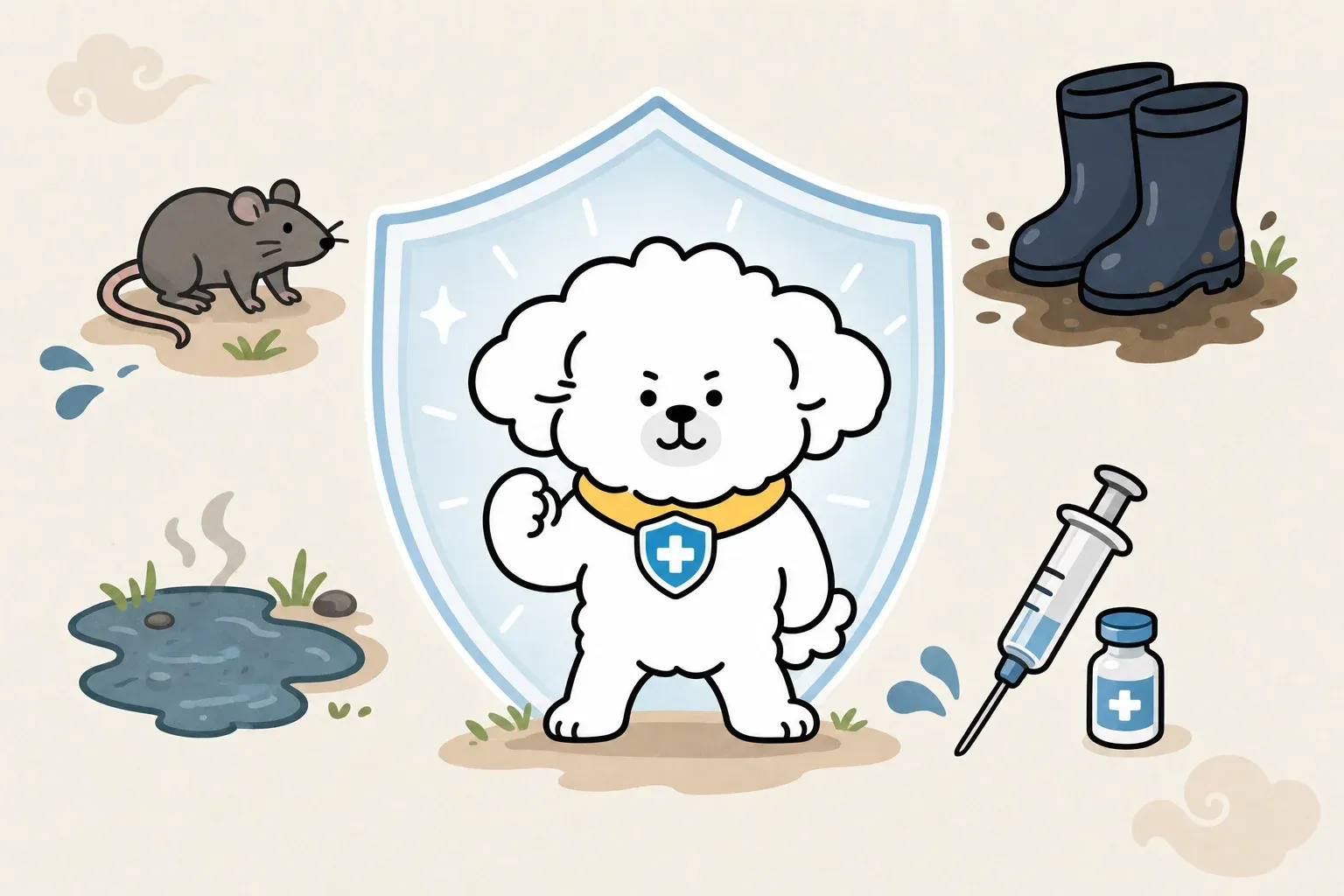
Your dog mostly stays indoors. They go outside for walks, maybe sniff around the yard, and that is about it. So when your veterinarian recommends the leptospirosis vaccine, it is reasonable to ask: does my dog actually need this?
The honest answer is more nuanced than a simple yes or no — and the reasoning matters. Leptospirosis is one of the most widespread bacterial zoonoses in the world, infecting both animals and humans. It is caused by bacteria that survive for weeks in contaminated water and soil, and its routes of exposure are not limited to dogs that swim in rivers or hunt wildlife. A backyard puddle after a rainstorm, a patch of grass where a raccoon urinated the night before, a city park after heavy rain — these are all real exposure points for dogs whose owners would describe them as “mostly indoor.”
This guide takes a prevention-first approach that the major competitors on this topic largely skip. Rather than another disease overview that treats prevention as a brief footnote, the focus here is on helping you make an informed decision: which dogs are at risk, how the vaccine works, what side effects to expect, and what environmental prevention looks like in practice.
What Is Leptospirosis in Dogs?
Leptospirosis is a bacterial infection caused by Leptospira interrogans and related serovars — a group of spiral-shaped bacteria (spirochetes) belonging to the genus Leptospira. The disease affects the kidneys, liver, and, in severe cases, the cardiovascular and respiratory systems.
How Leptospira Bacteria Infect Dogs
Leptospira bacteria are shed in the urine of infected reservoir hosts — most commonly rats, mice, raccoons, opossums, deer, and skunks. These animals often carry the bacteria without showing signs of illness. Once shed, Leptospira can survive in moist soil and stagnant or slow-moving water for weeks to months, particularly in warm, humid conditions.
Infection in dogs occurs primarily through:
- Mucous membrane contact: drinking or sniffing contaminated water, licking contaminated ground
- Skin penetration: the bacteria can enter through small cuts, abrasions, or even intact skin that has been softened by prolonged water exposure
- Direct urine contact: sniffing, licking, or being sprayed by infected animal urine
After entering the body, Leptospira rapidly enter the bloodstream (leptospiremia) and spread to organs, with the kidneys and liver most commonly targeted. The bacteria replicate in renal tubular cells, causing tubular damage that can progress to acute kidney injury within days.
Why Leptospirosis Cases Are Increasing
Leptospirosis has historically been considered a rural or agricultural disease — affecting hunting dogs, farm dogs, and animals with regular wildlife contact. That framing is increasingly outdated. Urban leptospirosis cases have risen steadily over the past two decades, driven by three converging factors:
- Growing urban wildlife populations: Rats, raccoons, and opossums are adapting to city environments at expanding rates. Urban rodent populations are not declining.
- Climate shifts: Warmer temperatures and more frequent heavy rainfall events create conditions — flooding, standing water, soil saturation — in which Leptospira thrive and spread.
- Improved diagnostic awareness: Veterinary testing has become more accessible, meaning cases that were previously undiagnosed or misattributed are now being correctly identified.
The CDC documents human leptospirosis cases across all 50 US states, and the disease is considered endemic in tropical and subtropical regions worldwide. Veterinary surveillance data from the United States show significant case clusters not only in the Gulf Coast and mid-Atlantic regions, but in urban areas including New York, Chicago, and major West Coast cities.
How Do Dogs Get Leptospirosis? Infection Routes Explained
Understanding exactly how Leptospira moves from wildlife to your dog is the most direct way to evaluate your dog’s real-world risk — and to take targeted prevention steps.
Contaminated Water, Soil, and Wildlife Contact
The chain of transmission follows a consistent pattern:
- Reservoir animal (rat, raccoon, deer, opossum) is infected with Leptospira
- Infected animal urinates into the environment — on soil, into standing water, near drainage areas
- Bacteria persist in warm, moist soil or water for days to weeks (longer in humid, flooded conditions)
- Dog encounters contaminated water or soil through normal activity: walking, sniffing, drinking from puddles, playing in wet grass
- Bacteria enter through mucous membranes, skin wounds, or prolonged skin contact
The practical implication: any outdoor surface where wildlife activity occurs is a potential source. This includes:
- Urban parks and dog runs where rats are present
- Backyard areas near fences, compost bins, or bird feeders (which attract rodents)
- Standing water in flower pot saucers, drainage ditches, and low-lying areas after rain
- Walking paths and green spaces that flood during heavy rain
- Hiking trails with wildlife traffic
The risk is not zero for any dog that goes outside — which is precisely why the vaccine decision cannot be made on the basis of lifestyle alone.
Can Humans Catch Leptospirosis from Dogs?
Yes, and this point deserves explicit attention that most competitor articles gloss over. Leptospirosis is a zoonotic disease — meaning it can transfer from animals to people.
A dog infected with leptospirosis sheds Leptospira bacteria in its urine, sometimes for weeks even after symptoms resolve. Human infection occurs through contact with that urine, particularly when the bacteria contacts:
- Broken or abraded skin
- Eyes, nose, or mouth
- Mucous membranes
The risk is not merely theoretical. Veterinary professionals, kennel workers, and owners who handle sick dogs without protective measures have developed leptospirosis. Human disease ranges from a mild flu-like syndrome (fever, muscle aches, headache) to severe Weil’s disease — a life-threatening form involving liver failure, kidney failure, and hemorrhage.
If your dog is diagnosed with leptospirosis:
- Wear disposable gloves when cleaning urine or handling bedding
- Disinfect contaminated surfaces with a 1:10 bleach solution
- Avoid contact between the dog’s urine and any open wounds or your face
- Inform your physician of the diagnosis — human leptospirosis is treatable with antibiotics, but only if diagnosed
Vaccinating your dog reduces the risk of leptospiral shedding, which in turn reduces household transmission risk. For owners with young children, elderly family members, or immunocompromised individuals in the household, this zoonotic dimension is a meaningful factor in the vaccine decision.
Dog Leptospirosis Symptoms — Early Signs You Shouldn’t Ignore
Leptospirosis earns the nickname “the great imitator” in veterinary medicine because its early signs are indistinguishable from dozens of other conditions. This is what makes it dangerous: owners and even veterinarians can initially attribute the symptoms to something less serious.
Early Warning Signs Checklist
Symptoms typically appear 5–14 days after exposure. Early-stage signs include:
- Sudden lethargy: disproportionate tiredness, reluctance to move
- Fever: typically 103–104°F (39.4–40°C); may come and go
- Loss of appetite: sudden disinterest in food
- Vomiting and/or diarrhea
- Muscle stiffness or pain: especially in the hindquarters; dog may be reluctant to stand
- Increased thirst and urination (polydipsia/polyuria): an early indicator of kidney involvement
- Shivering without obvious cause
None of these signs are specific to leptospirosis. But if your dog develops several of them together, particularly after potential exposure (rainy weather, outdoor activity near wildlife habitat, travel to endemic areas), leptospirosis should be on your radar. Contact your veterinarian promptly rather than waiting to see if symptoms resolve — see what to do when your dog develops a sudden fever for guidance on urgency assessment.
Severe Complications: Kidney Failure, Liver Damage, Bleeding
Without prompt treatment, leptospirosis progresses rapidly. Leptospira preferentially target renal tubular cells, and acute kidney injury (AKI) can develop within 48–72 hours of symptom onset. Signs of advancing disease include:
- Decreased or absent urination (oliguria/anuria) — a critical warning sign
- Jaundice (yellowing of the skin, eyes, and gums): indicates liver involvement
- Abdominal pain on palpation
- Bleeding: nosebleeds, blood in urine or stool, petechiae (pinpoint hemorrhages on gums or skin)
- Labored breathing: may indicate pulmonary hemorrhage (bleeding into the lungs), a severe complication
Pulmonary hemorrhage syndrome — bleeding into the lungs — is one of the most feared complications of leptospirosis and can be rapidly fatal. Any dog showing labored breathing, bloody coughing, or pallor of gums alongside other lepto symptoms requires emergency veterinary attention.
Leptospirosis vs Similar Conditions: How to Tell the Difference
Because early symptoms overlap significantly with other diseases, a comparison can help orient your thinking before the veterinarian performs diagnostic bloodwork:
| Symptom Pattern | Leptospirosis | Parvovirus | Acute Kidney Disease | Liver Disease |
|---|---|---|---|---|
| Sudden onset lethargy + fever | Yes | Yes | Yes | Variable |
| Vomiting | Yes | Severe | Yes | Yes |
| Bloody diarrhea | Rare | Common | Rare | Rare |
| Increased thirst/urination | Early sign | No | Yes | Variable |
| Jaundice | Yes (liver form) | No | Rare | Yes |
| Muscle stiffness | Yes | No | Rare | No |
| Exposure to water/wildlife | Common history | No correlation | No correlation | No correlation |
| Affected age group | Any age | Mainly young/unvaccinated | Any | Any |
Definitive diagnosis requires bloodwork (CBC, chemistry panel), urinalysis, and specific leptospirosis testing — either a microscopic agglutination test (MAT) or PCR. Your veterinarian may begin antibiotic treatment empirically while awaiting test results, given how quickly the disease can progress.
Leptospirosis Vaccine for Dogs — Should Your Dog Get It?
The leptospirosis vaccine sits in a different category from core vaccines like rabies and DHPP (distemper-hepatitis-parvovirus-parainfluenza). Understanding that distinction is the starting point for making an informed decision.
What the Lepto Vaccine Covers and How It Works
The bacteria responsible for leptospirosis exist as multiple serovars (subtypes), and vaccines do not provide cross-protection across all of them. Current US vaccines protect against the serovars most commonly associated with canine disease:
- L. canicola and L. icterohaemorrhagiae: historically the most prevalent in dogs
- L. grippotyphosa and L. pomona: increasingly prevalent, particularly associated with wildlife reservoir hosts
Most modern lepto vaccines available in the US are quadrivalent, covering all four of these serovars (Nobivac Lepto4, Vanguard L4, and others). Older bivalent vaccines covered only the first two; quadrivalent formulations represent the current standard of care.
The vaccine works by stimulating antibody production against the bacterial outer membrane proteins. It significantly reduces the risk of infection and, critically, reduces the severity and duration of disease in vaccinated dogs that do become infected. It also reduces leptospiral shedding in urine — an important factor for household transmission risk.
Vaccination Schedule and Booster Timing
The standard protocol:
- Initial series: Two doses, administered 2–4 weeks apart
- Annual revaccination: Required every 12 months to maintain protective immunity
The first dose alone provides limited protection — both doses of the initial series are necessary before meaningful immunity is established. Dogs that receive only one dose are not considered adequately protected.
Unlike core vaccines such as distemper or parvovirus (which may provide 3-year immunity after booster), leptospirosis immunity wanes within approximately 12 months. Missing the annual booster effectively leaves your dog unprotected, which is why it is typically scheduled alongside annual wellness exams. Review how the lepto vaccine fits within your dog’s complete vaccination schedule and annual preventive care plan.
Lepto Vaccine Side Effects and What to Watch For
The leptospirosis vaccine has historically been associated with a higher rate of adverse reactions than other canine vaccines, and this reputation — while partly based on older formulations — is worth understanding clearly.
Common, mild reactions (occur in a small percentage of dogs, usually within 24 hours):
- Soreness at the injection site
- Mild lethargy and reduced activity
- Decreased appetite for 12–24 hours
- Low-grade fever
Less common reactions (occur in a very small percentage of dogs, typically within 30–60 minutes):
- Facial swelling, hives, or urticaria
- Vomiting
- Diarrhea
- Weakness or collapse
Rare but serious reactions:
- Anaphylaxis (potentially life-threatening allergic reaction)
- Immune-mediated reactions occurring hours to days later
Older lepto vaccines — particularly whole-cell bacterin formulations — had higher reported reaction rates. Modern vaccines use purified leptospiral outer membrane protein antigens (subunit vaccines), which significantly reduce the risk of adverse events. However, small and toy breed dogs still appear at somewhat elevated risk for mild to moderate reactions, and veterinarians may recommend administering the lepto vaccine separately from other vaccines on a different day to isolate any reaction that occurs.
What to do after vaccination:
- Remain at the clinic for 20–30 minutes after the first lepto vaccine
- Monitor at home for 24 hours for lethargy, facial swelling, vomiting, or difficulty breathing
- Contact your veterinarian immediately if you observe facial swelling, hives, vomiting, or any sign of breathing difficulty
Do Indoor Dogs Need the Lepto Vaccine?
This is the question most owners have when the vaccine is first recommended — and it deserves a structured answer rather than a blanket yes or no.
The 2022 AAHA Canine Vaccination Guidelines classify leptospirosis as a lifestyle-based non-core vaccine, meaning vaccination is recommended based on individual risk assessment rather than as a universal recommendation for all dogs.
Factors that increase lepto vaccine recommendation:
| Risk Factor | Example |
|---|---|
| Geographic location | Lives in or visits area with known leptospirosis activity (humid climates, endemic regions) |
| Wildlife exposure | Walks in parks, backyards, or trails where rodents, raccoons, or deer are present |
| Water exposure | Swims, wades, or drinks from natural water sources |
| Urban rodent exposure | Lives in dense urban area with known rat population (including apartment dwellers) |
| Rainy season exposure | Regular outdoor activity during and after heavy rainfall |
| Multi-dog household | Kennels, dog parks, boarding facilities |
| Rural or agricultural | Farm dogs, hunting dogs, dogs with regular livestock contact |
| Owner zoonotic concern | Immunocompromised family members, young children |
Factors that may reduce urgency:
| Factor | Example |
|---|---|
| Very limited outdoor access | Dog goes outside only on a balcony with no soil contact |
| Arid, low-humidity location | Desert regions with minimal wildlife activity |
| Prior vaccine reactions | Dog had significant lepto vaccine reaction previously |
| Very small breed | Toy breeds may warrant modified protocol (separate administration day, monitoring); not a contraindication |
The honest answer for most dogs described as “mostly indoor”: if your dog walks outside on grass or soil — even briefly for bathroom trips — they have contact with the same surfaces that wildlife does. Urban rats do not confine their activity to visible locations. If you live in the eastern US, the Gulf Coast, the Pacific Northwest, or any area with a humid climate or known leptospirosis activity, the risk profile for an “indoor” dog may be higher than it appears.
Discuss the specific disease prevalence in your area with your veterinarian. Some practices track local leptospirosis case data and can tell you whether the disease is actively circulating in your community.
Seasonal Leptospirosis Prevention Checklist
The vaccine is the most protective single measure, but environmental prevention significantly reduces your dog’s exposure load — and matters even for vaccinated dogs, since no vaccine is 100% effective.
Before, During, and After Walks
Before walks:
- Check local weather and recent rainfall. Post-rain periods are higher risk due to increased water pooling and soil saturation
- Avoid walking during or immediately after heavy rain when possible
- Inspect your walk route for areas with standing water, visible rodent activity, or wildlife feeding stations
During walks:
- Actively redirect your dog away from puddles, ponds, flooded areas, and standing water
- Discourage sniffing or licking of wet ground — this is a primary exposure route that owners frequently overlook
- Keep your dog on leash in areas with known wildlife activity
- Avoid allowing your dog to drink from natural water sources or decorative fountains
After walks:
- Wipe your dog’s paws with a damp cloth, paying attention to between the toes where contaminated mud collects
- Inspect the muzzle and lower face if your dog was sniffing at ground level
- Wash your own hands after handling your dog’s paws
For detailed guidance on managing outdoor risks during rainy weather specifically, see safe dog walking practices during rainy season.
Home Environment and Multi-Dog Household Tips
Rodent control:
- Seal gaps and entry points around the home’s foundation and under doors
- Eliminate food sources that attract rodents: secure compost bins, bring in bird feeders at night, store pet food in sealed containers
- Remove yard debris (woodpiles, overgrown vegetation) that provides rodent habitat
- Address standing water sources: empty flower pot saucers, birdbaths, and drainage areas after rain; ensure gutters drain properly
Water bowl hygiene:
- Clean outdoor water bowls daily — standing water bowls can become contaminated by insects, rodent urine splash, or environmental runoff
- Use elevated water bowls or indoor water sources for dogs with high lepto risk
- Do not allow dogs to drink from garden hoses that have been sitting in the sun (water can stagnate in the hose itself)
Multi-dog households and boarding:
- If one dog in a household is diagnosed with leptospirosis, consult your veterinarian about prophylactic antibiotic treatment for other dogs in the home
- Isolate the infected dog from other pets and restrict their access to shared outdoor areas
- Disinfect shared areas and water bowls with dilute bleach solution (1:10)
- Ensure all dogs in the household are current on their lepto vaccine, including annual boosters
For dogs with other concurrent health risks — particularly those prone to kidney issues — supporting kidney health through nutrition and preventive care can help minimize the long-term impact if lepto-related kidney stress occurs.
What to Do If You Suspect Leptospirosis
Speed matters. Leptospirosis can progress from non-specific lethargy to kidney failure within 48–72 hours. This is not a “wait and see” situation.
When to See the Vet — Don’t Wait
Contact your veterinarian immediately if your dog shows:
- Sudden lethargy combined with fever and vomiting
- Decreased or absent urination
- Jaundice (yellow tinge to gums, eyes, or skin)
- Muscle stiffness or pain with loss of appetite
- Any combination of early warning signs following outdoor exposure, especially after rainfall
Describe to your veterinarian:
- Recent outdoor activity — where, and whether there was standing water or wildlife contact
- Any contact with other animals
- Vaccination history, including whether the lepto vaccine is current
At the clinic, your veterinarian will likely perform a complete blood count, biochemistry panel (assessing kidney and liver function), urinalysis, and potentially PCR or MAT testing. Treatment for early-stage leptospirosis includes antibiotics (typically doxycycline in the initial phase, followed by amoxicillin for renal clearance) and supportive care. Hospitalization with intravenous fluids is often required for moderate to severe cases.
Protecting Yourself and Your Family
While your dog is being evaluated or treated:
- Wear disposable gloves when handling your dog’s urine, cleaning accidents, or managing soiled bedding
- Disinfect contaminated surfaces with a 1:10 dilution of household bleach (allow 10 minutes of contact time)
- Avoid letting the dog lick your face or any open cuts or wounds
- Wash hands thoroughly with soap and water after any contact
- Notify your physician that your dog has been diagnosed with leptospirosis, particularly if you develop fever, muscle aches, or headache within 2 weeks
Leptospirosis is treatable in humans if caught early. The primary risk period is while the dog is actively shedding bacteria in urine — which can continue for weeks even after the dog has clinically recovered. Dogs diagnosed with leptospirosis should complete the full antibiotic course to minimize ongoing shedding.
Understanding the relationship between leptospirosis and other preventable infections can also inform your overall prevention strategy — for context on how leptospirosis fits within the broader picture of parasitic and bacterial threats, see other preventable infections and how they compare.
This article is for informational purposes only and does not substitute for veterinary medical advice. Consult your veterinarian before making any decisions regarding your dog’s vaccination schedule or health care.
References
- 1. Leptospirosis in Dogs — AVMA
- 2. AAHA Canine Vaccination Guidelines
- 3. Leptospirosis — CDC
- 4. Leptospirosis in Dogs — Cornell University College of Veterinary Medicine
- 5. Leptospirosis in Dogs — VCA Animal Hospitals
- 6. Leptospirosis Fact Sheet — WHO
- 7. Canine Leptospirosis: Epidemiology, Pathophysiology, and Diagnosis — Veterinary Clinics of North America
FAQ
Do indoor dogs need the leptospirosis vaccine?
How do dogs get leptospirosis?
What are the first symptoms of leptospirosis in dogs?
What are the side effects of the lepto vaccine in dogs?
Can leptospirosis spread from my dog to me?
What is the survival rate for dogs with leptospirosis?
How much does leptospirosis treatment cost for dogs?
How long does leptospirosis vaccination protection last?
Related Articles
Puppy Vaccination Schedule: Shots, Costs & Side Effects
Complete puppy vaccination schedule by age, 2026 US cost ranges, side effect warning signs, missed dose protocol, and titer testing explained.

Dog Heartworm Prevention: Medications, Testing & Schedules
Complete guide to heartworm prevention for dogs — medication comparison, testing schedule, MDR1 breed safety, and cost.

Should You Walk Your Dog in the Rain? A Step-by-Step Safety Guide
Walking dog in rain tips: before, during, and after a wet walk — including leptospirosis risks, post-walk drying, and what to do when your dog refuses to go out.