 Cirius Petpedia
 5 Causes of Bad Breath in Dogs and What Each Smell Means
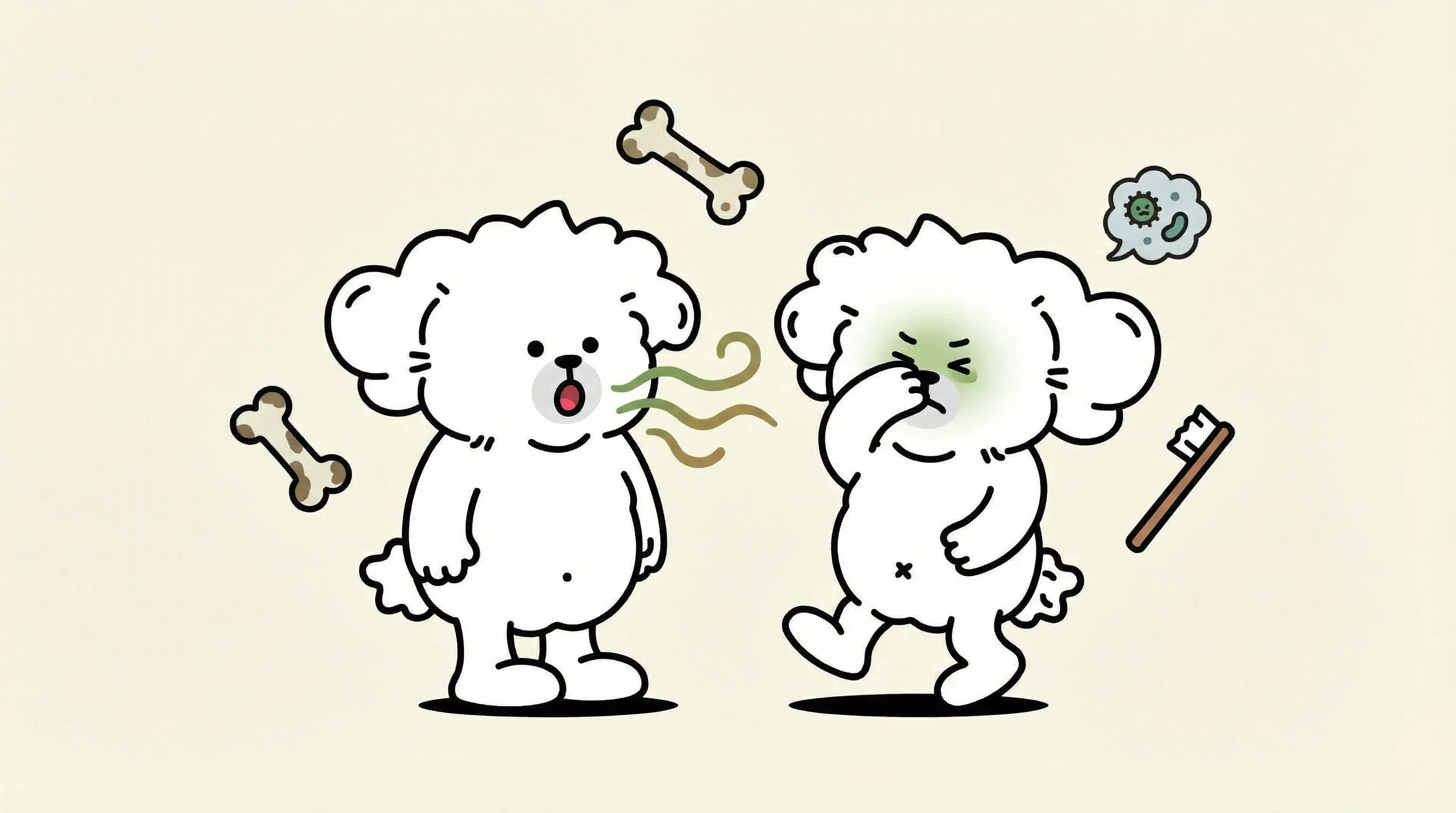
You notice it first when your dog leans in for a greeting: a smell that stops you mid-motion. It could be sharp and fishy, metallic and urine-like, oddly sweet, or just deeply rotten. Most owners chalk it up to “dog breath” and move on. The problem is that each of those distinct odors is your dog’s body communicating something specific — and some of those signals are urgent.
Dog bad breath causes span a wide spectrum, from the universally common (dental disease affects an estimated 80% of dogs over age three, according to the American Veterinary Dental College) to the life-threatening (kidney failure and diabetic ketoacidosis both produce characteristic breath odors). Knowing how to read the smell is the difference between scheduling a routine cleaning and getting your dog to an emergency clinic.
This guide works through the five root causes systematically, maps each odor type to its most likely diagnosis, walks you through a home oral health check you can do tonight, and addresses the remedies that genuinely work — and the popular ones that are dangerous.
Why Does My Dog Have Bad Breath?
Bad breath (halitosis) in dogs results from volatile sulfur compounds (VSCs), ammonia derivatives, and other metabolic byproducts produced by bacteria, organ dysfunction, or abnormal cellular metabolism. Understanding which process is generating the odor is the first step toward addressing it.
Dental Disease: The Most Common Culprit
The American Veterinary Dental College estimates that periodontal disease affects more than 80% of dogs by age three. This staggering prevalence makes it, by far, the leading cause of halitosis in dogs.
The process begins with plaque — a biofilm of bacteria, saliva, and food debris that forms on tooth surfaces within hours of eating. Within 24–48 hours, calcium salts in saliva begin mineralizing plaque into calculus (tartar), a hardened deposit that mechanical brushing cannot remove. As plaque and calculus accumulate below the gumline, anaerobic bacteria — the kind that thrive without oxygen — colonize the subgingival (below the gum) space. These bacteria produce hydrogen sulfide, methylmercaptan, and dimethyl sulfide, the primary VSCs responsible for the characteristic fishy or fecal odor of periodontal disease.
Left untreated, subgingival infection progresses through four recognized stages of dog periodontal disease:
- Stage 1 (Gingivitis): Inflammation limited to gums; fully reversible with professional cleaning and home care
- Stage 2 (Early Periodontitis): Up to 25% bone loss around the tooth root; professional treatment required
- Stage 3 (Moderate Periodontitis): 25–50% bone loss; some teeth may not be salvageable
- Stage 4 (Advanced Periodontitis): Over 50% bone loss; tooth extraction and systemic antibiotic therapy often necessary
Bacteria from periodontal infection do not stay local. Research published in the Journal of Veterinary Dentistry has linked oral bacteria to systemic conditions including endocarditis (heart valve infection), glomerulonephritis (kidney inflammation), and hepatic changes. Halitosis, in this context, is not merely cosmetic.
Digestive Issues and Gut Imbalance
The gastrointestinal tract shares a continuous pathway with the oral cavity, and disruptions anywhere along that route can contribute to breath odor. When stomach acid refluxes into the esophagus (gastroesophageal reflux), the partially digested contents — and their bacterial load — can make breath smell sour or foul in a way that does not match classic dental odor.
Gut dysbiosis (an imbalanced microbiome with overgrowth of harmful bacteria) produces metabolic byproducts including short-chain fatty acids and indole compounds that can be exhaled. Dogs with inflammatory bowel disease (IBD), small intestinal bacterial overgrowth (SIBO), or chronic dietary indiscretion (eating garbage, feces, or foreign material) frequently present with breath complaints alongside GI symptoms like intermittent vomiting or loose stools.
Supporting the gut-oral axis with appropriate dietary fiber, prebiotics, and evidence-based probiotic supplementation can reduce the bacterial burden across both systems. The relationship between dog gut health and probiotics is increasingly recognized in veterinary medicine as relevant not just to digestion but to systemic immune function.
Kidney Disease: The Ammonia Warning Sign
Healthy kidneys filter urea — a nitrogenous waste product of protein metabolism — from the blood and excrete it in urine. When kidney function declines, urea accumulates in the bloodstream (a condition called uremia). The body attempts to off-gas this excess through multiple routes, including respiration. The result is breath that smells distinctly of ammonia or urine.
Chronic kidney disease (CKD) is staged by the International Renal Interest Society (IRIS) into four grades based on creatinine and symmetric dimethylarginine (SDMA) levels. Uremic halitosis typically becomes noticeable at IRIS Stage 3 and above, when more than 75% of functional nephron mass has been lost. By this point, other signs are usually present — increased thirst and urination, decreased appetite, weight loss, lethargy — but breath odor can occasionally be the first symptom an owner notices.
Ammonia-smelling breath in a dog is a veterinary emergency workup item, not a home-treatment scenario.
Diabetes: Sweet or Fruity Breath
When a diabetic dog cannot effectively use glucose for energy, the body shifts to metabolizing fat for fuel. This process generates ketone bodies — acetoacetate, beta-hydroxybutyrate, and acetone. Acetone, in particular, is volatile and exhaled through the lungs, producing the distinctive sweet or fruity breath odor associated with diabetic ketoacidosis (DKA).
DKA is a life-threatening complication. Alongside altered breath, dogs in DKA typically display vomiting, lethargy, decreased appetite, and a characteristic “tacky” quality to the mucous membranes. If your dog’s breath suddenly takes on a sweet or acetone-like quality — particularly if they have an existing diabetes diagnosis or show other signs of illness — this is an emergency presentation requiring immediate veterinary attention.
Fruity breath without confirmed diabetes can also occur in early, undiagnosed diabetes and warrants prompt blood glucose testing.
Diet and Foreign Objects
Some causes of bad breath are mechanical rather than systemic. Dogs that eat strong-smelling foods (fish-based diets, raw meat, offal), have access to garbage, or engage in coprophagia (eating feces) will have predictably poor breath that resolves once the dietary source is removed. This type of breath tends to be inconsistent — present after eating, better otherwise — distinguishing it from the persistent halitosis of disease.
Foreign objects lodged in the oral cavity — splinters of bone, plant material, stick fragments — can become a nidus for bacterial infection, causing focal bad breath alongside visible discomfort, pawing at the mouth, or reluctance to eat hard food. Oral tumors (papillomas, squamous cell carcinoma, melanoma) can also produce halitosis through tissue necrosis and secondary infection.
What Different Breath Smells Mean
The character of the odor is a diagnostic shortcut. This smell-type diagnostic table maps common breath descriptions to their most likely causes and urgency levels.
Fishy Smell → Periodontal Disease, Oral Infection
| Odor Description | Most Likely Cause | Urgency |
|---|---|---|
| Fishy, fecal, “garbage-like” | Periodontal disease (VSC-producing anaerobes) | Routine — schedule dental evaluation |
| Fishy + visible brown/yellow tartar | Advanced calculus, Stage 2–3 periodontitis | Soon — professional cleaning needed |
| Fishy + swollen face or jaw | Tooth root abscess | Urgent — same-week vet visit |
| Fishy + bleeding gums, loose teeth | Advanced Stage 3–4 periodontal disease | Urgent |
The fishy or sulfurous smell is the most common presentation and almost always traces back to gram-negative anaerobic bacteria in the subgingival sulcus. If you can see obvious brown or yellow buildup on the molars and premolars (the teeth most hidden by the lips), the source is almost certainly periodontal.
Ammonia or Urine Smell → Kidney Problems
| Odor Description | Most Likely Cause | Urgency |
|---|---|---|
| Ammonia, metallic, “like urine” | Uremia from kidney disease | High — vet bloodwork within days |
| Ammonia + increased thirst/urination | CKD Stage 3+ or acute kidney injury | Urgent |
| Ammonia + vomiting, lethargy, pale gums | Uremic crisis | Emergency |
Kidney-related breath is chemically distinct from dental breath. Owners often describe it as metallic, urine-like, or “chemical.” The presence of this odor alongside systemic signs (weight loss, PU/PD — polyuria and polydipsia, or increased urination and thirst) should trigger bloodwork immediately.
Sweet or Fruity Smell → Diabetic Ketoacidosis
| Odor Description | Most Likely Cause | Urgency |
|---|---|---|
| Sweet, fruity, acetone-like | Diabetic ketoacidosis | Emergency |
| Mildly sweet, otherwise well | Possible early/uncontrolled diabetes | High — same-week glucose testing |
Sweet breath is not a benign presentation in dogs. Unlike the transient sweetness of eating a fruit treat, acetone breath is persistent, often described as a chemical sweetness that does not go away after the dog has eaten or had water.
Rotten or Foul Smell → Tumors, Severe Infection
| Odor Description | Most Likely Cause | Urgency |
|---|---|---|
| Deeply rotten, “necrotic” | Oral tumor with necrosis, severe abscess | Urgent |
| Rotten + visible mass, bleeding gums | Oral melanoma, squamous cell carcinoma | Urgent — biopsy required |
| Foul + asymmetric facial swelling | Tooth root abscess, osteomyelitis | Urgent |
A rotten, necrotic smell — distinct from the common fishy dental odor — suggests tissue death. Oral tumors in dogs can grow rapidly and often go undetected until the smell becomes noticeable to owners. Any unusual mass in the mouth, combined with foul breath, requires veterinary assessment.
Home Oral Health Check: A Step-by-Step Guide
You do not need any special equipment to perform a useful baseline assessment. Good lighting and a cooperative dog are the main requirements. Some dogs need gradual desensitization to mouth handling; if your dog actively resists, do not force it — that is itself a diagnostic clue.
Gum Color and Swelling Assessment
Healthy gum color should be a consistent salmon-pink (or black/mottled in breeds with pigmented gums). Assess the following:
- Pale or white gums: Possible anemia, shock, or severe systemic illness — emergency
- Yellow gums (jaundice): Liver disease or hemolytic anemia — urgent
- Bright red gums along the gumline: Gingivitis — dental evaluation needed
- Purple or bluish gums: Oxygen deprivation — emergency
- Normal pink, but swollen gumline: Early periodontal disease
Lift the upper lip on both sides and examine the gumline at the back molars — the area most commonly affected by periodontal disease and often overlooked during casual inspection.
Tartar Buildup Indicators
Run a fingernail gently across the surface of a molar. Healthy teeth feel smooth; calculus feels rough and chalky. Color progression reflects severity:
- Off-white or light yellow: Early calculus, manageable with consistent brushing
- Brown or dark yellow: Established tartar, likely subgingival involvement
- Grey-black deposits: Advanced calculus with probable bone changes below
Tartar on the upper carnassial teeth (the large shearing teeth visible when you pull the upper lip back on the cheek side) is particularly important, as periodontal disease here can cause tooth root abscesses that drain below the eye — a condition owners sometimes mistake for an eye infection.
Behavioral Red Flags
Dogs with oral pain rarely vocalize it directly. Watch for:
- Dropping food while chewing, preference for soft food
- Chewing predominantly on one side of the mouth
- Pawing at the face or mouth
- Reluctance to have the head or muzzle touched
- Decreased interest in play toys that involve chewing
- Snapping or growling when the face area is approached (new behavior)
Any new behavior change paired with bad breath should prompt a veterinary examination rather than home management alone.
When to See the Vet Immediately
Bring your dog in urgently — same day or within 24 hours — if you observe:
- Ammonia or urine smell combined with lethargy, vomiting, or decreased appetite
- Sweet/fruity breath, especially if your dog seems ill or is known diabetic
- Visible oral mass or asymmetric facial swelling
- Tooth that is clearly mobile or fractured
- Bleeding from the gums that does not stop
- Gum color changes (pale, yellow, blue-purple)
Do not delay these presentations for a routine appointment.
How to Get Rid of Dog Bad Breath
For halitosis rooted in dental disease — which represents the majority of cases — the treatment hierarchy runs from daily home care through professional intervention. For halitosis caused by systemic disease (kidney, diabetes), treating the underlying condition is the primary requirement.
Daily Tooth Brushing: Frequency and Technique
Tooth brushing is the gold standard of home dental care and the most evidence-supported method for reducing plaque accumulation. The American Animal Hospital Association (AAHA) recommends daily brushing as the minimum standard.
Technique:
- Use a soft-bristled toothbrush sized for your dog — finger brushes work for small dogs, standard pet toothbrushes for medium and large breeds
- Apply a pea-sized amount of veterinary enzymatic toothpaste (see “Myths” section for why human toothpaste is off-limits)
- Angle the brush at 45 degrees to the gumline — the goal is disrupting the subgingival plaque, not just polishing the crown surface
- Use small circular motions; 30 seconds per side is sufficient if done daily
- Focus on the outer surfaces of the upper back teeth, where calculus accumulates fastest
Frequency matters more than duration. A 30-second daily brush is far more effective than a 5-minute weekly session. Start young if possible, but adult dogs can be trained to accept brushing with patient desensitization.
Dental Chews and Toys That Actually Work
Not all dental chews are created equal. The Veterinary Oral Health Council (VOHC) maintains a list of products that have undergone controlled clinical trials demonstrating a statistically significant reduction in plaque or tartar. Look for the VOHC Accepted Seal.
Effective chews work through sustained mechanical abrasion — the chewing action scrubs tooth surfaces in a way that closely mimics brushing. The key variables are:
- Texture: Should be firm enough to require real chewing but not so hard it risks tooth fracture (avoid antlers, real bones, nylon “bones,” and ice)
- Size: Large enough that the dog cannot bolt it as a single piece
- Frequency: Most VOHC-accepted chews are studied at daily use; occasional chewing provides minimal benefit
Certain rubber toys with internal texture (Kong-style, bristled toys) can also provide mechanical plaque disruption when used with enzymatic toothpaste.
Water Additives and Oral Sprays
Water additives containing cetylpyridinium chloride (CPC), zinc, or enzyme systems have been shown in some studies to reduce oral bacteria counts when added to a dog’s drinking water daily. These are best understood as adjuncts rather than standalone treatments — they reduce bacterial load but do not remove established calculus.
Oral sprays and gels with chlorhexidine (the antiseptic standard in human dentistry) are available in veterinary formulations and can be applied directly to the gumline. Chlorhexidine is highly effective against gram-negative anaerobes but should not be used with the same timing as toothpaste, as the two can interact and reduce effectiveness.
Diet Adjustments for Better Breath
Food choices affect breath in two ways: the direct smell of food being digested, and the long-term impact on plaque accumulation and gut bacteria. Certain dental-health dog foods are specifically designed with a kibble texture and size that creates mechanical abrasion during chewing, and some contain polyphosphates that bind salivary calcium to slow tartar mineralization.
Dietary fiber and certain prebiotic ingredients also support a healthier gut microbiome, which can reduce the contribution of GI-origin breath odor. Highly processed diets heavy in simple carbohydrates can promote bacterial overgrowth both orally and intestinally.
Specific dietary considerations for breath management:
- Kibble vs. wet food: Dry kibble provides more mechanical abrasion than wet food, though neither is a substitute for brushing. Dogs fed exclusively wet food may accumulate tartar more quickly.
- Raw diets: Some owners report improved breath on raw diets, though the evidence base is mixed. Raw meat does not provide mechanical abrasion and carries bacterial contamination risks (Salmonella, Listeria) relevant to both dog and human household members. The American Veterinary Medical Association does not endorse raw food diets.
- Functional ingredients: Certain foods and treats include parsley, mint, or chlorophyll, which can temporarily mask odor but do not address the underlying bacterial source.
- Omega-3 fatty acids: EPA and DHA from fish oil have anti-inflammatory properties relevant to gum tissue health. Research in human periodontology shows reduced periodontal inflammation with omega-3 supplementation; the veterinary evidence is still developing, but including omega-3 sources in the diet is generally low-risk and potentially beneficial.
Sudden changes in dietary routine that coincide with new or worsened bad breath should be noted and mentioned to your veterinarian — they can help distinguish a dietary cause from a developing medical issue.
Myths About Dog Bad Breath Debunked
A number of circulating remedies are either ineffective or outright dangerous. These come up repeatedly in online communities and deserve direct attention.
Hydrogen Peroxide as Mouthwash (Dangerous)
The 3% hydrogen peroxide solution sold in pharmacies is sometimes suggested as a dog mouthwash or tooth cleaner. This advice is dangerous on multiple counts:
- Hydrogen peroxide is corrosive to oral mucosa even at 3% concentration; it damages gum tissue and slows healing
- Swallowing hydrogen peroxide causes gastric irritation and can induce vomiting, potentially aspirating stomach contents
- Concentrated hydrogen peroxide (>3%) is acutely toxic
There is no veterinary guideline recommending hydrogen peroxide for oral care. If you encounter this recommendation online, do not follow it.
Yogurt Cures Bad Breath (Misleading)
The idea that the probiotics in yogurt can address dog bad breath has spread widely. The reality is more complicated:
- Most commercial yogurt contains sweeteners, artificial flavors, or xylitol (a sugar alcohol that is acutely toxic to dogs)
- Plain, unsweetened yogurt with live cultures is not harmful in small amounts, but the probiotic strains found in human yogurt are not the species typically used in veterinary-validated probiotic studies
- Yogurt contains lactose; many dogs lack sufficient lactase enzyme to digest it comfortably, leading to GI upset that can worsen breath rather than improve it
If gut microbiome support is the goal, veterinary-specific probiotics with documented canine strains are more appropriate and better studied.
”Bad Breath Is Normal in Dogs” (False)
This is perhaps the most consequential myth. The phrase “dog breath” as a cultural cliché has normalized chronic halitosis to the point where many owners do not raise it with their veterinarian for years. The result is that dental disease — which progresses silently — reaches advanced stages before treatment begins.
Mild transient breath after eating is normal. Persistent, strong-smelling halitosis is not a normal baseline. The 80% prevalence of periodontal disease in adult dogs does not mean it is acceptable or inevitable — it means it is under-treated.
Professional Dental Cleaning: What to Expect
Home care prevents progression but cannot reverse established disease. Professional dental cleaning under anesthesia is required to remove calculus below the gumline and to assess the full extent of periodontal involvement.
When Your Dog Needs a Professional Cleaning
Signs that professional cleaning is needed:
- Visible brown or yellow calculus on more than 50% of any tooth’s surface
- Persistent halitosis despite consistent home brushing
- Gum inflammation that does not resolve with 2–4 weeks of meticulous brushing
- Any tooth that appears mobile, fractured, or discolored
- Any dog over age 3 that has never had a professional dental evaluation
Dogs with moderate-to-severe periodontal disease may require not only scaling and polishing but also full-mouth dental radiographs to assess bone levels and determine which teeth can be saved versus extracted.
Anesthesia vs. Non-Anesthesia Dental Cleaning
“Anesthesia-free” dental cleaning has grown in popularity, offered in grooming salons and pet stores. The American Veterinary Dental College, the American Animal Hospital Association, and the American Veterinary Medical Association all oppose this practice, for substantive reasons:
- Calculus removal below the gumline — where disease actually lives — is impossible without anesthesia
- Supragingival (above the gum) scaling without subgingival access removes visible calculus but leaves diseased tissue untouched, creating a cosmetic improvement with no clinical benefit
- Awake dental scaling with sharp instruments is inherently unpredictable; dogs cannot cooperate reliably, creating risk of oral injury and operator injury
- Dental radiographs cannot be taken in an unsedated animal, leaving the majority of pathology (below the bone) undiagnosed
The appeal of avoiding anesthesia is understandable — anesthesia carries risk. Modern veterinary anesthesia protocols with pre-anesthetic bloodwork, intravenous fluids, and continuous monitoring have made the procedure substantially safer than it was a decade ago. For most healthy adult dogs, the risk of untreated dental disease exceeds the anesthetic risk of a professional cleaning.
Post-Cleaning Care
After professional cleaning, the window for preventing rapid re-calcification is typically the first 24–48 hours, when tooth surfaces are most susceptible to new plaque adhesion. Most veterinarians recommend:
- Soft food for 24 hours if extractions were performed
- Resuming tooth brushing within 48 hours (after any extraction sites have initial healing)
- Using a chlorhexidine rinse for 7–14 days post-procedure if prescribed
- Scheduling a recheck at the interval recommended by your veterinarian — typically 6–12 months
Bad Breath by Life Stage
The relative contribution of different causes shifts across a dog’s lifetime, and appropriate prevention strategies vary accordingly.
Puppy Breath Changes
The characteristic “puppy breath” that many owners find endearing is real: it reflects a combination of the milk-based diet, the sterile gut microbiome of a very young animal, and the specific oral bacterial flora of puppies, which differs significantly from adult oral microbiomes. It is typically sweet and innocuous.
Between roughly 3–6 months of age, puppies begin teething. Incoming adult teeth push deciduous (baby) teeth out, causing temporary gum inflammation and mild bleeding — both of which can temporarily worsen breath odor. This phase is normal.
Key early dental milestone: deciduous teeth should fall out on their own. Retained deciduous teeth (most commonly upper canine teeth) create double-tooth crowding that dramatically accelerates plaque accumulation and periodontal disease. If a baby tooth is still present alongside the erupting adult tooth by 6 months of age, veterinary extraction is usually indicated.
Starting tooth brushing habits at 8–12 weeks — even with just water and a finger brush — builds lifelong tolerance.
Adult Dog Maintenance
For dogs aged 1–7 years, the foundation of dental health maintenance is daily brushing, annual oral examinations, and professional cleaning at your veterinarian’s recommended interval (typically every 1–2 years for most breeds).
Small breeds (Chihuahua, Yorkshire Terrier, Maltese, Shih Tzu, Pomeranian) warrant particular attention. Their teeth are proportionally large for their jaw size, leading to crowding, earlier calculus accumulation, and faster periodontal disease progression. Small-breed dogs often need professional cleanings every 6–12 months by middle age.
A practical maintenance checklist for adult dogs:
- Daily: Tooth brushing with veterinary-approved enzymatic toothpaste
- Weekly: Brief oral inspection — check gum color, look for new tartar, note any new behaviors
- Monthly: Run a finger along the gumline to feel for swelling or painful spots
- Annually (minimum): Veterinary oral examination; schedule professional cleaning if recommended
- As needed: Dental chews (VOHC-accepted) as a brushing adjunct on days when brushing is not possible
If you notice bad breath between scheduled cleanings, do not wait until the next annual appointment — most clinics will accommodate an earlier dental examination. Catching periodontal progression at Stage 2 rather than Stage 3 or 4 frequently means the difference between a cleaning and a surgical extraction.
Senior Dogs: Heightened Risks
In dogs over age 7 (or over age 5 for giant breeds), halitosis becomes a more complex diagnostic picture. While dental disease remains the most common cause, systemic diseases that cause breath changes — chronic kidney disease, diabetes, oral tumors — all increase in prevalence with age.
The nutritional and metabolic needs of senior dogs change significantly, including shifts that affect oral health: reduced kidney reserve, altered glucose metabolism, decreased immune function, and slower tissue healing all influence the oral cavity directly.
For senior dogs, a baseline health assessment that includes bloodwork (CBC, chemistry panel, urinalysis) helps distinguish dental-origin bad breath from systemic-origin bad breath. This is particularly important before scheduling anesthesia for dental cleaning, as anesthetic protocols need to account for subclinical kidney or cardiovascular disease.
Senior dogs with dental disease also face a particular risk from bacteremia (bacteria entering the bloodstream) during chewing or dental procedures. Dogs with known heart disease should receive antibiotic prophylaxis per current AVDC guidelines before dental procedures.
Breed-specific considerations for seniors:
- Brachycephalic breeds (Bulldogs, Pugs, Boston Terriers, Shih Tzus): Compressed facial anatomy leads to crowded, rotated teeth and more pronounced plaque accumulation. These dogs tend to develop severe periodontal disease earlier and may need more frequent professional care throughout their entire lives.
- Large and giant breeds (German Shepherds, Labrador Retrievers, Great Danes): These breeds are more prone to tooth fractures due to their powerful bite forces and tendency to chew hard objects. Fractured teeth become entry points for infection and should be assessed promptly.
- Greyhounds and Sighthounds: Known to have particularly thin enamel and a high predisposition for periodontal disease regardless of diet or brushing frequency. Geriatric greyhounds often require aggressive dental intervention.
The bottom line for senior dogs: assume more dental disease is present than you can see, pursue diagnostic bloodwork before each anesthetic procedure, and work with your veterinarian to establish an individualized cleaning and monitoring schedule rather than relying on general population guidelines.
Putting It All Together: A Decision Framework
If you are reading this because your dog’s breath concerns you, here is a practical framework for next steps:
Step 1 — Identify the smell type
Use the diagnostic tables in this article. Fishy/sulfurous points toward dental; ammonia or urine-like points toward kidneys; sweet or fruity points toward diabetes; rotten or necrotic points toward tumor or abscess.
Step 2 — Check the urgency level
Ammonia, sweet, or rotten breath is high-urgency — call your vet today. Persistent fishy breath without systemic symptoms is non-emergency but still requires a veterinary appointment within a reasonable timeframe (not six months from now).
Step 3 — Perform the home oral check
Examine gum color, feel for tartar on the back molars, look for behavioral signs of oral pain. Note everything you observe before your vet visit — this information helps your vet triage the situation efficiently.
Step 4 — Start home care while you wait
If the issue appears to be dental and you do not yet have an appointment, begin or increase daily brushing and switch to VOHC-accepted dental chews. This will not reverse existing disease but will slow progression.
Step 5 — Follow through on professional care
A home oral check and brushing routine does not replace professional evaluation. The only way to know the true extent of periodontal disease is dental radiographs under anesthesia — the same reason human dentists X-ray your teeth even when they look clean from the outside.
Bad breath in dogs is common but not normal. With consistent home care and appropriate veterinary intervention, the majority of dogs maintain good oral health and fresh breath throughout their lives. The window to act is always now — before the disease progresses further.
This article is for informational purposes and does not substitute for professional veterinary advice. If your dog has persistent bad breath, consult a licensed veterinarian for diagnosis and appropriate treatment.
FAQ
Is bad breath in dogs normal?
Why does my dog's breath suddenly smell much worse?
How often should dogs have a professional dental cleaning?
Are dental chews enough to prevent bad breath?
Can I use baking soda or human toothpaste to brush my dog's teeth?
Related Articles
7 Silent Signs of Cat Arthritis Most Owners Miss
Cat arthritis symptoms are easy to miss because cats hide pain instinctively. Learn the 7 behavioral signs, how vets diagnose feline joint disease, and what you can do at home.
Dog Skin Allergies: Types, Symptoms, and Management Guide
Dog skin allergies: 3 types, symptom patterns by location, 8–12 week elimination diet protocol, and treatment options including JAK inhibitors.
Dog Arthritis: Symptoms and Management
Recognize early signs of arthritis in dogs and learn effective management strategies for pain relief and improved mobility.
Dog Cruciate Ligament Tear: 7 Things Every Owner Must Know
Dog cruciate ligament tear guide: recognize symptoms, compare TPLO vs TTA surgery, follow a phased recovery timeline, and protect the opposite knee.
Dog Ear Infections: Causes, Symptoms, Treatment & Prevention
Dog ear infection causes, symptoms, and treatment: bacterial vs yeast differences, high-risk breeds, step-by-step ear cleaning, and when to see a vet.
Is Your Dog Showing Signs of IVDD? Symptoms, Stages, and What to Do
Learn to recognize IVDD in dogs symptoms by grade and spinal region, understand treatment options from conservative care to surgery, and manage recovery at home.
Dog Hip Dysplasia: 6 Essential Facts Every Owner Should Know
Learn the key facts about dog hip dysplasia — from at-risk breeds and early symptoms to PennHIP vs OFA diagnosis and home care exercises.
Why Is My Dog Limping? A Cause-by-Cause Diagnosis Guide
Dog limping on front or back leg? Learn the most common causes by leg and age, a home observation checklist, and when the limp needs emergency care.
If Your Dog's Hind Legs Are Getting Thinner, It Could Be Sarcopenia
Dog muscle atrophy in hind legs is an early warning sign of sarcopenia. Learn the stages, causes, BCS/MCS self-assessment, and evidence-based recovery strategies.
The Hidden Link Between Your Dog's Weight and Joint Health
Extra weight does far more than strain your dog's joints — it actively inflames them. Learn the dual-pathway science and a practical roadmap to protect joint health.
Dog Periodontal Disease: Symptoms, Stages, and What Every Owner Should Know
Learn the 4 stages of dog periodontal disease symptoms, warning signs, treatment options, and daily home care steps to protect your dog's teeth and overall health.
Puppy Growth Plate Care: Safe Exercise and Breed Timelines
Learn how to protect puppy growth plates with breed-specific closure timelines, age-based exercise limits, and nutrition guidelines. Evidence-based guide.
Complete Guide to Patellar Luxation in Dogs
Learn about the causes, symptoms, grades, treatment options, and prevention of patellar luxation in dogs.
Cat FLUTD: Symptoms, Causes, Treatment, and Prevention Guide
Comprehensive guide to cat FLUTD — covering feline lower urinary tract disease symptoms, causes, treatment options, cost expectations, and home prevention strategies.
A Veterinary Guide to Cat Dental Health: From Home Care to Professional Treatment
Protect your cat's dental health with vet-backed guidance on periodontal disease, FORL, stomatitis, a 4-week toothbrushing protocol, and cleaning criteria.
Kennel Cough in Dogs: Symptoms, Treatment, and Prevention Explained
Recognize kennel cough symptoms, distinguish it from tracheal collapse and heart disease, and learn which vaccines offer the best protection for your dog.
Why Is My Dog Reverse Sneezing? Causes, Remedies, and When to See a Vet
Learn what causes reverse sneezing in dogs, how to distinguish it from tracheal collapse or kennel cough, and when the symptom warrants a vet visit.
Cat Vomiting: 7 Common Causes, Color Guide, and When to See a Vet
Understand cat vomiting causes — from hairballs to serious illness. Includes a full vomit color chart with urgency ratings and a step-by-step home care guide.
Cat Constipation: More Water Won't Always Fix It — Causes, Remedies, and When to See a Vet
Cat constipation causes and remedies: 7 causes, 3-stage severity guide, home care with belly massage and pumpkin, Miralax dosing, and vet visit thresholds.
Why Does My Cat Have Diarrhea? Causes, Stool Color Guide, and When to Act
Discover the 7 most common cat diarrhea causes, decode stool colors with our risk chart, learn safe home remedies, and know exactly when to call your vet.
Cat Diabetes Symptoms, Treatment, and Remission: A Complete Guide
Recognize cat diabetes symptoms early, understand insulin and SGLT2 treatment, get a realistic cost breakdown, and learn what remission really means.
Dog Diarrhea Causes: Color Guide and Day-by-Day Home Care
Dog diarrhea causes explained by stool color, with a day-by-day home care protocol, vet warning signs, and weight-based pumpkin dosages.
Cherry Eye in Dogs: Causes, Treatment, and Surgery Costs
Cherry eye in dogs won't resolve on its own. Learn causes, at-risk breeds, surgical options, realistic US costs ($300–$2,500), and recovery what to expect.