 Cirius Petpedia
 Picky Dog? These Common Mistakes Are Making It Worse
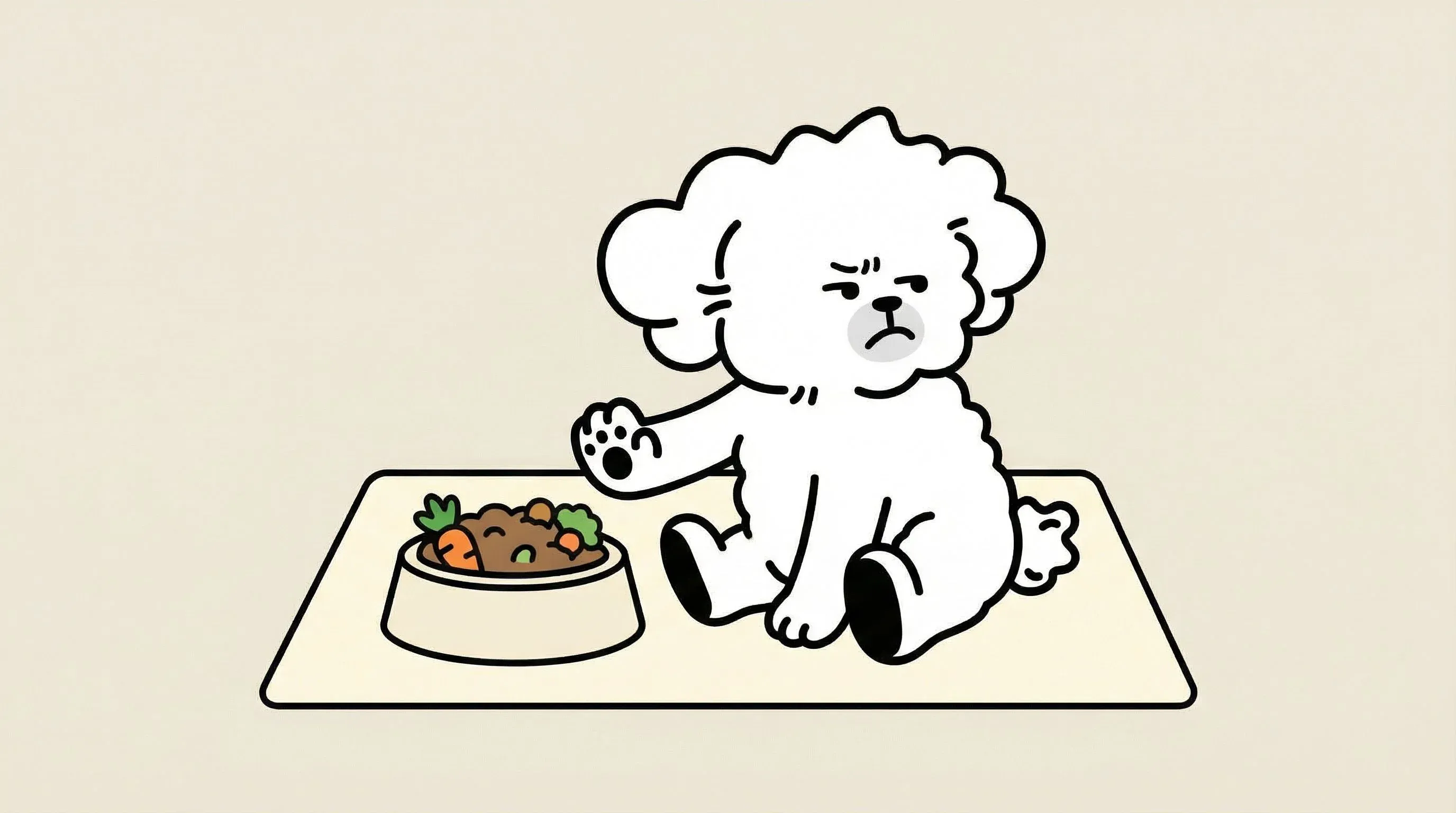
You set down the bowl. Your dog walks over, sniffs it, and walks away. You wait. Nothing. So you add a little something — a few pieces of chicken, maybe a treat on top — and suddenly they eat. Problem solved, right?
Wrong. That moment is the beginning of a cycle that many dog owners unknowingly build over months, until their dog picky eater habits become deeply ingrained and mealtime turns into a daily negotiation.
This guide cuts through the noise. You’ll learn to distinguish true appetite loss from behavioral pickiness, understand the reinforcement mistakes that make it worse, identify the 8 most common root causes, and follow a practical, vet-aligned correction protocol.
Picky Eating vs. Loss of Appetite — Know the Difference First
Before doing anything else, you need to determine which situation you’re actually dealing with. The interventions are different, and confusing the two can delay treatment or make behavior problems worse.
Eats treats but skips kibble: that’s pickiness
If your dog declines their regular food but readily accepts treats, table scraps, or a more palatable alternative, you’re looking at a behavioral picky eater, not a sick dog. Key signs:
- Shows interest in food but walks away from the bowl
- Eats enthusiastically when given something different
- Energy levels, bathroom habits, and behavior are otherwise normal
- Symptoms appear gradually and have been building over weeks or months
This pattern almost always has a learned component. The dog has discovered that refusing the bowl triggers a better offer — and they are correct to keep trying, because it works.
Refuses all food: that’s appetite loss
Genuine appetite loss (anorexia) looks different. A dog experiencing true appetite suppression will often decline everything, including their favorite treats. This is a medical red flag, not a training issue. Watch for:
- Refuses treats, wet food, and high-value foods alike
- Sudden onset, especially in a dog that was previously a good eater
- Accompanied by lethargy, vomiting, diarrhea, or behavioral change
- Weight loss over days, not weeks
If your dog falls into this second category, skip to the “When to Call the Vet” section below. The information in between is primarily for behavioral picky eaters, though the root cause mapping in Section 3 covers medical contributors as well.
3 Common Mistakes That Make Picky Eating Worse
The most well-intentioned owner responses to food refusal are often the ones that entrench the problem. Understanding the reinforcement cycle is essential before attempting any correction.
Offering treats when they skip meals — you’re rewarding refusal
This is the single most common and damaging pattern. When a dog skips their meal and you follow up with treats an hour later, you have just taught them: not eating leads to something better. Dogs are operant learners — they repeat behaviors that produce desirable outcomes.
The fix is not to withhold treats forever, but to decouple treat timing from meal refusal. Treats should be given for training, bonding, or enrichment — never as a consolation for a skipped meal.
Switching foods too often — raising the bar every time
Every time you switch to a new food because your dog refused the last one, you raise their baseline expectation. After three or four switches, you’ve created a dog that holds out because history has shown that persistence leads to novelty. Veterinary nutritionists call this the “rotating food trap.”
According to VCA Animal Hospitals, frequent unsolicited food changes are one of the primary drivers of learned picky eating in otherwise healthy dogs. A dog that has eaten the same high-quality food for years with no medical issues does not need a new food — they need consistent presentation.
Free-feeding — why an always-full bowl kills hunger cues
Free-feeding (leaving food available all day) disrupts the natural hunger-satiation cycle that motivates a dog to eat at mealtimes. A dog that can graze whenever they want never builds the appetite that makes a bowl of kibble compelling.
Structured meal feeding — typically twice daily for adult dogs, with food presented for 15–20 minutes and then removed — is the standard recommendation from veterinary nutritionists. The AKC notes that meal feeding also allows owners to monitor intake closely, which is a critical early warning system for health changes.
8 Real Reasons Your Dog Won’t Eat
Once you’ve identified the behavioral pattern, the next step is mapping the root cause. Most cases fall into one or more of these eight categories.
Food boredom: same kibble, day after day
Some dogs, particularly high-drive and intelligent breeds like Border Collies, Australian Shepherds, and Huskies, genuinely tire of monotonous food. This is more pronounced in dogs whose owners have historically varied their diet — but it can occur in any dog. The fix is not continuous rotation, but strategic, controlled variety (more on this in the solutions section).
Environmental changes: new home, new family member
Dogs are highly context-sensitive animals. A move to a new home, the addition of a new pet or baby, a change in the owner’s work schedule, or even rearranging furniture can suppress appetite temporarily. This typically resolves within 1–2 weeks as the dog acclimates, but can persist if the underlying stressor is ongoing.
Stress and anxiety: separation, noise, routine disruption
Chronic psychological stress is one of the most underdiagnosed causes of appetite suppression in dogs. A dog experiencing separation anxiety may not eat while alone — their owner returns home to full bowls and assumes pickiness, when the dog has actually been in distress all day. Similarly, dogs with noise phobia may stop eating around thunderstorm season or fireworks holidays.
Health issues: dental pain, GI problems, chronic pain
Pain is a powerful appetite suppressant. Dental disease — affecting an estimated 80% of dogs over age three, according to the American Veterinary Dental Society — causes oral pain that makes chewing uncomfortable, leading dogs to avoid hard kibble. GI issues including gastritis, intestinal parasites, and inflammatory bowel disease reduce appetite through nausea and discomfort.
Chronic pain from joint disease, such as arthritis or hip dysplasia, can also manifest as reduced appetite, particularly in senior dogs. An anti-inflammatory diet for dogs may help in these cases, but always rule out the pain source with a vet first.
Spoiled or stale food
Dogs have a significantly more sensitive sense of smell than humans. Food that appears and smells fine to you may be detectably rancid or stale to your dog. Dry kibble exposed to air, light, or humidity degrades faster than most owners realize. AAFCO guidelines note that opened dry food should be stored in an airtight container and used within 6 weeks of opening. If you notice your dog’s eating declining, check the food’s production date and storage conditions before assuming a behavior problem.
Too many treats and table scraps
High-value snacks — especially table scraps — are calorie-dense and intensely flavored. A dog that receives substantial treats throughout the day may simply not be hungry enough at mealtime to be motivated by kibble. Track total daily calories from all sources, including training treats, dental chews, and table scraps. Veterinary nutritionists recommend treats comprise no more than 10% of total daily calories.
Not enough exercise
Physical activity stimulates appetite. Dogs that are under-exercised — particularly high-energy breeds — often show reduced hunger simply because their caloric needs are lower than their food portions assume. Before labeling a dog a picky eater, evaluate whether their activity level matches their breed’s requirements. A Border Collie getting one short walk a day is not a picky eater — they’re an under-exercised dog with appropriate appetite regulation.
Weather and seasonal changes
Many dogs naturally eat less in hot weather as their metabolic needs decrease. This is a normal physiological response, not a behavioral problem. Similarly, some dogs show reduced appetite during spring and fall seasonal transitions. If the reduction is mild, cyclical, and accompanied by no other symptoms, it may not require intervention beyond monitoring.
What Actually Works — Solutions by Root Cause
For food boredom: the 7-day gradual transition method
If you’ve confirmed that your dog is bored with their current food — not sick, not stressed — a controlled food rotation can help. But the transition must be slow enough to avoid GI upset and deliberate enough to prevent the rotating food trap.
7-day gradual transition protocol:
| Day | Current Food | New Food |
|---|---|---|
| 1–2 | 75% | 25% |
| 3–4 | 50% | 50% |
| 5–6 | 25% | 75% |
| 7 | 0% | 100% |
Once established on the new food, stay on it for a minimum of 8–12 weeks before considering another change. If the dog eats well for 3–4 weeks and then stops again, the issue is likely behavioral, not boredom.
For stress-related refusal: stabilize routine first
Before trying any food modification for a stressed dog, address the stressor. For environmental disruptions, give the dog 2–3 weeks to settle before intervening with food strategies. For separation-related refusal, consult the strategies in our dog separation anxiety guide — the food issue will often resolve as the anxiety is managed.
While stabilizing, offer food in a calm, low-traffic area, reduce noise and stimulation at mealtimes, and avoid hovering over the dog while they eat. Some dogs eat poorly when watched because of social anxiety around food.
For behavior-based pickiness: the 15-minute rule
This is the most consistently recommended veterinary approach for dogs that are physically healthy and behaviorally conditioned to be picky.
Implementation:
- Set the bowl down at a consistent time.
- Walk away and do not watch the dog eat.
- After 15 minutes, pick up the bowl — whether the dog ate or not.
- Do not offer treats, alternatives, or any food until the next scheduled meal.
- Repeat at the next meal. Most dogs begin eating within 3–5 days.
This is uncomfortable for owners, but it is both effective and humane. A healthy dog will not allow themselves to starve. The hunger they experience between meals is mild and temporary; the behavioral correction is lasting.
Appetite boosters: warm water, bone broth, food toppers
For dogs that need a gentle nudge — particularly seniors, post-illness recovery, or newly adopted dogs adjusting to a new home — a few evidence-supported appetite enhancers can help without reinforcing picky behavior:
- Warm water: Add a small amount of warm (not hot) water to kibble. Heat releases aroma, making the food more appealing. Simple, calorie-neutral, and effective.
- Plain bone broth: Unsalted, onion-free, garlic-free bone broth poured over kibble is a widely used appetite booster. Look for products labeled as dog-safe, or make your own. A 2–4 tablespoon pour is typically sufficient. If digestive health is a concern, combining this with a probiotic for dogs supports gut microbiome balance during appetite recovery.
- Food toppers: A small amount of plain cooked chicken, unseasoned ground beef, or canned dog food (same brand and protein as dry food where possible) mixed into kibble can restart eating. Use sparingly and taper off over 1–2 weeks.
Breed and Age Matter More Than You Think
Most picky eating advice treats all dogs the same. The reality is that breed characteristics and life stage significantly affect both why a dog refuses food and how to respond.
Why small breeds are pickier eaters
Small breed dogs (under 20 lbs) are statistically overrepresented among picky eaters, and there are physiological reasons beyond owner behavior. Their stomachs are proportionally smaller, their caloric requirements are lower per kilogram of body weight than larger dogs, and they metabolize food more quickly — meaning even small caloric excess from treats can genuinely suppress meal hunger.
Small breed owners are also more likely to give human food and treats as part of their bonding patterns, creating the caloric and preference competition that drives pickiness. For small breeds, portion accuracy is critical: use the feeding guidelines on the food bag as a starting point, but confirm with your vet based on the dog’s ideal body weight, not current weight.
Puppies vs. adult dogs vs. seniors: appetite patterns
Puppies (2–12 months): Healthy puppies are typically voracious eaters. If a puppy won’t eat, take it seriously — rule out illness, parasites, or vaccination reaction. Puppy appetite dips around 4–6 months as growth rate slows, which owners sometimes misread as pickiness. If the puppy eats 2–3 times daily and maintains appropriate growth, a slight appetite decrease at this stage is normal.
Adult dogs (1–7 years): Most picky eating in this group is behavioral and owner-reinforced. Apply the root cause framework above and the 15-minute rule before pursuing medical investigation, unless other symptoms are present.
Senior dogs (7+ years): Reduced appetite in seniors is a critical health signal that deserves veterinary attention. Age-related changes — declining sense of smell, dental deterioration, organ function changes, chronic pain — all suppress appetite in ways that behavioral interventions alone cannot fix. A senior dog nutrition plan should account for these changes, including calorie density adjustments, softer food textures, and targeted supplementation. Do not apply the 15-minute rule to a senior dog that has lost appetite without first consulting your vet.
When to Call the Vet — A Quick Checklist
Knowing when to stop troubleshooting at home and call a veterinarian is one of the most important decisions in managing your dog’s health. Use this checklist as your guide.
Call your vet immediately if any of the following apply:
No food or water for 24+ hours
A dog that refuses both food and water needs veterinary evaluation within 24 hours. Water refusal in particular signals systemic illness, severe nausea, or neurological involvement. Do not wait to see if the dog “comes around.” Dehydration compounds quickly, especially in small breeds, puppies, and seniors.
Vomiting, diarrhea, or rapid weight loss
These symptoms alongside food refusal indicate a medical cause that no behavioral intervention will address. Common culprits include parvovirus, pancreatitis, intestinal obstruction, kidney disease, and Addison’s disease. Rapid weight loss — more than 10% of body weight over 2–4 weeks — is an emergency at any age.
Lethargy or behavioral changes
A dog that has become withdrawn, unusually quiet, reluctant to move, or unresponsive to play and affection alongside food refusal is showing multi-system involvement. Pain, organ disease, and neurological conditions can all present this way. If your dog seems “not right” beyond just not eating, trust that instinct and call your vet.
Additional flags that warrant a vet visit (non-emergency but important):
| Symptom | Timeline |
|---|---|
| Picky eating lasting more than 2 weeks despite behavioral correction | Within 1 week |
| Noticeable weight loss without other symptoms | Within 1 week |
| Sudden food refusal in a previously reliable eater | Within 48 hours |
| Gagging, pawing at mouth, or difficulty chewing | Same day |
| Swollen abdomen | Emergency — call now |
| Pale gums | Emergency — call now |
When you call, be prepared to describe: how long the dog has refused food, what you’ve tried, whether the dog is drinking water, stool consistency, energy level, and any recent changes in household or routine. This information helps your vet prioritize appropriately.
Picky eating rarely resolves on its own — but it almost always responds to consistent, correctly-timed intervention. The core principle is straightforward: remove the reinforcement (better food after refusal), address the root cause, and let hunger do the rest. For the majority of healthy dogs, this takes 3–7 days of mild discomfort to correct months of entrenched habits. The difficulty is not the protocol — it’s staying consistent when your dog gives you the eyes.
For dogs with medical contributors — dental pain, GI imbalance, chronic joint discomfort — treat the underlying issue first, and support recovery with the appetite strategies above. The food bowl is rarely just about food.
FAQ
How long can a dog go without eating before it becomes dangerous?
Why does my dog eat treats but refuse kibble?
Is it okay to add bone broth to my dog's food?
Should I switch dog foods if my dog stops eating their current food?
At what age do dogs become picky eaters?
Related Articles
Does Collagen Really Help Your Dog's Joints? What the Research Says
A balanced, research-backed look at collagen for dogs joints — hydrolyzed vs UC-II types, what clinical trials show, honest limitations, and how to choose wisely.
Anti-Inflammatory Diet for Dogs: 7 Foods That Fight Joint Pain
7 vet-backed anti-inflammatory foods for dogs with EPA/DHA dosage tables, 3 homemade recipes, and a science-based diet transition protocol.
Foods That Clean Dog Teeth Naturally: A Science-Based Guide
Which foods clean dog teeth naturally? Portion guides by weight, breed-specific advice, and a VOHC comparison table.
7 Best Foods for Dog Joint Health (and 3 to Avoid)
The best foods for dog joint health, backed by veterinary research. Salmon, green-lipped mussels, turmeric — plus foods that worsen arthritis.
7 Science-Backed Benefits of Probiotics for Dogs
Science-backed benefits of probiotics for dogs, weight-based dosage chart, natural food sources, and supplement selection criteria — all in one guide.
Dog Joint Supplements: Do They Actually Work? What the Research Says
An honest, evidence-based look at dog joint supplements — ingredient by ingredient. Learn what the research actually shows and how to make an informed decision.
Omega-3 for Dogs Joints: EPA, DHA Benefits and Dosage Guide
Evidence-based guide to omega-3 for dogs joints: how EPA and DHA reduce inflammation, a weight-based dosing chart, and how to choose quality fish oil.
Dog Skin Supplements: Why Most Ingredients Don't Actually Work
A veterinary-grade breakdown of dog skin and coat supplement ingredients — what the research supports, how to read a label, and how to match nutrients to your dog's specific skin condition.
Dog Eye Supplement Guide: What Veterinary Research Says
Which dog eye supplement ingredients are research-backed? Lutein, astaxanthin, and omega-3 explained with dosage guidance and quality verification tips.
How to Help Your Cat Lose Weight: A Vet-Backed Diet Guide
Help your cat lose weight safely with a vet-backed 5-step plan, BCS home check, breed weight tables, RER calorie formula, and multi-cat feeding strategies.
What Should You Feed a Dog with Pancreatitis? A Diet Management Guide
A phase-by-phase guide to pancreatitis diet for dogs: acute fasting protocols, low-fat food selection criteria, safe vs. unsafe ingredient tables, treat alternatives, and long-term management.
Senior Dog Nutrition: An Age-Appropriate Feeding Guide
Senior dog nutrition guide: age-stage feeding changes, food transition protocols, condition-specific diet adjustments, and supplement criteria.
Cat Kidney Disease Diet: Stage-by-Stage CKD Nutrition Guide
Manage your cat's CKD with an IRIS stage-by-stage guide covering phosphorus restriction, protein balance, hydration strategies, and supplements.