 Cirius Petpedia
 How to Help Your Cat Lose Weight: A Vet-Backed Diet Guide
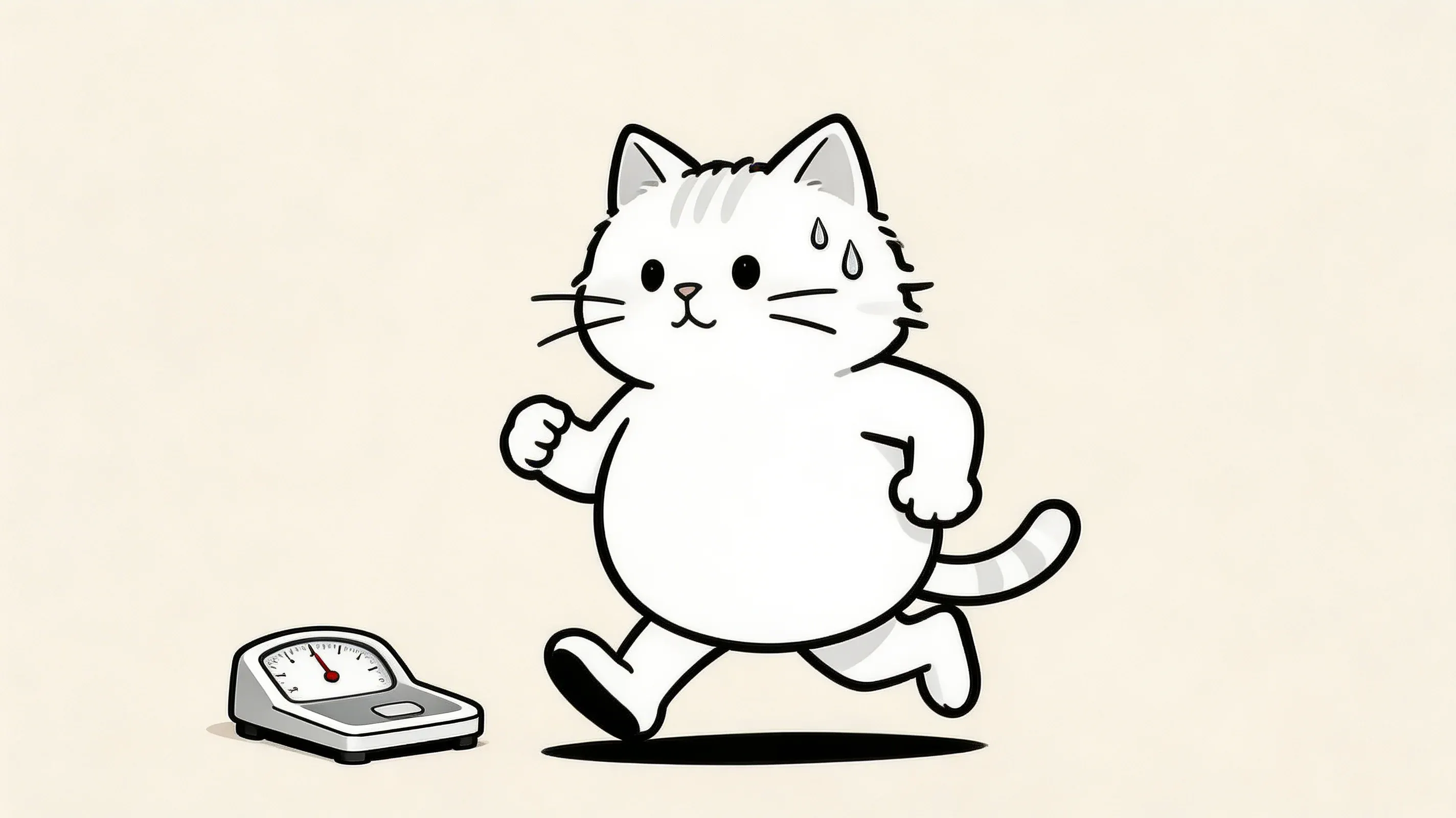
Cat obesity has reached near-epidemic proportions. According to the Association for Pet Obesity Prevention (APOP), approximately 61% of cats in the United States are classified as overweight or obese — yet more than half of their owners describe their weight as “normal.” That gap between perception and reality is where the health risk quietly grows.
Carrying excess body fat shortens a cat’s lifespan and raises the risk of diabetes, urinary blockages, and a dangerous liver condition called hepatic lipidosis. The good news: feline weight loss is achievable with the right approach, the right timeline, and the right calorie math. This guide gives you all three.
Why Cat Obesity Is a Serious Health Risk
Obesity Prevalence: How Common Is It?
The APOP’s 2023 Clinical Survey found that 61% of domestic cats seen at veterinary clinics were overweight or obese — a figure that has climbed steadily over the past decade. Indoor cats are at particularly high risk because reduced movement combines with unrestricted access to food.
What makes this figure especially concerning is that many owners actively underestimate their cat’s weight. In the same survey, 39% of owners with obese cats rated their pet’s weight as “normal.” Without objective tools like a Body Condition Score (BCS), it is easy to mistake rounded fat deposits for a healthy, well-fed cat.
Health Consequences: Diabetes, Urinary Issues, and Hepatic Lipidosis
Excess body fat does not simply add weight — it functions as an active endocrine organ that triggers chronic low-grade inflammation and hormonal disruption. The documented health risks include:
| Condition | How Obesity Contributes |
|---|---|
| Type 2 diabetes mellitus | Fat cells increase insulin resistance; obese cats are 2–4× more likely to develop diabetes. If your cat has already been diagnosed, see our complete guide to feline diabetes symptoms, insulin therapy, and remission. |
| Feline lower urinary tract disease (FLUTD) | Sedentary lifestyle combined with low water intake concentrates urine and promotes crystal formation |
| Hepatic lipidosis (fatty liver disease) | When a cat stops eating — even briefly — stored fat floods the liver; obese cats are far more susceptible |
| Osteoarthritis | Excess load accelerates cartilage breakdown, especially in hip and elbow joints |
| Constipation | Abdominal fat restricts colonic movement and reduced activity slows intestinal motility; see cat constipation causes and remedies |
| Respiratory compromise | Fat deposits around the chest restrict lung expansion, reducing exercise tolerance |
Hepatic lipidosis deserves special attention because it can be triggered accidentally during a diet. If a cat reduces food intake too rapidly — even by 50% for two or three days — fat mobilization overwhelms the liver. The condition can become fatal within days. This is why crash diets are dangerous and the safe rate of weight loss for cats is carefully capped at 1–2% of body weight per week.
Is Your Cat Overweight? How to Check with BCS
Understanding the Body Condition Score (1–9 Scale)
The Body Condition Score (BCS) system, endorsed by the World Small Animal Veterinary Association (WSAVA), rates a cat on a 1–9 scale based on palpable fat and visible body landmarks:
| BCS | Description | Visual Signs |
|---|---|---|
| 1–3 | Underweight | Ribs, spine, and hip bones visible; no fat padding |
| 4–5 | Ideal | Ribs felt easily without pressing; slight waist visible from above; abdominal tuck visible from the side |
| 6–7 | Overweight | Ribs felt with firm pressure; waist barely visible; early abdominal rounding |
| 8–9 | Obese | Ribs not palpable under fat; no waist; large pendulous abdomen; fat deposits on neck and limbs |
A BCS of 6 or higher signals the need for a weight-loss plan. A BCS of 8–9 warrants a vet evaluation before making dietary changes, as the cat may have secondary health conditions.
The 3-Point Home Check: Ribs, Waist, Tummy Tuck
You can do a reliable BCS check at home in under two minutes. Run your hands along your cat’s sides with light pressure:
1. Rib check. Place both thumbs on the spine and spread your fingers along the rib cage. With a healthy-weight cat, you should feel each rib distinctly — like pressing on the back of your hand. If you have to push firmly or cannot feel ribs at all, the cat is carrying too much fat.
2. Waist check. Look down at your cat from directly above. There should be a gentle inward curve behind the rib cage before the hips. No visible waist — or an outward bulge — indicates excess weight.
3. Tummy tuck check. View your cat from the side. The abdomen should gently tuck upward from the rib cage to the hind legs. A belly that hangs down and swings when the cat walks is a clear fat pad.
If your cat fails two or more of these three checks, a structured overweight cat diet plan is warranted.
Breed-Specific Healthy Weight Ranges
Weight alone is not a reliable obesity measure without breed context. A Maine Coon at 10 lbs may actually be underweight, while a Siamese at that same weight is significantly obese.
| Breed | Ideal Weight (Female) | Ideal Weight (Male) | Notes |
|---|---|---|---|
| Maine Coon | 8–12 lbs (3.6–5.4 kg) | 12–18 lbs (5.4–8.2 kg) | Largest domestic breed; males up to 18 lbs is healthy |
| British Shorthair | 7–10 lbs (3.2–4.5 kg) | 9–17 lbs (4.1–7.7 kg) | Naturally stocky; judge by BCS, not weight alone |
| Ragdoll | 8–13 lbs (3.6–5.9 kg) | 12–20 lbs (5.4–9.1 kg) | Large, slow-maturing breed (full size at ~4 years) |
| Siamese | 6–8 lbs (2.7–3.6 kg) | 8–10 lbs (3.6–4.5 kg) | Lean body type; weight above 10 lbs is overweight |
| Persian | 7–10 lbs (3.2–4.5 kg) | 9–13 lbs (4.1–5.9 kg) | Flat face breed prone to obesity-related breathing issues |
| Domestic Shorthair (DSH) | 6–9 lbs (2.7–4.1 kg) | 8–11 lbs (3.6–5.0 kg) | Mixed breed reference range; use BCS as primary tool |
When evaluating an overweight Maine Coon, for example, a vet may need to confirm a healthy weight is 13–14 lbs rather than dismissing the cat as obese based on a standard “normal cat” threshold of 8–10 lbs.
5 Common Causes of Cat Obesity
Overfeeding and Free-Feeding Habits
Free-choice feeding — leaving a bowl full at all times — is the single most common driver of cat obesity. Cats evolved as hunters who eat multiple small meals, not grazers with unlimited access to calorie-dense kibble. A typical dry kibble contains 300–400 kcal per 100 g. An indoor cat may need only 180–250 kcal per day to maintain a healthy weight, which equates to roughly 50–70 g of kibble. Most free-fed cats consume significantly more than this.
Metabolic Changes After Spaying/Neutering
Spaying or neutering reduces a cat’s resting energy expenditure by approximately 20–30%, according to research published in peer-reviewed veterinary nutrition literature. Simultaneously, gonadal hormone changes increase appetite. If owners do not adjust portion sizes at the time of surgery, weight gain often begins within months and continues gradually over years. A post-neuter calorie audit is an often-missed preventive measure.
Indoor Lifestyle and Low Activity
Indoor cats average roughly one-tenth the daily movement of their outdoor counterparts. Without opportunities to hunt, stalk, or patrol territory, they spend the majority of their time sleeping or resting. Low activity reduces daily caloric expenditure while the caloric intake remains the same — a reliable recipe for gradual weight gain.
Treat Overload and Hidden Calories
Commercial cat treats are calorie-dense, and their contribution is often overlooked. A single commercial soft treat can contain 5–10 kcal; giving five or six throughout the day adds 30–60 kcal to the daily total. For a small cat with a daily target of 180 kcal, that represents a 15–30% overage. Owners who give treats alongside full portions are, in effect, feeding one and a half portions each day.
Underlying Medical Conditions
A small subset of overweight cats gain weight primarily because of a medical condition rather than overfeeding. Hypothyroidism (uncommon in cats but documented), hyperadrenocorticism, and some medications — including long-term corticosteroids — can all drive weight gain. If a cat gains weight despite accurate portion control, a full thyroid panel and metabolic screening are warranted before assuming the cause is dietary alone.
5-Step Cat Weight Loss Plan
Step 1: Vet Check-Up and Goal Weight
Before reducing calories, schedule a veterinary appointment for:
- Complete blood panel and urinalysis to rule out diabetes, thyroid disease, and kidney disease
- Baseline body weight and BCS assessment
- Confirmation of a target weight and a realistic timeline
If kidney disease is identified during this workup, standard weight-loss calorie restriction must be modified. Cats with chronic kidney disease (CKD) require a different dietary framework that prioritizes phosphorus control and protein quality over simple calorie reduction.
How to calculate goal weight: If your cat’s BCS is 7/9, they carry approximately 20% excess body fat. A 14 lb (6.4 kg) cat at BCS 7 has an ideal weight of roughly 11–12 lbs (5.0–5.4 kg). Your vet can confirm this using lean body mass estimation formulas. Do not set a goal weight based on average breed tables alone — individual frame size matters.
Step 2: Calculate Daily Calories (RER Formula)
The Resting Energy Requirement (RER) is the caloric baseline for a resting cat, calculated as:
RER (kcal/day) = 70 × (body weight in kg)^0.75
For a 14 lb (6.4 kg) overweight cat:
- RER = 70 × (6.4)^0.75 = 70 × 4.13 ≈ 289 kcal/day
For weight loss, feed 80% of RER calculated at the cat’s current weight, then adjust downward every 2–4 weeks as weight decreases:
- Starting daily calories: 289 × 0.80 ≈ 231 kcal/day
Practical lbs conversion guide:
| Current Weight | RER | Weight-Loss Target (80% RER) |
|---|---|---|
| 10 lbs (4.5 kg) | 218 kcal | 175 kcal |
| 12 lbs (5.4 kg) | 254 kcal | 203 kcal |
| 14 lbs (6.4 kg) | 289 kcal | 231 kcal |
| 16 lbs (7.3 kg) | 322 kcal | 258 kcal |
| 18 lbs (8.2 kg) | 354 kcal | 283 kcal |
Always check the kcal/cup or kcal/can figure on your food packaging — it varies significantly between brands and formulations.
Step 3: Transition Diet and Portion Control
Weeks 1–2: Transition slowly. Mix the new portioned diet with the current food in a 75:25 ratio, shifting to 50:50 in the second week. Abrupt food changes can trigger food aversion and, in an already calorie-restricted cat, can initiate fat mobilization that stresses the liver.
Food selection considerations:
- Wet food has a calorie density of roughly 25–40 kcal per oz (compared to 100–120 kcal per oz for dry food), making accurate portioning easier and satiety higher due to moisture content. For most overweight cats, wet food provides a natural portion advantage.
- High-protein, low-carbohydrate formulas preserve lean muscle mass during weight loss. Protein requirements do not decrease with caloric restriction — muscle wasting during a diet produces false weight-loss results.
- Prescription weight-loss diets (available from your vet) are formulated with elevated fiber and protein to maximize satiety per calorie. They are not required but can simplify calorie management.
Measure every meal. Use a digital kitchen scale, not cups. Kibble density varies, and a “cup” can contain anywhere from 90 to 120 g depending on size and shape.
Step 4: Daily 15-Minute Play Exercise Program
Exercise alone will not produce significant weight loss in cats — the caloric expenditure is too small to offset dietary excess. However, structured daily activity preserves lean muscle mass during calorie restriction, improves metabolic rate, and reduces stress-related food-seeking behavior. Changes in routine or diet can sometimes trigger overgrooming in cats as a stress outlet, so providing adequate enrichment during a diet is worth prioritizing.
Sample daily exercise plan (15 minutes total):
| Session | Activity | Duration | Estimated Calorie Burn |
|---|---|---|---|
| Morning | Wand toy chase (active stalking) | 5 min | 10–15 kcal |
| Afternoon | Puzzle feeder for meal delivery | 5 min | 5–8 kcal |
| Evening | Laser pointer + physical toy finish | 5 min | 10–15 kcal |
Key principles:
- Always end laser pointer sessions with a physical toy the cat can “catch” to avoid frustration
- Rotate toy types weekly — novelty sustains engagement
- Pair feeding time with activity whenever possible (puzzle feeders count as exercise)
Step 5: Weekly Weigh-Ins and Progress Tracking
Weigh your cat at the same time each week — ideally before the first meal of the day. Digital kitchen scales accurate to 0.1 lb (50 g) work well for cats.
Target rate of loss: 1–2% of body weight per week. For a 14 lb cat, that is 0.14–0.28 lbs (60–125 g) per week. Faster loss than this range signals that caloric restriction is too aggressive and increases hepatic lipidosis risk.
Week-by-week milestone guide (example: 14 lb cat targeting 11 lbs):
| Week | Expected Weight | Adjustment |
|---|---|---|
| 0 | 14.0 lbs | Begin plan |
| 4 | ~13.3 lbs | Recalculate RER at new weight |
| 8 | ~12.7 lbs | Recalculate RER; assess BCS |
| 12 | ~12.1 lbs | Vet re-check recommended |
| 20 | ~11.0 lbs | Transition to maintenance calories |
If weight is not decreasing after three consistent weeks, reduce daily calories by 10% and recheck in two weeks. If your cat loses more than 1.5% per week on two consecutive weigh-ins, increase calories by 10%.
Important Precautions During Cat Diets
Why Crash Diets Can Cause Hepatic Lipidosis
Hepatic lipidosis (fatty liver syndrome) is the most serious risk associated with improper cat dieting. When calorie intake drops sharply, the body mobilizes stored fat as an alternative energy source. In cats, this fat transport system becomes overwhelmed quickly, and fat accumulates inside liver cells, impairing liver function. The condition can progress to liver failure within days.
Key rules to prevent hepatic lipidosis:
- Never reduce a cat’s daily calories by more than 20% in a single step
- Never allow a cat to go more than 24–36 hours without eating
- If your cat refuses the new diet for more than two consecutive days, return to the previous food and consult your vet
- Monitor for warning signs: vomiting, jaundice (yellow tinge to gums or whites of eyes), lethargy, or drooling. If vomiting occurs, the cat vomiting causes and color chart explains urgency ratings by vomit color and when to escalate to emergency care
A cat that stops eating entirely — for any reason, including stress, illness, or food aversion — needs veterinary attention within 24 hours, not 48–72 hours.
Feeding Strategies for Multi-Cat Households
Managing an overweight cat diet plan when you have multiple cats requires deliberate feeding management. Supervised free access almost always means the overweight cat eats the other cats’ portions too.
Practical strategies:
- Timed, separated meals: Feed cats in separate rooms for the full duration of the diet. This is the most reliable method.
- Microchip-activated feeders: These feeders open only for the registered microchip. A single feeder assigned to each cat gives complete portion control without permanent room separation. Multiple brands are available at mainstream pet retailers.
- Elevated feeding stations: Some cats will not or cannot jump onto elevated surfaces. A healthy-weight cat can eat on a raised counter while the overweight cat eats at floor level — though this requires a cat who genuinely cannot jump.
- Feeding schedule synchronization: Feed all cats simultaneously in separate locations, then pick up all bowls after 20–30 minutes. No food remains available between meals.
Diet-related stress can sometimes manifest as behavioral changes, including increased hiding, aggression, or changes in litter box habits. If behavioral signs of stress appear during the diet transition, the article on cat stress relief and home care strategies provides specific techniques for reducing dietary adjustment stress.
Dealing with Weight Loss Plateaus
A plateau — defined as fewer than 0.5% body weight loss over three consecutive weeks — is common and does not mean the diet has failed. The most frequent causes are:
Caloric creep. Treats, table scraps, or poorly measured portions have gradually increased daily intake above the calculated target. Audit every calorie source, including toppers, pill pockets, and flavored medications.
Metabolic adaptation. As body weight decreases, RER decreases too. The calorie target calculated at 14 lbs is too high for a cat now at 12.5 lbs. Recalculate RER every 4 weeks using the cat’s current weight.
Multiple-cat poaching. One cat may be accessing another’s food. Observe feeding for several days to confirm separation is working.
Underlying medical factors. If caloric intake is confirmed accurate and a plateau persists beyond 4–6 weeks, a vet visit to reassess thyroid function and metabolic health is warranted.
Obesity in cats is closely linked to joint degeneration — excess weight compresses cartilage and accelerates the inflammation cycle. If your cat shows signs of reduced jumping ability, reluctance to use stairs, or changes in gait alongside weight problems, the article on cat arthritis symptoms and early warning signs describes what to watch for and when to seek evaluation. If you are considering joint supplements alongside weight management, the guide to cat joint supplement ingredients covers which ingredients have the best evidence for feline use and how to read supplement labels.
References
FAQ
Is wet food or dry food better for an overweight cat?
How long does it take a cat to lose 2 lbs (about 1 kg)?
Is 5 kg (11 lbs) too heavy for a cat?
My cat keeps begging for food. How do I handle this?
Can I put my cat on a diet without going to the vet first?
Related Articles

Veterinary Guide to Cat Overgrooming: Causes, Treatment, and When to Worry
Cat overgrooming causes range from allergies to anxiety. This vet-backed guide covers diagnosis, body-area mapping, treatment options, and when to see a doctor.

7 Proven Ways to Relieve Your Cat's Stress at Home
Learn the signs of stress in cats, what triggers it, and 7 science-backed methods for cat stress relief you can start at home today.
7 Silent Signs of Cat Arthritis Most Owners Miss
Cat arthritis symptoms are easy to miss because cats hide pain instinctively. Learn the 7 behavioral signs, how vets diagnose feline joint disease, and what you can do at home.