 Cirius Petpedia
 Dog Immune-Boosting Foods: Science-Backed Nutrition and Supplement Guide
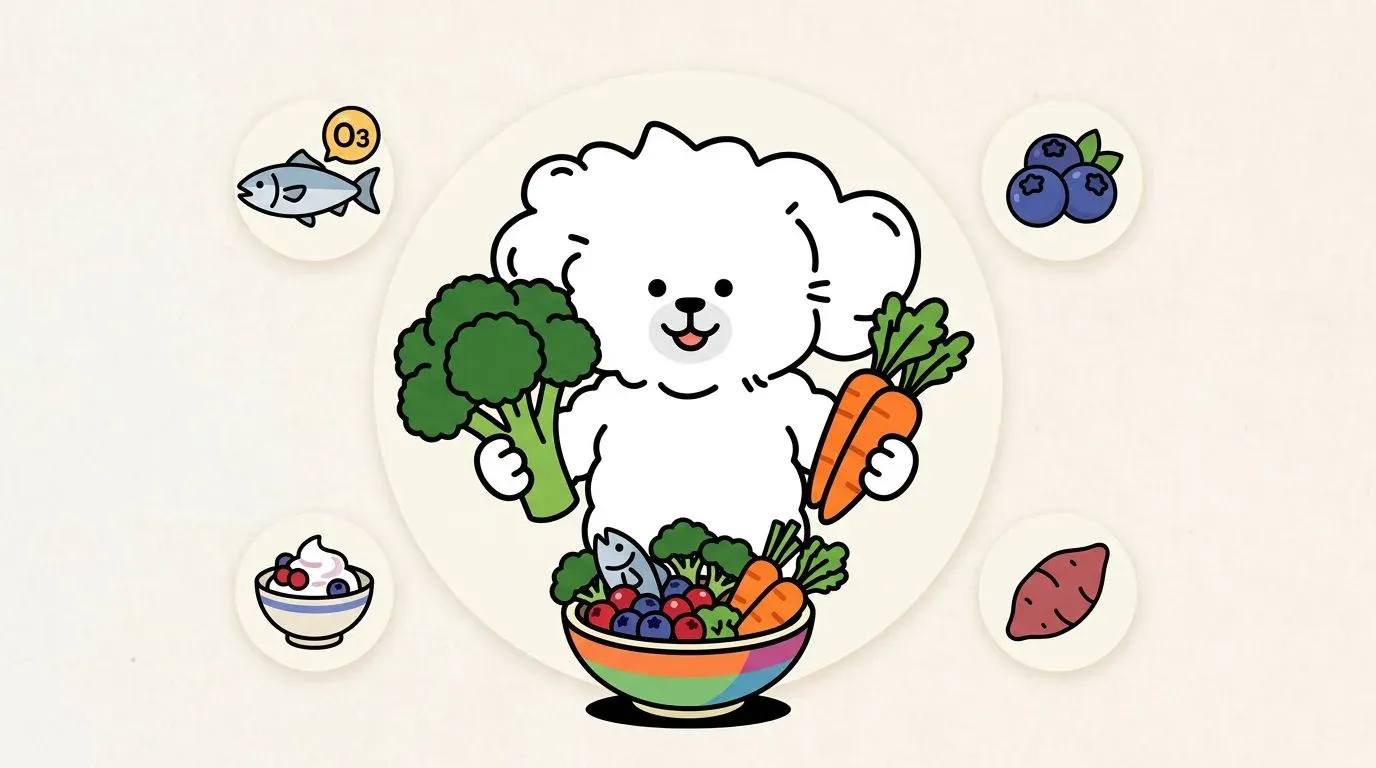
If you’ve searched for ways to support your dog’s immune system, you’ve likely found two extremes: academic papers dense with immunology terminology, or commercial sites pushing specific supplement products. Neither is particularly useful when you just want to know which foods actually help — and why.
This guide bridges that gap. It explains how a dog’s immune system works at a level that’s practical rather than theoretical, identifies specific nutrients with the strongest research support, and gives you concrete feeding guidance — including serving sizes and age-specific considerations — without recommending any specific brand.
How Your Dog’s Immune System Works
Understanding the basics of canine immunity makes it much easier to evaluate which nutritional claims are legitimate and which are marketing language.
Innate vs. Adaptive Immunity
Dogs have two interlocking lines of defense. The innate immune system responds immediately to any perceived threat — bacteria, viruses, parasites, or damaged tissue. It does not require prior exposure to function. Neutrophils, macrophages, and natural killer cells are the primary soldiers here, and they respond within minutes to hours.
The adaptive immune system is more targeted and develops over time. When the innate system encounters a pathogen, it triggers specialized cells — T-lymphocytes and B-lymphocytes — to mount a precise response and create immunological memory. This is the mechanism behind vaccination: training the adaptive system to recognize a pathogen before it causes serious illness.
Nutrition affects both arms of this system. Deficiencies in key vitamins and minerals impair macrophage function, reduce antibody production, and slow the resolution of inflammation. Conversely, adequate nutrition supports a calibrated response — strong enough to clear threats, controlled enough to avoid collateral tissue damage.
The Gut-Immunity Connection: 70% of Immune Cells Live in the Gut
One of the most important — and least intuitive — facts about canine immunity is where most immune tissue is actually located. Approximately 70 percent of a dog’s immune cells reside in the gastrointestinal tract, in a network of specialized lymphoid tissue called GALT (gut-associated lymphoid tissue). Structures within GALT called Peyer’s patches continuously sample gut contents, training immune cells to distinguish between harmless substances (food proteins, beneficial bacteria) and genuine threats.
This is why gut health and immune health are inseparable. A disrupted gut microbiome — too many harmful bacteria, too few beneficial ones — impairs the immune cells that live there. Chronic intestinal inflammation, poor nutrient absorption, and degraded gut barrier integrity all have downstream consequences for systemic immunity. For a deeper look at how to support the gut specifically, the guide on dog gut health and probiotics covers the microbiome’s role in immune calibration and practical probiotic selection.
Why Your Dog’s Immunity May Be Compromised
Even dogs on good diets can experience periods of reduced immune function. Understanding the underlying causes helps you target nutritional support more effectively.
Age-Related Immune Decline
The immune system ages alongside the rest of the body. This process — called immunosenescence — is well-documented in veterinary literature and begins earlier in dogs than in humans, particularly in large and giant breeds. By the time a dog is considered “senior” (roughly 7 years for large breeds, 10–11 years for small breeds), several measurable immune changes have typically occurred:
- Reduced production of new T-lymphocytes from the thymus
- Slower antibody response to novel pathogens
- Increased baseline levels of pro-inflammatory cytokines (a state called “inflammaging”)
- Decreased activity of natural killer cells
These changes explain why senior dogs get sick more easily, recover more slowly, and are more vulnerable to infections that would be inconsequential in a younger animal. Nutritional support — particularly antioxidants, omega-3 fatty acids, and targeted supplements — can partially compensate for these age-related shifts without reversing them entirely. The senior dog nutrition guide covers age-stage dietary adjustments in detail.
Stress, Poor Nutrition, and Seasonal Factors
Chronic physiological stress is one of the most consistent suppressors of immune function in dogs. The stress hormone cortisol directly inhibits several immune pathways, including the production of secretory IgA (a key mucosal antibody) and the proliferation of lymphocytes. Extended periods of stress — from kennel stays, household changes, chronic pain, or inadequate enrichment — measurably reduce immune competence.
Poor nutrition operates through similar mechanisms. Complete and balanced commercial diets formulated to AAFCO (Association of American Feed Control Officials) or NRC (National Research Council) standards meet baseline nutrient requirements for healthy dogs, but may not provide optimal amounts of immune-supporting micronutrients, particularly for senior dogs with reduced absorption efficiency.
Seasonal factors also matter: during winter months, reduced sun exposure means lower endogenous vitamin D production (though dogs synthesize vitamin D primarily through diet rather than sun, unlike humans), and cold/dry air can stress respiratory mucosal barriers. Spring and fall allergy seasons place additional burden on the immune system in atopy-prone dogs.
Key Nutrients That Support Canine Immunity
Research in veterinary nutrition has identified several nutrients with clear, mechanism-supported roles in immune function. The following are the most evidence-backed.
Antioxidant Vitamins: C, E, and Beta-Carotene
Free radicals (reactive oxygen species) are a byproduct of normal metabolism and immune cell activity. When free radical production exceeds the body’s antioxidant defenses, the resulting oxidative stress damages cell membranes, proteins, and DNA — and impairs immune cell function.
Vitamin E (alpha-tocopherol) is the primary fat-soluble antioxidant in cell membranes and is directly involved in T-lymphocyte proliferation. A study published in the Journal of Nutrition (2002) demonstrated that dogs supplemented with additional vitamin E showed improved lymphocyte responses and higher antibody titers following vaccination — particularly significant for senior dogs, whose baseline vitamin E status tends to be lower.
Beta-carotene, the precursor to vitamin A found in orange and yellow vegetables, supports mucosal immunity — the physical barriers of the respiratory, digestive, and urinary tracts that prevent pathogen entry. Dogs convert beta-carotene to vitamin A less efficiently than humans, making dietary sources important.
Vitamin C is synthesized by dogs (unlike humans), but research suggests that synthesis may be insufficient during periods of high physiological demand — illness, surgery, chronic stress, or old age. Some veterinary nutritionists recommend additional dietary vitamin C for senior dogs and those under stress.
Omega-3 Fatty Acids and Inflammation Control
Chronic low-grade inflammation is both a consequence and a driver of compromised immunity. Omega-3 fatty acids — specifically EPA (eicosapentaenoic acid) and DHA (docosahexaenoic acid) from marine sources — are precursors to anti-inflammatory signaling molecules called resolvins and protectins.
These compounds actively resolve inflammation rather than simply blocking it (as NSAIDs do), allowing the immune system to complete its work and return to baseline. This distinction is clinically important: immune cells need some inflammatory signaling to function, so excessive anti-inflammatory intervention can actually impair the immune response.
EPA and DHA are also incorporated into immune cell membranes, improving the fluidity and receptor function that allows immune cells to detect and respond to pathogens. Marine sources (fatty fish, fish oil) provide preformed EPA and DHA; plant-based ALA (found in flaxseed) must be converted by the body, and dogs do this conversion very inefficiently. The dedicated guide on omega-3 benefits and dosage for dogs includes a weight-based EPA/DHA dosage chart.
Probiotics and Gut Immune Health
Because GALT houses the majority of immune cells, the microbial environment of the gut has direct consequences for immune calibration. Beneficial bacteria — particularly Lactobacillus and Bifidobacterium species — train gut immune cells to respond appropriately, stimulate secretory IgA production, and compete against pathogenic organisms at the intestinal surface.
Research from veterinary immunology has shown that dogs supplemented with Enterococcus faecium SF68 produced significantly higher levels of secretory IgA and showed improved immune responses after vaccination. Bifidobacterium animalis AHC7 has demonstrated effectiveness in shortening acute diarrhea episodes, suggesting beneficial effects on mucosal immunity.
Natural probiotic sources accessible to Western pet owners include plain unsweetened yogurt (with live cultures), kefir, and fermented vegetables. These can complement commercial probiotic supplements but provide lower, less consistent CFU counts.
Beta-Glucans: Activating Immune Cells
Beta-glucans are polysaccharide fibers derived primarily from yeast cell walls (particularly Saccharomyces cerevisiae) and oats. They are among the most studied natural immunomodulators in veterinary medicine.
Beta-glucans bind to receptors on macrophages and neutrophils called Dectin-1 and CR3, activating these cells without triggering a full inflammatory response — a property described as “priming” the innate immune system. Research published in Research in Veterinary Science (2007) showed that dogs supplemented with beta-glucans exhibited enhanced macrophage activity and improved resistance to experimental infection.
Unlike some other immune-support compounds, beta-glucans appear to modulate rather than simply stimulate the immune system, which may make them particularly appropriate for dogs with overactive immune responses (such as those prone to allergies). For dogs whose immune overreaction manifests as skin allergies, the dog skin allergies guide covers the distinction between allergic and normal immune responses.
Immune-Boosting Foods You Can Feed Your Dog
The following whole foods contain meaningful concentrations of the nutrients discussed above. They are generally safe for dogs when introduced gradually and served in appropriate amounts. Quantities are guidelines — always account for these additions in your dog’s total daily caloric intake.
Fruits: Blueberries, Apples, Pumpkin
Blueberries are among the most antioxidant-dense foods accessible to dog owners. They contain anthocyanins, quercetin, and vitamin C — compounds that collectively support antioxidant defenses and modulate inflammatory signaling. Research in human medicine has shown blueberries can reduce oxidative stress markers after exercise; similar mechanisms apply in dogs.
Apples (without seeds or core) provide quercetin — a flavonoid with documented anti-inflammatory and antiviral properties — as well as soluble pectin fiber that feeds beneficial gut bacteria. Remove seeds and the core before serving; apple seeds contain amygdalin, which can release small amounts of cyanide.
Pumpkin (plain, not pie filling) is rich in beta-carotene and soluble fiber. The fiber feeds beneficial gut bacteria and supports the gut barrier, while beta-carotene supports mucosal immunity.
| Food | Key Nutrients | Serving (by dog weight) | Preparation |
|---|---|---|---|
| Blueberries | Anthocyanins, vitamin C | Under 10 lbs: 1–2 berries; 10–30 lbs: 3–5 berries; 30–60 lbs: 6–10 berries; 60+ lbs: 10–15 berries | Fresh or frozen, whole or mashed |
| Apple | Quercetin, pectin | 1–2 thin slices, all sizes | Remove seeds and core; raw or steamed |
| Pumpkin | Beta-carotene, fiber | Under 10 lbs: 1 tsp; 10–30 lbs: 2 tsp; 30–60 lbs: 1 tbsp; 60+ lbs: 2 tbsp | Plain canned or cooked fresh |
Proteins: Salmon, Sardines, Eggs
Salmon is one of the most effective whole-food sources of preformed EPA and DHA available to dog owners. A 3-oz serving of cooked salmon (no seasoning, no garlic or onion) contains approximately 1.5–2.5 g of combined EPA+DHA, which may meet or exceed daily therapeutic needs for small-to-medium dogs. It also provides selenium, a trace mineral critical to immune enzyme function. Always serve cooked — raw salmon in the Pacific Northwest can carry Neorickettsia helminthoeca, which causes salmon poisoning disease.
Sardines packed in water (not brine, not oil with added seasonings) are a cost-effective alternative to salmon. They provide similar omega-3 levels and are also rich in coenzyme Q10, which supports cellular energy production in immune cells.
Eggs provide complete protein, vitamin D (one of the few significant dietary sources for dogs), vitamin B12, and selenium. Hard-boiled or scrambled (no butter or seasoning) eggs are easy to serve and well-tolerated by most dogs. Raw egg whites contain avidin, which blocks biotin absorption — cooking eliminates this concern.
| Food | Key Nutrients | Serving (by dog weight) | Preparation |
|---|---|---|---|
| Salmon | EPA, DHA, selenium | Under 10 lbs: 1 oz; 10–30 lbs: 1–2 oz; 30–60 lbs: 2–3 oz; 60+ lbs: 3–4 oz | Cooked, plain; 2–3x per week |
| Sardines | EPA, DHA, CoQ10 | Under 10 lbs: ¼ sardine; 10–30 lbs: ½ sardine; 30–60 lbs: 1 sardine; 60+ lbs: 1–2 sardines | Water-packed, no seasonings; 2x per week |
| Egg | Vitamin D, protein, selenium | Under 10 lbs: ¼ egg; 10–30 lbs: ½ egg; 30–60 lbs: 1 egg; 60+ lbs: 1–2 eggs | Hard-boiled or scrambled, plain |
Vegetables: Broccoli, Sweet Potato, Spinach
Broccoli contains sulforaphane, a compound that activates the Nrf2 pathway — a cellular antioxidant defense system — and indole-3-carbinol, which supports immune cell differentiation. It also provides vitamin C and chromium. Serve lightly steamed (cooking reduces gas-causing compounds); raw broccoli in large quantities can cause digestive upset. Limit to no more than 10% of total food intake, as the isothiocyanates in broccoli can irritate the gastric lining in excess.
Sweet potato is an excellent source of beta-carotene and provides manganese, which is a cofactor for several antioxidant enzymes. The complex carbohydrates in sweet potato also serve as prebiotic fiber for beneficial gut bacteria. Serve cooked and plain — no sweeteners, butter, or spices.
Spinach provides vitamin K, folate, iron, and a range of antioxidant flavonoids. It also contains oxalates, which bind calcium and can theoretically contribute to mineral imbalances or urinary crystals in predisposed dogs when given in large quantities. Offer in small amounts — a few leaves as a food topper — rather than as a primary ingredient. Dogs with a history of kidney stones or urinary issues should avoid spinach.
| Food | Key Nutrients | Serving (by dog weight) | Preparation |
|---|---|---|---|
| Broccoli | Sulforaphane, vitamin C | Under 10 lbs: 1–2 florets; 10–30 lbs: 2–3 florets; 30–60 lbs: 3–5 florets; 60+ lbs: 5–7 florets | Lightly steamed, no seasonings; max 10% of diet |
| Sweet potato | Beta-carotene, prebiotic fiber | Under 10 lbs: 1 tsp; 10–30 lbs: 1–2 tsp; 30–60 lbs: 1 tbsp; 60+ lbs: 2 tbsp | Cooked and plain |
| Spinach | Antioxidant flavonoids, folate | All sizes: 1–3 leaves | Raw or lightly steamed; avoid for dogs with urinary issues |
How to Choose Immune Support Supplements
The supplement market for pets is largely unregulated compared to pharmaceuticals. Claims can be made without clinical proof, and label contents don’t always match actual contents. The following criteria help identify products worth the investment.
Reading the Label: What to Look For
Standardized extracts over generic ingredients. A label listing “blueberry extract” tells you little; a label specifying “blueberry extract standardized to 25% anthocyanins” tells you the product was manufactured to contain a defined, measurable amount of the active compound.
NASC Quality Seal. The National Animal Supplement Council’s quality seal program requires member companies to conduct ongoing quality audits, maintain adverse event reporting systems, and comply with product label guidelines. It is not equivalent to FDA approval but provides substantially more accountability than no certification. When evaluating any supplement, the NASC website allows you to verify a company’s current membership and compliance status.
Third-party testing claims. Look for mention of independent lab testing — NSF, USP, or named third-party laboratories. Be cautious of vague claims like “quality tested” without specifying by whom.
GMP (Good Manufacturing Practice) certification. Confirms that the manufacturing facility follows standardized protocols for ingredient handling, testing, and documentation.
Transparent dosing. The label should state the exact amount of each active ingredient per serving, not just list them in a “proprietary blend.”
Age-Specific Nutrient Combinations
Immune nutritional needs vary meaningfully across life stages:
Puppies (under 1 year): The immune system is still developing and gaining experience with environmental antigens. Probiotic support during this period — particularly around vaccination schedules — may help calibrate immune responses. Avoid high-dose antioxidant supplementation, as some oxidative signaling is necessary for normal development.
Adult dogs (1–7 years for large breeds, 1–10 years for small breeds): Baseline nutritional needs are met by a complete and balanced diet in most cases. Targeted supplementation is warranted mainly during stress, illness recovery, or antibiotic courses. Omega-3 supplementation is broadly beneficial regardless of age.
Senior dogs: This is where nutritional immune support has the strongest evidence base. Key targets:
- Vitamin E: supports declining T-lymphocyte function
- EPA/DHA: counteracts increased baseline inflammation (inflammaging)
- Probiotics: compensates for reduced Lactobacillus and Bifidobacterium populations
- Beta-glucans: primes innate immunity without overstimulating an already-stressed system
- Antioxidant combinations (vitamin E + C + beta-carotene) have shown additive effects in several canine aging studies
For a complete picture of how nutritional needs shift in older dogs, the senior dog diet guide addresses protein requirements, digestibility changes, and common deficiencies by breed size.
When to Consult Your Vet
Immune support supplements are generally well-tolerated, but veterinary guidance is warranted in several situations:
- Before starting any supplement for a senior dog on medication — drug-nutrient interactions are more common than most owners realize. Fish oil, for example, has mild anticoagulant effects that can interact with NSAIDs or other blood-thinning drugs.
- If your dog has a diagnosed immune-mediated condition (IMHA, IMTP, immune-mediated polyarthritis, lupus) — in these cases, immune “stimulation” can be genuinely harmful, and only a veterinarian can advise which supplements are appropriate.
- If immune-related symptoms don’t improve after 8–12 weeks of dietary changes — this may indicate an underlying condition requiring diagnosis rather than nutritional management.
Common Myths About Dog Immune Foods
The internet is well-stocked with immune support recommendations for dogs that range from unproven to actively dangerous.
Human Superfoods That Are Dangerous for Dogs
Several foods with genuine immune-supporting properties in humans are toxic to dogs and must never be offered:
Garlic and onions (including leeks, shallots, and chives): All members of the Allium family contain thiosulfates that damage red blood cells, causing hemolytic anemia. Garlic is significantly more concentrated in these compounds than onions — as little as one clove can be harmful to a small dog. The fact that garlic appears in some older dog food recipes does not make it safe; these formulations predate current toxicology understanding.
Grapes and raisins: The mechanism of grape toxicity in dogs is still not fully characterized, but even small amounts can cause acute kidney failure in some dogs. There is no established safe dose. Raisins — concentrated by drying — carry even higher risk per gram than fresh grapes.
Avocado: Contains persin, which causes vomiting, diarrhea, and potentially myocardial damage in dogs. The flesh is lower in persin than the skin and pit, but avocado should not be offered as an immune food despite its popularity in human health content.
Macadamia nuts: Cause weakness, hyperthermia, vomiting, and tremors in dogs. The mechanism is unknown. Even small quantities are sufficient to cause clinical signs.
More Is Not Better: The Risk of Over-Supplementation
The same logic that suggests a nutrient is beneficial at adequate levels can mislead dog owners into providing excessive amounts. Fat-soluble vitamins — vitamin A, D, E, and K — accumulate in the body and can reach toxic concentrations with chronic over-supplementation.
Vitamin D toxicity is particularly serious and increasingly common as more dog owners add vitamin D supplements to already-fortified commercial diets. Signs of vitamin D toxicity include excessive thirst, vomiting, loss of appetite, and in severe cases, calcification of soft tissues and kidney failure.
Vitamin A toxicity (hypervitaminosis A) causes bone pain, abnormal bone growths, and liver damage with chronic excess. Commercial diets already provide adequate vitamin A — supplementation is rarely warranted unless specifically recommended by a veterinarian.
For omega-3 fatty acids, very high doses can impair platelet function and delay wound healing. The therapeutic range for EPA+DHA is well-defined: approximately 20–55 mg per kilogram of body weight for daily supplementation in healthy dogs. Staying within this range provides anti-inflammatory benefits without the risks associated with mega-doses.
The principle for immune nutrition, as across veterinary nutrition generally, is sufficiency rather than excess. The goal is to meet and somewhat optimize nutrient levels — not to flood the system with immune-stimulating compounds. Supporting the diet with the anti-inflammatory nutrition approach that addresses chronic inflammation through food rather than supplementation alone often produces better long-term outcomes.
A dog’s immune resilience is built over time through consistent, appropriate nutrition — not through any single superfood or supplement. The practical takeaway from the research is straightforward: a complete diet, rich in marine-source omega-3s, supplemented with specific antioxidants and probiotics appropriate for your dog’s life stage, and free from toxic “superfoods,” provides meaningful and sustainable immune support. For senior dogs especially, targeted adjustments to this nutritional foundation can measurably slow the immune decline that comes with age.
FAQ
What are the signs that my dog has a weak immune system?
How often should I feed my dog immune-boosting foods?
Are supplements better than whole foods for dog immunity?
Is it safe to give my senior dog immune support supplements?
Can I give my dog the same immune supplements I take myself?
Related Articles
Does Collagen Really Help Your Dog's Joints? What the Research Says
A balanced, research-backed look at collagen for dogs joints — hydrolyzed vs UC-II types, what clinical trials show, honest limitations, and how to choose wisely.
Anti-Inflammatory Diet for Dogs: 7 Foods That Fight Joint Pain
7 vet-backed anti-inflammatory foods for dogs with EPA/DHA dosage tables, 3 homemade recipes, and a science-based diet transition protocol.
Foods That Clean Dog Teeth Naturally: A Science-Based Guide
Which foods clean dog teeth naturally? Portion guides by weight, breed-specific advice, and a VOHC comparison table.
7 Best Foods for Dog Joint Health (and 3 to Avoid)
The best foods for dog joint health, backed by veterinary research. Salmon, green-lipped mussels, turmeric — plus foods that worsen arthritis.
7 Science-Backed Benefits of Probiotics for Dogs
Science-backed benefits of probiotics for dogs, weight-based dosage chart, natural food sources, and supplement selection criteria — all in one guide.
Dog Joint Supplements: Do They Actually Work? What the Research Says
An honest, evidence-based look at dog joint supplements — ingredient by ingredient. Learn what the research actually shows and how to make an informed decision.
Omega-3 for Dogs Joints: EPA, DHA Benefits and Dosage Guide
Evidence-based guide to omega-3 for dogs joints: how EPA and DHA reduce inflammation, a weight-based dosing chart, and how to choose quality fish oil.
Dog Skin Supplements: Why Most Ingredients Don't Actually Work
A veterinary-grade breakdown of dog skin and coat supplement ingredients — what the research supports, how to read a label, and how to match nutrients to your dog's specific skin condition.
Dog Eye Supplement Guide: What Veterinary Research Says
Which dog eye supplement ingredients are research-backed? Lutein, astaxanthin, and omega-3 explained with dosage guidance and quality verification tips.
How to Help Your Cat Lose Weight: A Vet-Backed Diet Guide
Help your cat lose weight safely with a vet-backed 5-step plan, BCS home check, breed weight tables, RER calorie formula, and multi-cat feeding strategies.
What Should You Feed a Dog with Pancreatitis? A Diet Management Guide
A phase-by-phase guide to pancreatitis diet for dogs: acute fasting protocols, low-fat food selection criteria, safe vs. unsafe ingredient tables, treat alternatives, and long-term management.
Senior Dog Nutrition: An Age-Appropriate Feeding Guide
Senior dog nutrition guide: age-stage feeding changes, food transition protocols, condition-specific diet adjustments, and supplement criteria.
Cat Kidney Disease Diet: Stage-by-Stage CKD Nutrition Guide
Manage your cat's CKD with an IRIS stage-by-stage guide covering phosphorus restriction, protein balance, hydration strategies, and supplements.
Picky Dog? These Common Mistakes Are Making It Worse
Is your dog a picky eater? Discover why common owner responses backfire, 8 real reasons behind food refusal, and a vet-backed 7-day correction protocol.
6 Key Cat Joint Supplement Ingredients: Vet-Informed Guide
Not all cat joint supplements are equal. Compare glucosamine forms, GLM oil vs. powder, and omega-3s — with a breed and age timing guide for senior cats.
How to Get Your Cat to Drink More Water: 7 Proven Methods + Dehydration Checklist
Cat not drinking enough water? Learn the daily intake formula by weight, a 5-step home dehydration check, and 7 evidence-based methods to increase your cat's hydration.
5 Homemade Dog Treat Recipes: Joint, Skin & Digestive Health
5 homemade dog treat recipes for joint, skin & coat, and digestive health. Safe ingredient checklist, storage guide, and serving amounts by dog weight.