 Cirius Petpedia
 Kennel Cough in Dogs: Symptoms, Treatment, and Prevention Explained
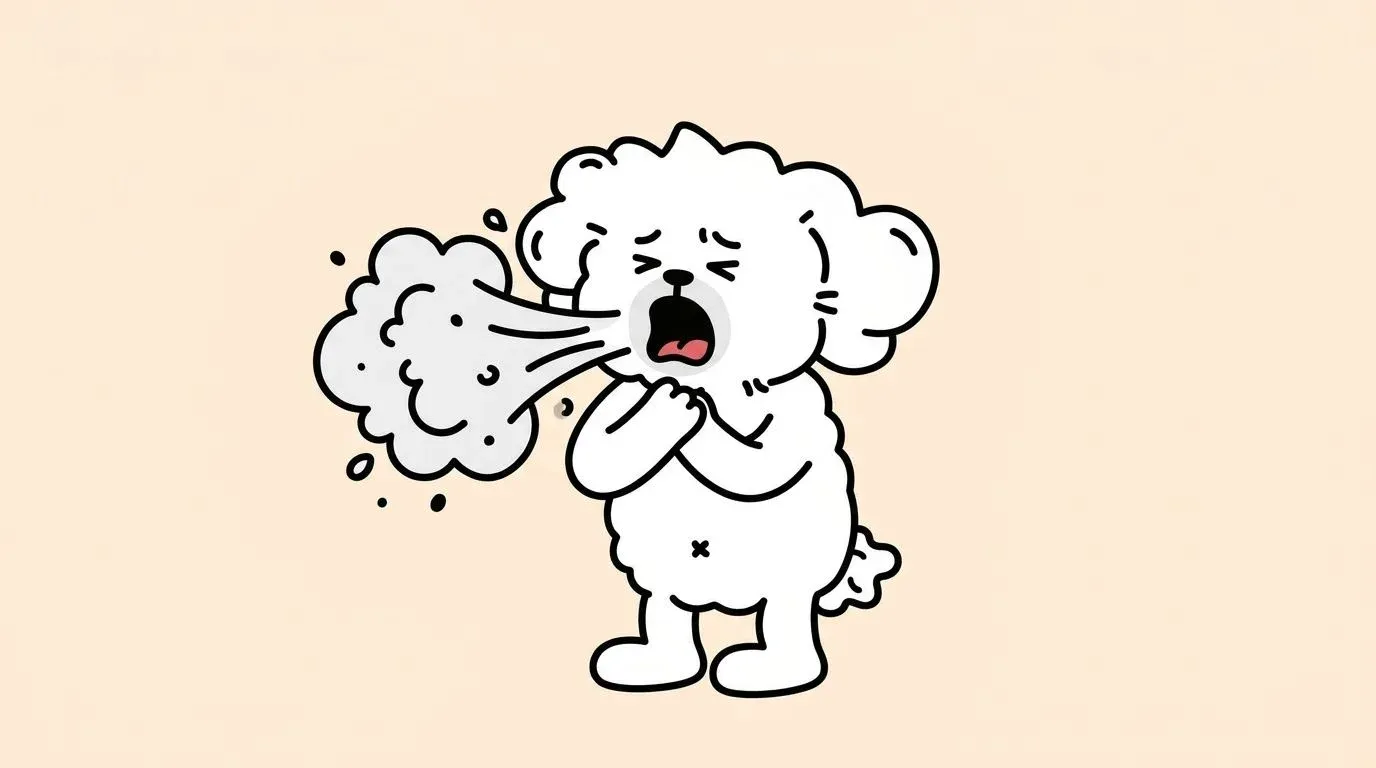
That sudden, forceful honk coming from your dog — the one that sounds almost like a goose — is one of the most recognizable sounds in veterinary medicine. If your dog just came back from boarding, doggy daycare, a grooming appointment, or a dog park, kennel cough is the first diagnosis to consider.
Despite its straightforward reputation, kennel cough is frequently confused with other serious conditions, and not every cough that sounds like kennel cough actually is. Understanding what you are dealing with — and what you are not — is the difference between appropriate home monitoring and a delayed diagnosis of tracheal collapse or heart disease.
This guide covers what kennel cough in dogs actually is, how to recognize it, how to distinguish it from other cough conditions, how treatment and recovery work, and what vaccination and environmental management strategies genuinely protect your dog.
What Is Kennel Cough?
Infectious Tracheobronchitis: A Medical Overview
The clinical term for kennel cough is infectious tracheobronchitis — an inflammation of the trachea (windpipe) and bronchi caused by infection. Unlike many diseases with a single causative agent, kennel cough is typically the result of multiple viruses and bacteria acting together, which is why the broader medical term is CIRDC (Canine Infectious Respiratory Disease Complex), as defined in the Merck Veterinary Manual.
The “kennel” in the name reflects the epidemiology: the disease spreads rapidly wherever dogs congregate in close quarters. Transmission occurs through respiratory droplets released during coughing and sneezing, through direct nose-to-nose contact, and via contaminated surfaces such as shared water bowls, toys, and kennel floors. Indoor environments with poor ventilation amplify the risk considerably.
The incubation period — the time from exposure to the appearance of symptoms — is typically three to ten days. This lag is important because a dog can arrive home from boarding appearing completely healthy and only begin coughing days later.
Key Pathogens: Bordetella Bronchiseptica and Canine Parainfluenza Virus
According to the 2020 ACVIM Consensus Statement on CIRDC, multiple pathogens contribute to the kennel cough complex. The most clinically significant are:
| Pathogen | Type | Notes |
|---|---|---|
| Bordetella bronchiseptica | Bacterium | Most common primary pathogen; responds to antibiotics |
| Canine parainfluenza virus (CPiV) | Virus | Major contributor to cough symptoms; included in combination vaccines |
| Canine adenovirus type 2 (CAV-2) | Virus | Included in the DAPP vaccine |
| Canine influenza virus (CIV) | Virus | H3N8 and H3N2 subtypes; separate vaccine available |
| Canine respiratory coronavirus (CRCoV) | Virus | Distinct from SARS-CoV-2; no human health risk |
| Mycoplasma spp. | Bacterium | Most often found in mixed infections |
The combination of Bordetella bronchiseptica and canine parainfluenza virus is the most frequent pairing seen in clinical practice. Bordetella attaches to ciliated airway epithelium, paralyzes the cilia that normally clear debris from the airway, and secretes immune-evasion proteins that create an opening for secondary infections.
Recognizing Kennel Cough Symptoms
The Distinctive Honking Cough
The hallmark of kennel cough is a harsh, dry, forceful cough. Owners describe it in several consistent ways:
- “It sounds like a goose honking” — the classic description used by veterinarians and dog owners alike
- “Like something is stuck in the throat”
- “It ends with a gag or white foam coming up”
This cough originates from irritated airway mucosa and characteristically worsens with triggers: collar pressure on the trachea, excitement, physical activity, and drinking water. Symptoms typically appear three to ten days after exposure.
Coughing episodes can occur dozens of times per day. They frequently end with gagging or producing a small amount of white, foamy discharge. First-time owners often mistake this for vomiting — distinguishing airway-induced post-cough regurgitation from true vomiting is worth noting for your vet visit.
Accompanying Signs: Nasal Discharge, Eye Discharge, Low-Grade Fever
Kennel cough affects the entire upper respiratory tract, not just the cough reflex. Common accompanying signs include:
- Clear, watery nasal discharge in the early stage, which may turn yellow-green if a secondary bacterial infection develops
- Mild conjunctivitis — redness and discharge from the eyes, reflecting mucosal involvement
- Low-grade fever (101–103°F / 38.3–39.4°F) — high fever is uncommon in uncomplicated cases
- Mild appetite reduction — usually preserved in mild cases but notably decreased as severity increases
- Reduced activity — fatigue from repeated coughing episodes
One reassuring pattern in mild kennel cough: between coughing bouts, the dog often seems relatively normal — eating, wagging, wanting to play. If your dog is alert and eating well but has a persistent honking cough, that profile fits mild infectious tracheobronchitis.
Warning Signs of Worsening Infection
Seek veterinary attention promptly if any of the following appear:
- Coughing lasting more than ten days, or cough that is worsening rather than improving
- Yellow or green nasal or eye discharge (suggests secondary bacterial infection)
- Fever above 103°F (39.4°C)
- Notable loss of appetite or lethargy
- Rapid, shallow breathing or open-mouth breathing — a warning sign for pneumonia
- Cyanosis (bluish gums or tongue) — an emergency requiring immediate veterinary care
Dogs at elevated risk for progression to pneumonia include puppies under six months, senior dogs over ten years, and dogs with underlying health conditions. In these individuals, early veterinary evaluation is safer than watchful waiting. Senior dogs in particular may benefit from optimized nutrition to support immune resilience during recovery — see the complete guide to senior dog nutrition for age-appropriate feeding strategies.
How to Tell Kennel Cough Apart from Other Coughs
Kennel cough vs other coughs is not always obvious. The honking sound, in particular, can be produced by more than one condition, and getting the diagnosis wrong leads to the wrong treatment. Three conditions are most frequently confused with kennel cough.
Kennel Cough vs. Tracheal Collapse
Tracheal collapse is a structural condition in which the cartilage rings supporting the trachea weaken and the airway flattens during breathing. It can produce the same goose-honk sound as kennel cough, which is why the two are commonly mixed up by owners — and occasionally even on first presentation to a clinic.
| Feature | Kennel Cough | Tracheal Collapse |
|---|---|---|
| Onset | Acute (3–10 days after exposure) | Gradual or episodic recurrence |
| Cough trigger | Collar pressure, excitement, drinking | Excitement, exercise, heat, obesity, collar pressure |
| Cough sound | Dry, forceful honk | Goose honk; may have wheeze on inspiration |
| Fever | Possible (mild) | Absent |
| Breed predisposition | All breeds | Small breeds: Pomeranian, Yorkshire Terrier, Chihuahua, Toy Poodle |
| Contagious | Yes | No |
| Diagnosis | Physical exam, chest X-ray, culture | Radiographs, fluoroscopy, bronchoscopy |
The critical practical difference: tracheal collapse does not respond to antibiotics. If your small-breed dog has had recurring cough episodes over months or years — or if coughing returns after every boarding visit despite kennel cough treatment — tracheal collapse should be investigated with imaging.
Heart Disease-Related Cough
A cardiac cough develops when heart disease causes fluid to accumulate in the lungs (pulmonary edema) or when an enlarged heart physically compresses the airways. The character of this cough differs meaningfully from kennel cough:
| Feature | Kennel Cough | Cardiac Cough |
|---|---|---|
| Cough quality | Dry, harsh | Soft, moist (“wet”) |
| Typical timing | After excitement or exercise | Nighttime, early morning; worsens when lying down |
| Post-cough output | Clear white foam | May produce pink-tinged foam in severe cases |
| Systemic signs | Alert, active in mild cases | Exercise intolerance, abdominal distension, fatigue |
| Contagious | Yes | No |
| Typical age of onset | Any age | Middle-aged to senior dogs |
| Breed predisposition | All breeds | Cavalier King Charles Spaniel, Dachshund, Doberman |
Cardiac cough does not improve with cough suppressants or antibiotics. If your dog coughs most at night, struggles to exercise, or has a breed associated with heart disease, an echocardiogram and chest X-ray are the appropriate next step — not kennel cough treatment.
Foreign Body Aspiration Cough
Foreign body aspiration is characterized by sudden-onset, violent coughing — occurring during a walk, while eating, or during play — without any preceding period of illness. The cough is dramatic in intensity and is often accompanied by rapid-onset respiratory distress. This is an emergency: an object lodged in the airway requires immediate veterinary intervention. There is no contagion, no fever, and no prior exposure history.
Summary Comparison: Three Cough Conditions
| Feature | Kennel Cough | Tracheal Collapse | Cardiac Cough |
|---|---|---|---|
| Contagious | Yes | No | No |
| Cough sound | Dry, forceful | Goose honk, wheeze | Soft, moist |
| Fever | Possible (mild) | No | No |
| Nighttime cough | Uncommon | Uncommon | Common |
| Responds to antibiotics | Yes (Bordetella) | No | No |
| Primary trigger | Excitement, collar | Excitement, collar, heat | Recumbency, night |
Self-diagnosis based on cough sound alone has real limits. If the cough persists for three to five days, a veterinary examination that includes chest X-rays is the appropriate course of action.
Treatment and Recovery
Managing Mild Kennel Cough at Home
For dogs with mild kennel cough — normal energy, eating well, breathing comfortably — supportive care is the first-line approach:
- Rest: Reduce exercise intensity and prevent over-excitement. Physical exertion and arousal worsen coughing.
- Harness instead of collar: Collar pressure directly compresses the trachea and reliably worsens the cough. Switch to a well-fitted harness for all walks during recovery.
- Humidity: Indoor relative humidity of 50–60% helps soothe irritated airway mucosa. A humidifier near the dog’s resting area is a simple and effective adjunct.
- Clean water access: Hydration supports mucociliary clearance of secretions.
- Avoid irritants: Keep the dog away from cigarette smoke, strong cleaning products, aerosol sprays, and dusty environments.
Critically, the dog must be kept away from other dogs throughout the recovery period. That means no daycare, no dog parks, no boarding, no playdates. Upper respiratory infections can also have an indirect relationship with ear health — if your dog develops head-shaking or ear scratching alongside respiratory signs, reviewing guidance on ear infections in dogs is worthwhile, as concurrent upper respiratory involvement can contribute to ear canal inflammation.
When Antibiotics Are Needed
Antibiotics have no effect on viral components of kennel cough. They are, however, appropriate in several clinical scenarios:
- Bordetella bronchiseptica is the suspected or confirmed primary pathogen
- Secondary bacterial infection has developed (purulent nasal discharge, high fever)
- Symptoms persist beyond ten days or are progressing
- The patient is a puppy, senior dog, or immunocompromised individual
Commonly prescribed antibiotics include doxycycline (the most widely used first-line agent), amoxicillin-clavulanate, and azithromycin. These must be prescribed and monitored by a veterinarian; completing the full course is essential — stopping early increases the risk of antibiotic resistance.
Antitussive (cough-suppressing) medications are sometimes prescribed for dogs with frequent, sleep-disrupting coughing, but only when a veterinarian has confirmed that suppressing the cough is safe. In cases involving pneumonia, cough suppression is contraindicated because coughing is needed to clear secretions from the lower airway.
Recovery Timeline and Isolation Guidelines
| Scenario | Typical Duration |
|---|---|
| Mild, self-limiting recovery | 2–3 weeks |
| Symptom improvement with antibiotics | 5–10 days |
| Severe case with pneumonia | 4–6 weeks or longer |
| Viral shedding after symptoms resolve | Up to 6–14 days |
| Bordetella persistence in airways | Up to 3 months after recovery |
Practical isolation protocol:
- Separate the infected dog from other household dogs — different rooms, separate food and water bowls, separate bedding.
- Cancel all group-setting visits (daycare, boarding, dog parks, training classes) for the duration of illness.
- Wait a minimum of two weeks after all symptoms have fully resolved before resuming contact with other dogs.
- Wash your hands after handling the sick dog, particularly before interacting with other pets.
Prevention: Vaccination and Environment Management
Bordetella Vaccine Schedule and DAPP Protocol
Vaccination is the most effective tool for reducing kennel cough severity and spread. Two vaccine programs are relevant:
Bordetella vaccine — three delivery formats:
| Format | Administration | Key Feature |
|---|---|---|
| Intranasal live vaccine | Drops into the nostril | Stimulates local mucosal immunity; fastest onset (3–7 days) |
| Oral live vaccine | Administered by mouth | Stress-free; good for needle-sensitive dogs |
| Injectable (subcutaneous) vaccine | Standard injection | Systemic immunity; takes 2–4 weeks to peak |
Recommended Bordetella schedule (based on AVMA/AKC guidelines):
- Puppies: Initial dose as early as 6–8 weeks of age; second dose 2–4 weeks later
- Adult dogs receiving vaccine for the first time: Two doses, 2–4 weeks apart
- Booster: Every 12 months for average-risk dogs; every 6 months for high-exposure dogs (regular daycare, boarding, dog shows, dog parks)
Timing matters for planned exposure: The Bordetella vaccine should be administered at least two weeks before your dog enters a boarding facility, doggy daycare, or group training class. Most commercial facilities require proof of current Bordetella vaccination at intake.
DAPP (Distemper-Adenovirus-Parvovirus-Parainfluenza) vaccine and kennel cough:
The DAPP core vaccine — required for all dogs — includes canine adenovirus type 2 (CAV-2) and canine parainfluenza virus (CPiV), both of which contribute to the kennel cough complex. Keeping your dog current on DAPP vaccination therefore provides partial protection against kennel cough even without a separate Bordetella vaccine.
A note on vaccine limitations: Because kennel cough involves a rotating cast of pathogens, no single vaccine eliminates all risk. The AKC and AVMA both note that vaccinated dogs can still contract kennel cough — but they are less likely to develop severe disease and tend to recover faster. Think of it as reducing risk, not eliminating it.
According to the WSAVA Vaccination Guidelines, the Bordetella vaccine is classified as a non-core (lifestyle) vaccine, meaning it is recommended based on individual risk exposure rather than universally mandated for every dog.
Hygiene Best Practices for Multi-Dog Environments
Vaccination alone is insufficient in environments where multiple dogs share space. Environmental management is equally important — and is the area where kennel cough outbreaks are most often preventable.
For boarding facilities, doggy daycare, and multi-dog households:
- Quarantine new arrivals for 14 days before introducing them to resident dogs. A dog can carry and shed pathogens before any symptoms appear.
- Disinfect shared surfaces regularly: Bordetella bronchiseptica can survive on surfaces for several days. Use diluted bleach solution (1:32) or an approved veterinary disinfectant on food bowls, water bowls, toys, and kennel surfaces.
- Ventilation: Adequate air circulation dilutes the concentration of respiratory droplets in indoor spaces. Poorly ventilated kennels and play areas are high-transmission environments.
- Isolate symptomatic dogs immediately: Any coughing dog in a group setting should be separated from others immediately and evaluated by a veterinarian before returning.
- Verify vaccination records at intake: Responsible facilities require current Bordetella (and DAPP) documentation before admission.
For dogs that regularly attend group settings, a layered approach to infection prevention — combining vaccination, hygiene protocols, and awareness of outbreak conditions in your local area — provides the most reliable protection. Building good habits around all infection risks during walks and outdoor activities is equally worthwhile; the broader strategies covered in preventing infections during dog walks complement the respiratory disease prevention principles outlined here.
Recurring respiratory infections warrant further investigation:
A dog that contracts kennel cough multiple times per year, or recovers unusually slowly, may have an underlying factor reducing immune resilience — a structural airway abnormality, an immune deficiency, or another chronic condition. Regular wellness exams are the appropriate setting for that conversation with your veterinarian.
Kennel cough in dogs resolves on its own in most healthy adults — but it is not always straightforward, and it is not always kennel cough. The ability to recognize the distinctive honking cough, distinguish it from structural and cardiac conditions, understand when home management is adequate, and know when veterinary treatment is necessary gives dog owners a meaningful clinical edge.
If your dog’s cough lasts more than three to five days, is worsening, or is accompanied by systemic signs like fever or reduced appetite, an in-person examination — including chest X-rays when indicated — is the right next step. Self-assessment has limits. Your veterinarian’s assessment does not.
FAQ
Can kennel cough spread to humans?
When can my dog return to daycare or the dog park after kennel cough?
How long is kennel cough contagious?
Can a vaccinated dog still get kennel cough?
Can kennel cough resolve without treatment?
Related Articles
7 Silent Signs of Cat Arthritis Most Owners Miss
Cat arthritis symptoms are easy to miss because cats hide pain instinctively. Learn the 7 behavioral signs, how vets diagnose feline joint disease, and what you can do at home.
Dog Skin Allergies: Types, Symptoms, and Management Guide
Dog skin allergies: 3 types, symptom patterns by location, 8–12 week elimination diet protocol, and treatment options including JAK inhibitors.
Dog Arthritis: Symptoms and Management
Recognize early signs of arthritis in dogs and learn effective management strategies for pain relief and improved mobility.
Dog Cruciate Ligament Tear: 7 Things Every Owner Must Know
Dog cruciate ligament tear guide: recognize symptoms, compare TPLO vs TTA surgery, follow a phased recovery timeline, and protect the opposite knee.
Dog Ear Infections: Causes, Symptoms, Treatment & Prevention
Dog ear infection causes, symptoms, and treatment: bacterial vs yeast differences, high-risk breeds, step-by-step ear cleaning, and when to see a vet.
Is Your Dog Showing Signs of IVDD? Symptoms, Stages, and What to Do
Learn to recognize IVDD in dogs symptoms by grade and spinal region, understand treatment options from conservative care to surgery, and manage recovery at home.
Dog Hip Dysplasia: 6 Essential Facts Every Owner Should Know
Learn the key facts about dog hip dysplasia — from at-risk breeds and early symptoms to PennHIP vs OFA diagnosis and home care exercises.
Why Is My Dog Limping? A Cause-by-Cause Diagnosis Guide
Dog limping on front or back leg? Learn the most common causes by leg and age, a home observation checklist, and when the limp needs emergency care.
If Your Dog's Hind Legs Are Getting Thinner, It Could Be Sarcopenia
Dog muscle atrophy in hind legs is an early warning sign of sarcopenia. Learn the stages, causes, BCS/MCS self-assessment, and evidence-based recovery strategies.
The Hidden Link Between Your Dog's Weight and Joint Health
Extra weight does far more than strain your dog's joints — it actively inflames them. Learn the dual-pathway science and a practical roadmap to protect joint health.
Dog Periodontal Disease: Symptoms, Stages, and What Every Owner Should Know
Learn the 4 stages of dog periodontal disease symptoms, warning signs, treatment options, and daily home care steps to protect your dog's teeth and overall health.
Puppy Growth Plate Care: Safe Exercise and Breed Timelines
Learn how to protect puppy growth plates with breed-specific closure timelines, age-based exercise limits, and nutrition guidelines. Evidence-based guide.
Complete Guide to Patellar Luxation in Dogs
Learn about the causes, symptoms, grades, treatment options, and prevention of patellar luxation in dogs.
Cat FLUTD: Symptoms, Causes, Treatment, and Prevention Guide
Comprehensive guide to cat FLUTD — covering feline lower urinary tract disease symptoms, causes, treatment options, cost expectations, and home prevention strategies.
A Veterinary Guide to Cat Dental Health: From Home Care to Professional Treatment
Protect your cat's dental health with vet-backed guidance on periodontal disease, FORL, stomatitis, a 4-week toothbrushing protocol, and cleaning criteria.