 Cirius Petpedia
 [2026] Dog Neutering and Spaying Guide: Timing, Cost, Pros, Cons, and Recovery

Deciding whether — and when — to neuter or spay your dog is one of the most consequential health choices you will make as an owner. Yet reliable, research-based information that covers both male and female dogs, addresses breed-specific timing, and goes beyond generic advice is surprisingly hard to find.
This guide draws on peer-reviewed veterinary research, including the landmark UC Davis breed-specific neutering studies published in Frontiers in Veterinary Science, as well as AVMA and AAHA clinical guidelines. It covers everything from surgical basics and optimal timing by breed size, to a day-by-day recovery calendar and a post-surgery weight management protocol — details most competing resources omit entirely.
What Is Dog Neutering and Spaying?
Neutering and spaying are the two most common elective surgeries in veterinary medicine. Both procedures are performed under general anesthesia in a sterile clinical environment and require post-operative recovery time.
Neutering (Castration) for Male Dogs
Neutering — medically termed orchiectomy or castration — removes both testicles through a small incision made just in front of the scrotum. The procedure eliminates the primary source of testosterone, which drives many reproductive and territorial behaviors.
Surgery typically takes 20 to 45 minutes. Recovery for male dogs is generally faster than for females because the procedure does not enter the abdominal cavity. Cryptorchid dogs (where one or both testicles fail to descend into the scrotum) require a more involved procedure, as the retained testicle must be located and removed from the inguinal canal or abdomen.
Spaying (Ovariohysterectomy) for Female Dogs
The standard spaying procedure is an ovariohysterectomy (OHE), which removes both ovaries and the entire uterus through an abdominal incision. An alternative, the ovariectomy (OE), removes only the ovaries and is used more commonly in Europe. Both approaches eliminate the estrus cycle and dramatically reduce the risk of reproductive cancers.
Spaying is a more invasive procedure than neutering, involving entry into the abdominal cavity. Surgery takes 45 to 90 minutes, and recovery is typically longer — 10 to 14 days compared to 7 to 10 days for males.
Key Differences Between the Two Procedures
| Feature | Neutering (Male) | Spaying (Female) |
|---|---|---|
| Organs removed | Testicles | Ovaries + uterus (OHE) or ovaries only (OE) |
| Incision site | Scrotal/prescrotal | Abdominal |
| Anesthesia duration | 20–45 min | 45–90 min |
| Typical recovery | 7–10 days | 10–14 days |
| Cost range (US) | $150–$400 | $200–$700 |
| Eliminates heat cycle | No | Yes |
| Pyometra risk elimination | N/A | Yes |
Best Age to Neuter or Spay a Dog: Breed-Size Timing Guide
The traditional “spay or neuter at 6 months” recommendation has been substantially revised by recent research. A landmark 2020 study by Hart et al. in Frontiers in Veterinary Science analyzed 35 breeds and found that early neutering significantly increases joint disorder and certain cancer risks in large and giant breeds. The appropriate timing depends heavily on body size and specific breed.
Small Breeds (Under 20 lbs): 6 Months
For small breeds — including Chihuahuas, Toy Poodles, Shih Tzus, and Maltese — the traditional 6-month recommendation remains sound. These breeds grow quickly and reach skeletal maturity early. Studies show no significant increase in joint disorder risk from neutering at or around 6 months in small dogs.
Spaying small-breed females before their first heat cycle (which typically occurs around 6–7 months) reduces mammary tumor risk substantially. Research suggests spaying before the first heat reduces mammary cancer risk to less than 0.5%, rising to approximately 8% after one heat cycle.
Medium Breeds (20–50 lbs): 6–12 Months
Medium breeds such as Beagles, Border Collies, Cocker Spaniels, and Bulldogs generally tolerate neutering at 6 months without significant orthopedic risk. However, Hart et al. found some medium breeds with elevated joint disorder rates when neutered before 6 months.
Waiting until 9–12 months for medium-breed males and 6–9 months for females is a reasonable, conservative approach that balances reproductive health benefits with orthopedic considerations.
Large Breeds (50–100 lbs): 12–15 Months
This is where the most significant revision from traditional guidance occurs. In breeds such as Golden Retrievers, Labrador Retrievers, and German Shepherds, early neutering (before 6 months) was associated with a 2–4 fold increase in cranial cruciate ligament (CCL) tears and hip dysplasia.
Hart and colleagues found that in Golden Retrievers, male dogs neutered at 6 months had a 27% incidence of joint disorders, compared to 5% in intact males and males neutered at 11–23 months. For most large breeds, the AAHA and many veterinary orthopedic specialists now recommend waiting until 12–15 months before neutering.
If you are planning neutering alongside your dog’s puppy vaccination schedule, note that the vaccine timeline is typically complete well before the recommended neutering age for large breeds — these are independent decisions.
Giant Breeds (100+ lbs): 15–18 Months
Giant breeds — Great Danes, Saint Bernards, Irish Wolfhounds, Bernese Mountain Dogs — have the longest growth plates and reach skeletal maturity latest. The Hart et al. study and independent breed-specific research support delaying neutering until 18 months or even 24 months in the largest individuals.
The risk of CCL tears and osteosarcoma (bone cancer) appears particularly elevated with early neutering in giant breeds. Hip dysplasia in large breed dogs is also strongly linked to early gonadectomy, making the timing decision especially consequential for these breeds.
Breed-Specific Timing Table
| Breed | Size Category | Recommended Neutering Age |
|---|---|---|
| Chihuahua | Small | 6 months |
| Shih Tzu | Small | 6 months |
| Miniature Poodle | Small | 6 months |
| Beagle | Medium | 9–12 months |
| Cocker Spaniel | Medium | 9–12 months |
| Border Collie | Medium | 9–12 months |
| Bulldog | Medium | 9–12 months |
| Labrador Retriever | Large | 12–15 months |
| Golden Retriever | Large | 12–15 months |
| German Shepherd | Large | 12–18 months |
| Rottweiler | Large | 12–18 months |
| Doberman Pinscher | Large | 12–15 months |
| Great Dane | Giant | 18–24 months |
| Bernese Mountain Dog | Giant | 18 months |
| Saint Bernard | Giant | 18–24 months |
| Irish Wolfhound | Giant | 18–24 months |
Note: These are general guidelines based on published research. Always consult your veterinarian for a recommendation tailored to your individual dog.
Pros of Neutering and Spaying Your Dog
Reproductive Disease Prevention: Pyometra, Mammary Tumors, Testicular Cancer
The health benefits of spaying female dogs are substantial and well-documented:
Pyometra: This life-threatening bacterial infection of the uterus affects approximately 25% of intact female dogs by age 10. Treatment requires emergency surgery, which carries significantly higher risk than an elective spay. Spaying eliminates pyometra risk entirely.
Mammary tumors: Roughly 50% of mammary tumors in dogs are malignant. Spaying before the first heat cycle reduces risk by over 99%. After the second heat, the protective effect diminishes significantly.
Testicular cancer: Orchidectomy (neutering) eliminates testicular cancer risk, which accounts for roughly 7% of all tumors in intact male dogs. The risk is substantially higher in cryptorchid dogs, whose retained testicle has a 13-fold higher cancer rate.
Behavioral Benefits: Reduced Roaming, Marking, and Mounting
Hormone-driven behaviors decrease for many — though not all — dogs after neutering or spaying:
- Roaming decreases in approximately 90% of male dogs
- Urine marking indoors decreases in 50–60% of males
- Mounting behavior decreases in 60–70% of males
- Aggression toward other male dogs resolves in only 25–30% of cases
These figures come from a JAVMA survey of over 3,000 owners and are important for setting realistic expectations. Neutering reduces hormonally mediated behaviors — it does not rewrite personality or eliminate learned behaviors. For dogs where mounting persists after surgery, a dedicated behavioral approach is needed — see why dogs hump and how to stop it for a full cause-by-cause protocol.
Potential Lifespan Extension
A large epidemiological study published in PLOS ONE (Hoffman et al., 2013) analyzing over 40,000 dogs found that neutered males lived 13.8% longer and spayed females lived 26.3% longer than their intact counterparts. The effect is thought to reflect the combined impact of eliminating reproductive cancers and reducing injury risk from roaming.
Population Control and Shelter Reduction
The ASPCA estimates that approximately 3.3 million dogs enter US animal shelters each year. Neutering and spaying remain the most effective single intervention for reducing shelter intake. For owners who do not plan to breed responsibly, neutering is a concrete contribution to this public health challenge.
Cons and Risks of Neutering and Spaying
The benefits above must be weighed against risks that vary meaningfully by breed, size, and timing.
Weight Gain and Metabolic Changes (20–30% Caloric Reduction Needed)
Removing sex hormones lowers metabolic rate and reduces the drive for physical activity in many dogs. Multiple studies confirm that neutered dogs have significantly higher rates of obesity than intact dogs. One study found neutered dogs were 1.5–2 times more likely to be overweight.
The practical implication: most dogs need 20–30% fewer calories after neutering, and this reduction should begin within 2–4 weeks of surgery. Failing to adjust food intake is the single most common post-neutering management error.
Joint Disorder Risk in Large Breeds (CCL Tears, Hip Dysplasia)
As discussed in the timing section, early neutering in large and giant breeds is associated with significantly elevated joint disorder risk. The mechanism is well-understood: sex hormones regulate the closure of growth plates. When hormones are removed before plates close, dogs may grow taller and develop different joint angles, increasing biomechanical stress.
Understanding the link between dog obesity and joint health is particularly important here: post-neuter weight gain in a large breed dog compounds the orthopedic risk. Managing weight after surgery is not optional — it is part of responsible post-neutering care.
Urinary Incontinence in Spayed Females (4–20% Incidence)
Hormone-responsive urinary incontinence (urethral sphincter mechanism incompetence, or USMI) affects 4–20% of spayed females, with larger breeds carrying higher risk. It typically manifests as dribbling urine during sleep or rest, beginning months to years after surgery. Most cases respond well to medical management with phenylpropanolamine (PPA) or hormone supplementation.
Anesthesia Risks and Surgical Complications
All surgical procedures carry anesthesia risk. For healthy adult dogs, the risk of a serious anesthetic complication is estimated at less than 0.05% (1 in 2,000). Risk increases in dogs that are obese, very young, brachycephalic (flat-faced), or have underlying cardiac or respiratory conditions.
Pre-surgical bloodwork significantly reduces risk by identifying subclinical organ dysfunction before anesthesia is administered. Most veterinarians recommend a complete blood count (CBC) and chemistry panel, particularly for dogs over 5 years.
Other Concerns: Osteosarcoma, Hypothyroidism
Certain breed-specific studies, particularly in Rottweilers and Golden Retrievers, have found elevated osteosarcoma (bone cancer) rates in dogs neutered before 1 year. The relationship is not fully established across all breeds, but it reinforces the argument for delayed neutering in large breeds.
Hypothyroidism has a slightly higher incidence in spayed and neutered dogs compared to intact dogs, though the mechanism is not fully understood. Clinical hypothyroidism is manageable with lifelong oral medication.
How Much Does It Cost to Neuter or Spay a Dog?
Neutering and spaying costs vary widely based on your dog’s weight, sex, your geographic location, and the type of clinic you choose.
Cost by Dog Weight and Sex
| Dog Weight | Neutering (Male) | Spaying (Female) |
|---|---|---|
| Under 25 lbs | $150–$250 | $200–$350 |
| 25–50 lbs | $200–$300 | $250–$450 |
| 50–80 lbs | $250–$350 | $350–$550 |
| 80–100 lbs | $300–$400 | $450–$650 |
| Over 100 lbs | $350–$500 | $550–$700+ |
These ranges reflect 2026 US national averages. Urban areas and specialty hospitals typically run 20–40% higher.
Private Vet vs Low-Cost Clinic Pricing
Private veterinary practices typically include pre-surgical exam, anesthesia monitoring, IV fluids, pain management, take-home medications, and a follow-up visit in their fee. The all-inclusive nature of this pricing is often worth the premium, especially for higher-risk dogs.
Low-cost clinics offer significantly reduced rates — sometimes 50–70% less — by standardizing procedures and minimizing overhead. Quality varies. Reputable low-cost clinics still use appropriate anesthesia protocols and pain management. Ask about what is included before booking.
Low-Cost Spay/Neuter Programs (ASPCA, Shelters)
If cost is a significant barrier, several national and local programs offer assistance:
- SpayUSA (operated by North Shore Animal League): national referral network for low-cost providers
- ASPCA low-cost spay/neuter: regional programs with income-based subsidies
- Local humane societies and animal shelters: many offer community spay/neuter clinics at dramatically reduced rates
- State and county programs: some jurisdictions subsidize procedures for residents
Search “low-cost spay neuter [your city/state]” or use the ASPCA’s online resources to find programs near you.
Pet Insurance Coverage
Most pet insurance policies classify spaying and neutering as elective procedures and exclude them from standard accident/illness coverage. However, wellness plan add-ons — offered by many insurers including Embrace, Nationwide, and Banfield — often cover spay/neuter costs partially or in full as part of a preventive care package. Review your policy terms carefully before assuming coverage.
How to Prepare Your Dog for Surgery
Pre-Surgery Health Check and Blood Work
Schedule a pre-surgical wellness exam 1–2 weeks before the procedure. During this visit, the veterinarian will:
- Confirm your dog is in good health for anesthesia
- Check for cryptorchidism (males) or reproductive abnormalities (females)
- Recommend blood work: CBC, chemistry panel, and clotting times for dogs over 5 years or with any health history
- Discuss anesthesia protocol and pain management options
- Provide specific fasting and medication instructions
Fasting Instructions and Day-Of Checklist
Fasting is mandatory before general anesthesia. Failure to fast correctly can cause aspiration of stomach contents during surgery, which is life-threatening.
Standard fasting instructions (confirm with your vet):
- Remove food 12 hours before the scheduled surgery time
- Remove water 2–4 hours before surgery (some clinics allow water until 8–10 hours before)
- Continue any essential daily medications unless instructed otherwise
Day-of surgery checklist:
- No food given since the prior evening
- Water removed per clinic instructions
- Dog walked and given opportunity to eliminate before arrival
- Collar and leash (no harness over the incision area for females)
- Contact information confirmed with the clinic
- Pickup time and discharge instructions confirmed
- Recovery space at home prepared (quiet area, clean bedding, limited furniture access)
- E-collar (cone) ready at home
Post-Surgery Recovery: Day-by-Day Guide
Day 0–3: Immediate Post-Op Care
Your dog will be groggy, disoriented, and possibly whimpering from anesthesia and the early effects of pain. This is expected.
Day 0 (surgery day):
- Keep your dog in a quiet, warm, low-stimulus room
- Offer small amounts of water 2–3 hours after returning home
- Offer a small meal (half normal portion) if the dog shows interest — do not force feed
- Keep the E-collar on at all times unless directly supervised
- No stairs, jumping, or running
- Check the incision site: it should be dry and the edges together. Mild swelling and bruising are normal
Days 1–3:
- Short leash walks only (5 minutes) for bathroom purposes
- Monitor for redness, discharge, swelling, or gaps in the incision
- Administer all prescribed pain medications on schedule — do not wait for the dog to show pain
- Keep E-collar on 24/7 — licking the incision introduces bacteria and delays healing
- Light meals (75% of normal portions) for the first 48–72 hours
Day 4–7: Early Recovery Phase
Most dogs begin acting more like themselves during this phase. This is when supervision becomes especially important — many owners relax restrictions too soon.
- Continue short leash walks (5–10 minutes), increasing duration only if no signs of discomfort
- The incision should show early healing: edges firm and closed, minimal swelling
- Small scabs forming around suture sites are normal
- Continue E-collar use — the dog may seem fine but will lick if given the opportunity
- For males: scrotal swelling (fluid accumulation called a seroma) is common and typically resolves on its own
Day 8–14: Final Healing and Stitch Removal
External sutures, if used, are typically removed at day 10–14. Many clinics now use absorbable internal sutures with surgical glue on the surface, which do not require removal.
- Begin gradually increasing exercise: 10–15 minute walks by day 10
- The incision line should appear healed, though internal healing continues for 4–6 weeks
- For females: the internal abdominal closure takes longer than the skin closure — avoid vigorous activity even if the skin looks healed
- Return visit for suture removal and incision check
E-Collar Management and Incision Care
The E-collar (Elizabethan collar or “cone of shame”) is non-negotiable for the first 10–14 days. Alternatives include inflatable donuts or soft recovery collars, which are more comfortable but must prevent the dog from reaching the incision — test before relying on them.
Do not apply any topical treatments (hydrogen peroxide, iodine, ointments) to the incision unless specifically directed by your veterinarian. Moisture and certain antiseptics can delay healing.
When to Call the Vet: Warning Signs
Contact your veterinarian immediately if you observe:
- Excessive bleeding: more than minor spotting at the incision
- Discharge: any pus, cloudy fluid, or foul odor from the incision
- Significant swelling that increases rather than decreases after day 3
- Open incision: any gaps in the suture line
- Pale or white gums: indicates circulatory compromise — emergency
- Extreme lethargy or inability to stand 24 hours after surgery
- Repeated vomiting beyond the day of surgery
- Straining to urinate or inability to urinate within 12 hours post-surgery
Managing Weight Gain After Neutering or Spaying
This is the post-operative concern most guides underaddress — and the one that causes the most long-term health problems.
Why Dogs Gain Weight After Surgery
Sex hormones influence both metabolic rate and appetite regulation. When removed, several changes occur simultaneously:
- Reduced basal metabolic rate: neutered dogs burn fewer calories at rest
- Increased appetite drive: estrogen and testosterone both suppress appetite somewhat; their removal can increase hunger signals
- Reduced activity: some dogs, particularly males, become less restless after losing roaming drive
- Recovery period: 2 weeks of restricted activity follows surgery, during which caloric expenditure drops sharply
The result: the same amount of food that maintained a healthy weight before surgery will cause weight gain after surgery. This is physiology, not the dog’s fault.
Calorie Adjustment Guide (20–30% Reduction)
Begin caloric adjustment 2–4 weeks after surgery, once the recovery period is complete and normal activity resumes.
| Current Daily Calories | Post-Neuter Target (20% reduction) | Post-Neuter Target (30% reduction) |
|---|---|---|
| 400 kcal | 320 kcal | 280 kcal |
| 600 kcal | 480 kcal | 420 kcal |
| 800 kcal | 640 kcal | 560 kcal |
| 1,000 kcal | 800 kcal | 700 kcal |
| 1,400 kcal | 1,120 kcal | 980 kcal |
Start with a 20% reduction and monitor body condition score monthly for the first 6 months. If the dog gains weight despite the reduction, move to 25–30%.
Many owners find it helpful to switch to a food specifically formulated for neutered or spayed dogs, as these tend to be lower in fat and may include L-carnitine to support lean muscle mass. For dogs already trending overweight after surgery, a structured dog weight loss diet plan is more effective than simply reducing kibble portions.
As your dog ages, nutritional needs continue to evolve. A neutered dog’s caloric requirements at age 7+ shift again, and senior dog diet and nutrition strategies become relevant for ongoing weight management.
Exercise Recommendations by Recovery Stage
| Recovery Stage | Recommended Activity |
|---|---|
| Days 0–7 | 5-min leash walks for bathroom only |
| Days 8–14 | 10–15 min leash walks, no running or jumping |
| Weeks 3–4 | 20–30 min walks, gradually introduce normal activity |
| Week 5+ | Return to normal exercise, including off-leash play |
| 6 weeks post-surgery | Consult vet before resuming high-impact activities (fetch, agility, swimming) |
Consistent moderate exercise is important not only for weight management but also for joint health — particularly in large-breed dogs where obesity compounds joint disorder risk. Muscle mass built through regular activity protects joints more effectively than caloric restriction alone.
Behavioral Changes After Neutering or Spaying
What Changes (and What Doesn’t)
One of the most common sources of confusion around neutering is unrealistic expectations about behavioral change. The evidence-based picture is more nuanced than either “neutering fixes behavior problems” or “neutering changes nothing.”
Behaviors likely to improve (driven by sex hormones):
- Urine marking indoors: improves in 50–60% of males
- Roaming and escape attempts: improves in 70–90% of males
- Mounting: improves in 60–70% of males
- Inter-male aggression: improves in 25–30% of cases
- Heat-related restlessness in females: eliminated
Behaviors unchanged by neutering:
- Fear-based aggression (often worsens without proper training)
- Territorial barking
- Separation anxiety
- Resource guarding
- Learned habits (jumping, pulling on leash)
- General energy level and drive (breed-specific traits persist)
A 2021 study published in Frontiers in Veterinary Science (Farhoody et al.) found that early-spayed female dogs showed increased fear, anxiety, and aggression compared to intact females — a finding that adds nuance to the behavioral equation for dogs with pre-existing anxiety.
Timeline for Behavioral Adjustments
Hormonal changes following surgery take time to manifest behaviorally:
- Weeks 1–2: hormones are still present in circulation; behavioral changes minimal
- Weeks 2–4: testosterone (males) and estrogen (females) decline significantly; early behavioral shifts may appear
- Months 1–6: continued gradual adjustment as hormonal influence decreases
- 6+ months: full hormonal picture established; behavioral outcome becomes clear
For dogs with significant behavioral concerns, neutering alone is rarely sufficient. Pairing surgery with structured behavior modification and, where appropriate, veterinary behaviorist consultation produces better outcomes than either intervention alone.
What Happens If You Don’t Neuter or Spay?
Female Dogs: Pyometra, Mammary Cancer Risk
Intact female dogs face specific health risks that increase with age and each completed heat cycle:
Pyometra is the most urgent concern. This bacterial uterine infection can turn life-threatening within 24–48 hours. The only treatment is emergency surgery — which is substantially more dangerous than an elective spay in a healthy dog. The average cost of emergency pyometra treatment in the US is $1,500–$4,000.
Mammary tumors become increasingly common after multiple heat cycles. By age 10, approximately 25% of intact females will develop mammary tumors, with about half being malignant. Treatment involves surgical removal and, in malignant cases, may include chemotherapy.
False pregnancy (pseudopregnancy) affects many intact females after estrus and can cause psychological distress, appetite changes, and nest-building behavior. It is not dangerous but can be disruptive.
Male Dogs: Prostate Issues, Testicular Tumors
Intact males are not without their own risks:
Benign prostatic hyperplasia (BPH): by age 5, over 50% of intact males show some prostatic enlargement; by age 9, over 90%. BPH causes difficulty urinating and defecating and is eliminated by castration.
Prostatitis (prostate infection) and prostatic cysts are significantly more common in intact males and can be debilitating without treatment.
Testicular tumors occur in approximately 7% of intact males over their lifetime. The risk is substantially higher in cryptorchid dogs.
Perianal tumors and perineal hernias are hormone-driven conditions almost exclusively seen in intact males and are effectively prevented by neutering.
Alternatives to Traditional Neutering and Spaying
For owners who want to retain some hormonal function while preventing reproduction — particularly relevant for large breeds where early gonadectomy poses risks — several alternatives exist.
Chemical Castration (Zinc Gluconate)
Neutersol (zinc gluconate in arginine) is an FDA-approved intratesticular injection that causes permanent infertility in male dogs. It does not eliminate testosterone production, making it an option for owners concerned about hormonal effects of surgical castration but wanting to prevent reproduction. It is not widely available in the US and is not reversible.
Vasectomy and Ovary-Sparing Spay
- Vasectomy (males): cuts or blocks the vas deferens, preventing sperm from being ejaculated. The dog remains hormonally intact. Not widely performed but available at some progressive veterinary practices.
- Ovary-sparing spay (OSS): removes only the uterus, leaving the ovaries intact. Eliminates pyometra risk and prevents pregnancy while preserving hormonal function. Emerging evidence suggests this may offer a better joint health profile for large breeds.
These procedures are not yet mainstream and may require finding a specialist. Discuss with your veterinarian whether they are appropriate for your dog’s breed and situation.
Hormonal Implants (Suprelorin)
Suprelorin (deslorelin acetate) is a slow-release GnRH agonist implant placed under the skin that suppresses testosterone production for 6–12 months in males. It is approved in several countries including Australia, the UK, and across the EU, but is not currently FDA-approved for dogs in the United States. Some US veterinarians can access it through compounding or import channels.
It is useful for temporarily suppressing fertility in large-breed males while waiting for skeletal maturity before permanent surgical options are considered.
The information in this article is intended for educational purposes and should not replace veterinary advice for your individual dog. Surgical decisions should be made in consultation with a licensed veterinarian familiar with your dog’s breed, health history, and lifestyle.
References
- 1. Hart BL et al. Assisting Decision-Making on Age of Neutering for 35 Breeds of Dogs. Frontiers in Veterinary Science, 2020
- 2. Hart BL, Hart LA, Thigpen AP, Willits NH. Neutering of German Shepherd Dogs: associated joint disorders, cancers and urinary incontinence. Vet Med Sci, 2016
- 3. AVMA. Elective surgical sterilization of dogs and cats. AVMA Policy
- 4. AAHA Canine Life Stage Guidelines, 2019
- 5. ASPCA. Spay/Neuter Your Pet
- 6. Zink MC et al. Evaluation of the risk and age of onset of cancer and behavioral disorders in gonadectomized Vizslas. JAVMA, 2014
- 7. Reichler IM. Gonadectomy in cats and dogs: a review of risks and benefits. Reprod Domest Anim, 2009
FAQ
Should I neuter my dog?
Is 2 years old too late to neuter a dog?
Do dogs change after being neutered?
Will my dog gain weight after neutering or spaying?
Does neutering calm a dog down?
Is it cruel not to neuter a dog?
Related Articles
Puppy Vaccination Schedule: Shots, Costs & Side Effects
Complete puppy vaccination schedule by age, 2026 US cost ranges, side effect warning signs, missed dose protocol, and titer testing explained.
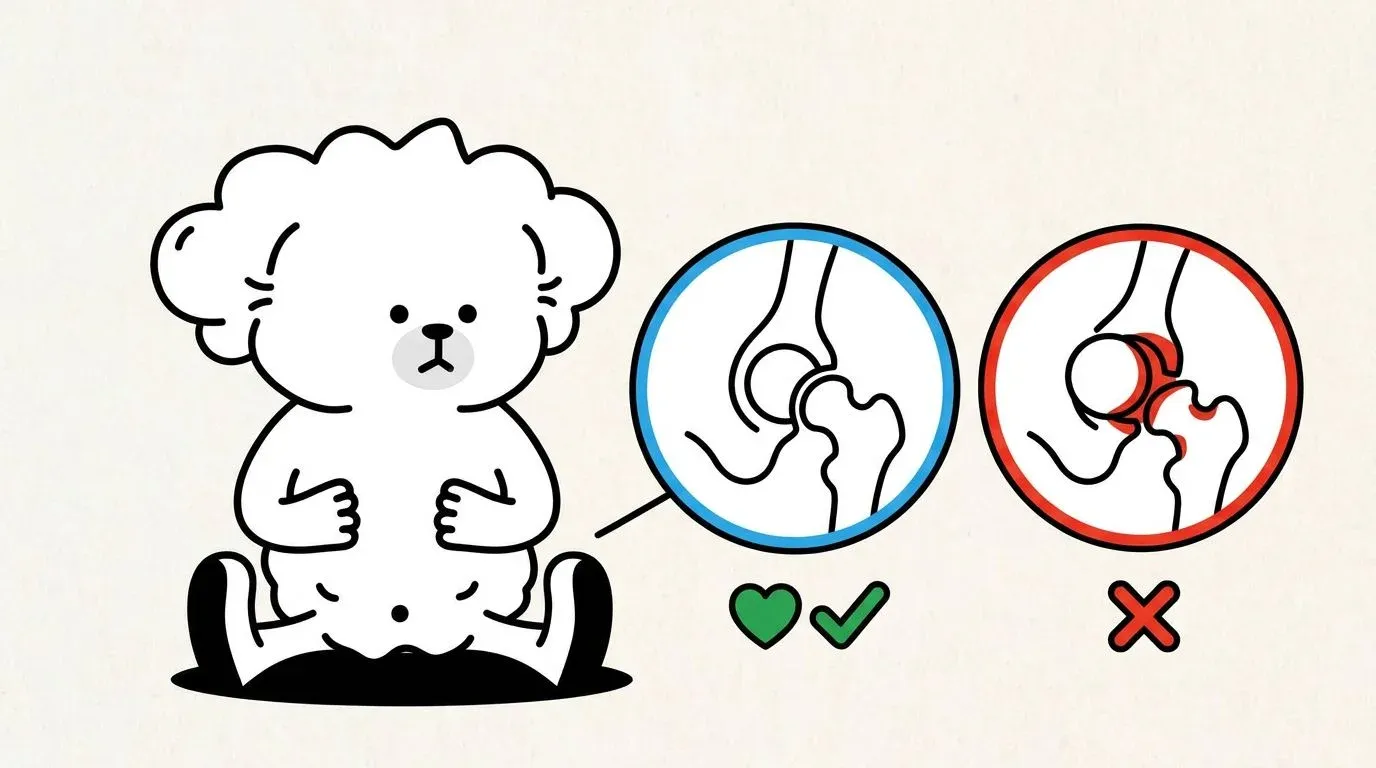
Dog Hip Dysplasia: 6 Essential Facts Every Owner Should Know
Learn the key facts about dog hip dysplasia — from at-risk breeds and early symptoms to PennHIP vs OFA diagnosis and home care exercises.

The Hidden Link Between Your Dog's Weight and Joint Health
Extra weight does far more than strain your dog's joints — it actively inflames them. Learn the dual-pathway science and a practical roadmap to protect joint health.