 Cirius Petpedia
 What Should You Feed a Dog with Pancreatitis? A Diet Management Guide
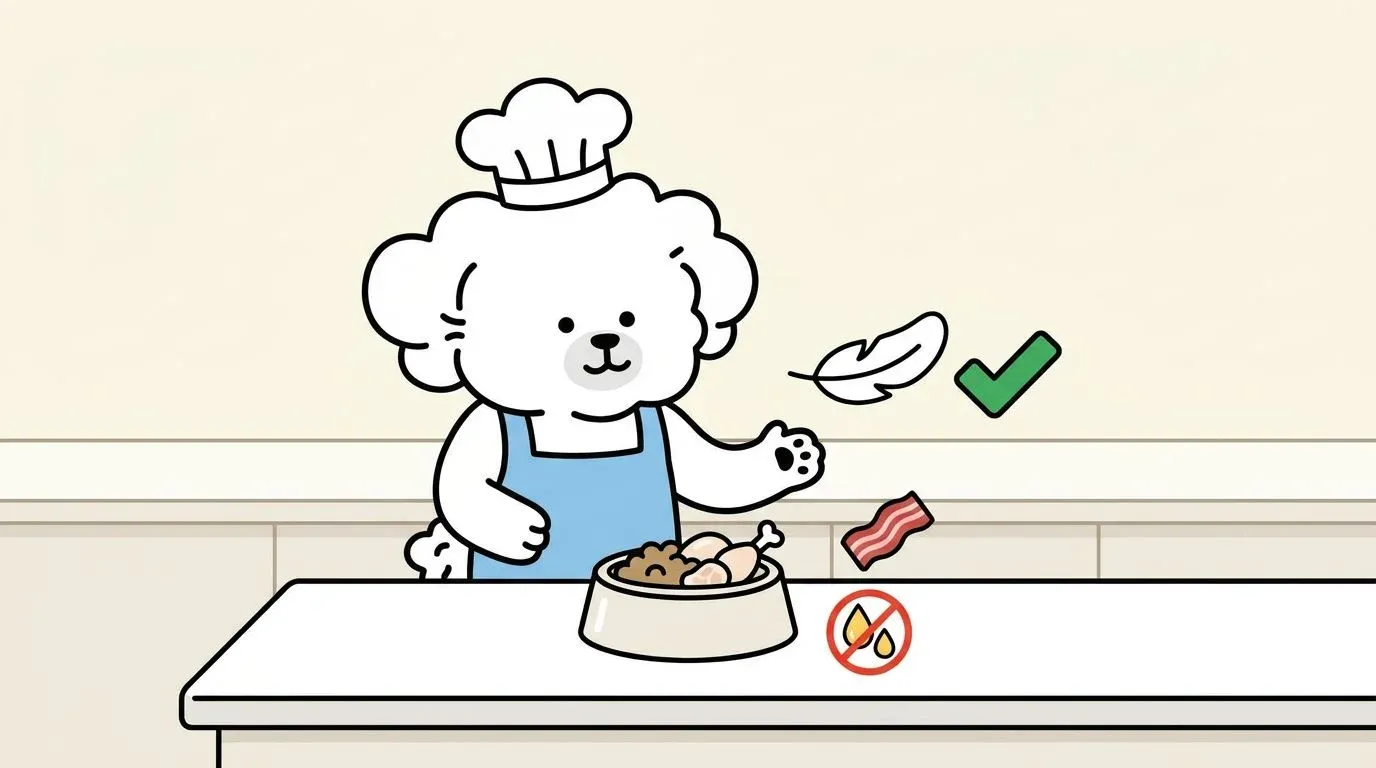
When a dog is diagnosed with pancreatitis, the first question most owners ask is: “What can I feed them now?” The answer matters more than you might expect. Diet sits at the center of pancreatitis management — both for initial recovery and for preventing future flare-ups. What goes into the bowl directly influences how quickly the pancreas heals and how likely the disease is to return.
This guide walks through the pancreatitis diet for dogs phase by phase, from the acute recovery period through long-term chronic management, using veterinary nutrition principles backed by ACVIM and WSAVA guidelines.
The Link Between Pancreatitis and Diet in Dogs
Why Diet Is Central to Pancreatitis Management
The pancreas performs two distinct jobs. First, it secretes digestive enzymes — amylase, lipase, and protease — into the small intestine to break down food. Second, it releases insulin and glucagon into the bloodstream to regulate blood sugar.
Pancreatitis occurs when those digestive enzymes activate inside the pancreas itself rather than waiting until they reach the small intestine. This premature activation causes the organ to begin digesting its own tissue — a process called autodigestion.
Diet matters because eating triggers enzyme secretion. When a dog swallows food, the pancreas responds by releasing digestive enzymes. If the organ is already inflamed, that stimulus worsens the damage. Conversely, a diet designed to minimize pancreatic workload lets the tissue recover and reduces the probability of another episode.
How High-Fat Foods Affect the Pancreas
Fat is the most potent pancreatic stimulant among the three macronutrients. When dietary fat enters the small intestine, it triggers the release of cholecystokinin (CCK), a hormone that signals the pancreas to produce a large bolus of digestive enzymes. In a healthy dog, this is normal physiology. In a dog whose pancreas is already inflamed, a fat-heavy meal can cause explosive enzyme activation and accelerate autodigestion.
This is why high-fat meals — including table scraps, fatty cuts of meat, or a single greasy treat — are so frequently identified as triggering events for acute pancreatitis episodes. Research from the Tufts University Cummings School of Veterinary Medicine found that restricting dietary fat to below 10% on a dry matter basis was associated with a meaningful reduction in symptom recurrence in dogs with chronic pancreatitis.
Acute Phase Diet Management: The First Steps to Recovery
Fasting Period and Hydration Support
Older veterinary protocols commonly recommended 72 hours or more of complete fasting to “rest” the pancreas. Current WSAVA guidelines (updated 2023) take a more nuanced position: prolonged fasting is not routinely beneficial and may actually impair intestinal barrier function and immune response.
The current consensus:
- Mild to moderate acute pancreatitis: If vomiting has stopped and the dog can tolerate water, early enteral nutrition (feeding through the gastrointestinal tract) is preferred over extended fasting. It helps maintain gut motility and immune function.
- Severe acute pancreatitis: When vomiting is persistent, pain is severe, or dehydration is significant, hospitalization and intravenous fluid therapy take priority. The timing of oral refeeding in these cases must be determined by a veterinarian.
- Hydration: Fresh water must remain available at all times, even during a medically supervised fast. Dehydration is a major driver of pancreatitis complications.
Never impose a prolonged fast at home without veterinary guidance. If acute pancreatitis is suspected, a clinic visit should come first.
When and How to Reintroduce Food
Once vomiting has been absent for 24–48 hours and the dog is stable, reintroduce food gradually using the following progression:
Step 1 — Water trial: Offer a small amount of water. Wait 1–2 hours. If there is no vomiting, proceed.
Step 2 — First bland meal: Offer boiled, skinless chicken breast mixed with plain white rice (ratio approximately 1:3, chicken to rice) as a soft mash. Start at 20–25% of the dog’s normal daily volume.
Step 3 — Incremental increase: Increase the amount by roughly one-quarter every 2–3 days. Target a return to normal meal volume over 5–7 days.
Step 4 — Transition to low-fat therapeutic food: Once the dog is tolerating full bland meals without issue, transition to a veterinary low-fat diet over 7–10 days.
If appetite loss, vomiting, or lethargy returns at any step, stop the progression and contact your veterinarian. Pushing the recovery timeline faster than the dog’s body allows is a common cause of relapse.
Long-Term Diet Strategy for Chronic Pancreatitis
Choosing the Right Low-Fat Dog Food
For dogs with confirmed chronic pancreatitis or a history of recurrence, a low-fat diet is not optional — it is the foundation of ongoing management. When selecting dog pancreatitis food, examine the guaranteed analysis panel carefully.
| Criterion | Target |
|---|---|
| Fat content (dry matter basis) | Below 10% (ideally 7–9%) |
| Protein content (dry matter basis) | 18–25% from high-quality single protein source |
| Crude ash | Below 6% |
| Ingredients | Poultry or white fish based; minimal artificial additives |
| Prescription status | Veterinary therapeutic diets offer the most reliable fat control |
Important note on label reading: Fat percentages on labels are often listed on an as-fed basis, which includes the food’s moisture content. To compare foods accurately, convert to dry matter (DM) basis using this formula:
Fat (DM%) = listed fat% ÷ (100 − moisture%) × 100
A food listing 8% fat with 75% moisture actually contains 32% fat on a dry matter basis — far above the therapeutic threshold. Always do the conversion before comparing options.
Prescription low-fat diets — such as Hill’s Prescription Diet i/d Low Fat or Royal Canin Gastrointestinal Low Fat — are formulated and independently tested to meet strict fat limits and maintain complete nutritional balance. In North America, these typically range from $60–$120 per month depending on dog size, but they remove the guesswork from fat management and are the most clinically reliable choice for chronic cases.
Balancing Protein and Carbohydrate Ratios
Reducing fat leaves an energy gap in the diet. That gap must be filled with the right mix of protein and digestible carbohydrates.
Protein: Unless pancreatitis has caused secondary protein malabsorption, lean protein should be maintained. Suitable sources include:
- Chicken breast (skinless, no fat)
- Turkey breast (plain, not processed)
- White fish such as cod or tilapia (unseasoned, deboned)
- Cottage cheese (low-fat variety)
Fatty cuts — such as beef, pork, or lamb — deserve more caution because even lean selections from these animals tend to carry higher fat levels than poultry or white fish. Ground beef labeled 90% lean still contains roughly 10% fat by weight on an as-fed basis.
Carbohydrates: Easily digestible carbohydrates serve as a useful caloric substrate for pancreatitis dogs. White rice, sweet potato, and plain pumpkin puree (not pie filling) are all appropriate options. If diabetes is a complication — which can develop when pancreatitis damages insulin-producing cells — carbohydrate management requires a separate conversation with your veterinarian.
The Small, Frequent Meals Principle
Meal size and frequency are often overlooked variables in pancreatitis management. A single large meal causes a large spike in CCK and forces the pancreas to produce a concentrated burst of enzymes. That spike is a recognized trigger for flare-ups in dogs predisposed to pancreatitis.
The recommended approach is to divide the daily food allowance into 3–4 smaller meals rather than the conventional twice-daily feeding. Spreading enzyme demand across the day reduces the peak load on the pancreas with each feeding.
Consistency matters too. Irregular meal times disrupt gastric acid secretion patterns, which can create additional stress on the digestive system. Set feeding times and stick to them.
Safe and Unsafe Foods for Dogs with Pancreatitis
Understanding which ingredients are safe and which can trigger a crisis is one of the most practical tools an owner can have. The tables below classify common foods by their risk level.
Low-Fat Ingredients That Are Safe
The following foods are generally well-tolerated by dogs with pancreatitis. When introducing any new ingredient, start with a small amount and monitor for 24 hours.
| Ingredient | Why It Works | Notes |
|---|---|---|
| Boiled chicken breast (skinless) | Low fat, high protein | Remove all skin and visible fat; no bones |
| Turkey breast (plain) | Similar nutritional profile to chicken | Avoid processed turkey products (deli meat, sausage) |
| White fish (cod, tilapia, pollock) | Low fat, omega-3 content | Cook plain with no salt or seasoning; remove bones |
| White rice | Easily digestible, low fiber burden | Cooked soft; brown rice is harder to digest |
| Plain white or sweet potato (boiled) | Digestible carbohydrate, vitamin A | Peel and boil; no butter or seasoning |
| Cooked carrots | Low fat, dietary fiber | Raw carrots can be harder to digest for some dogs |
| Cooked zucchini | Mild, soft, low calorie | Keep portions moderate |
| Plain pumpkin puree | Supports gut motility | 100% pumpkin only — not pie filling with sugar and spice |
| Low-fat cottage cheese | Protein source | Use sparingly as a topper; confirm fat content |
High-Fat Foods to Strictly Avoid
The following foods can trigger or worsen pancreatitis and should be completely removed from the dog’s diet and environment.
| Food | Why It Is Dangerous |
|---|---|
| Bacon, sausage, pork belly | Extremely high saturated fat and sodium |
| Cheese, butter, sour cream | High dairy fat content |
| Fried foods (chicken strips, french fries) | Trans fat plus high total fat — compounded risk |
| Chicken skin or pork rinds | Essentially concentrated fat tissue |
| Nuts (macadamia, almonds, walnuts) | High fat and, in the case of macadamia, acutely toxic |
| Avocado | High fat plus persin toxin |
| Chocolate, grapes, raisins | Toxic regardless of fat content |
| Human processed snacks (chips, crackers, cookies) | Combined fat, salt, and additive risk |
| Fatty cuts of red meat (ribeye, brisket, lamb shoulder) | High saturated fat even before cooking |
The most dangerous scenario is the “just one piece won’t hurt” decision. Veterinary case reports frequently document acute pancreatitis attacks following a single high-fat treat or table scrap given by a well-meaning owner. There is no safe minimum for trigger foods.
Treats and Nutritional Supplements
Safe Treat Alternatives for Pancreatitis Dogs
A pancreatitis diagnosis does not mean an end to training rewards or bonding through food. It means replacing high-fat treats with low-fat alternatives. The goal is substitution, not elimination.
Safe low-fat treat options:
- Boiled chicken breast cubes (2–3 g pieces): The most reliable treat for pancreatitis dogs. Freeze a batch in a silicone ice tray for easy portioning.
- Raw carrot sticks: Natural sweetness, satisfying crunch, negligible fat.
- Cucumber slices: Hydrating and low in calories.
- Blueberries (1–2 berries): Antioxidant content, but limit quantity due to natural sugar.
- Commercial low-fat dog treats: Look for less than 5% fat on a dry matter basis. Always read the ingredient list — “natural flavors” can mean added fat in some products.
Keep treats to no more than 10% of daily caloric intake. Giving more than that displaces nutrients from the main meal without providing the balanced nutrition that a formulated diet offers.
For dogs being transitioned to prescription diets, understanding how gut health and digestive function interact can help owners make better-informed decisions about supplemental foods and treats.
The Role of Digestive Enzyme Supplements
When pancreatitis recurs frequently or becomes chronic, the gland’s capacity to produce digestive enzymes may permanently decline. This condition — exocrine pancreatic insufficiency (EPI) — develops in a subset of dogs with long-standing pancreatitis.
Warning signs that may indicate EPI include:
- Progressive weight loss despite normal or increased appetite
- Persistent loose, voluminous, or greasy-appearing stool
- Coprophagia (eating feces) as the body seeks nutrients it cannot absorb
- Dull coat and declining body condition
If EPI is suspected, a serum trypsin-like immunoreactivity (TLI) test can confirm the diagnosis. Dogs with confirmed EPI require pancreatic enzyme replacement therapy (PERT) — typically powdered porcine pancreatic extract (such as Viokase-V or similar products) mixed into each meal.
Important: Pancreatic enzyme supplements are indicated for diagnosed EPI, not as a preventive measure or general digestive support for uncomplicated pancreatitis. Starting enzyme supplements without a confirmed diagnosis and veterinary guidance is not recommended.
Regarding probiotics: current evidence does not support direct therapeutic effects of probiotics on pancreatitis itself. However, pancreatitis-related disruptions to the intestinal microbiome may warrant probiotic support in some cases — discuss this with your veterinarian before adding any supplement to the regimen.
When to Switch Diets, Check Dental Health Too
When transitioning to a low-fat or prescription diet, food texture, kibble size, and ingredient profile all change. How the food you choose affects your dog’s teeth and oral health is an area many owners overlook during the transition period. If you are switching to a prescription kibble, scheduling a dental check at the same visit can be worthwhile.
When to Seek Veterinary Nutritional Counseling
Home dietary management has real limits. The following situations warrant a consultation with a veterinarian or, in complex cases, a board-certified veterinary nutritionist (Diplomate ACVN):
- Continuing weight loss: If your dog is losing weight despite a low-fat diet, total caloric or protein intake may be insufficient.
- Persistent loose, oily-looking stool: This can indicate EPI or fat malabsorption and requires diagnostic workup.
- Suspected diabetes complication: Pancreatitis can damage the insulin-secreting beta cells. Signs of concurrent diabetes include increased thirst and urination, and unexplained weight changes. Blood glucose monitoring is indicated.
- Desire to feed a homemade diet: Home-cooked diets that comply with therapeutic fat limits require a recipe developed and reviewed by a veterinary nutritionist. Off-the-internet recipes are almost never formulated to meet these standards.
- Repeated flares despite dietary compliance: If relapses continue on a properly managed low-fat diet, other contributing factors need investigation — hyperlipidemia (elevated blood triglycerides), hypercalcemia, and certain medications (corticosteroids, diuretics) are established risk factors for recurrent pancreatitis.
When you visit, bring the current food bag or a photo of the complete guaranteed analysis panel. This allows the clinician to give specific, actionable nutrition advice rather than general recommendations. Senior dogs face compounded challenges, as aging changes both nutritional requirements and immune resilience; the senior dog nutrition guide outlines how to adapt feeding strategies by age stage alongside any therapeutic dietary restrictions.
A pancreatitis diagnosis requires real changes to how you feed your dog, but those changes are manageable. During the acute phase, the priority is minimizing pancreatic stimulation and supporting recovery. For chronic cases, a consistently low-fat diet with controlled meal sizes forms the backbone of long-term management. When questions arise at any stage, your veterinarian is the most reliable source of guidance — the stakes are too high for guesswork.
FAQ
Can pancreatitis in dogs be cured?
Does my dog need low-fat food for life?
Are all treats off-limits for dogs with pancreatitis?
Can I feed a homemade diet to my dog with pancreatitis?
What should I do if my dog won't eat during recovery?
Related Articles
Does Collagen Really Help Your Dog's Joints? What the Research Says
A balanced, research-backed look at collagen for dogs joints — hydrolyzed vs UC-II types, what clinical trials show, honest limitations, and how to choose wisely.
Anti-Inflammatory Diet for Dogs: 7 Foods That Fight Joint Pain
7 vet-backed anti-inflammatory foods for dogs with EPA/DHA dosage tables, 3 homemade recipes, and a science-based diet transition protocol.
Foods That Clean Dog Teeth Naturally: A Science-Based Guide
Which foods clean dog teeth naturally? Portion guides by weight, breed-specific advice, and a VOHC comparison table.
7 Best Foods for Dog Joint Health (and 3 to Avoid)
The best foods for dog joint health, backed by veterinary research. Salmon, green-lipped mussels, turmeric — plus foods that worsen arthritis.
7 Science-Backed Benefits of Probiotics for Dogs
Science-backed benefits of probiotics for dogs, weight-based dosage chart, natural food sources, and supplement selection criteria — all in one guide.
Dog Joint Supplements: Do They Actually Work? What the Research Says
An honest, evidence-based look at dog joint supplements — ingredient by ingredient. Learn what the research actually shows and how to make an informed decision.
Omega-3 for Dogs Joints: EPA, DHA Benefits and Dosage Guide
Evidence-based guide to omega-3 for dogs joints: how EPA and DHA reduce inflammation, a weight-based dosing chart, and how to choose quality fish oil.
Dog Skin Supplements: Why Most Ingredients Don't Actually Work
A veterinary-grade breakdown of dog skin and coat supplement ingredients — what the research supports, how to read a label, and how to match nutrients to your dog's specific skin condition.
Dog Eye Supplement Guide: What Veterinary Research Says
Which dog eye supplement ingredients are research-backed? Lutein, astaxanthin, and omega-3 explained with dosage guidance and quality verification tips.
How to Help Your Cat Lose Weight: A Vet-Backed Diet Guide
Help your cat lose weight safely with a vet-backed 5-step plan, BCS home check, breed weight tables, RER calorie formula, and multi-cat feeding strategies.
Senior Dog Nutrition: An Age-Appropriate Feeding Guide
Senior dog nutrition guide: age-stage feeding changes, food transition protocols, condition-specific diet adjustments, and supplement criteria.