 Cirius Petpedia
 Senior Dog Nutrition: An Age-Appropriate Feeding Guide
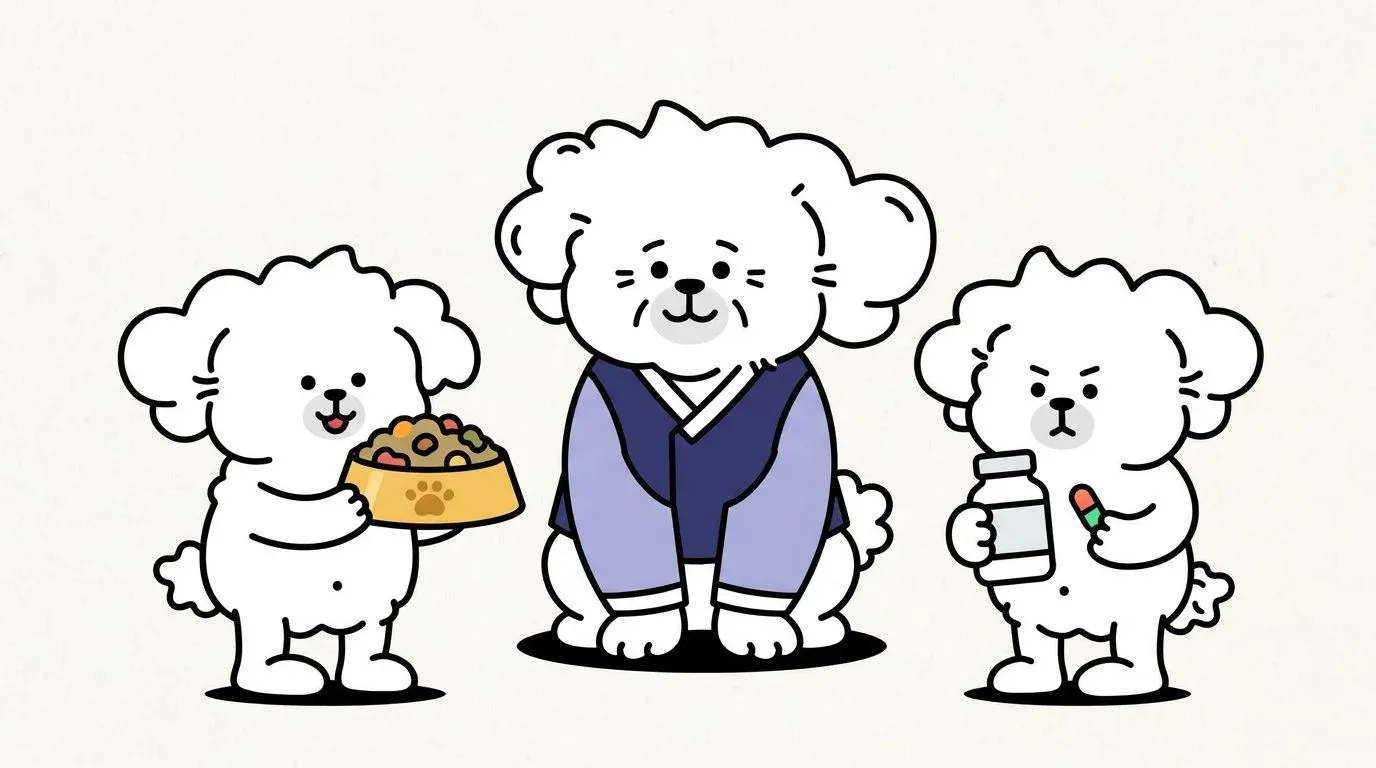
If your dog has crossed the 7-year mark and you’ve noticed changes in appetite, weight, or energy, those shifts are telling you something real. Aging alters digestion efficiency, metabolic rate, and organ function — and the diet that served your dog well at age three may no longer be the right fit.
Most online resources stop at product recommendations. What owners of senior dogs actually need is a clear framework: why nutritional needs change, when to act, and how to make adjustments that hold up across different health scenarios. This guide draws on veterinary nutrition research, AAFCO and WSAVA guidelines, and condition-specific dietary principles to give you that framework.
How Aging Changes Your Dog’s Nutritional Needs
When Does a Dog Become “Senior”? Size-Based Timelines
The question of when a dog becomes “senior” has no single answer — aging pace correlates strongly with body size. Larger dogs have shorter life spans and experience metabolic aging earlier than smaller breeds.
| Size Class | Typical Weight | Senior Onset |
|---|---|---|
| Small | Under 20 lbs | ~10–11 years |
| Medium | 20–50 lbs | ~8–9 years |
| Large | 50–90 lbs | ~7 years |
| Giant | Over 90 lbs | ~5–6 years |
A Great Dane or Saint Bernard may show age-related physiological changes well before age 6, while a Chihuahua or Maltese often remains vigorous past 12. AAFCO does not define a specific age threshold for “senior” on pet food labels, so marketing claims vary — the size-based framework above is more clinically useful.
Beyond age, watch for these physical signals: unexplained weight change of 5% or more, declining muscle definition along the spine or hindquarters, changes in stool consistency, or a new chronic diagnosis. These are more reliable cues than birthdays.
Metabolic Shifts and Calorie Adjustments
Resting metabolic rate (RMR) declines gradually with age. According to Small Animal Clinical Nutrition (Debraekeleer et al., 2010), senior dogs require on average 20–30% fewer calories than their younger adult counterparts — largely because activity decreases and metabolic efficiency slows.
The practical implication is not simply “feed less.” A better framing is: shift to a diet with lower calorie density but higher nutrient concentration. Seniors need protein, vitamins, and minerals to be well-represented relative to each calorie consumed.
That said, some older dogs trend in the opposite direction — they lose weight and muscle mass rather than gaining it. When digestive efficiency falls, the same food provides less absorbed nutrition. For these dogs, reducing calories would be counterproductive. Senior nutrition management is fundamentally about calibration, not reduction.
When and How to Transition to Senior Dog Food
Signs It’s Time to Switch
Switching to a senior-formulated diet is appropriate when your dog’s current food no longer matches their physiological state. Consider transitioning when you observe:
- Unexplained weight gain or loss of 5% or more
- Persistent changes in stool frequency or consistency
- Visible bloating or gas after meals
- Diagnosis of a chronic health condition (kidney disease, heart disease, etc.)
- Marked decline in daily activity or energy levels
It’s fine to stay with an adult maintenance formula if your dog maintains healthy body weight and muscle mass, has normal digestion, and has received a clean bill of health at a recent wellness exam. There’s no hard rule that a 7-year-old dog must switch on their birthday.
A 2-Week Gradual Transition Protocol
Abrupt food changes disrupt the gut microbiome, which adapts to a particular dietary substrate over time. A sudden switch can cause diarrhea, vomiting, or temporary appetite loss — especially in older dogs whose GI tracts are less resilient.
Use this ratio-based transition schedule:
| Days | Current Food | New Food |
|---|---|---|
| 1–3 | 75% | 25% |
| 4–7 | 50% | 50% |
| 8–11 | 25% | 75% |
| Day 12+ | 0% | 100% |
For dogs with sensitive stomachs, extend each phase by 3–4 days. If loose stools develop and persist beyond two days, pause at the current ratio and resume advancing only after stools normalize. Adding a small amount of warm water to dry kibble during the transition can ease the change and encourage hydration.
Essential Nutrients for Senior Dogs
Maintaining Quality Protein Intake
The conventional belief that senior dogs need less protein has been largely revised by veterinary nutritional science. WSAVA’s Global Nutrition Guidelines explicitly state that healthy aging dogs require sufficient high-quality protein — not less of it — because the efficiency of protein synthesis declines with age. Meeting muscle maintenance needs becomes harder, not easier, as dogs get older.
The exception is confirmed chronic kidney disease (CKD), where phosphorus management and moderate protein adjustment may be indicated based on bloodwork. Even in CKD, blanket protein restriction without veterinary supervision is not appropriate. Restricting protein in a healthy senior dog accelerates sarcopenia (muscle loss) without benefit.
Preferred protein sources for digestibility: chicken, salmon, whitefish, turkey, and eggs. These provide high biological value with lower digestive burden.
Fat and Calorie Balance
Dietary fat serves as the primary energy source and carries fat-soluble vitamins (A, D, E, K). In senior dogs, reduced activity means fat calories are used more slowly, so moderately lower fat content is typical in well-formulated senior diets.
However, fat content should not drop too far. Diets providing less than 8% fat on a dry matter basis risk impairing absorption of fat-soluble vitamins. A range of roughly 10–15% fat on a dry matter basis is generally appropriate for healthy seniors. Dogs with pancreatitis history may need lower-fat options under veterinary guidance.
Fiber and Digestive Health
Intestinal motility slows with age, making constipation and irregular bowel habits more common. Dietary fiber supports regular motility and feeds beneficial gut bacteria through prebiotic fermentation.
A balance of soluble and insoluble fiber is ideal. Soluble fiber (from sweet potato, pumpkin, or chicory root) ferments in the colon to produce short-chain fatty acids that nourish the gut lining. Insoluble fiber (from beet pulp or celery) adds bulk and speeds transit. Senior dogs managing digestive irregularity may also benefit from targeted probiotic support — for a detailed breakdown of strains and dosing, see our guide to probiotics for dogs.
Key Vitamins and Minerals
| Nutrient | Primary Role | Risk of Deficiency |
|---|---|---|
| Vitamin E | Antioxidant, immune support | Impaired immunity, oxidative stress |
| B vitamins | Energy metabolism, neurological function | Lethargy, neurological symptoms |
| Zinc | Immune function, coat and skin integrity | Skin problems, increased infection risk |
| Calcium : Phosphorus | Bone mineral density | Imbalance strains kidney function |
| Antioxidants (CoQ10, lutein) | Cellular protection | Accelerated aging, cognitive decline |
The calcium-to-phosphorus ratio matters particularly in seniors. AAFCO guidelines recommend a Ca:P ratio between 1:1 and 2:1. Ratios outside this range — often from unbalanced homemade diets or excessive supplementation — can impair kidney function or compromise bone density over time.
Adjusting Diet for Underlying Health Conditions
Chronic disease changes the nutritional equation significantly. The three conditions most commonly diagnosed in senior dogs each require distinct dietary adjustments.
Kidney Disease — Protein and Phosphorus Management
Chronic kidney disease (CKD) is one of the most common diagnoses in aging dogs. Damaged kidneys cannot efficiently filter protein metabolic waste (urea, creatinine) or excrete phosphorus. As phosphorus accumulates, it accelerates further kidney damage.
Dietary principles for CKD:
- Protein: moderate restriction guided by blood creatinine and BUN levels, not eliminated
- Phosphorus: actively restricted — avoid organ meats, bone, dairy, and high-phosphorus commercial foods
- Sodium: moderate restriction
- Hydration: critical — wet food or water-added kibble to support kidney perfusion
- Prescription renal diets are often necessary at IRIS Stage 2 and above
Standard senior commercial diets are not sufficient for dogs diagnosed with CKD. A veterinary prescription renal diet is the evidence-based standard of care.
Heart Disease — Sodium Restriction
Mitral valve disease (MVD) is the most prevalent cardiac condition in dogs, affecting small breeds disproportionately as they age. Compromised heart function disrupts sodium and fluid balance — excess sodium promotes fluid retention, raising blood pressure and worsening heart strain.
Dietary principles for heart disease:
- Sodium: phased restriction based on disease stage (ACVIM classification); severe cases target below 0.1% sodium on a dry matter basis
- Protein: maintain to preserve cardiac and skeletal muscle
- Omega-3 (EPA + DHA): Freeman et al. (1998) found marine omega-3 supplementation supported heart muscle function in dogs with heart failure
- Taurine: deficiency has been linked to dilated cardiomyopathy; dogs on grain-free or legume-heavy diets may warrant taurine screening
- High-sodium treats (cheese, deli meats, jerky) should be eliminated entirely
Weakened Digestion — Smaller, More Frequent Meals
Gastric motility and digestive enzyme secretion both decline with age, reducing the amount a dog can comfortably digest in a single sitting. This often manifests as post-meal bloating, intermittent soft stools, or nausea after large meals.
Dietary principles for compromised digestion:
- Transition from two meals to three or four smaller portions per day
- Choose highly digestible formulas with modest fat content
- Avoid highly processed, heat-extruded foods that have degraded digestive enzyme activity
- Restrict vigorous activity for 30–60 minutes after eating
- Probiotic supplementation can help restore microbial diversity and stabilize stool consistency
| Condition | Prioritize Restricting | Maintain or Increase | Special Considerations |
|---|---|---|---|
| Kidney disease | Phosphorus, protein (guided), sodium | Hydration, calories | Prescription diet required |
| Heart disease | Sodium | Protein, omega-3 (EPA+DHA) | Screen for taurine deficiency |
| Weak digestion | High fat, large single portions | Fiber, digestibility | Increase feeding frequency |
Do Senior Dogs Need Supplements?
Not automatically. WSAVA’s position is clear: dogs eating a nutritionally complete and balanced commercial diet do not require additional supplementation. The decision to supplement should be based on specific gaps or clinical needs — not the assumption that more nutrients are always better.
That said, several supplements have meaningful evidence behind them for senior dogs.
Omega-3 Fatty Acids
Marine-source omega-3 (EPA and DHA from fish oil) is among the most well-supported interventions in veterinary nutrition for aging dogs.
Documented benefits include:
- Reduction in systemic inflammatory markers
- Support for cognitive function (EPA and DHA are structural components of brain cell membranes)
- Cardiac muscle function support (Freeman et al., 1998)
- Improved skin and coat condition
Fish oil is the preferred delivery form — the ALA in flaxseed oil converts to EPA/DHA at less than 15% efficiency in dogs, making plant-based sources largely ineffective for these purposes. High-dose fish oil can impair platelet aggregation, so dosing should follow veterinary guidance rather than label instructions alone.
Probiotics
The gut microbiome in older dogs tends toward reduced diversity, which correlates with looser stools, impaired nutrient absorption, and weakened immune response. Targeted probiotic supplementation can help restore balance.
Strain selection matters. Pet-specific strains — Lactobacillus acidophilus, Bifidobacterium animalis, Enterococcus faecium (SF68) — have been studied in dogs and are preferable to human probiotic products, which are formulated for a different gut environment. For strain-specific guidance and dosing information, consult the complete guide to probiotics for dogs linked in the fiber section above.
Antioxidants
Cellular aging is driven partly by oxidative stress — the accumulation of free radicals that damage DNA, proteins, and lipid membranes. Antioxidant nutrients such as vitamin E, vitamin C, CoQ10, and lutein help neutralize free radicals and have been studied for cognitive protection in senior dogs. Antioxidant supplementation supporting cognitive health is discussed further in our guide on canine cognitive dysfunction.
A critical caveat: fat-soluble vitamins (A and D) accumulate in tissue and can reach toxic concentrations when supplemented excessively. The amount already present in a complete commercial diet must be factored in before adding supplements. When multiple supplements are used simultaneously, overlapping nutrients are a real risk.
Before starting any supplement, work through this checklist:
- Does the current food already provide this nutrient at adequate levels?
- Is there a diagnosed condition or deficiency that justifies supplementation?
- Has a veterinarian reviewed the supplement plan?
- Are any nutrients duplicated across multiple products?
Weight Management for Senior Dogs
Maintaining a Healthy Weight: BCS Guidelines
Body weight alone is an insufficient measure of nutritional status. Veterinarians use the Body Condition Score (BCS) — a standardized 9-point scale developed by Laflamme (1997) — to assess fat stores and muscle coverage independent of breed or target weight.
| BCS | Assessment | Physical Signs |
|---|---|---|
| 1–3 | Underweight | Ribs, spine, and hip bones visible without touching |
| 4–5 | Ideal | Ribs easily felt but not seen; visible waist from above; abdominal tuck present |
| 6–7 | Overweight | Ribs felt only with firm pressure; waist barely visible; no abdominal tuck |
| 8–9 | Obese | Ribs not palpable; prominent abdominal rounding; fat deposits over spine and base of tail |
The ideal range is BCS 4–5. A quick at-home check: run your fingers along your dog’s ribcage with moderate pressure. If ribs feel like the back of your hand (prominent), that’s lean. If they feel like your palm (cushioned but present), that’s ideal. If you can’t feel them at all, that signals excess fat.
When Weight Loss Is a Warning Sign
One of the most commonly missed points in senior dog weight management is that unintentional weight loss can be more dangerous than excess weight.
Weight loss becomes a concern — not a goal — when:
- The dog is already at BCS 4 or below
- Appetite has declined and calorie intake is insufficient
- Cancer, kidney disease, or another chronic illness is accelerating tissue catabolism
- Sarcopenia is actively progressing
Muscle loss in senior dogs compounds multiple risks: reduced immunity, increased fall risk, slower wound healing, and poorer surgical outcomes. Aggressively restricting calories in a thin senior dog can strip remaining muscle mass without meaningfully improving health.
At the other end, BCS 7 or above in a senior dog raises risks for diabetes, cardiovascular strain, and reduced mobility. Rapid weight loss — more than 1% of body weight per week — will sacrifice muscle alongside fat. Veterinarian-supervised gradual reduction (targeting 0.5–1% per week at most) is the appropriate approach.
The relationship between reduced activity and weight gain creates a feedback loop worth watching carefully. For guidance on distinguishing normal slowing from clinically meaningful lethargy, see the article on declining activity and lethargy in dogs linked in the transition section above.
The foundation of senior dog nutrition is understanding why needs change, not just memorizing which nutrient goes up or down. The principles outlined here represent current veterinary nutritional consensus — but they are general guidelines. Individual dogs vary considerably based on breed, body composition, and health history.
If your dog is 7 years or older, once- or twice-yearly wellness exams that include bloodwork (kidney, liver, cardiac panels) will give you the data needed to make precise nutritional decisions. Age-related changes are easier to manage when they’re caught early — and a well-calibrated diet is one of the most effective tools you have.
FAQ
At what age should I switch my dog to senior food?
Should I reduce protein for my senior dog?
Are omega-3 supplements worth giving to older dogs?
My senior dog has stopped eating. What should I do?
Is raw food safe for senior dogs?
Related Articles
Does Collagen Really Help Your Dog's Joints? What the Research Says
A balanced, research-backed look at collagen for dogs joints — hydrolyzed vs UC-II types, what clinical trials show, honest limitations, and how to choose wisely.
Anti-Inflammatory Diet for Dogs: 7 Foods That Fight Joint Pain
7 vet-backed anti-inflammatory foods for dogs with EPA/DHA dosage tables, 3 homemade recipes, and a science-based diet transition protocol.
Foods That Clean Dog Teeth Naturally: A Science-Based Guide
Which foods clean dog teeth naturally? Portion guides by weight, breed-specific advice, and a VOHC comparison table.
7 Best Foods for Dog Joint Health (and 3 to Avoid)
The best foods for dog joint health, backed by veterinary research. Salmon, green-lipped mussels, turmeric — plus foods that worsen arthritis.
7 Science-Backed Benefits of Probiotics for Dogs
Science-backed benefits of probiotics for dogs, weight-based dosage chart, natural food sources, and supplement selection criteria — all in one guide.
Dog Joint Supplements: Do They Actually Work? What the Research Says
An honest, evidence-based look at dog joint supplements — ingredient by ingredient. Learn what the research actually shows and how to make an informed decision.
Omega-3 for Dogs Joints: EPA, DHA Benefits and Dosage Guide
Evidence-based guide to omega-3 for dogs joints: how EPA and DHA reduce inflammation, a weight-based dosing chart, and how to choose quality fish oil.
Dog Skin Supplements: Why Most Ingredients Don't Actually Work
A veterinary-grade breakdown of dog skin and coat supplement ingredients — what the research supports, how to read a label, and how to match nutrients to your dog's specific skin condition.
Dog Eye Supplement Guide: What Veterinary Research Says
Which dog eye supplement ingredients are research-backed? Lutein, astaxanthin, and omega-3 explained with dosage guidance and quality verification tips.
How to Help Your Cat Lose Weight: A Vet-Backed Diet Guide
Help your cat lose weight safely with a vet-backed 5-step plan, BCS home check, breed weight tables, RER calorie formula, and multi-cat feeding strategies.
What Should You Feed a Dog with Pancreatitis? A Diet Management Guide
A phase-by-phase guide to pancreatitis diet for dogs: acute fasting protocols, low-fat food selection criteria, safe vs. unsafe ingredient tables, treat alternatives, and long-term management.