 Cirius Petpedia
 Cat Vomit Color Chart: 8 Colors and When to See a Vet
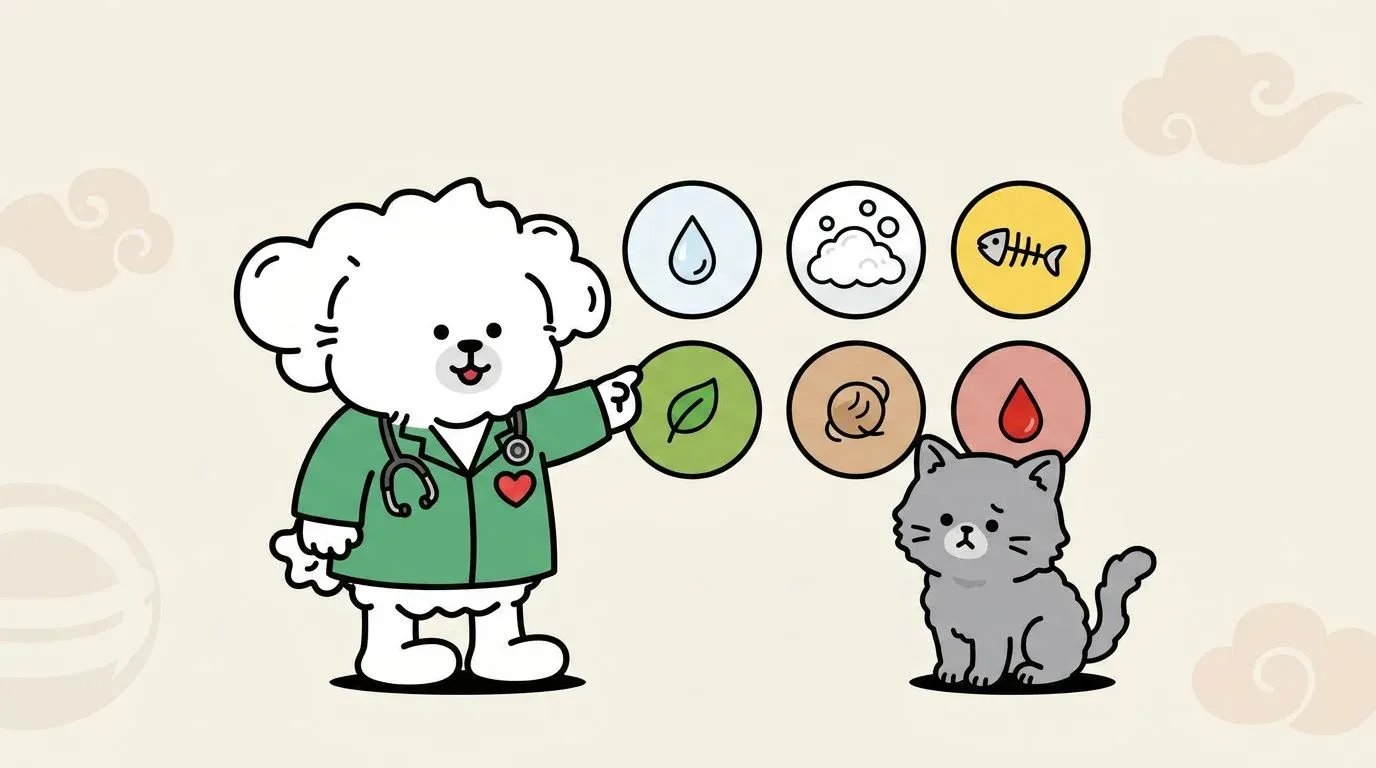
Your cat just vomited. Before you clean it up, take a look — because the color is one of the most useful diagnostic clues your vet (or you) can use to assess how serious the situation is.
Most cat owners know their pet vomits sometimes, and most of the time it’s not an emergency. But certain colors, combinations, and patterns are red flags that demand prompt attention. This guide walks through all eight clinically relevant vomit colors, explains the underlying mechanisms, and gives you a clear framework for deciding whether to head to the emergency clinic now, monitor your cat at home for 24 hours, or simply clean up and move on.
Vomiting vs. Regurgitation: Know the Difference First
Before interpreting any vomit color, it’s worth confirming you’re actually looking at vomit — not regurgitation. These two processes look similar but have different causes, different treatments, and different urgency levels.
Vomiting: Active abdominal contractions
True vomiting involves visible abdominal heaving, retching sounds, and the expulsion of stomach contents. Your cat typically shows pre-vomiting signs: lip-licking, salivation, restlessness, or repeated swallowing. The material comes from the stomach or upper small intestine, so it may be partially digested. Almost every color discussed in this article applies to true vomit.
Regurgitation: Passive expulsion of undigested food
Regurgitation happens with little or no warning. Food comes back up almost immediately after eating, is usually tubular in shape (molded by the esophagus), and looks undigested — still recognizable as kibble or wet food. There’s no retching. This typically points to an esophageal problem (megaesophagus, stricture) or eating too fast, rather than a stomach or intestinal issue.
Why this matters for color interpretation: Regurgitated material is almost always food-colored. If you see yellow, green, pink, red, or brown fluid, it’s almost certainly vomit — and worth assessing with the guide below.
Cat Vomit Color Chart: 8 Colors and What They Mean
Each color is assessed on three dimensions: likely cause, accompanying warning signs, and urgency level.
| Color | Most Likely Cause | Urgency |
|---|---|---|
| Clear / White foam | Empty stomach, gastric acid | Monitor |
| Yellow / Light yellow | Bile reflux, fasting | Monitor / Vet if repeated |
| Orange | Partially digested food, overeating | Home care |
| Green / Lime green | Bile + grass, possible foreign body | Monitor / Vet if repeated |
| Pink / Red | Oral or GI bleeding | Urgent |
| Brown / Dark brown | Digested blood, food pigment | Urgent if dark or tarry |
| Black / Coffee-ground | Upper GI bleeding | Emergency |
| Mixed / Chunky | Food vomit, hairball, foreign body | Assess with other signs |
Clear or White Foam: Empty Stomach, Excess Gastric Acid
Clear, watery, or white-foamy vomit is the most common type of cat vomit, and in most cases it’s not dangerous on its own.
The stomach continuously secretes gastric acid (hydrochloric acid) to digest food. When the stomach is empty for several hours, that acid has nothing to work on. In some cats, the resulting irritation causes the stomach to contract and expel a small amount of clear or frothy fluid. The foam is simply stomach mucus mixed with air.
Common triggers: Skipping a meal, early morning vomiting before breakfast (sometimes called “bilious vomiting syndrome” when it happens consistently), or vomiting up whatever food was previously present.
When to worry: A single episode of white-foam vomit with an otherwise alert, eating, and active cat is typically self-limiting. If your cat vomits white foam daily, or if it’s accompanied by lethargy, weight loss, or reduced appetite, schedule a vet visit. Chronic white-foam vomiting can indicate gastritis, inflammatory bowel disease, hyperthyroidism, or kidney disease.
Yellow or Light Yellow: Bile Reflux, Prolonged Fasting
Yellow vomit is bile — a digestive fluid produced by the liver and stored in the gallbladder. Under normal circumstances, bile flows into the small intestine to help digest fats. When it refluxes backward into an empty stomach, the stomach’s irritation response causes vomiting.
Cat yellow vomit meaning in context: One or two episodes of yellow vomit in an otherwise healthy cat is usually related to fasting. This is especially common in cats fed once daily or whose meal schedule was recently disrupted.
When to worry: Repeated yellow vomiting (more than twice in 24 hours), yellow vomit combined with lethargy or appetite loss, or yellow vomit in a cat that has been eating normally — these patterns suggest conditions beyond simple fasting, including pancreatitis, liver disease, IBD, or intestinal obstruction. A vet visit within 24 hours is appropriate.
Orange: Partially Digested Food, Overeating
Orange vomit typically reflects partially digested food mixed with bile. The orange tint comes from the color of the food blending with yellow bile during partial digestion.
Most common cause: Eating too quickly or overeating. Cats that eat fast don’t give the stomach time to register fullness. The stomach contents return before proper digestion begins.
Other possibilities: A diet heavy in orange-pigmented foods (certain fish-based wet foods, some dry kibbles with carotenoid-based colorants) can produce orange vomit even without bile involvement.
When to worry: Orange vomit after eating, without other symptoms, is generally low concern. Try feeding smaller, more frequent meals and consider a slow-feeder bowl. If orange vomiting is recurrent or occurs on an empty stomach, this edges toward the yellow-bile territory and warrants veterinary attention.
Green or Lime Green: Bile + Grass Ingestion, Possible Foreign Body
Green vomit has two main explanations: grass ingestion and bile-heavy vomit.
Cats that have eaten grass — a common self-induced behavior — often vomit green or lime-green material. Grass is indigestible and stimulates vomiting reflex, sometimes helping cats expel hairballs or other stomach irritants. The vomit will contain visible plant material.
Green vomit without grass indicates bile that has sat in the small intestine long enough to oxidize and turn from yellow to green. This can happen in cats with gastrointestinal motility problems, intestinal obstruction, or biliary disease.
When to worry: Grass-vomit with green plant material and a cat that’s otherwise fine: monitor. Green vomit that’s liquid without visible plant matter, especially if repeated, warrants a vet visit — particularly if paired with loss of appetite, abdominal pain, or reduced activity. Intestinal foreign body obstruction can present with green bile vomit; this is an emergency if accompanied by complete appetite loss or bloating.
Pink or Red: Oral Bleeding or GI Bleeding (Urgent)
Pink or red vomit is one of the types of cat vomit that should always prompt immediate attention. The color comes from blood.
Pink, light red, or red-streaked vomit can originate from several locations:
- Oral cavity or throat: Dental disease, gum inflammation, or a small laceration in the mouth can introduce blood into vomit. Inspect the mouth carefully.
- Esophagus: Repeated forceful vomiting can cause small esophageal tears (Mallory-Weiss-type lesions), producing streaks of fresh blood.
- Stomach: Ulcers, severe gastritis, or ingestion of a sharp foreign object can cause active stomach bleeding.
What does unhealthy cat throw up look like in this range? Any pink or red color — even light pink foam — that you cannot explain by a visible mouth injury should be treated as concerning.
Urgency: Call your vet or an emergency clinic today. If the vomit contains large amounts of bright red blood, go now.
Brown or Dark Brown: Digested Blood or Food Color
Brown vomit occupies an ambiguous zone. It can be entirely benign — or it can signal something serious.
Benign causes: Brown vomit that looks and smells like food is probably partially digested stomach contents. Certain foods (liver-based foods, pâté formulas, dark wet foods) produce brown vomit without any blood involvement.
Concerning cause: Dark brown vomit with a foul, metallic, or fecal odor may contain digested blood. Blood that has been in the stomach or upper GI tract for some time turns brown or rust-colored as stomach acid acts on hemoglobin. This is distinct from bright red blood and suggests slower, longer-standing bleeding higher in the digestive tract.
Cat vomiting brown liquid: Brown liquid vomit that smells distinctly foul — sometimes described as fecal-smelling — can also indicate small intestinal obstruction, where intestinal contents are being pushed retrograde. This is an emergency.
Urgency: If you are confident the color matches your cat’s recent food and there is no unusual odor, monitor for 24 hours. If the color is dark, the odor is foul, or there are any other symptoms, seek veterinary care the same day.
Black or Coffee-Ground: Upper GI Bleeding (Emergency)
Black vomit, or vomit with a dark, granular, coffee-ground texture, is always a veterinary emergency. This appearance is caused by blood that has been extensively digested by stomach acid — the technical term for this is “hematemesis with melena-like material.” It indicates active or recent significant bleeding from the upper gastrointestinal tract: the stomach, duodenum, or upper small intestine.
Possible causes: Gastric ulcers, neoplasia (cancer), rodenticide (rat poison) ingestion, severe NSAIDs toxicity, or coagulopathy (a blood clotting disorder).
Key distinction: Coffee-ground vomit looks like coarse dark granules or has a tarry, thick consistency. This is different from a cat that ate dark food and produced normally dark-colored vomit.
If you see black or coffee-ground vomit: go to an emergency veterinary clinic immediately. Do not wait until your regular vet opens. Bring a photo of the vomit.
Mixed Colors or Chunks: Foreign Body Ingestion, Undigested Food
Vomit that contains visible food chunks, mixed colors, or unidentifiable solid material is evaluated differently from color-coded liquid vomit.
Food chunks shortly after eating: Likely overeating or eating too fast. Often orange or tan colored. No emergency if isolated.
Hairball: Cylindrical, tan or brown, composed mostly of compacted fur. Often mixed with bile or mucus. Normal up to once per one to two weeks for medium- or long-haired cats. More frequent hairball vomiting benefits from dietary fiber supplementation or hairball control products. See our cat hairball prevention guide for management strategies.
Unidentified solid material or plastic/fabric fragments: Possible foreign body ingestion — an emergency if the cat continues to vomit, stops eating, or shows signs of abdominal discomfort.
Emergency Guide: When to Call the Vet
Use this three-level triage framework to guide your decision.
Go Now: Pink, Red, or Black Vomit; Vomiting 24+ Hours; Dehydration Signs
Call or go to an emergency clinic immediately if any of these are true:
- Vomit is pink, red, bright red, or black/coffee-ground
- Vomiting has continued for more than 24 hours without stopping
- Your cat shows signs of dehydration: dry, sticky gums; skin that stays tented when pinched; sunken eyes; lethargy
- Your cat is vomiting and showing neurological signs (wobbling, seizures, dilated pupils)
- Your cat has ingested a toxin, medication, or foreign object
- Your cat is vomiting and completely refuses food for more than 24 hours
- A kitten or senior cat with any vomiting beyond one isolated episode
Emergency resources:
- ASPCA Animal Poison Control Center: (888) 426-4435 (24/7, consultation fee applies)
- Pet Poison Helpline: (855) 764-7661 (24/7, consultation fee applies)
- Find your nearest 24-hour emergency vet clinic before you need one and save the number in your phone.
Monitor 24 Hours: Yellow or Green Vomit 1–2 Times, Normal Appetite and Energy
Your cat can be monitored at home if:
- Vomit is yellow or green, occurring 1–2 times
- Your cat is alert, interactive, and interested in food
- No other symptoms are present (no diarrhea, no lethargy, normal energy level)
- Your cat has a history of occasional vomiting and has been evaluated before
What to do during monitoring:
- Withhold food for 2–4 hours to let the stomach settle
- Offer small amounts of fresh water
- Reintroduce food with a small portion of bland diet (boiled chicken breast, or your vet’s recommended GI food)
- Note the time, color, frequency, and any accompanying symptoms
If vomiting continues beyond 24 hours, or if your cat’s condition deteriorates in any way, advance to “go now.”
Home Care OK: Single Clear Foam Episode, Orange Vomit After Overeating
Home management is appropriate when:
- The episode is isolated (one vomit, then done)
- Vomit is clear, white foam, or orange immediately after eating
- Your cat returns to normal behavior within 30–60 minutes
- No other symptoms are present
Home care steps:
- Rest the stomach for 2 hours
- Offer water in small amounts
- Resume normal feeding with a smaller portion than usual
- Consider a slow-feeder bowl if this is a recurring pattern after meals
Beyond Color: What Else to Check
Color is one piece of the diagnostic picture. These three additional factors help complete the assessment when considering why cats vomit.
Frequency and Pattern: One-Off vs. Repeated Vomiting
A single vomiting episode in an otherwise healthy adult cat is rarely cause for alarm. The clinical threshold for concern shifts at:
- Acute: More than 2–3 times in a day, or any vomiting lasting more than 24 hours
- Chronic: Vomiting more than once or twice per week for three or more weeks
Chronic vomiting — even if each episode appears minor — warrants a full veterinary workup. It can indicate IBD, hyperthyroidism, chronic kidney disease, or early-stage gastrointestinal cancer, all of which are more manageable when caught earlier. Cats with chronic kidney disease frequently present with chronic intermittent vomiting as an early sign.
Accompanying Symptoms: Diarrhea, Lethargy, Appetite Loss, Weight Changes
No symptom exists in isolation. The combination of vomiting with any of the following significantly increases clinical urgency:
| Accompanying symptom | What it may indicate |
|---|---|
| Diarrhea | Gastroenteritis, parasites, food intolerance, IBD |
| Lethargy | Systemic illness, dehydration, pain |
| Appetite loss (> 24 hours) | Nausea, obstruction, systemic disease |
| Weight loss (gradual) | Hyperthyroidism, IBD, cancer, kidney disease |
| Abdominal bloating or pain | Obstruction, peritonitis — urgent |
| Increased drinking/urination | Kidney disease, diabetes, hyperthyroidism |
| Sneezing/nasal discharge | Upper respiratory infection, less commonly liver disease |
Stress is also an underappreciated trigger for vomiting in cats. Environmental changes — a new pet, a move, a schedule disruption — can upset GI motility. The cat stress relief and home care guide covers how to identify and reduce stress-related GI symptoms.
Timing: Before Meals, After Meals, Early Morning
The timing of vomiting provides additional diagnostic clues:
- Early morning, before eating: Bilious vomiting syndrome — bile reflux from an empty overnight stomach. Often responds to a small late-night snack.
- Immediately after eating (within 30 minutes): Overeating, eating too fast, food intolerance, hairball regurgitation.
- 1–3 hours after eating: Partial digestion failure — gastric motility problem, food allergy, IBD. If food allergies are suspected, your vet may recommend a dietary trial.
- Unrelated to meals: Systemic illness, toxin ingestion, kidney disease, hyperthyroidism.
Vomiting Observation Checklist
When you bring your cat to the vet for vomiting, the single most useful thing you can provide is a written record of observations. Vets can make far more accurate diagnoses when they know exactly what happened and when.
Print or photograph this checklist and fill it out for each episode before your appointment.
Cat Vomiting Observation Record
Cat name: _____________________ Date: _____________________ Time: _____________________
Vomit color: ☐ Clear ☐ White foam ☐ Yellow ☐ Orange ☐ Green ☐ Pink/Red ☐ Brown ☐ Black/Coffee-ground ☐ Mixed
Vomit contents: ☐ Liquid only ☐ Partially digested food ☐ Identifiable food chunks ☐ Hairball ☐ Foreign material (describe): _______
Amount: ☐ Small (< 1 tbsp) ☐ Medium (1–3 tbsp) ☐ Large (> 3 tbsp)
Odor: ☐ None/mild ☐ Sour/acidic ☐ Foul/metallic ☐ Fecal-like
Number of episodes in past 24 hours: _____
Last meal: Time _____ | Food type _____ | Amount _____
Accompanying symptoms:
- ☐ Diarrhea (describe consistency): _______
- ☐ Lethargy / reduced activity
- ☐ Not eating
- ☐ Increased thirst
- ☐ Weight loss (estimated: _____)
- ☐ Behavioral changes: _______
Pre-vomiting signs observed: ☐ Lip-licking ☐ Excessive salivation ☐ Restlessness ☐ Repeated swallowing ☐ None noticed
Recent changes (past 2 weeks): ☐ New food ☐ New household pet ☐ Change in schedule ☐ Possible toxin/foreign object exposure ☐ None
Photo of vomit taken: ☐ Yes ☐ No
Bringing this record to your appointment — along with a photo of the vomit on your phone — can cut diagnostic time significantly and reduce the number of follow-up tests needed.
References
- 1. Cornell Feline Health Center — Vomiting in Cats
- 2. AAFP (American Association of Feline Practitioners) — Feline Gastrointestinal Motility Disorders
- 3. Tams TR. — Handbook of Small Animal Gastroenterology, 2nd ed. Saunders, 2003
- 4. ASPCA Animal Poison Control Center
- 5. Pet Poison Helpline
- 6. Washabau RJ, Day MJ. — Canine and Feline Gastroenterology. Elsevier Saunders, 2013
FAQ
Is white foam vomit normal for cats?
My cat vomits yellow bile multiple times a day — what should I do?
Can I feed my cat right after vomiting?
How is hairball vomiting different from other types?
What cat vomit color is a true emergency?
Related Articles
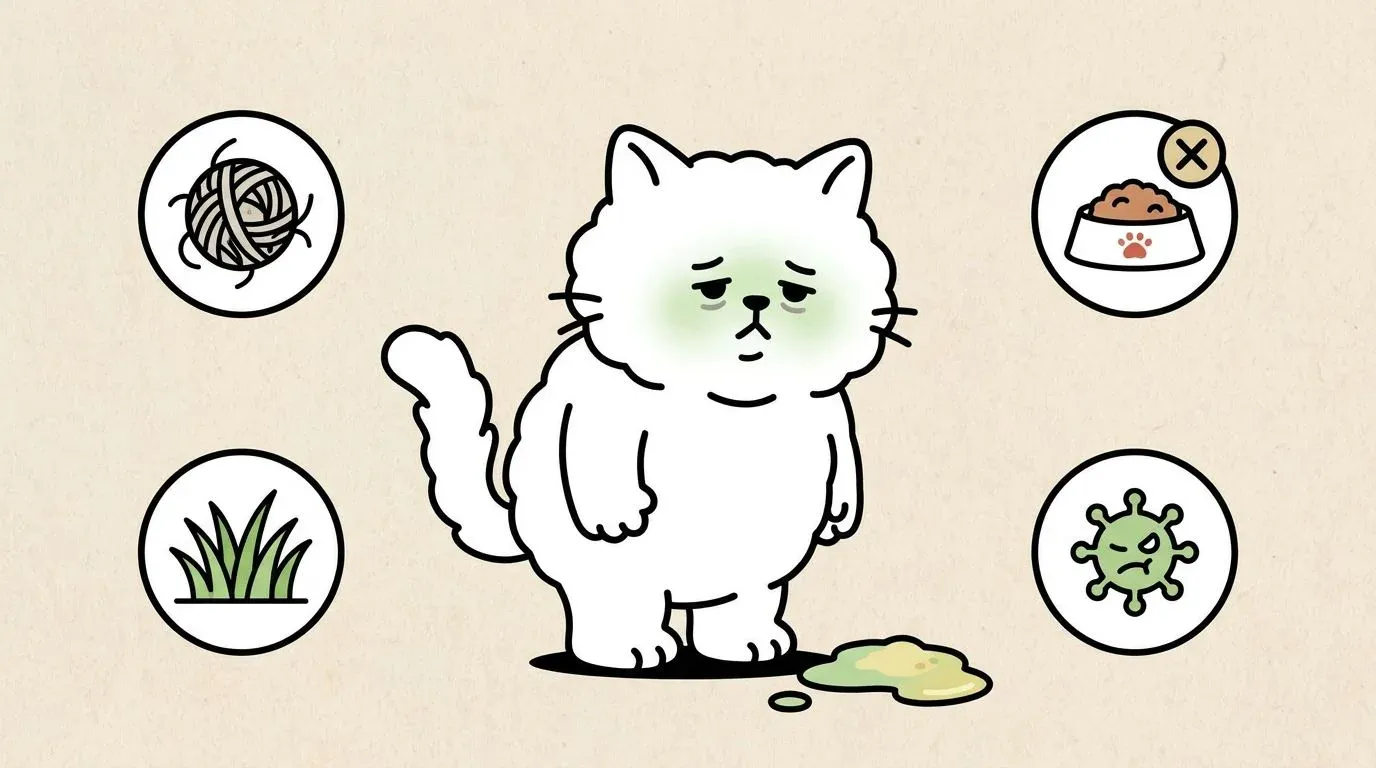
Cat Vomiting: 7 Common Causes, Color Guide, and When to See a Vet
Understand cat vomiting causes — from hairballs to serious illness. Includes a full vomit color chart with urgency ratings and a step-by-step home care guide.
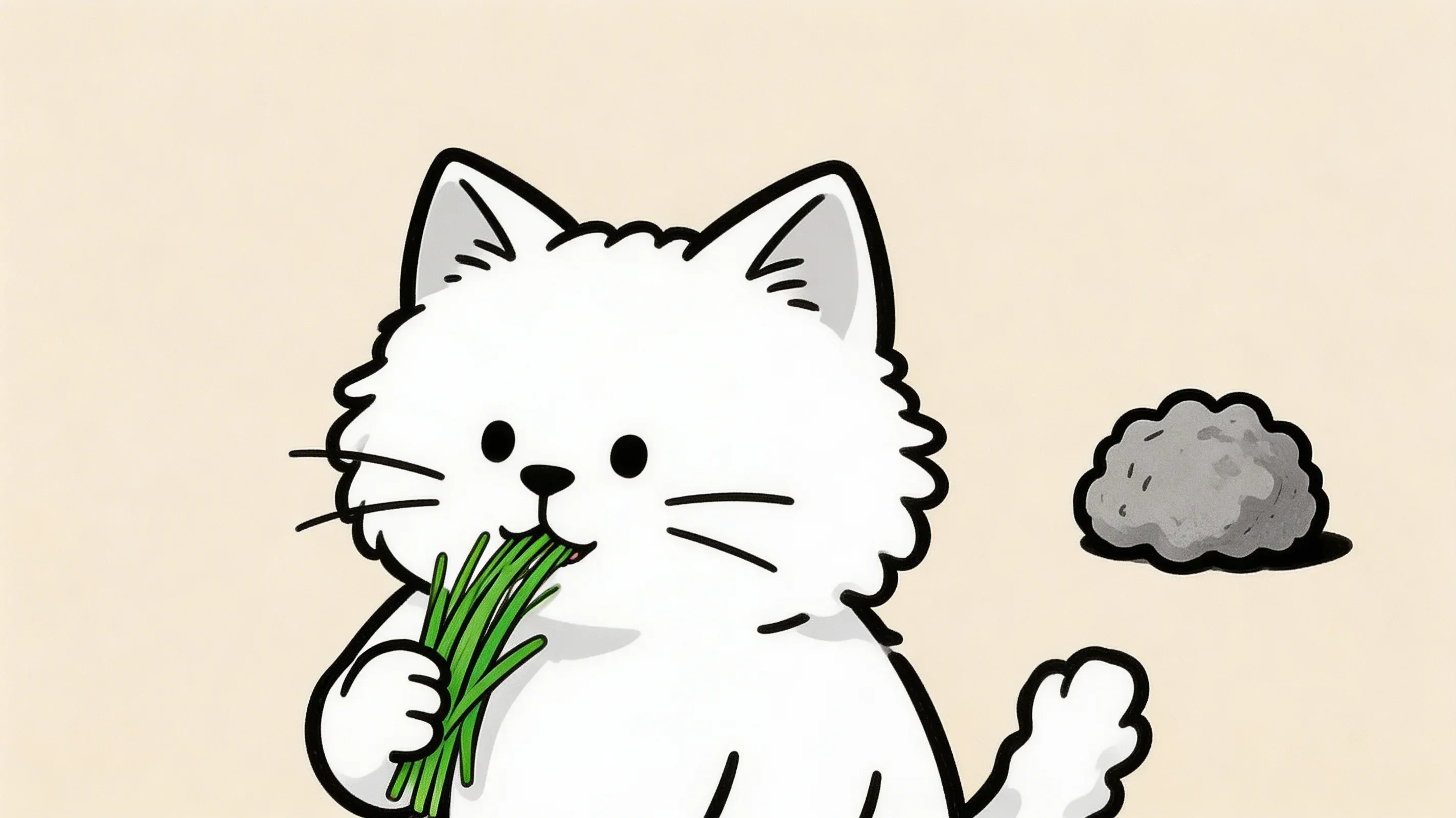
Are Cat Hairballs Really Normal? The Truth About Prevention and Risk
Cat hairball prevention explained: what's a safe frequency, when vomiting signals danger, and an integrated 3-pillar approach — grooming, diet, and environment.
7 Proven Ways to Relieve Your Cat's Stress at Home
Learn the signs of stress in cats, what triggers it, and 7 science-backed methods for cat stress relief you can start at home today.