 Cirius Petpedia
 Are Cat Hairballs Really Normal? The Truth About Prevention and Risk
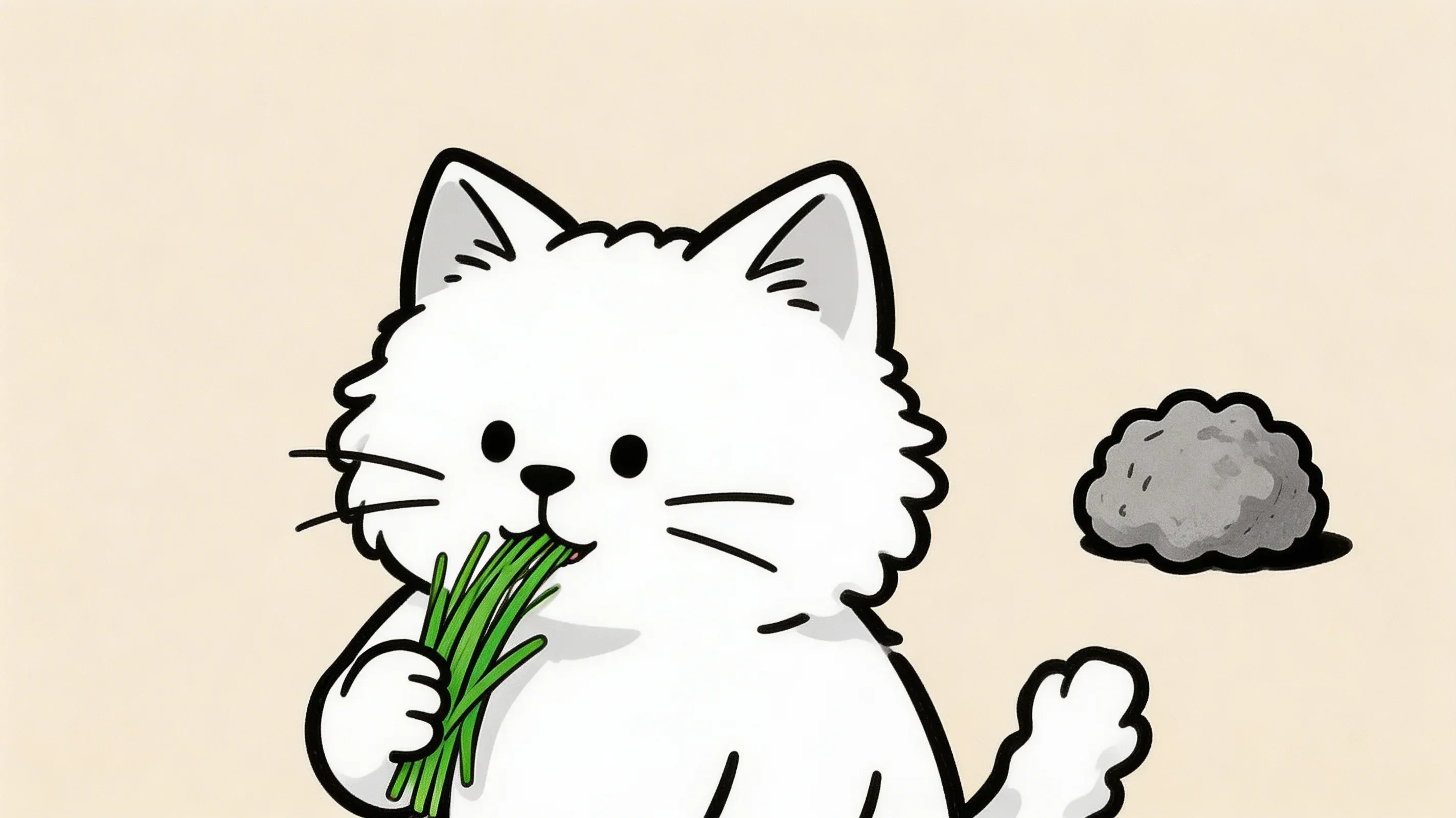
You’ve probably seen it before: your cat crouches down, heaves a few times, and deposits a damp, cylindrical clump on the floor. “That’s just what cats do,” you tell yourself — and you’re not entirely wrong. But how often is too often, and when does a routine inconvenience become a medical concern?
The Cornell Feline Health Center notes that hairball vomiting more than twice per month should prompt a digestive health assessment. That threshold matters, because most cat owners reach for a lubricant tube rather than asking why the hairballs are forming so frequently in the first place. Effective cat hairball prevention starts with understanding the mechanism — and then targeting the root cause rather than the symptom.
Are Hairballs Really a Normal Part of Cat Life?
How Hairballs Form: The Trichobezoar Mechanism
Cats spend roughly two to five hours each day grooming. Their tongues are covered with backward-facing keratin spines called filiform papillae — the same structure that feels like sandpaper when your cat licks your hand. These spines are highly efficient at capturing loose fur, but they also funnel that hair toward the esophagus, leaving the cat with no option but to swallow it.
Under normal digestive conditions, most of that hair travels through the stomach and into the small intestine, eventually passing in the stool. Problems arise when hair accumulates in the stomach faster than motility can clear it, clumping together with mucus into a dense mass. Once that mass reaches a critical size, the cat expels it through a combination of retching and abdominal contractions. The result — a cylindrical, brown or gray wad of undigested fur — is a trichobezoar, commonly called a hairball.
Normal Frequency vs. Warning Signs
For adult cats, one hairball per month or fewer sits within an acceptable range. The table below outlines the symptoms that shift a hairball from “normal” to “investigate immediately.”
| Symptom | What It May Signal |
|---|---|
| More than 2 hairball episodes per month | Impaired gastrointestinal motility |
| Repeated retching with no hairball produced | Possible gastric obstruction — seek veterinary care |
| Vomit containing blood or yellow bile | Cause is likely not a simple hairball |
| Loss of appetite, lethargy, or abdominal distension | Emergency veterinary evaluation |
| Reduced defecation or constipation | Possible intestinal blockage |
When hairballs impair intestinal transit, they can contribute to cat constipation. If your cat shows both reduced defecation and hairball-related straining, the two conditions may need to be addressed together.
Retching that produces nothing is the most urgent red flag. The absence of an expelled hairball in a cat that is clearly trying to vomit one may indicate the mass is lodged in the gastrointestinal tract — a situation that requires veterinary assessment within 24 hours.
What Happens When Hairballs Are Left Unchecked
The Risk of Gastrointestinal Obstruction
A trichobezoar that cannot be expelled and fails to pass through the small intestine can cause a gastrointestinal obstruction. This is not a rare event. According to Washabau and Day’s authoritative veterinary gastroenterology reference (2013), obstruction by large hairballs occurs most frequently in long-haired breeds and cats that overgroom — exactly the populations where hairballs are already most common.
When obstruction is complete, the cat presents with persistent vomiting, progressive dehydration, abdominal pain, and complete appetite loss. Medical management can sometimes resolve a partial obstruction, but a full blockage typically requires endoscopic retrieval or surgical intervention. Delayed diagnosis carries the risk of intestinal necrosis, which worsens the prognosis significantly.
How Chronic Vomiting Damages the Esophagus
Each hairball episode forces stomach acid up into the esophagus. A single occurrence causes minimal harm, but repeated acid exposure gradually erodes the esophageal mucosa. The result is esophagitis — inflammation that makes swallowing painful and can reduce a cat’s willingness to eat. In chronic cases, repeated inflammation leads to esophageal stricture, a narrowing that can persist even after hairball frequency is brought under control.
Beyond the esophagus, frequent vomiting creates a cycle of dehydration and electrolyte imbalance. Cats that vomit and then skip a meal compound the problem with caloric deficits. Treating hairballs as a cosmetic nuisance overlooks the cumulative burden each episode places on the digestive tract. If your cat is vomiting and you are unsure whether hairballs are the cause, our guide to cat vomiting causes and color chart walks through every common trigger, including a color-by-color urgency guide and a step-by-step home care protocol.
Prevention Pillar 1: An Effective Brushing Routine
The most direct intervention in cat hairball prevention is also the simplest: remove loose fur before your cat swallows it. Brushing intercepts hair that would otherwise end up in the stomach, reducing the ingested volume at its source.
Brushing Frequency and Tools by Coat Type
| Coat Type | Recommended Frequency | Suggested Tools |
|---|---|---|
| Long-haired (Persian, Maine Coon, Ragdoll) | Daily | Slicker brush + pin brush + undercoat rake |
| Medium-haired (Norwegian Forest Cat, Siberian) | 3–4 times per week | Slicker brush + pin brush |
| Short-haired (Domestic Shorthair, Abyssinian, Russian Blue) | 2–3 times per week | Rubber curry brush or slicker brush |
These frequencies represent baselines. During shedding seasons, particularly spring, all coat types shed substantially more, and brushing frequency should increase by one or two sessions per week. Cat spring shedding covers the seasonal patterns in detail and explains how to adjust your routine as shedding peaks.
Proper Brushing Technique
The technique matters as much as the tool. A few consistent habits will let you remove more fur in less time while keeping your cat cooperative:
- Brush in the direction of hair growth. Brushing against the grain irritates the skin and makes cats reluctant to sit still.
- Don’t skip the armpits, lower abdomen, and tail base. These areas mat easily and are often missed.
- Keep sessions to 5–10 minutes. Short, consistent sessions generate less resistance than infrequent marathon grooming attempts.
- End on a positive note. A small treat or a few minutes of play after brushing creates a positive association that makes future sessions easier.
- Never force out a mat. Severely matted coats should be addressed by a professional groomer or veterinarian to avoid pain and skin injury.
Prevention Pillar 2: Diet and Hydration for Hair Passage
Brushing limits the volume of hair entering the digestive tract. The complementary strategy is to ensure that hair which does get swallowed moves through efficiently, rather than stagnating in the stomach.
The Role of Dietary Fiber in Hair Elimination
Insoluble dietary fiber adds bulk to intestinal contents and stimulates peristalsis — the wave-like muscular contractions that move material through the gut. A 2003 study by Buffington et al. in the Journal of Veterinary Internal Medicine demonstrated that cats fed a higher-fiber diet showed a statistically significant increase in gastrointestinal transit speed, meaning ingested hair had less time to accumulate before being passed.
When evaluating a hairball-formula food, check the guaranteed analysis for:
- Crude fiber of 3.5% or higher (on a dry matter basis)
- Named fiber sources such as psyllium husk, beet pulp, or cellulose
- Protein content above 30% — some hairball formulas boost fiber by diluting protein, which is an unacceptable trade-off for an obligate carnivore
Hairball diets are a supporting tool, not a complete solution. They work best when combined with the hydration strategy below.
Boosting Water Intake
Cats evolved as desert hunters and have a comparatively weak thirst drive. Cats fed exclusively dry kibble are often in a state of chronic mild dehydration — a condition that reduces intestinal fluid volume and slows the passage of hair through the gut.
Practical ways to increase daily water intake:
- Add or transition to wet food. Canned or pouch-format foods are approximately 70–80% moisture by weight, versus roughly 10% for dry kibble. Even partial substitution makes a measurable difference.
- Use a cat water fountain. Many cats are drawn to moving water and will drink more from a circulating fountain than from a static bowl.
- Place water stations away from the food bowl. Cats instinctively separate feeding and drinking sites; a second bowl in a different room often increases intake.
- Add low-sodium broth to dry food. A small amount of unsalted chicken or fish broth softens kibble and adds fluid and palatability simultaneously.
Prevention Pillar 3: Environment and Activity
When grooming and dietary changes have been implemented but hairballs remain frequent, the next question is whether the cat is ingesting an abnormally high volume of hair in the first place.
Reducing Excessive Grooming Through Stress Management
Cats under chronic stress groom compulsively as a self-soothing behavior. As discussed in why cats overgroom, stress-driven grooming can increase ingested hair volume several times above the baseline. Anxiety sources include unpredictable schedules, multi-cat tension, environmental changes, and insufficient hiding or vertical space.
The ISFM Feline Environmental Needs Guidelines recommend that cats have access to multiple resource zones — food, water, litter, resting, and hiding areas — that are not in competition with other cats in the household. Addressing resource competition is often the single most effective intervention for cats that overgroom due to household tension.
Environmental improvements that reduce stress-driven grooming:
- Maintain consistent daily routines. Feeding, play, and quiet time at predictable intervals lower ambient anxiety.
- Provide vertical space. Cat trees, wall-mounted shelves, and window perches give cats a sense of safety and territory.
- Ensure adequate hiding spots. Covered beds, cardboard boxes, or dedicated cat cubbies let cats withdraw on their own terms.
- Separate resources in multi-cat households. One litter box per cat plus one extra, separate feeding stations, and individual resting areas reduce inter-cat competition.
For cats showing clear signs of anxiety-driven grooming, cat stress relief at home provides a practical assessment framework and a range of environmental enrichment strategies grounded in feline behavioral science.
Exercise and Gut Motility
Physical activity directly stimulates gastrointestinal motility. Interactive play that activates a cat’s predatory sequence — stalk, pounce, capture — engages core musculature and accelerates peristaltic movement. Fifteen to twenty minutes of interactive play per day, split into two sessions if needed, provides a meaningful benefit for both gut function and stress reduction.
Wand toys, feather teasers, and puzzle feeders are particularly effective because they require sustained engagement rather than passive swatting. A puzzle feeder that hides portions of a meal distributes feeding activity across time, which supports more consistent gut motility throughout the day.
Hairball Remedies: When Are They Actually Needed?
Even with a thorough prevention program in place, some cats — particularly long-haired breeds during peak shedding season — will still produce occasional hairballs. Over-the-counter remedies have a legitimate role when used appropriately, but their limitations are frequently misunderstood.
How Over-the-Counter Remedies Work (and Their Limits)
The active ingredient in most commercial cat hairball remedies, including petroleum-based products like Laxatone, is a petroleum-derived lubricant — typically white petrolatum or mineral oil. This substance coats the hairball and the surrounding gastrointestinal mucosa, reducing friction and allowing the mass to slide through more easily. The remedy does not dissolve a hairball or prevent one from forming; it helps an existing mass move through.
The clinically important limitation: mineral oil and white petrolatum are fat-soluble compounds that can interfere with the intestinal absorption of fat-soluble vitamins (A, D, E, and K). Daily or every-other-day use over extended periods may gradually deplete these nutrients. Most veterinary guidelines advise against using petroleum-based remedies more than two to three times per week and recommend against continuous use beyond one to two weeks without veterinary supervision.
Remedies are most appropriate as a short-term aid when a hairball has already formed and the cat is showing early signs of discomfort. They are not a substitute for identifying and addressing the underlying frequency driver.
When Veterinary Intervention Is Necessary
The following situations call for a veterinary appointment rather than a remedy:
- Retching or gagging that produces no hairball after more than 24 hours
- Appetite loss lasting more than 48–72 hours
- A noticeably hard or painful abdomen, or the cat flinching when you touch the belly
- More than 5% body weight lost within two weeks
- Vomit containing blood, or vomit that is green or black in color
At the clinic, abdominal radiographs are the standard first step to assess whether an obstruction is present. Depending on findings, treatment may progress to endoscopic retrieval, fluid therapy to relieve dehydration, or — in confirmed full obstructions — surgical intervention.
Frequent hairball vomiting is a symptom with a cause. Remedies manage the symptom; identifying the cause — overgrooming, poor gut motility, excessive shedding, or stress — is what prevents the next episode.
Hairballs cannot be eliminated entirely, but their frequency can be reduced substantially. Brushing removes loose fur before it is swallowed. A fiber-adequate, well-hydrated diet supports the motility that clears ingested hair naturally. And managing the stress and environmental factors that drive compulsive grooming addresses the problem at its root. Over-the-counter remedies have a place in this system — as a last-resort tool when a hairball has already formed, not as a first-line strategy. When hairballs occur despite all three pillars being in place, that is the signal to investigate further with a veterinarian rather than reaching for another tube.
References
- 1. Cornell Feline Health Center — Hairballs
- 2. AAFP Feline Life Stage Guidelines
- 3. Washabau RJ, Day MJ. Canine and Feline Gastroenterology. Saunders, 2013.
- 4. Buffington CA et al. Effect of dietary fiber on feline gastrointestinal motility. J Vet Intern Med, 2003.
- 5. ISFM Feline Environmental Needs Guidelines
FAQ
How many hairballs per month is normal for a cat?
Is hairball-formula cat food enough to prevent hairballs on its own?
Can hairballs pass in a cat's stool instead of being vomited?
Do kittens get hairballs?
Are long-haired cats more prone to hairballs?
Related Articles
Veterinary Guide to Cat Overgrooming: Causes, Treatment, and When to Worry
Cat overgrooming causes range from allergies to anxiety. This vet-backed guide covers diagnosis, body-area mapping, treatment options, and when to see a doctor.
7 Proven Ways to Relieve Your Cat's Stress at Home
Learn the signs of stress in cats, what triggers it, and 7 science-backed methods for cat stress relief you can start at home today.
Cat Spring Shedding: 5 Vet-Backed Steps to Control the Fur
Cat spring shedding explained: why it happens, how to tell normal from abnormal, and 5 vet-backed steps to manage fur and prevent hairballs.