 Cirius Petpedia
 Is Your Dog Constipated? Causes, Warning Signs, and Safe Home Remedies
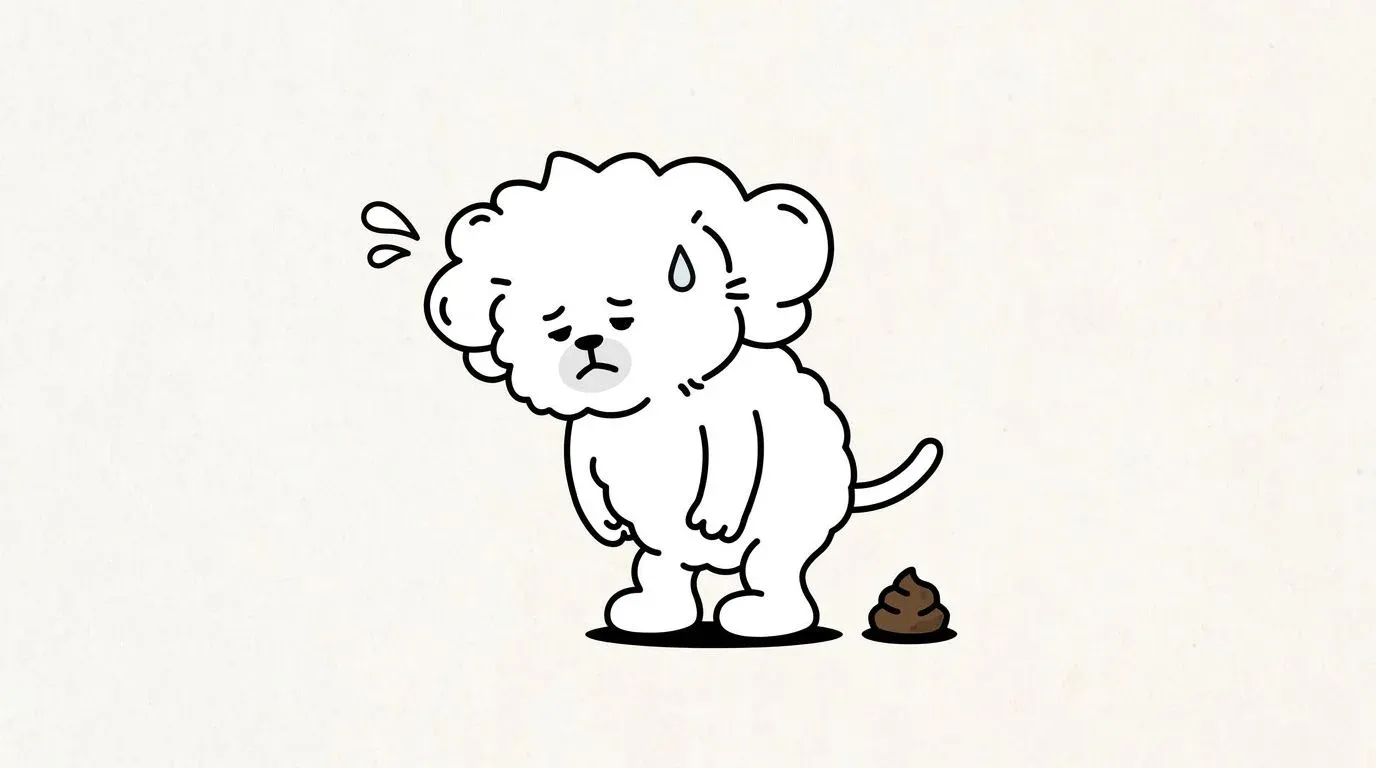
Your dog has been squatting, circling, and straining — but nothing is coming out. Whether this is the first time you’ve seen it or a recurring problem, dog constipation deserves a structured response rather than guesswork. This guide covers the full picture: what counts as constipation, why it happens, how to distinguish it from a dangerous obstruction, and the most effective home remedies with specific weight-based dosages that most resources leave out.
What Is Dog Constipation?
Constipation is a reduction in frequency, volume, or ease of defecation — not simply the absence of a single bowel movement. Understanding what normal looks like helps you recognize when something has gone wrong.
Normal Bowel Habits for Dogs
Most adult dogs defecate once or twice per day, though the range is wider than many owners realize. A healthy dog may go 12–24 hours without a bowel movement and show no signs of distress. Factors that influence frequency include:
- Diet composition: High-fiber diets typically produce more frequent, bulkier stools. Low-residue diets produce smaller, less frequent stools.
- Water intake: Dogs that drink more water tend to pass stools more easily and consistently.
- Exercise level: Physical activity stimulates intestinal motility (the rhythmic contractions that move waste through the colon).
- Age: Senior dogs often have slower gut motility and may naturally defecate less frequently than younger dogs.
- Breed: Large and giant breeds are disproportionately affected by conditions that impair defecation, including prostatic disease and orthopedic pain.
When Irregular Becomes Constipation
A working clinical threshold: if your dog has not had a bowel movement in 48 hours, that warrants active monitoring and supportive care. At 72 hours, veterinary contact is appropriate even in the absence of other symptoms. These timelines accelerate if your dog is straining unproductively, vomiting, refusing food, or showing abdominal distension.
Constipation is not the same as obstipation. Obstipation refers to severe, intractable constipation where the colon is so packed with hardened fecal matter that the dog is physically unable to pass anything. Obstipation always requires veterinary treatment.
Signs Your Dog May Be Constipated
Recognizing dog constipation symptoms early lets you intervene before the problem becomes serious.
Straining, Circling, and Unproductive Posturing
The most visible sign is a dog that assumes the defecation posture — squatting, back hunched — but produces little or nothing. Dogs often circle a spot repeatedly, squat and get up without producing stool, or make multiple attempts in quick succession. Some vocalize with effort. This is called tenesmus (straining to defecate), and it can look similar to urgency from diarrhea — the critical difference is what, if anything, is produced.
Hard, Dry, or Pebble-Like Stools
When a constipated dog does pass something, the stool is typically:
- Small, hard pellets rather than formed, moist logs
- Noticeably dry and crumbly
- Darker than usual from extended time in the colon
- Passed in fragments with significant effort
- Occasionally blood-streaked at the surface from straining
Secondary Symptoms: Bloating, Appetite Loss, Vomiting
Constipation that has persisted for more than 24–48 hours often produces secondary signs as fecal material accumulates and begins to cause discomfort:
| Symptom | What It Indicates |
|---|---|
| Reduced appetite or food refusal | Abdominal discomfort or nausea from colonic pressure |
| Abdominal bloating or firmness | Fecal accumulation in the colon |
| Vomiting | Possible vagal reflex from straining; in severe cases, functional obstruction |
| Lethargy or restlessness | Pain, discomfort, or dehydration |
| Scooting or licking hindquarters | Discomfort in the rectal area |
Early signs (0–24 hours): reduced defecation frequency, slightly harder stools, brief circling or straining.
Emergency signs (48+ hours with concurrent symptoms): abdominal distension, vomiting, complete absence of stool, visible pain, or any of the red flags listed in the blockage section below.
Common Causes of Dog Constipation
Understanding why constipation develops guides both treatment and prevention. Most cases involve one or more of these four categories.
Dehydration and Low-Fiber Diet
Water is essential for soft, well-formed stools. The colon is an organ designed to extract water from waste — when a dog is dehydrated, the colon pulls more aggressively, leaving stools dry and hard. Dogs on dry kibble diets are especially vulnerable if they don’t compensate with adequate water intake.
Dietary fiber plays a bidirectional role in gut function. Soluble fiber (found in pumpkin, oats, and psyllium) absorbs water and forms a gel that softens stool. Insoluble fiber (found in vegetable matter) adds bulk and speeds transit. A diet very low in fiber, or one composed primarily of highly digestible proteins with little residue, can reduce colonic stimulation and slow transit time.
Cooked bones are a well-documented dietary trigger. Unlike raw bones, cooked bones are brittle and form chalky, calcified fragments in the colon that pack densely and are very difficult to pass.
Lack of Exercise and Environmental Stress
Physical activity directly stimulates intestinal peristalsis — the wave-like contractions that propel waste toward the rectum. Dogs that are suddenly less active after surgery, injury, or a change in routine may develop constipation within days. Extended crate confinement without adequate outdoor access has the same effect.
Environmental stress can suppress the defecation reflex. Dogs that feel unsafe outside — due to noise, unfamiliar surroundings, new pets, or boarding — may suppress the urge to defecate repeatedly. Over time, chronically suppressed defecation leads to harder, drier stools as the colon continues to extract water from retained material.
Foreign Body Ingestion and Medication Side Effects
Non-food material in the colon is a common cause of constipation, especially in dogs that chew fabric, consume fur from excessive grooming, or ingest grass in large quantities. Hair mats in the colon — sometimes called trichobezoars when they form a compact mass — are particularly problematic in dogs that lick themselves heavily or cohabit with long-haired breeds whose shed fur they consume.
Several medications cause constipation as a side effect:
- Opioid analgesics (tramadol, buprenorphine): Reduce gut motility directly
- Antihistamines (diphenhydramine): Anticholinergic effect slows peristalsis
- Iron supplements: Bind water in the GI tract
- Antacids containing calcium or aluminum: Can cause hard, dry stools
- Sucralfate: Can cause constipation in some dogs at higher doses
If your dog recently started a new medication and constipation followed, mention this to your vet — dose adjustment or a supportive laxative protocol may be appropriate.
Enlarged Prostate, Hernias, and Orthopedic Pain
Structural and anatomical causes of constipation are more common than many owners realize, particularly in middle-aged and senior dogs.
Benign prostatic hyperplasia (BPH) — enlargement of the prostate gland — affects the majority of intact male dogs over 5 years of age. The enlarged prostate presses on the rectum, narrowing the passage and making defecation physically difficult and painful. Affected dogs often produce ribbon-like stools or strain extensively.
Perineal hernias occur when the muscles of the pelvic floor weaken, allowing abdominal contents to protrude into the perineal area. This displacement can trap loops of colon or rectum, causing obstruction and pain. They are most common in intact male dogs over 7 years.
Orthopedic pain — from hip dysplasia, lumbosacral disease, or arthritis — can make the squatting position painful enough that dogs avoid defecating or are unable to sustain the posture long enough to evacuate fully. If you notice your dog is reluctant to squat or gets up quickly after assuming the position, orthopedic evaluation is worth discussing with your vet alongside the constipation workup.
Breed-specific risk callout: Large and giant breeds (German Shepherds, Great Danes, Bernese Mountain Dogs) have higher rates of spinal and hip conditions that secondarily affect defecation. Brachycephalic breeds (Bulldogs, Pugs, French Bulldogs) with their compressed spinal anatomy also show elevated rates of lumbosacral stenosis, which can impair straining effort.
Puppies and Senior Dogs: Age-Specific Concerns
Age changes both the likelihood of constipation and the appropriate response.
Why Puppies Get Constipated — Weaning, Deworming, New Environments
Puppies during weaning (typically 3–7 weeks) transition from liquid mother’s milk to solid food. This dietary shift is one of the most common triggers of both constipation and diarrhea in young dogs. Solid food introduces bulk, unfamiliar fiber, and new proteins — and the puppy’s developing colon may respond with temporarily reduced motility.
Deworming medications, particularly at higher doses, can cause transient constipation in puppies. So can the stress of changing environments: a puppy brought into a new home may suppress defecation for 12–24 hours simply from the novelty and anxiety of the new setting.
For puppy constipation specifically:
- Do not use laxatives designed for adult dogs without veterinary guidance — puppies are far more sensitive
- Do not fast a constipated puppy — hypoglycemia (low blood sugar) can develop rapidly
- A warm, wet cloth gently wiped around the perineal area can stimulate defecation in puppies under 3 weeks whose mother would normally provide this stimulus
- If a puppy under 8 weeks has not defecated in 24 hours, contact your vet
Senior Dog Constipation — Decreased Gut Motility and Muscle Weakness
Senior dog constipation is among the most common GI complaints in older dogs and tends to be both more frequent and more serious than in younger adults. Several age-related changes converge:
Decreased gut motility: Smooth muscle in the colon loses tone with age, slowing transit time. Stool spends more time in the colon and becomes progressively drier.
Reduced water intake: Older dogs often drink less water, compounding the effect of slower transit. Kidney disease — prevalent in senior dogs — may cause the kidneys to concentrate urine less efficiently, increasing systemic water requirements.
Muscle weakness: The muscles of the pelvic floor and abdominal wall weaken with age, reducing the straining force needed for evacuation.
Concurrent medications: Senior dogs are often on multiple medications for arthritis, heart disease, or other conditions. Many of these (NSAIDs, opioids, certain cardiac drugs) have constipation as a side effect.
Megacolon risk: Prolonged or recurrent constipation in senior dogs can eventually lead to megacolon — irreversible dilation and loss of muscular function in the colon. This is the reason early and consistent management of constipation in older dogs matters. For nutritional strategies that support gut motility in aging dogs, see our senior dog diet and nutrition guide.
Constipation or Blockage? How to Tell the Difference
This distinction is the most critical triage decision in a potential constipation situation. Constipation that is managed conservatively at home when it is actually an intestinal obstruction can be fatal.
Typical Constipation Presentation
Constipation typically presents with:
- History of reduced or absent defecation for 24–72 hours
- Straining with unproductive or minimal output
- Hard, dry, or pebble-like stools if anything passes
- Dog is mildly uncomfortable but alert
- Abdomen is firm but not acutely painful to touch
- Mild appetite reduction
- Possible low energy, but not collapsed or distressed
- No foreign object ingestion confirmed or suspected
Red Flags That Suggest an Intestinal Obstruction
An intestinal obstruction is an emergency. The following signs shift the clinical picture away from simple constipation:
| Sign | Constipation | Possible Obstruction |
|---|---|---|
| Onset | Gradual, over 1–3 days | Can be sudden (hours after ingestion) |
| Abdominal pain | Mild discomfort | Severe — dog may cry, guard abdomen, resist touch |
| Vomiting | Possible, mild | Often repeated and persistent |
| Bloating | Mild or none | Progressive, can be severe |
| Appetite | Reduced | Usually completely absent |
| Energy level | Mild lethargy | Significant lethargy or weakness |
| Foreign object history | No | Possible (toy, bone, corn cob, sock) |
| Posture | Mild hunching | Praying posture (front down, rear up) |
| Progression | Slow | Rapidly worsening |
If any of the “obstruction” column applies to your dog — especially progressive vomiting, severe abdominal pain, or known foreign body ingestion — do not attempt home treatment. Go to an emergency veterinary clinic immediately.
Obstruction can occur in the small intestine (more acute and severe) or large intestine/colon (can mimic constipation more closely). X-rays are often needed to distinguish the two.
Home Remedies for Dog Constipation
When you’ve assessed that your dog has straightforward constipation — no obstruction red flags, no severe symptoms, no foreign body history — these home remedies are appropriate for a 24–48 hour trial in otherwise healthy adult dogs. Always consult your vet for puppies, senior dogs, or dogs with underlying health conditions.
Safe Foods That Help: Pumpkin, Sweet Potato, Bone Broth
Plain canned pumpkin puree remains the most consistently recommended dietary intervention. Its soluble fiber absorbs water in the colon and softens hardened stool. Use only plain 100% pumpkin puree — never pumpkin pie filling, which contains xylitol, nutmeg, cinnamon, and sweeteners.
Weight-based pumpkin dosing table:
| Dog Weight | Pumpkin Dose per Meal | Meals per Day |
|---|---|---|
| Under 10 lbs | 1 teaspoon | 2 |
| 10–20 lbs | 2 teaspoons | 2 |
| 21–40 lbs | 1 tablespoon | 2 |
| 41–70 lbs | 2 tablespoons | 2 |
| Over 70 lbs | 3–4 tablespoons | 2 |
Mix into regular food or offer alone. If your dog refuses pumpkin plain, warming it slightly (not hot) can make it more palatable. Results are typically visible within 12–24 hours.
Plain cooked sweet potato (no skin, no butter, no seasoning) works through a similar mechanism and is an alternative for dogs that dislike pumpkin. Comparable dosages apply. Avoid any preparation with onion, garlic, or salt.
Unsalted bone broth (made without onion or garlic) increases palatability of water and food while adding moisture directly to the GI tract. Offer it alongside regular water or pour a small amount over dry kibble. Sodium is a concern — choose low-sodium or homemade without salt.
A small amount of olive oil can lubricate the colon and ease stool passage. Dose conservatively: 1 teaspoon for small dogs under 20 lbs, 1 tablespoon for medium to large dogs. Use only occasionally — frequent olive oil supplementation adds significant calories and can trigger pancreatitis in susceptible dogs.
Hydration Strategies — Water Tricks That Work
Dehydration is a direct driver of constipation, so aggressive hydration is always the first step.
- Multiple water sources: Dogs often drink more when water is available in multiple locations. Add a second bowl in a room your dog frequents.
- Wet food or water-added kibble: Mixing 1–2 tablespoons of warm water into dry kibble raises water content and improves palatability. Transitioning partially to wet food during a constipation episode adds significant moisture.
- Ice cubes and cold water: Some dogs are attracted to the novelty of ice cubes or prefer cold water. Experiment with temperature.
- Flavor additives: A small splash of low-sodium broth, or water from a can of plain tuna in water (not oil), can motivate a reluctant drinker. Avoid anything containing onion, garlic, or artificial sweeteners.
- Water fountain: Dogs with outdoor access or free-roaming habits often drink more from moving water sources. A pet water fountain can increase daily intake by 20–50% in some individuals.
Gentle Abdominal Massage Technique
Gentle abdominal massage can stimulate peristalsis and help move stool toward the rectum. It is safe to perform at home when your dog is comfortable and showing no signs of severe pain.
- Place your dog in a relaxed, standing or side-lying position
- Using the flat of your fingers (not fingertips), apply gentle circular pressure along the abdomen — start behind the ribcage and move toward the hindquarters, following the path of the colon (left side of the abdomen)
- Use light to moderate pressure — you should feel soft tissue movement, not cause pain or resistance
- Continue for 5–10 minutes, 2–3 times per day
- Stop immediately if your dog cries, tenses, pulls away sharply, or shows any sign of acute discomfort
Massage is an adjunct, not a primary treatment. It works best alongside hydration and dietary fiber increases.
Can You Give a Dog MiraLAX? Safety and Dosage
MiraLAX (polyethylene glycol 3350, or PEG 3350) is an osmotic laxative that works by pulling water into the colon, softening stool without stimulating muscle contractions. It is a human over-the-counter product that veterinarians do use in dogs — but with important caveats.
What veterinary guidance says: VCA Animal Hospitals and the Merck Veterinary Manual acknowledge PEG 3350 as an acceptable short-term option for dogs under appropriate circumstances. However, it is not labeled for dogs, and appropriate dosing requires a veterinarian’s assessment.
General published guidance (not a substitute for a vet recommendation):
| Dog Weight | MiraLAX Dose | Frequency |
|---|---|---|
| Under 10 lbs | 1/8 teaspoon | Once daily |
| 10–25 lbs | 1/4 teaspoon | Once daily |
| 25–50 lbs | 1/2 teaspoon | Once daily |
| Over 50 lbs | 1 teaspoon | Once daily |
Mix into food or water. Effects typically appear within 24–48 hours.
When NOT to use MiraLAX without vet clearance:
- Your dog has kidney disease (altered fluid balance is a concern)
- You suspect intestinal obstruction rather than functional constipation
- Your dog is a puppy under 12 weeks
- Your dog is vomiting — oral laxatives are contraindicated
- Constipation has lasted more than 72 hours without any output
Do not use stimulant laxatives (bisacodyl, senna) in dogs without direct veterinary guidance. These work by irritating the colon lining and can cause severe electrolyte imbalances.
When to See a Vet
Constipation that doesn’t resolve with 24–48 hours of home care, or that presents with any concerning symptoms, requires veterinary evaluation.
Emergency Signs That Need Immediate Attention
Go to a veterinary emergency clinic immediately if your dog shows:
- No stool for 72+ hours despite home care
- Progressive or repeated vomiting alongside straining
- Severe abdominal pain — crying, guarding, praying posture, rigid abdomen
- Collapse, extreme weakness, or inability to rise
- Known or suspected foreign body ingestion in the past 24–72 hours
- Visible rectal prolapse (pink tissue protruding from the anus)
- Progressive abdominal distension that is getting worse by the hour
Call your vet within 24 hours if:
- No bowel movement for 48+ hours with any secondary symptom (appetite loss, vomiting, lethargy, bloating)
- Your dog is a puppy or senior dog with constipation lasting more than 24 hours
- You’ve tried home remedies for 24 hours with no improvement
- Your dog is straining repeatedly and passing blood
- Constipation is recurrent (third episode within a month)
- Your dog is intact male and middle-aged or older (rule out prostatic disease)
What to Expect at the Vet Visit
A veterinarian assessing constipation will typically:
- Take a history: Duration, diet, water intake, medications, any foreign body access, recent changes in routine
- Abdominal palpation: Feeling for fecal masses, pain, and organ position
- Rectal examination: Assessing sphincter tone, the presence of masses or strictures, and stool character
- Radiographs (X-rays): The most common diagnostic tool — allows assessment of fecal load in the colon, identification of foreign material, and evaluation of prostatic size
- Bloodwork and urinalysis: To check kidney function, calcium levels, and identify metabolic causes
- Enema or manual evacuation: Administered under sedation for moderate to severe constipation — do not attempt enemas at home unless specifically directed by your vet
- Underlying disease workup: If constipation is recurrent, additional diagnostics including ultrasound, hormonal panels, or colonoscopy may be recommended
Dogs with vomiting accompanying their constipation need expedited evaluation, as this combination raises concern for obstruction or significant colonic impaction.
Preventing Constipation Long-Term
For dogs that experience recurrent constipation, management is ongoing rather than episodic.
Fiber Balance and Hydration Habits
Consistent dietary fiber — through food or supplementation — maintains colonic transit and prevents the accumulation of dry, hard stool. Practical strategies:
- Transition foods gradually: Any new food should be introduced over 7–10 days to prevent both diarrhea and constipation from microbiome disruption.
- Add canned food or water to dry kibble: Even a partial wet food transition significantly increases daily water intake.
- Psyllium husk (Metamucil — plain, unflavored): An evidence-backed soluble fiber supplement used in veterinary practice. Typical dose is 1/2 to 2 teaspoons per meal depending on dog size, always given with extra water. Discuss dosing with your vet for ongoing use.
- Avoid cooked bones: The most preventable dietary cause of hard, chalky constipation.
- Limit high-calcium treats: Cheese, yogurt, and dairy in large amounts can contribute to drier stools in some dogs.
Exercise, Routine, and Gut Health Maintenance
Regular physical activity is one of the most effective long-term constipation prevention strategies. Dogs that walk daily or engage in active play maintain better gut motility than sedentary dogs, particularly as they age.
Routine matters — dogs are creatures of habit, and consistent defecation times reinforce gut rhythm. Try to schedule outdoor access at the same times daily, and allow adequate time (10–15 minutes) for your dog to defecate without rushing.
Probiotics support the gut microbiome and may reduce constipation recurrence by improving colonic bacterial diversity. The evidence is strongest for strains specifically tested in dogs, including Lactobacillus acidophilus and Enterococcus faecium. Probiotics are supportive tools, not a cure — they work best as part of a consistent digestive health regimen. For a detailed breakdown of probiotic selection and timing, see our dog gut health and probiotics guide.
Persistent constipation in dogs with concurrent diarrhea episodes — alternating between the two — suggests a possible diagnosis of irritable bowel disease or dysbiosis. These cases benefit from a thorough dietary assessment and fecal microbiome testing, and warrant ongoing veterinary involvement rather than cycling through home remedies.
If your dog’s digestive health seems unpredictable — cycling between loose stools and constipation — reviewing our dog diarrhea causes and remedies guide alongside this one will give you a complete picture of canine GI health and help you identify patterns that warrant a diagnostic conversation with your vet.
FAQ
How long can a dog go without pooping?
Does pumpkin really help dog constipation?
Is MiraLAX safe for dogs?
Can dog constipation resolve on its own?
What foods cause constipation in dogs?
Related Articles
7 Silent Signs of Cat Arthritis Most Owners Miss
Cat arthritis symptoms are easy to miss because cats hide pain instinctively. Learn the 7 behavioral signs, how vets diagnose feline joint disease, and what you can do at home.
Dog Skin Allergies: Types, Symptoms, and Management Guide
Dog skin allergies: 3 types, symptom patterns by location, 8–12 week elimination diet protocol, and treatment options including JAK inhibitors.
Dog Arthritis: Symptoms and Management
Recognize early signs of arthritis in dogs and learn effective management strategies for pain relief and improved mobility.
Dog Cruciate Ligament Tear: 7 Things Every Owner Must Know
Dog cruciate ligament tear guide: recognize symptoms, compare TPLO vs TTA surgery, follow a phased recovery timeline, and protect the opposite knee.
Dog Ear Infections: Causes, Symptoms, Treatment & Prevention
Dog ear infection causes, symptoms, and treatment: bacterial vs yeast differences, high-risk breeds, step-by-step ear cleaning, and when to see a vet.
Is Your Dog Showing Signs of IVDD? Symptoms, Stages, and What to Do
Learn to recognize IVDD in dogs symptoms by grade and spinal region, understand treatment options from conservative care to surgery, and manage recovery at home.
Dog Hip Dysplasia: 6 Essential Facts Every Owner Should Know
Learn the key facts about dog hip dysplasia — from at-risk breeds and early symptoms to PennHIP vs OFA diagnosis and home care exercises.
Why Is My Dog Limping? A Cause-by-Cause Diagnosis Guide
Dog limping on front or back leg? Learn the most common causes by leg and age, a home observation checklist, and when the limp needs emergency care.
If Your Dog's Hind Legs Are Getting Thinner, It Could Be Sarcopenia
Dog muscle atrophy in hind legs is an early warning sign of sarcopenia. Learn the stages, causes, BCS/MCS self-assessment, and evidence-based recovery strategies.
The Hidden Link Between Your Dog's Weight and Joint Health
Extra weight does far more than strain your dog's joints — it actively inflames them. Learn the dual-pathway science and a practical roadmap to protect joint health.
Dog Periodontal Disease: Symptoms, Stages, and What Every Owner Should Know
Learn the 4 stages of dog periodontal disease symptoms, warning signs, treatment options, and daily home care steps to protect your dog's teeth and overall health.
Puppy Growth Plate Care: Safe Exercise and Breed Timelines
Learn how to protect puppy growth plates with breed-specific closure timelines, age-based exercise limits, and nutrition guidelines. Evidence-based guide.
Complete Guide to Patellar Luxation in Dogs
Learn about the causes, symptoms, grades, treatment options, and prevention of patellar luxation in dogs.
Cat FLUTD: Symptoms, Causes, Treatment, and Prevention Guide
Comprehensive guide to cat FLUTD — covering feline lower urinary tract disease symptoms, causes, treatment options, cost expectations, and home prevention strategies.
A Veterinary Guide to Cat Dental Health: From Home Care to Professional Treatment
Protect your cat's dental health with vet-backed guidance on periodontal disease, FORL, stomatitis, a 4-week toothbrushing protocol, and cleaning criteria.
Kennel Cough in Dogs: Symptoms, Treatment, and Prevention Explained
Recognize kennel cough symptoms, distinguish it from tracheal collapse and heart disease, and learn which vaccines offer the best protection for your dog.
Why Is My Dog Reverse Sneezing? Causes, Remedies, and When to See a Vet
Learn what causes reverse sneezing in dogs, how to distinguish it from tracheal collapse or kennel cough, and when the symptom warrants a vet visit.
Cat Vomiting: 7 Common Causes, Color Guide, and When to See a Vet
Understand cat vomiting causes — from hairballs to serious illness. Includes a full vomit color chart with urgency ratings and a step-by-step home care guide.
Cat Constipation: More Water Won't Always Fix It — Causes, Remedies, and When to See a Vet
Cat constipation causes and remedies: 7 causes, 3-stage severity guide, home care with belly massage and pumpkin, Miralax dosing, and vet visit thresholds.
Why Does My Cat Have Diarrhea? Causes, Stool Color Guide, and When to Act
Discover the 7 most common cat diarrhea causes, decode stool colors with our risk chart, learn safe home remedies, and know exactly when to call your vet.
Cat Diabetes Symptoms, Treatment, and Remission: A Complete Guide
Recognize cat diabetes symptoms early, understand insulin and SGLT2 treatment, get a realistic cost breakdown, and learn what remission really means.
Dog Diarrhea Causes: Color Guide and Day-by-Day Home Care
Dog diarrhea causes explained by stool color, with a day-by-day home care protocol, vet warning signs, and weight-based pumpkin dosages.
Cherry Eye in Dogs: Causes, Treatment, and Surgery Costs
Cherry eye in dogs won't resolve on its own. Learn causes, at-risk breeds, surgical options, realistic US costs ($300–$2,500), and recovery what to expect.
5 Causes of Bad Breath in Dogs and What Each Smell Means
Dog bad breath causes span dental disease to kidney failure. Decode 5 root causes by smell type, with a home check protocol and vet-backed remedies.
Dog Deworming Guide: Schedule, Types & Side Effects
Dog deworming guide: worm types, life-stage schedules, OTC vs prescription options, side effects, natural remedies, and zoonotic risks for families.
Cat Vaccination Schedule: What Every Cat Owner Needs to Know
AAFP-based cat vaccination schedule by age: kitten series, adult boosters, senior care, titer testing, FISS risks, and rescue cat protocols. With costs.