 Cirius Petpedia
 Will a Dog UTI Go Away on Its Own? Myths vs Facts
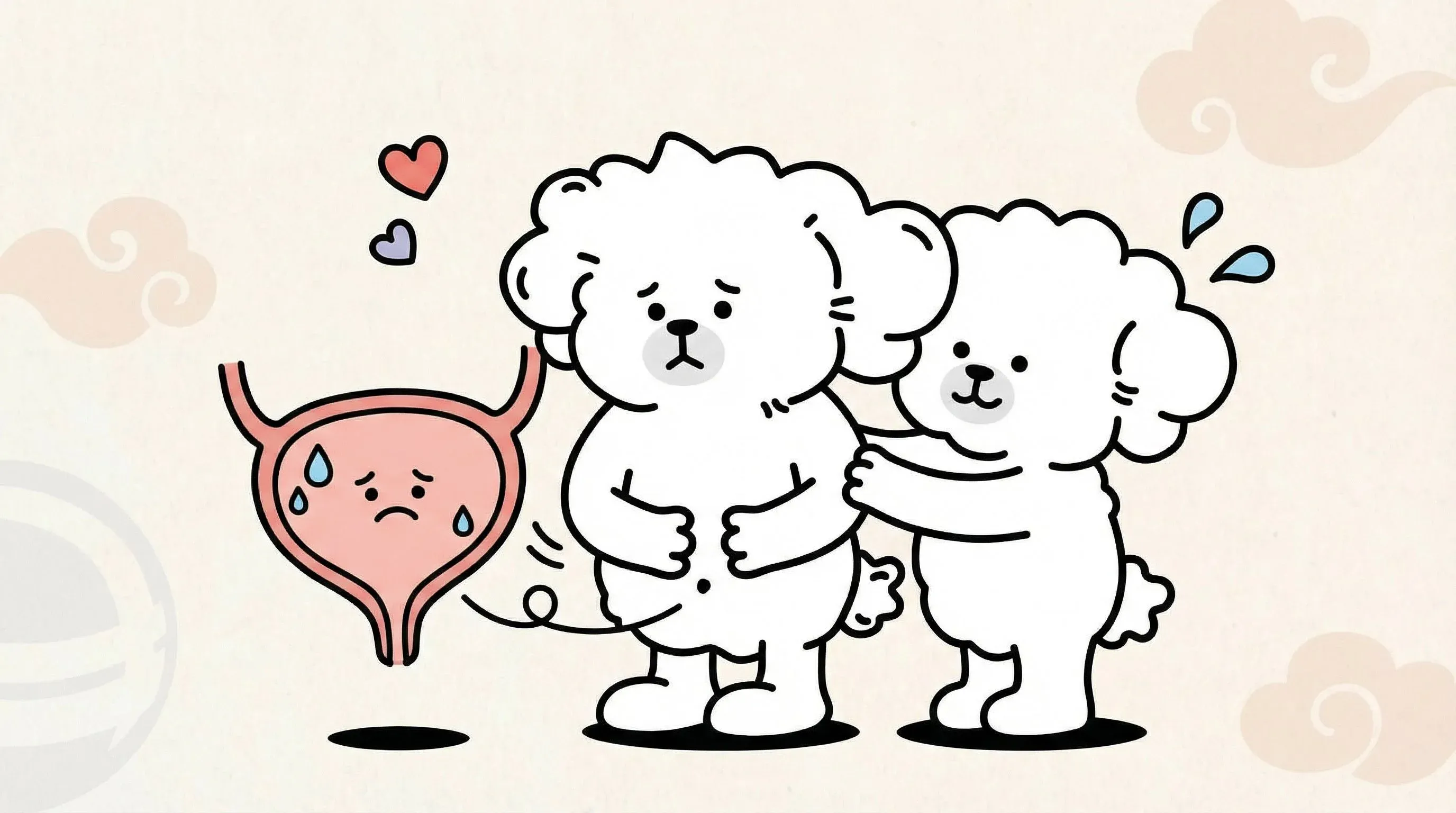
Your dog squats to urinate, strains, and produces only a few drops. Then tries again ten minutes later. If you’ve seen this pattern — or noticed a pink tinge in the urine, a stronger-than-usual odor, or your dog obsessively licking the urethral area — a urinary tract infection is the most likely explanation.
Dog UTIs are among the most common infections seen in small animal practice, affecting an estimated 14% of dogs at some point in their lives. Most cases are straightforward and respond well to treatment. But the decisions owners make in those first hours — wait or act, vet visit or home remedy, finish the antibiotics or stop when the dog seems better — make the difference between a resolved infection and a recurring, resistant one.
This guide covers everything dog owners need to know: how UTIs actually develop, who’s at greatest risk, what the symptoms look like at each stage, how diagnosis and treatment work, what it costs, and whether any home remedies actually have evidence behind them.
What Is a Dog UTI?
A urinary tract infection (UTI) in dogs is a bacterial infection affecting one or more parts of the urinary tract: the urethra, bladder, ureters, or kidneys. The vast majority of dog UTIs are bacterial in origin, with Escherichia coli (E. coli) accounting for approximately 50% of cases. Other common organisms include Staphylococcus, Proteus mirabilis, Klebsiella, and Enterococcus species.
How the Canine Urinary System Works
The urinary system filters waste from the blood, concentrates it into urine, and expels it from the body. The kidneys filter approximately 20% of the heart’s blood output at any moment, excreting waste products while retaining essential electrolytes and water. Urine travels from the kidneys through the ureters to the bladder, where it is stored until voiding — then passes through the urethra to exit the body.
Several natural defenses normally keep bacteria out: the flushing action of urine flow, the mildly acidic pH of healthy dog urine, local immune cells lining the bladder wall, and physical barriers at the urethral opening. A UTI develops when these defenses are compromised — by anatomical features, underlying disease, or simply bacteria present in sufficient numbers to overwhelm the normal barriers.
UTI vs Cystitis vs Bladder Stones: Key Differences
These terms are frequently used interchangeably but describe distinct — if overlapping — conditions:
| Term | What It Means | Common Cause |
|---|---|---|
| UTI (urinary tract infection) | Bacterial infection anywhere in the urinary tract | E. coli and other bacteria ascending from the environment |
| Cystitis | Inflammation of the bladder, with or without infection | Bacterial UTI, bladder stones, sterile idiopathic inflammation |
| Bladder stones (urolithiasis) | Mineral crystal deposits in the bladder | Struvite crystals (often from UTI), calcium oxalate crystals |
| Pyelonephritis | Bacterial infection of the kidneys | Ascending UTI, bloodborne bacteria |
The important takeaway: a dog can have cystitis without a bacterial infection (sterile cystitis), and bladder stones often cause UTI-like symptoms without being an infection. Proper diagnosis distinguishes these conditions — which is why urinalysis and sometimes imaging are essential, not optional.
Common Causes of UTIs in Dogs
Bacterial Infection: The Ascending Pathway
Most canine UTIs develop through the ascending pathway: bacteria from the environment or the skin near the urethral opening migrate up the urethra into the bladder. This is why the length of the urethra matters — anatomically shorter urethras offer bacteria a shorter route to the bladder. In healthy dogs with normal immune function and regular urination, this ascent is usually blocked. But when urine is held for long periods, when immune defenses are weakened, or when anatomy makes the path shorter, infection takes hold.
Less commonly, bacteria reach the urinary tract through the bloodstream (hematogenous spread) from an infection elsewhere in the body — a wound, dental disease, or systemic illness.
Underlying Conditions: Stones, Tumors, Diabetes
UTIs in dogs are not always straightforward primary infections. In many cases — particularly when UTIs recur — an underlying condition is creating the environment for infection:
Bladder and kidney stones physically damage the bladder wall, disrupting local immunity, and create surfaces where bacteria can colonize. Dogs with recurrent UTIs that do not respond well to antibiotics should have an abdominal ultrasound to rule out stones.
Diabetes mellitus significantly increases UTI risk. Glucose in the urine (glucosuria) serves as a bacterial nutrient source, and hyperglycemia impairs white blood cell function — the very cells tasked with fighting infection. Dogs with diabetes who are managed for blood sugar control still require regular urinalysis because UTIs often develop silently without the dramatic symptoms seen in otherwise healthy dogs.
Tumors of the bladder or urethra are less common but can mimic UTI symptoms exactly. Transitional cell carcinoma, the most common canine bladder cancer, typically causes hematuria (blood in urine), straining, and frequent urination — identical to bacterial UTI. If symptoms persist despite appropriate antibiotic treatment, imaging is warranted.
Cushing’s disease (hyperadrenocorticism) elevates cortisol, which suppresses immune function and increases glucosuria, creating a hospitable environment for urinary bacteria.
Prostate disease in intact male dogs can seed the urinary tract with bacteria and cause recurrent infections.
Why Female Dogs Are More Prone
Female dogs develop UTIs at significantly higher rates than males — an estimated 3:1 ratio in most published veterinary series. The anatomical explanation is straightforward: a female dog’s urethra is shorter (approximately 5–10 cm vs. 20–30 cm in males) and opens closer to the rectum and vagina, environmental sources rich in bacteria.
Hormonal changes also play a role. Reduced estrogen after spaying can cause mild atrophy of the urethral mucosa, and some data suggests spayed females may face a modestly higher UTI risk than intact females — though spaying also eliminates the risk of pyometra, a far more dangerous condition. The net benefit of spaying substantially outweighs this modest UTI risk increase.
Signs specific to female dogs include frequent squatting with little urine produced, excessive licking of the vulvar area, and discharge from the vulva. These signs overlap with vaginitis and pyometra (uterine infection) — another reason that veterinary evaluation is important rather than home treatment based on symptom matching alone.
Breed and Age Risk Factors
UTI risk is not uniform across breeds and life stages. Certain anatomical and metabolic predispositions increase vulnerability:
| Breed / Age Group | Risk Factor |
|---|---|
| Shih Tzu, Bichon Frise | Recumbent vulvar conformation; reduced natural flushing |
| Miniature Schnauzer | High struvite stone risk; associated UTI |
| Dachshund | Spinal disease increases incomplete bladder emptying |
| Dalmatian, English Bulldog | Urate stone predisposition; stone-associated UTI |
| Senior dogs (8+ years) | Immune senescence; concurrent disease (diabetes, Cushing’s) |
| Puppies | Immature immune response; incomplete housetraining and hygiene |
| Intact female dogs | Hormonal fluctuations; short urethra |
Senior dogs deserve particular attention: UTIs in older dogs are more likely to be caused by unusual organisms, less likely to present with classic symptoms, and more likely to involve underlying disease. As part of the broader nutritional support for senior dogs, veterinarians often recommend periodic urinalysis even in asymptomatic older dogs precisely because of this silent UTI pattern.
UTI Symptoms Checklist
Early Signs: Frequent Urination and Straining
The earliest signs of a dog UTI mimic the body’s attempt to flush out the irritant — more frequent urination and discomfort during voiding.
Early signs to watch for:
- Urinating more often than usual, often in small amounts
- Straining or squatting repeatedly with little output
- Urgency — running to the door or urinating before reaching the usual spot
- Excessive licking of the genital area after urination
- Whimpering or appearing uncomfortable during urination
- New indoor accidents in a housetrained dog (if the dog deposits small amounts on vertical surfaces, this may be indoor marking behavior rather than a UTI symptom)
These signs can easily be mistaken for overexcitement, a behavioral regression, or dietary changes. The critical distinguishing feature is the combination of increased frequency with reduced volume — a dog drinking more water and urinating proportionally more is less concerning than a dog that squats every few minutes and produces almost nothing.
Advancing Symptoms: Blood in Urine, Cloudy Urine, Odor Changes
As a UTI progresses without treatment, the signs become more pronounced:
Urine appearance guide:
| Appearance | What It Suggests |
|---|---|
| Clear to pale yellow | Normal (well-hydrated dog) |
| Dark yellow to amber | Concentrated urine; possible dehydration |
| Cloudy or milky white | Possible infection; white blood cells or bacteria present |
| Pink tinge | Small amount of blood (hematuria); warrants same-day vet call |
| Bright red or frank blood | Significant hematuria; urgent veterinary evaluation |
| Brown or port-wine color | Possible muscle breakdown (different condition); emergency |
Odor changes: Infected urine often has a noticeably stronger or “fishy” smell due to bacterial metabolic byproducts. A sudden, marked change in urine odor — especially combined with other UTI signs — is a meaningful clinical signal.
Recognizing pain in your dog: Many dogs do not vocalize pain directly. Instead, a dog with a UTI may adopt a hunched posture, be reluctant to sit or lie down comfortably, or show subtle behavioral changes like reduced play interest or becoming more withdrawn. The guide on recognizing pain signals in dogs covers these behavioral indicators in detail.
Red Flags: Inability to Urinate, Fever, Lethargy
These signs indicate either a severe lower UTI, an upper urinary tract infection (pyelonephritis), a urinary blockage, or a systemic complication. Do not wait for a scheduled appointment — seek veterinary care the same day or after hours at an emergency clinic.
Emergency signs requiring immediate veterinary attention:
- Straining to urinate with no output at all — possible urinary blockage (more common in male dogs; life-threatening within hours)
- Crying, yelping, or clear signs of severe pain during urination attempts
- Visible abdominal distension or a firm, painful abdomen
- Fever (rectal temperature above 103°F / 39.4°C), combined with lethargy and loss of appetite — suggests kidney involvement
- Vomiting combined with urinary symptoms
- Collapse or profound weakness
Urinary blockage — caused by stones, a mucus plug, or severe urethral inflammation — is particularly dangerous in male dogs because the longer, narrower urethra is more prone to complete obstruction. A male dog that has been straining without urinating for more than two hours needs emergency care.
Diagnosis and Treatment
Vet Tests: Urinalysis, Culture, Ultrasound
A proper dog UTI diagnosis requires laboratory testing. Symptoms alone cannot confirm a UTI, identify the bacteria involved, or rule out underlying conditions. This matters because the choice of antibiotic depends on the specific organism — and empiric treatment without culture increases the risk of prescribing an ineffective drug.
Standard diagnostic steps:
Urinalysis ($25–75): The first-line test examines urine sediment under a microscope for white blood cells (pyuria), red blood cells (hematuria), bacteria, and crystals. A urine dipstick component screens for pH, glucose, protein, and ketones. Results are available within minutes to an hour. A finding of white blood cells and bacteria in the sediment strongly supports UTI.
Urine culture and sensitivity ($100–200): Urine is plated onto culture media to identify the specific bacteria and test it against a panel of antibiotics, determining which drugs will be effective. Results take 48–72 hours. Culture is the gold standard for confirming bacterial UTI and guiding antibiotic selection — particularly important for recurrent infections or when initial treatment fails.
How to collect urine for testing: Your veterinarian may ask you to bring a urine sample from home. Use a clean container and collect midstream urine (let your dog start urinating, then catch the sample from the middle of the stream, not the beginning or end). Ideally, collect first-morning urine (most concentrated) and bring it to the clinic within 1–2 hours. Alternatively, the vet may collect urine by cystocentesis — a quick, minimally invasive needle puncture through the abdominal wall directly into the bladder, which gives an uncontaminated sample.
Abdominal X-ray or ultrasound ($150–350): Recommended for dogs with recurrent UTIs, blood in urine, or when stones or masses are suspected. Ultrasound can visualize bladder wall thickening, stones as small as a few millimeters, and kidney changes suggesting pyelonephritis.
Blood panel ($100–200): Ordered when the dog appears systemically ill, when kidney involvement is suspected, or to screen for underlying conditions (diabetes, Cushing’s) in dogs with recurrent infections.
Antibiotic Treatment and Duration
Antibiotics are the cornerstone of bacterial UTI treatment in dogs. The choice of antibiotic is ideally guided by culture and sensitivity results. For first-time, uncomplicated lower UTIs with typical symptoms, veterinarians commonly start empirically (before culture results return) with antibiotics known to have good activity against common urinary pathogens.
Commonly prescribed antibiotics for dog UTIs:
| Antibiotic | Notes |
|---|---|
| Amoxicillin-clavulanate (Clavamox) | Broad-spectrum; first-line for many uncomplicated UTIs |
| Trimethoprim-sulfamethoxazole | Effective against many urinary pathogens; affordable |
| Enrofloxacin (Baytril) | Fluoroquinolone; reserved for more resistant organisms |
| Amoxicillin | Used for susceptible organisms; less expensive option |
| Nitrofurantoin | Achieves high urine concentrations; useful for lower UTIs |
Duration of treatment:
- Uncomplicated lower UTI (first occurrence, no underlying disease): 7–14 days is standard per ISCAID (International Society for Companion Animal Infectious Diseases) guidelines. Some studies support 3–5 day courses for specific antibiotics in uncomplicated cases, but 7 days remains the most common clinical practice in the US.
- Recurrent or complicated UTI (concurrent disease, stones, prior treatment failure): 4–6 weeks is often prescribed.
- Pyelonephritis (kidney infection): At least 4 weeks; requires follow-up culture.
A follow-up urinalysis 5–7 days after completing the full antibiotic course is recommended to confirm bacterial clearance — not just symptom resolution.
Treatment Costs: What to Expect
| Cost Item | Typical US Range |
|---|---|
| Veterinary exam / office visit | $50–100 |
| Urinalysis | $25–75 |
| Urine culture and sensitivity | $100–200 |
| Abdominal X-ray | $150–250 |
| Abdominal ultrasound | $200–350 |
| Antibiotics (7–14 day course) | $20–60 |
| Total (uncomplicated, first UTI) | $95–435 |
| Total (recurrent / complicated, with imaging) | $300–800+ |
These ranges reflect typical US veterinary pricing in 2025–2026 and vary by region, practice type (private practice vs. specialty hospital), and whether additional tests are needed. Emergency or after-hours visits add a surcharge of $100–200 or more.
Pet insurance that covers illness (not just accidents) generally reimburses urinalysis, culture, and medication costs after the deductible. For dogs with recurrent UTIs or predisposing conditions, insurance enrollment before the first diagnosis can meaningfully offset long-term costs.
Will a Dog UTI Go Away on Its Own? Myths vs Facts
This question appears in Google’s “People Also Ask” for a reason — it reflects genuine uncertainty among dog owners. The answer is nuanced but tends toward a clear conclusion for practical purposes.
What Veterinary Research Actually Says
A small subset of bacterial UTIs in otherwise healthy dogs — specifically, asymptomatic bacteriuria (bacteria found in urine with no clinical signs) — may resolve without treatment in some cases. The 2019 ISCAID guidelines note that asymptomatic bacteriuria in non-immunocompromised dogs and cats may not always require antibiotic treatment, given concerns about resistance and disruption of normal flora.
This is importantly different from saying “wait and see when symptoms are present.” Dogs that are actively showing signs of UTI — straining, blood in urine, increased frequency, discomfort — have a symptomatic infection that is unlikely to resolve spontaneously. The bacteria responsible have already colonized the bladder wall, and normal urination flow is insufficient to flush them out at this stage.
The data on spontaneous resolution: No large controlled studies demonstrate that symptomatic bacterial UTIs in dogs reliably resolve without treatment within a clinically acceptable timeframe. The analogy to human UTIs is imperfect — human guidelines for uncomplicated UTI in women do support watchful waiting in specific circumstances, but canine urinary anatomy, normal flora, and the density of bacterial colonization differ in ways that make direct comparison unreliable.
Risks of Waiting Without Treatment
Choosing not to treat a symptomatic dog UTI carries meaningful risks:
Ascending infection: Bacteria that colonize the bladder can migrate up the ureters to the kidneys. Pyelonephritis (kidney infection) is significantly more painful, harder to treat, and can cause permanent kidney damage. A dog that seemed to have a mild bladder infection can deteriorate quickly once kidney involvement develops.
Chronic cystitis: Untreated or inadequately treated infection causes ongoing bladder wall inflammation. Over time, this can alter the bladder’s structural integrity and predispose the dog to recurrent infections and scarring.
Antibiotic resistance: Leaving bacteria under partial antibiotic pressure — either from stopping treatment early or from single-dose or short-course home attempts — selects for resistant strains. These are harder to eradicate with standard antibiotics on the next infection cycle.
Masking underlying disease: Delaying diagnosis allows conditions like bladder stones, tumors, or diabetes to progress undetected while causing ongoing damage.
Why Stopping Antibiotics Early Leads to Recurrence
This is perhaps the most clinically important piece of advice in this guide. When a dog with a UTI starts antibiotics, symptoms typically improve within 2–4 days. The dog seems fine. Many owners stop the medication at this point — the dog is clearly better, and the pills are a daily struggle.
Stopping early is a significant mistake. Symptom resolution reflects a reduction in bacterial load, not complete eradication. The bacteria that remain after 2–3 days of antibiotics are often the most resistant members of the original population. Continuing the full prescribed course exposes those remaining bacteria to the lethal concentration of antibiotic needed to eliminate them. Stopping early hands them a survival advantage.
The practical consequence: the infection returns within weeks, now with a higher proportion of drug-resistant organisms, requiring either higher-dose treatment, longer courses, or a switch to more potent antibiotics with more side effects.
Home Care and When to See a Vet
What You Can Do Before the Vet Visit
There is a meaningful role for supportive care while you wait for a vet appointment — but it is supportive, not curative.
Increase water intake. Dilute urine and higher urine flow rates reduce bacterial concentration in the bladder and increase the mechanical flushing effect. Offer fresh water more frequently, add a low-sodium, unseasoned broth to the water bowl, or use a pet water fountain (some dogs drink significantly more from flowing water). Wet food or rehydrated dry food can also increase fluid intake.
Frequent urination opportunities. Take your dog outside more often — every 2–3 hours if possible. Frequent voiding reduces the time bacteria have to replicate and adhere to the bladder wall, and gives your dog relief from the urgency sensation.
Keep the area clean. Gently clean the area around the vulva or prepuce with a damp, unscented cloth. Avoid harsh soaps or antiseptics, which can disrupt normal flora and cause irritation.
Do not give human OTC medications. Products like phenazopyridine (AZO), commonly used by humans for UTI symptom relief, are toxic to dogs. Cranberry supplements specifically formulated for dogs exist, but even these are not a substitute for veterinary diagnosis. There is no safe, effective over-the-counter UTI treatment for dogs equivalent to what exists for humans.
Cranberry Supplements, Probiotics, and Other Home Remedies: Do They Work?
Given the heavy volume of online searches for “dog UTI home remedies,” it is worth addressing the evidence directly.
Cranberry: The proposed mechanism is that proanthocyanidins (PACs) in cranberries inhibit bacterial adhesion to the bladder wall, particularly E. coli. This has some biological plausibility and has shown modest benefit in prevention studies in humans. In dogs, the evidence is limited — small studies suggest cranberry extract may reduce bacterial adhesion in laboratory conditions, but no controlled clinical trials demonstrate that cranberry treats or supplements cure an active dog UTI. Veterinary-formulated cranberry supplements may offer modest preventive benefit in dogs prone to recurrence. Cranberry juice for humans is not appropriate — the sugar content is too high, and many products contain xylitol or other additives toxic to dogs.
Apple cider vinegar (ACV): No veterinary evidence supports ACV as a UTI treatment in dogs. The theoretical argument — that it acidifies urine — is undermined by the fact that the tiny amount of ACV a dog would consume has negligible effect on urine pH. More importantly, bacterial UTI pathogens like E. coli grow well across a range of pH values. Adding ACV to water may also deter some dogs from drinking, counterproductive when hydration is important.
Probiotics: Some research suggests that probiotic supplementation (particularly Lactobacillus strains) may support urinary health by influencing the urinary microbiome and competing with pathogenic bacteria. This is an area of active research; current evidence is not strong enough to recommend probiotics as UTI treatment, but they are safe and may contribute to preventive strategies, especially in dogs with a history of antibiotic-associated gut disruption.
D-mannose: A naturally occurring sugar that some research suggests can reduce E. coli adhesion to the urinary tract. Human clinical evidence is modest; dog-specific data is very limited. Like cranberry, it may have preventive potential but is not a treatment for active infection.
Summary: None of the commonly discussed home remedies replaces antibiotic treatment for confirmed bacterial UTI. They may complement veterinary care and play a role in prevention, but using them to delay or replace a vet visit extends the dog’s discomfort and infection risk.
Emergency vs Routine: A Decision Framework
| Signs | Action |
|---|---|
| Straining with zero urine output (especially male dog) | Emergency: go immediately |
| Obvious severe pain, crying, or collapse | Emergency: go immediately |
| Blood in urine + lethargy + vomiting | Emergency: go same day |
| Blood in urine (bright red), urinating normally | Urgent: vet within 24 hours |
| Cloudy or pink-tinged urine, frequent urination, straining | Same day or next morning |
| Mild odor change, slightly increased frequency | Next available appointment (within 48 hours) |
| Dog acting completely normal, incidental blood found | Schedule a vet visit within a few days |
When in doubt, call your veterinarian’s office. Most practices can triage over the phone and advise whether the situation warrants emergency care.
Preventing UTIs in Dogs
Recurrence is one of the most frustrating aspects of canine UTIs. Some dogs — particularly intact females, dogs with anatomical predispositions, or those with underlying conditions — experience repeated infections. Prevention strategies address the underlying vulnerabilities.
Hydration and Water Intake Tips
Adequate hydration is the most evidence-supported preventive measure for urinary health. Dilute urine reduces bacterial concentration, and the regular production of higher urine volumes increases the flushing effect that clears bacteria before they establish an infection.
Strategies to increase water intake:
- Keep water bowls clean and filled with fresh water — dogs drink less from stale or contaminated water
- Offer multiple water stations in the home
- Use a pet water fountain — studies in cats show increased intake from flowing water; this likely applies to dogs as well
- Add moisture to the diet through wet food or rehydrated kibble
- Unsalted, unseasoned low-sodium broth (chicken or beef) as a water additive can significantly increase consumption in reluctant drinkers
- Provide water during and after exercise, not just at home
The goal is pale yellow, clear urine. Dark yellow or amber urine indicates the dog is not drinking enough relative to activity level and environmental conditions. For detailed daily water targets by body weight, dehydration self-tests, and practical strategies for getting reluctant dogs to drink more, see the dog water intake and hydration guide.
Diet and Foods That Support Bladder Health
Diet influences urinary health through several mechanisms: urine pH, mineral balance (which affects stone formation), and general immune function. For dogs who form struvite stones — the most common stone associated with bacterial UTI — diets that promote a more acidic urine pH can reduce recurrence risk. Your veterinarian may recommend a prescription urinary diet for dogs with stone-associated UTIs.
General dietary principles that support urinary health:
- Adequate moisture: Wet or raw food diets naturally produce more dilute urine compared to dry kibble-only diets
- Controlled magnesium and phosphorus: High levels of these minerals contribute to struvite crystal formation; therapeutic urinary diets manage these levels precisely
- High-quality protein sources: Support immune function without excess metabolic waste products that concentrate in urine
- Vitamin C: Modest antioxidant supplementation may support bladder wall integrity; however, excess vitamin C (ascorbic acid) can actually promote calcium oxalate stone formation — avoid megadosing
The relationship between diet, kidney function, and urinary health is covered in the guide to dog kidney health and diet, which includes specific food recommendations for dogs with compromised renal function — a population at particularly high UTI risk. For cat owners who want to compare urinary health management across species, the approach to feline lower urinary tract disease offers useful comparative context.
Hygiene and Environmental Management
Several hygiene practices meaningfully reduce UTI risk, particularly in female dogs:
Perineal hygiene: Keep the fur around the vulva trimmed to prevent fecal matter from adhering near the urethral opening. In breeds with skin folds near the vulva (recessed or hooded vulva), regular gentle cleaning is essential, as moisture accumulates in skin folds and creates a bacterial reservoir.
Regular bathing: Not excessive — overbathing can disrupt the skin microbiome — but routine bathing every 2–4 weeks removes environmental bacteria from the coat and skin near sensitive areas.
Frequent urination opportunities: Dogs that are left alone for 8+ hours without a bathroom break are holding urine far longer than is healthy. If your schedule requires long absences, a midday dog walker or dog door access to a secure yard significantly reduces UTI risk by ensuring regular bladder emptying.
Post-walk cleanup: Rinse or wipe paws and the belly/groin area after walks, particularly in urban environments or areas where the dog has contact with other animals’ urine.
The Role of Regular Vet Checkups
Many UTIs — especially in senior dogs and those with underlying conditions — are asymptomatic (subclinical bacteriuria). The dog does not seem bothered but is harboring an active infection that can ascend to the kidneys or seep into the systemic circulation during a time of immune stress.
Recommended urinalysis frequency:
| Dog Profile | Recommended Urinalysis |
|---|---|
| Healthy adult dog with no history of UTI | Annually (as part of routine wellness exam) |
| Dog with prior UTI (single episode) | Every 6 months |
| Dog with recurrent UTIs (2+ per year) | Every 3 months or as directed |
| Dog with diabetes, Cushing’s, or renal disease | Every 3 months minimum |
| Senior dog (8+) with any urinary symptoms | At each wellness visit |
A urinalysis is inexpensive ($25–50) and non-invasive. For dogs with known predisposing conditions, periodic urine testing is a cost-effective way to detect brewing infections before they become symptomatic — or before they progress to something requiring significantly more treatment.
The central message here is simple: dog UTIs are common, treatable, and rarely dangerous when caught and treated promptly. The risks — antibiotic resistance, kidney infection, underlying disease progression — accumulate almost entirely in the gap between symptom onset and veterinary treatment. Completing the full antibiotic course and following up as directed are the two most important things an owner can do once treatment starts. Attention to hydration, hygiene, and routine checkups does the rest.
References
- 1. Urinary Tract Infections in Dogs - Cornell University College of Veterinary Medicine
- 2. Bacterial Cystitis in Dogs - VCA Animal Hospitals
- 3. AVMA - Urinary Tract Infections in Pets
- 4. Weese JS, et al. International Society for Companion Animal Infectious Diseases (ISCAID) guidelines for the diagnosis and management of bacterial urinary tract infections in dogs and cats. Vet J. 2019
- 5. Smee NM, et al. UTIs in small animals: Part 1. Etiopathogenesis. J Small Anim Pract. 2013
- 6. Litster A, et al. Bacterial Urinary Tract Infections in Cats and Dogs. Vet Clin North Am Small Anim Pract. 2011
FAQ
Can a dog UTI go away on its own without antibiotics?
How long does a dog UTI take to clear up with antibiotics?
Is blood in my dog's urine an emergency?
Can I give my dog cranberry juice for a UTI?
Can dogs get a UTI from holding their urine too long?
Related Articles
Cat FLUTD: Symptoms, Causes, Treatment, and Prevention Guide
Comprehensive guide to cat FLUTD — covering feline lower urinary tract disease symptoms, causes, treatment options, cost expectations, and home prevention strategies.

Dog Kidney Disease Diet: Stage-by-Stage Feeding Guide and Best Foods
Complete IRIS stage-specific feeding guide for dogs with kidney disease — best foods, foods to avoid, prescription diet selection, homemade recipes, and supplements.
Is Your Dog Drinking Too Much Water? Diabetes Signs and Blood Sugar Management Guide
Dog diabetes symptoms, insulin therapy, diet management, home blood sugar monitoring, and complication prevention — a vet-backed owner's guide.