 Cirius Petpedia
 How Much Water Should a Dog Drink? By Weight, Age & Season
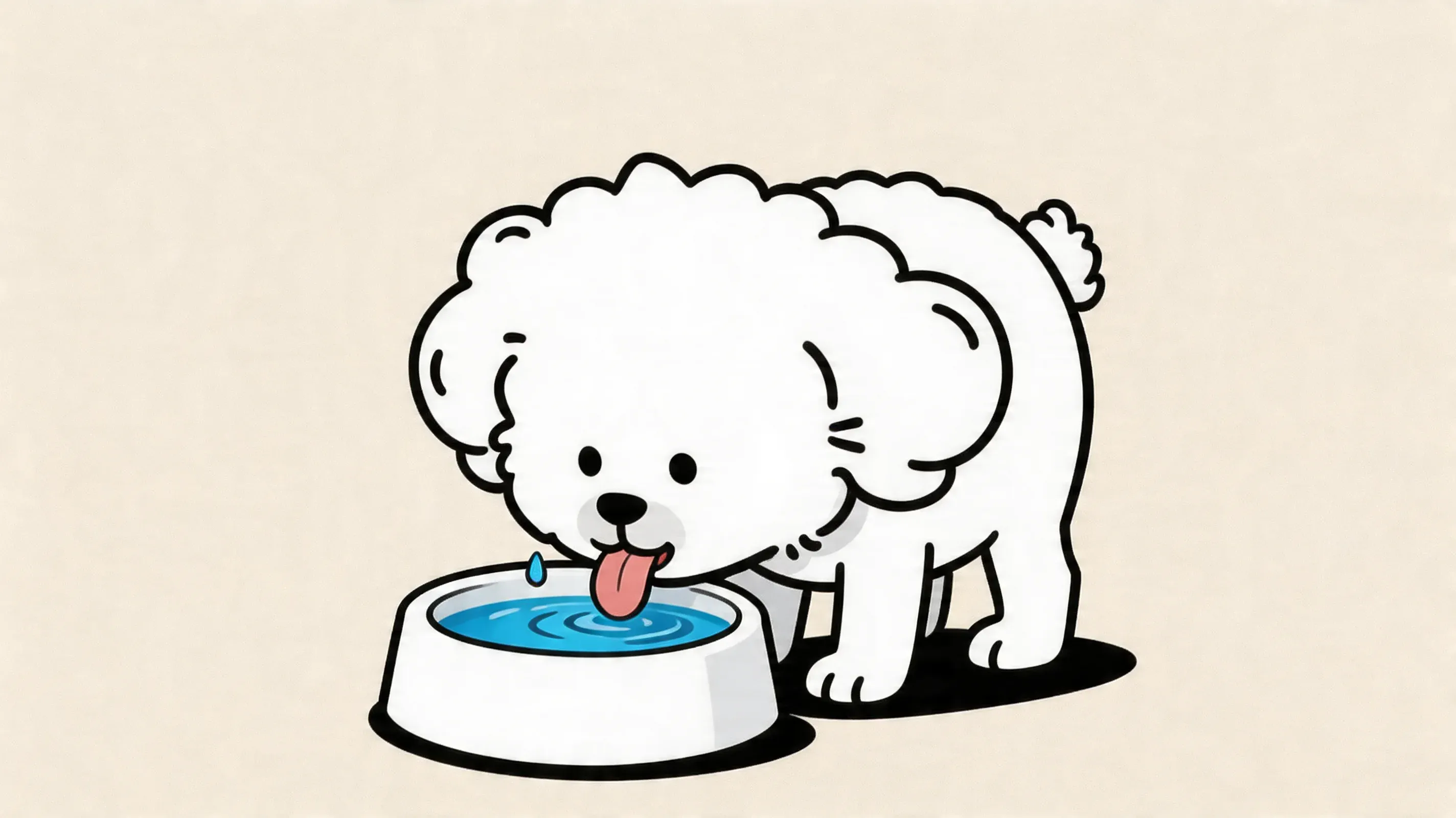
Water is one of the most straightforward aspects of dog care — and one of the most consistently under-managed. Most owners know their dog should drink water every day. Far fewer know the specific daily target by body weight, how to assess hydration at home before clinical signs appear, or why a dog that seems fine might still be chronically underhydrated. This guide covers all of it: how much water your dog actually needs, what changes that amount, how to check for dehydration yourself, what to do when your dog won’t drink, and when excess drinking is a warning sign.
How Much Water Should a Dog Drink Per Day?
The Basic Formula: Water Intake by Body Weight
The National Research Council’s Nutrient Requirements of Dogs and Cats establishes the foundational guideline: dogs need approximately 50–70 ml of water per kilogram of body weight per day (roughly 1 oz per pound). This total includes all water sources — the bowl, moisture in food, and water produced internally through metabolism.
For practical use, the 1 oz/lb figure is the most commonly used clinical approximation. Here is how that works out across common dog sizes:
| Body Weight | Daily Water Target | In Cups (approx.) |
|---|---|---|
| 10 lbs (4.5 kg) | ~10 oz (300 ml) | ~1.25 cups |
| 20 lbs (9 kg) | ~20 oz (590 ml) | ~2.5 cups |
| 30 lbs (14 kg) | ~30 oz (890 ml) | ~3.75 cups |
| 40 lbs (18 kg) | ~40 oz (1,180 ml) | ~5 cups |
| 50 lbs (23 kg) | ~50 oz (1,475 ml) | ~6.25 cups |
| 70 lbs (32 kg) | ~70 oz (2,070 ml) | ~8.75 cups |
| 90 lbs (41 kg) | ~90 oz (2,660 ml) | ~11.25 cups |
These are baseline targets for a healthy adult dog at rest in a temperate environment. Activity level, heat, diet type, health status, and age all modify the actual requirement.
An important point that most summaries omit: this target represents total water intake across all sources. A dog eating wet food is getting 70–80% of the food’s weight as water. That same dog needs far less from the bowl than a kibble-fed dog of the same weight. If your dog eats wet food or a raw diet and you are worried they are “not drinking enough” from their bowl, they may be meeting their hydration needs through food — check the total, not just the bowl.
Puppy, Adult & Senior: How Needs Change with Age
Hydration requirements shift meaningfully across a dog’s life stages — and adjusting expectations accordingly prevents both under- and over-correction.
Puppies have higher water requirements relative to body size than adult dogs. Their metabolism runs faster, their kidneys are not yet fully mature (meaning they concentrate urine less efficiently), and growth itself is water-intensive. The practical guideline for puppies is approximately 0.5 oz per pound of body weight every two hours during waking hours, or freely available water at all times. Unlike adult dogs, puppies should not have water access restricted during housetraining — the risk of dehydration outweighs any training convenience.
Active adult dogs follow the standard 1 oz/lb formula as a baseline, but that number rises with exercise. A study in the Journal of Veterinary Internal Medicine found that exercise-induced water losses in dogs are significant and that panting — the primary cooling mechanism — expels substantial moisture. After moderate exercise, most dogs need 30–50% more water than their resting baseline for that day.
Senior dogs face a different challenge. Older dogs frequently experience a blunted thirst response — their kidneys become less efficient at concentrating urine, leading to greater daily water loss, while the physiological drive to drink does not reliably compensate. Aging dogs may be losing more water than they seek to replace, making senior dog hydration one of the most important and under-addressed areas of geriatric canine care. Senior dogs also have a higher prevalence of joint conditions including arthritis, and as discussed later in this guide, joint health is directly affected by hydration status. For a comprehensive look at senior dog nutritional needs including hydration management, see the senior dog diet and nutrition guide.
Kibble vs Wet Food vs Raw: How Diet Affects Water Needs
Diet type is one of the largest single variables in how much drinking water your dog actually requires.
| Diet Type | Approximate Moisture Content | Practical Impact |
|---|---|---|
| Dry kibble | 8–10% | Dog must drink nearly all daily water requirement from bowl |
| Semi-moist pouches | 25–35% | Moderate; still requires substantial bowl drinking |
| Wet / canned food | 70–80% | Dog gets most of daily water from food; much less bowl drinking needed |
| Raw diet | 60–70% | Similar to wet food; significantly reduces bowl drinking requirement |
A 2002 study published in the Journal of Veterinary Internal Medicine (Zentek et al.) confirmed that dogs fed wet food had substantially higher total water intake and produced more dilute urine compared to dry-fed dogs — a meaningful advantage for urinary and kidney health, including reducing the risk of urinary tract infections and cystitis. The takeaway for owners: if you are concerned about a kibble-fed dog’s hydration, the most impactful change is often adding wet food or water directly to meals, not just offering more bowl water. For detailed guidance on calculating how much food to pair with these hydration adjustments, see the dog feeding amount guide.
5 Warning Signs Your Dog Is Dehydrated
Most owners associate dehydration with emergencies. In reality, mild dehydration — affecting 4–5% of body water — is much more common and does not produce dramatic symptoms. It quietly impairs cellular function, strains the kidneys, affects joint lubrication, and reduces cognitive alertness. The tests below let you assess your dog’s hydration status accurately at home before reaching a clinical threshold.
Skin Turgor Test (Tent Test)
This is the most widely used field assessment and takes about five seconds to perform.
How to do it: With your dog relaxed, gently pinch a fold of skin at the back of the neck between the shoulder blades. Lift the fold slightly and release.
- Well-hydrated: Skin snaps back immediately, within 1 second.
- Mildly dehydrated (~5%): Skin returns in 2–3 seconds; a slight tent is briefly visible.
- Moderately dehydrated (6–8%): Skin takes 3–5 seconds to return; tent is clearly visible.
- Severely dehydrated (8%+): Skin stands in a prolonged tent with almost no movement. This is a veterinary emergency.
Accuracy note: The skin tent test is less reliable in obese dogs (subcutaneous fat creates a tent even when hydrated) and in very senior dogs (skin loses elasticity with age). If your dog falls into these categories, weight the other tests more heavily.
Capillary Refill Time (CRT) Check
Capillary refill time assesses how quickly blood flow returns to surface tissue after brief compression — a proxy for circulatory and hydration status.
How to do it: Gently lift your dog’s lip and press your index finger firmly against the upper gum for 2 seconds. Release and count.
- Normal (well-hydrated): The white blanched spot returns to pink within 1–2 seconds.
- Concerning: Return takes longer than 2 seconds.
- Emergency: CRT greater than 3 seconds, or gums that are pale, white, or bluish, indicate circulatory compromise — seek emergency veterinary care immediately.
Also observe the texture of the gums as you press: healthy gums are moist and slick. Tacky or sticky gums are themselves a sign of dehydration, even before the CRT result.
Changes in Urine Color and Frequency
Urine is a direct readout of hydration status. A well-hydrated dog produces pale yellow urine consistently throughout the day. Dark amber or orange urine indicates the kidneys are concentrating waste products because insufficient water is flowing through.
What to watch for:
- Urine darker than pale yellow consistently across the day
- Noticeably reduced urination frequency (fewer bathroom trips than usual for your dog’s baseline)
- Strong ammonia smell, which intensifies with higher concentration
A single dark urine event after exercise or a hot day is not necessarily alarming. Consistently dark urine across multiple toilet trips, or a sudden reduction in urination, warrants attention.
Lethargy, Loss of Appetite & Sunken Eyes
At 5–6% dehydration, dogs begin to show behavioral changes that owners often misattribute to tiredness, stress, or aging. Specific signs:
- Lethargy: Reluctance to play, slower responses, sleeping more than usual
- Reduced appetite: Mild dehydration suppresses appetite in dogs (and people) — if your dog is eating less and also showing other signs, check hydration first
- Sunken eyes: In moderate dehydration, the eyes lose the slight moisture-supported fullness of a well-hydrated dog and appear subtly recessed in the socket
These signs overlap with many other conditions, but when appearing together — especially alongside tacky gums or slow skin turgor — they build a clearer picture.
Dry Nose and Gums
A dog’s nose being dry is not a reliable standalone hydration indicator — contrary to popular belief, a dry nose can simply mean your dog just woke up from sleep. However, a persistently cracked, flaky, or very dry nose across the day combined with dry or tacky gums is a more meaningful signal.
Gum assessment guide:
| Gum Appearance | Interpretation |
|---|---|
| Moist, pink, slick | Well-hydrated |
| Slightly tacky, pink | Mild dehydration — monitor and increase water |
| Dry, sticky, pale pink | Moderate dehydration — prompt veterinary attention |
| Pale, white, grey, or blue | Emergency — immediate veterinary care |
Why Your Dog Won’t Drink Water
When a dog refuses to drink adequate water despite having access, there is almost always a specific reason — and identifying it is more productive than simply trying to force more water.
Stress and Environmental Changes
Dogs are highly routine-oriented. Environmental stressors that commonly suppress voluntary drinking include:
- Moving to a new home or apartment
- Addition of a new pet or person in the household
- Changes in the owner’s schedule
- Travel, boarding, or unfamiliar environments
- Loud construction, fireworks, or thunder events
The mechanism is physiological: elevated cortisol (the primary stress hormone) alters hypothalamic regulation of thirst and suppresses appetite. This is why dogs at boarding facilities often eat and drink less than at home — not because the facility is deficient, but because the stress response genuinely reduces their drive to seek food and water.
Practical response: Maintain familiar bowls and feeding locations during transitions. If a new dog has entered the home, ensure multiple water stations so competition doesn’t reduce access for the original dog. For dogs experiencing moving-related stress, keep the water bowl in a familiar position relative to the dog’s rest area.
Water Quality, Temperature & Bowl Issues
Dogs have approximately 300 million olfactory receptors (compared to around 6 million in humans) — they taste and smell water in detail that we cannot perceive. Several water characteristics that humans find acceptable are detected and rejected by dogs:
- Chlorine and treatment chemicals: Municipal tap water contains chlorine disinfectants that some dogs find unpleasant. Letting water sit in an open bowl for 30–60 minutes off-gases chlorine significantly.
- Stale water: Dogs detect the microbial changes in standing water within hours. Water left overnight accumulates bacteria that alter flavor and smell. Refresh water bowls at least twice daily.
- Temperature: Most dogs prefer water at room temperature to slightly cool. Ice-cold water can be off-putting; warm water promotes bacterial growth and is less palatable.
- Plastic bowls: Plastic develops micro-scratches over time that harbor bacteria and impart taste. Many dogs that refuse to drink from plastic bowls drink readily from stainless steel or ceramic. This is among the most overlooked causes of insufficient water intake.
- Bowl depth: Dogs with longer muzzles (Labradors, German Shepherds, Dobermans) may struggle with bowls that are too shallow; dogs with flat faces (Bulldogs, Pugs, Boxers) often do better with wider, more accessible bowls.
Oral Pain or Underlying Illness
A dog who previously drank normally and suddenly reduces intake should be evaluated for oral discomfort. Dental disease — the most common disease in adult dogs, affecting an estimated 80% of dogs over three years old according to the American Veterinary Dental College — can make the act of lapping water painful. Other sources of oral pain include:
- Gum inflammation (gingivitis / periodontal disease)
- Broken or fractured teeth
- Oral ulcers or tumors
- Foreign objects lodged in the gums or palate
Beyond oral pain, underlying systemic illness can reduce thirst drive: nausea (from vomiting, pancreatitis, or kidney disease), fever, or electrolyte imbalances all interfere with normal thirst signaling. If your dog has not drunk voluntarily for 24+ hours, contact your veterinarian — this duration is long enough to begin affecting kidney function.
6 Proven Ways to Increase Your Dog’s Water Intake
The following strategies are grounded in behavioral science and veterinary nutritional practice. Most dogs respond best to two or three changes in combination rather than any single intervention.
Optimize Bowl Placement and Number
The most underestimated factor in water intake is access. A single bowl in one corner of the kitchen means your dog must make a conscious trip to that location to drink. More stations mean more incidental drinking — the equivalent of a glass of water always within reach.
Implementation:
- Place at least one bowl in each room where your dog spends significant time
- Keep water away from the food bowl and especially away from the litter/elimination area — dogs instinctively avoid drinking near their own waste
- In multi-dog households, follow the rule of one more station than the number of dogs to prevent resource guarding
- Elevate the bowl slightly for large or senior dogs to reduce neck strain during drinking
Add Water to Dry Food or Switch to Wet Food
As the diet-type comparison above shows, wet food dramatically increases total daily water intake. For owners committed to dry kibble, adding water directly to the bowl is the simplest available intervention and has no downside.
Approach:
- Start with 2–4 tablespoons of warm water mixed into kibble. The warmth releases aromatic compounds and most dogs find the moist kibble more palatable, not less.
- Gradually increase to 4–8 tablespoons per meal, creating a porridge-like consistency that many dogs prefer.
- Replacing one of two daily meals with canned food achieves a substantial increase in moisture intake while maintaining the familiar kibble routine for the other meal.
For dogs prone to urinary issues, the evidence supporting wet food is particularly strong — studies consistently show that increased dietary water intake reduces urinary mineral concentration and risk of crystal formation.
Use Bone Broth or Goat Milk
Unseasoned bone broth is one of the most effective and palatable tools for increasing water intake in reluctant drinkers. The amino acids and mineral content make it strongly appealing to most dogs, and since it is primarily water, it contributes meaningfully to hydration.
Safe preparation rules:
- Use broth with no onion, garlic, chives, leeks, or salt added — all of these are toxic to dogs in various degrees
- Verify sodium content is low: commercial broths for humans are typically too high in sodium; look for broths labeled “no salt added” or make your own
- Serve at room temperature or slightly warmed, not hot
- Offer as a water topper (poured over the regular water bowl) or mixed into food
Goat milk (plain, unflavored) is another option that many dogs drink enthusiastically. It is higher in calories than water, so volume should be moderate — treat it as a supplement, not a primary water source.
Try a Pet Water Fountain
Moving water triggers a drinking response in many dogs that static bowls do not — an instinct linked to the evolutionary association between flowing water and freshness. Pet water fountains replicate this signal consistently, and behavioral observations in veterinary practice consistently show higher voluntary intake in fountain-users compared to bowl-only setups.
Practical notes:
- Clean the fountain reservoir and filter weekly, not just when it looks dirty. Biofilm accumulates rapidly in the pump housing and filter media and can make the water less appealing.
- The motor produces a low hum. Some sound-sensitive dogs initially avoid fountains; place the unit in a familiar area and allow a week of acclimatization with a backup static bowl available.
- Choose a fountain with a capacity appropriate to your dog’s size — small reservoirs mean more frequent refilling, and low water level sometimes triggers the pump to run dry.
Time Water Offerings Around Walks
Dogs are substantially more likely to drink when returning from exercise and before extended activity periods. Using these natural windows strategically ensures water intake aligns with peak need.
Practical approach:
- Always offer water immediately after returning from walks, even short ones. Many dogs are more receptive in the 5–15 minutes post-exercise than at any other time of day.
- Before a long walk on a warm day, offer water proactively — hydration before exertion is more effective than trying to rehydrate after the fact.
- Carry a collapsible travel bowl on any walk longer than 30 minutes or in temperatures above 70°F (21°C).
For summer walks, the risk of heat-related dehydration escalates rapidly with temperature. For detailed summer safety guidance including hydration protocols in hot weather, see the guide on preventing heat stroke in dogs.
Offer Frozen Treats and Ice Cubes
Frozen water-based treats serve double duty: they provide direct hydration and function as enrichment that keeps dogs engaged and consuming liquid.
Options that work:
- Plain ice cubes: most dogs enjoy chewing ice, and each cube is roughly 1–1.5 oz of water
- Frozen low-sodium broth cubes: freeze the same broth described above in an ice cube tray
- Frozen blueberries or watermelon chunks: high moisture content; natural sweetness is appealing; both are safe for dogs in moderate amounts
- Frozen Kong stuffed with diluted, unseasoned peanut butter mixed with water: extends the liquid-delivery over a longer chewing session
Avoid frozen treats in the first 30 minutes after intense exercise — cold ingestion while overheated can trigger muscle cramping in some dogs.
When Your Dog Drinks Too Much Water
Everything above addresses insufficient intake. But the opposite problem — sudden, unexplained increases in drinking — carries its own clinical significance and warrants prompt evaluation.
Polydipsia: Cushing’s, Diabetes & Kidney Disease
Polydipsia is the clinical term for excessive thirst. The threshold used in veterinary medicine is approximately 100 ml per kg of body weight per day. Applying that to a 50-lb (23 kg) dog: drinking more than about 2.3 liters per day is excessive. Note that chronic polydipsia is distinct from acute water overload during swimming or hose play — the latter is a separate emergency covered in the guide to dog water intoxication prevention.
In practice, most owners notice polydipsia before they measure it: the dog is emptying the water bowl several times a day, drinking from toilet bowls or puddles, waking up at night to drink, or suddenly interested in water sources it previously ignored. Any behavior that represents a clear change from the dog’s established baseline — not a one-day anomaly but a persistent pattern — deserves investigation.
The three most common underlying conditions in dogs:
Hyperadrenocorticism (Cushing’s disease): Excess cortisol production (from a pituitary or adrenal tumor, or from long-term steroid medication) increases urine production through multiple mechanisms, including altered kidney response to antidiuretic hormone (ADH). The dog produces more urine and must drink more to compensate. Other signs include a pot-bellied appearance, hair loss on the trunk, increased appetite, panting, and recurring skin infections. According to Cornell University’s College of Veterinary Medicine, Cushing’s disease is one of the most common endocrine disorders in middle-aged and older dogs.
Diabetes mellitus: High blood glucose causes glucose to spill into the urine, which draws water along with it osmotically (a process called osmotic diuresis). The result is high urine output and compensatory drinking. Classic signs alongside polydipsia: weight loss despite normal or increased appetite, cloudy eyes (cataracts develop rapidly in diabetic dogs), and sweet or fruity smell to the breath or urine.
Chronic kidney disease (CKD): As kidney function declines, the ability to concentrate urine diminishes. The kidneys must produce larger volumes of dilute urine to excrete the same waste load, requiring higher intake to compensate. CKD often presents insidiously — polydipsia may be the first owner-noticed sign before clinical illness becomes apparent. For a comprehensive review of how diet management and hydration interact in CKD dogs, see the dog kidney health diet guide.
Other causes of polydipsia in dogs include: pyometra (intact females), hypercalcemia, liver disease, Addison’s disease, psychogenic polydipsia, and certain medications (glucocorticoids, diuretics, phenobarbital).
How to Tell If Water Intake Is Excessive
Without measuring daily intake precisely, the following signs help identify whether a dog’s drinking is genuinely elevated:
- Bowl refill frequency: If you previously refilled the bowl once daily and now refill it two or three times, that is a quantifiable change
- Urination frequency and volume: Polydipsia almost always accompanies polyuria (excessive urination). More frequent accidents indoors, needing to go out more often at night, or producing unusually large puddles of pale urine are all consistent signs
- Duration: A single day of increased drinking (after exercise, heat exposure, a salty treat) is not polydipsia. A pattern persisting more than 3–5 days warrants evaluation
The cleanest way to measure: place a full bowl of measured water in the morning and measure what remains after 24 hours (accounting for evaporation). Compare the total consumed against the 100 ml/kg threshold.
When to See the Vet
Contact your veterinarian promptly if:
- Your dog has not drunk voluntarily for 24+ hours
- Your dog is showing moderate dehydration signs (slow skin turgor, tacky gums, lethargy) that do not resolve after encouraging intake
- Drinking has noticeably increased for 3+ consecutive days with no obvious environmental explanation
- Polydipsia is accompanied by weight loss, increased appetite, increased urination, or behavioral changes
- A puppy or senior dog shows any dehydration sign — these age groups deteriorate faster than healthy adults
For dogs also experiencing diarrhea or vomiting, the timeline shortens — fluid loss through the GI tract accelerates dehydration significantly, and dogs in this category need veterinary assessment within hours rather than days.
Hydration and Joint Health: A Hidden Connection
This section covers an area that is conspicuously absent from most dog hydration guides — the direct relationship between daily water intake and joint health. For a brand focused on musculoskeletal wellness, and for owners of dogs with joint conditions, this connection deserves detailed attention.
How Synovial Fluid Depends on Hydration
Every moveable joint in your dog’s body is enclosed in a joint capsule filled with synovial fluid — a viscous, transparent liquid produced by cells lining the joint capsule. Synovial fluid is the joint’s lubrication system and metabolic lifeline simultaneously:
- Lubrication: Synovial fluid creates a hydrodynamic film between the cartilage surfaces, reducing friction by approximately 1,000-fold compared to dry cartilage contact
- Shock absorption: The fluid’s viscosity allows it to absorb compressive forces and distribute load across the joint surface
- Nutrient delivery: Articular cartilage has no blood supply; it receives oxygen and nutrients exclusively through diffusion from synovial fluid during movement
- Waste removal: Metabolic byproducts from cartilage cells diffuse out into synovial fluid for removal
The critical point: synovial fluid is approximately 94% water. Its viscosity, volume, and functional properties are directly dependent on systemic hydration. A dog that is chronically mildly dehydrated — not sick, not in crisis, just consistently getting 80% of its water needs rather than 100% — produces less synovial fluid with altered rheological (flow) properties.
Chronic Dehydration and Cartilage Degradation
Articular cartilage — the smooth tissue covering the ends of bones within joints — is itself 70–80% water by wet weight. This water is not passive filler; it is held within a proteoglycan matrix (primarily aggrecan, a large aggregating proteoglycan) that gives cartilage its unique biphasic mechanical properties: stiffness under load, resilience after load is removed.
When cartilage is dehydrated at the tissue level — as occurs during sustained systemic dehydration — the proteoglycan matrix cannot maintain its normal hydration state. The functional consequences:
- Reduced compressive stiffness: Dehydrated cartilage compresses more under load, bringing the bone ends closer together and increasing the mechanical stress on the remaining cartilage
- Decreased height (thinning): Chronically dehydrated cartilage can measurably thin over time, accelerating the joint space narrowing that characterizes osteoarthritis on radiographs
- Impaired chondrocyte nutrition: Cartilage cells (chondrocytes) receive nutrients by diffusion through the fluid-filled matrix; reduced hydration reduces diffusion efficiency, impairing the cells’ ability to maintain and repair the matrix
This is not theoretical. Biomechanical studies using human cartilage explants (the mechanism is tissue-level and largely interspecies) have demonstrated that hydration state directly predicts compressive modulus and tensile stiffness. The veterinary evidence base for this specific mechanism is less extensive than in humans, but the anatomy is conserved.
Why Senior Dogs Need Extra Attention to Water Intake
The combination of factors in senior dogs makes hydration management for joint health particularly important:
- Higher baseline dehydration risk: As noted earlier, older dogs have a blunted thirst response and less efficient renal concentration, creating a chronic tendency toward slight dehydration
- Higher prevalence of joint disease: Canine osteoarthritis affects an estimated 20% of adult dogs and 80% of dogs over 8 years old (Veterinary Evidence journal, 2019 meta-analysis). The dogs most likely to have joint disease are exactly the dogs whose hydration is most easily neglected.
- Reduced activity level: Less active dogs may drink less, compounding the hydration deficit already created by age-related changes in thirst drive
- Medications: Many senior dogs take NSAIDs for pain management, which — if given without adequate hydration — can contribute to renal stress
For owners managing senior dogs with known joint conditions, treating water intake as a deliberate daily target — rather than leaving it entirely to the dog’s initiative — is one of the most accessible and evidence-supported elements of at-home joint care. The dog arthritis symptoms and management guide covers the full picture of joint care in aging dogs, including the role of supportive nutrition.
Seasonal Hydration Tips
Daily water needs are not static — they shift meaningfully with season and environment, and the targets in this guide assume temperate baseline conditions.
Summer: Preventing Heat-Related Dehydration
Hot weather dramatically increases a dog’s daily water requirement. Dogs do not sweat through skin the way humans do — panting is their primary evaporative cooling mechanism, and it expels substantial water vapor with each breath. At an ambient temperature of 85°F (29°C), a medium-sized dog engaged in moderate activity can lose 2–4x its resting water requirement through panting alone.
Summer hydration protocol:
- Increase baseline target by 50–100% during hot days. A 30-lb dog that normally needs ~30 oz needs 45–60 oz in summer heat.
- Always carry water for any outdoor activity above 70°F (21°C). Dogs cannot tell you they are thirsty before they are already dehydrating.
- Provide shade and cool resting surfaces. Dogs resting in direct sun pant constantly, creating a continuous water drain.
- Watch pavement temperature. Asphalt at 87°F air temperature can reach 143°F — hot enough to burn paws and drive core temperature upward within minutes, accelerating both heat stress and fluid loss.
- Offer water before, during, and after outdoor activity. Waiting until the dog returns home means the rehydration curve starts from a deficit.
- Recognize early heat exhaustion signs: excessive, labored panting; bright red gums; drooling; disorientation; vomiting. These are emergencies. For full prevention and first response guidance, see the dog summer heat stroke prevention guide.
Frozen treats become particularly useful in summer — they deliver hydration while also providing a cooling effect from the heat of fusion (the energy used to melt the ice).
One summer-specific complication worth noting: hot weather often suppresses appetite alongside thirst. If your dog is eating less in addition to drinking less, the underlying cause may be heat-related appetite loss rather than dehydration alone. Heat-related appetite loss requires practical feeding strategies that work alongside hydration management.
Winter: Combating Dry Indoor Air
Cold weather presents a less obvious but real hydration challenge: forced-air heating systems dramatically reduce indoor humidity. Many home heating systems drive indoor humidity below 20–30% in winter months. In this environment, dogs lose water continuously through respiration — exhaled air saturates with humidity from respiratory tract surfaces with every breath.
Additionally, cold water is less appealing to many dogs. If your dog’s water bowl is near a cold exterior wall or in a cold room, they may drink less simply because the temperature is unpleasant.
Winter hydration adjustments:
- Warm the water slightly in cold months — room temperature to slightly warm (but never hot). This is more appealing to most dogs and makes no difference to the hydration value.
- Move water bowls away from drafty, cold areas to warmer central locations.
- Consider a humidifier for rooms where your dog sleeps — increasing ambient humidity reduces the constant humidity loss through breathing.
- Watch for dry nose and skin. Both are signs the ambient environment is stripping moisture faster than intake can compensate.
- Exercise still requires water. Dogs running or playing in snow are working hard and panting, losing water through breath even in cold air. Snow itself is not an adequate water source — dogs would need to eat impractical volumes to meet hydration needs, and cold ingestion can cause digestive upset.
Winter hydration needs are broadly similar to summer once the environmental factors are accounted for; the reason dehydration is more likely in winter is that it is less visible and less intuitive. Watch the bowl, not just the weather.
Hydration is one of the most fundamental aspects of your dog’s daily health, touching everything from kidney function and urinary health to joint lubrication and cellular metabolism. The core principle is simple: know your dog’s daily target by weight, understand what changes that target, and develop a habit of actively supporting intake rather than assuming the dog will manage it independently. For senior dogs, dogs with joint conditions, dogs on dry kibble, and dogs in extreme weather, that active management is not optional — it is one of the highest-impact things an owner can do at home.
If you are supporting a dog with known joint disease or age-related mobility changes, pairing consistent hydration management with a broader joint care strategy — including appropriate physical support and nutrition — provides the most complete foundation for maintaining quality of life.
References
- 1. Nutrient Requirements of Dogs and Cats — National Research Council (NRC)
- 2. Merck Veterinary Manual: Water Deprivation and Sodium Toxicosis
- 3. AVMA — Pet Hydration Awareness
- 4. Polyuria and Polydipsia in Dogs — Veterinary Partner (VIN)
- 5. Hyaline Cartilage and Synovial Fluid — Miller's Anatomy of the Dog
- 6. Effect of diet moisture content on urine characteristics in dogs — Journal of Veterinary Internal Medicine
- 7. Polydipsia and Polyuria in Dogs — American College of Veterinary Internal Medicine
- 8. Cushing's Disease (Hyperadrenocorticism) in Dogs — Cornell University College of Veterinary Medicine
FAQ
How much water should a dog drink per day?
How do I know if my dog is dehydrated?
Why is my dog not drinking water?
Can a dog drink too much water?
Does a dog's diet affect how much water they need?
Is dehydration connected to joint problems in dogs?
How much water does a puppy need compared to an adult dog?
Related Articles
How to Get Your Cat to Drink More Water: 7 Proven Methods + Dehydration Checklist
Cat not drinking enough water? Learn the daily intake formula by weight, a 5-step home dehydration check, and 7 evidence-based methods to increase your cat's hydration.
Dog Kidney Disease Diet: Stage-by-Stage Feeding Guide and Best Foods
Complete IRIS stage-specific feeding guide for dogs with kidney disease — best foods, foods to avoid, prescription diet selection, homemade recipes, and supplements.
Will a Dog UTI Go Away on Its Own? Myths vs Facts
Dog UTI symptoms, causes, diagnosis, treatment costs, and home care — the complete guide to canine urinary tract infections and cystitis.