 Cirius Petpedia
 10 Causes of Excessive Dog Drooling and When to See a Vet
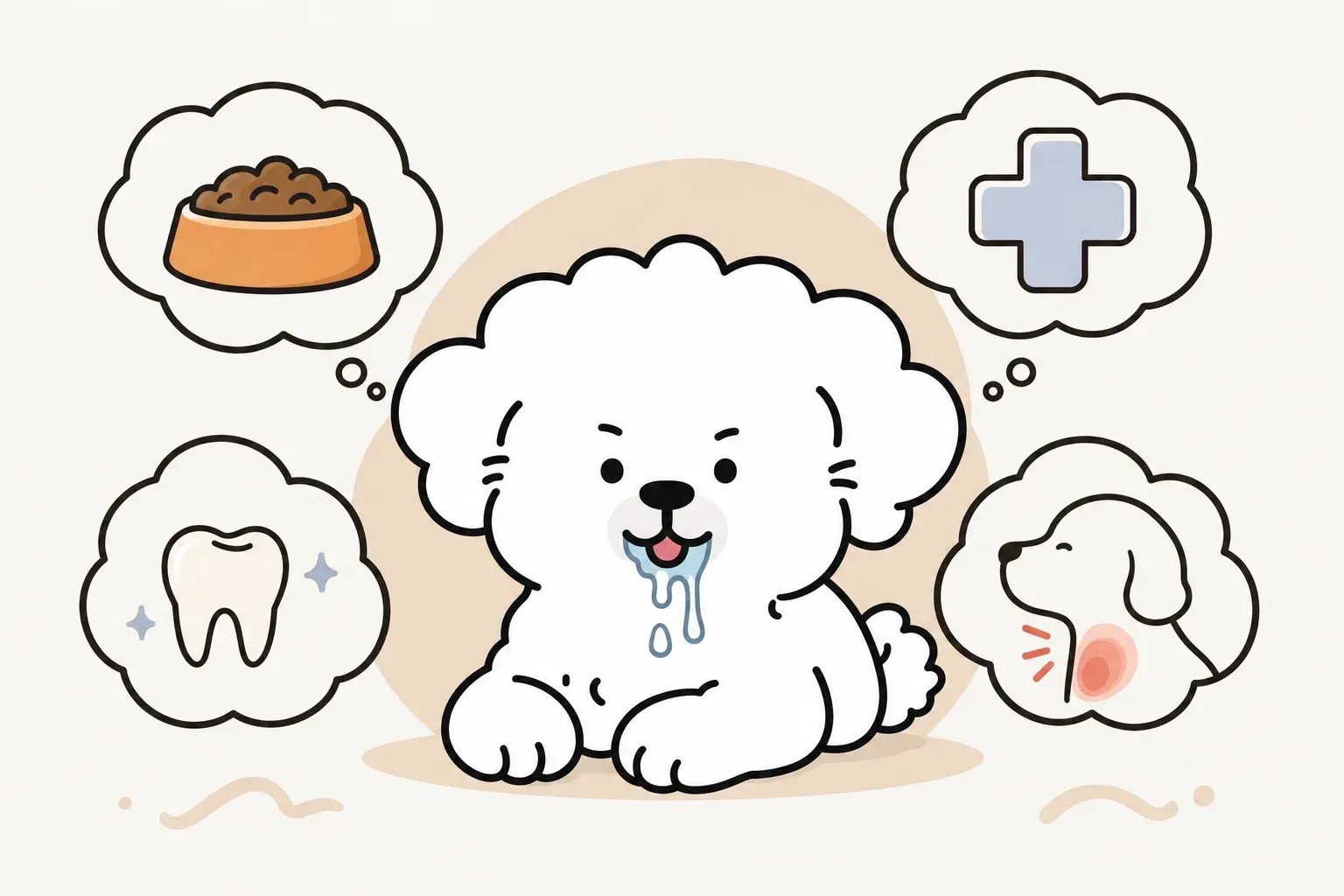
Why Do Dogs Drool? Understanding Normal vs. Excessive Drooling
Drooling — technically called ptyalism (TIE-uh-liz-um) or hypersalivation — is the overproduction or inadequate retention of saliva in the mouth. But the line between “normal” and “excessive” depends heavily on the individual dog. A Saint Bernard soaking your carpet is not a concern; the same volume from a Labrador that has never drooled before absolutely is.
Saliva is produced continuously by three pairs of major salivary glands — the parotid, mandibular, and sublingual glands — plus numerous smaller glands throughout the mouth. In a typical adult dog, the salivary glands produce roughly 10–30 mL of saliva per pound of body weight daily. Saliva lubricates food for swallowing, begins the digestive process, protects oral tissues, and helps regulate mouth temperature.
Normal drooling triggers include:
- Anticipation of food — the classic Pavlovian response; the sight or smell of food activates salivary output
- Excitement or play — elevated arousal increases autonomic nervous system activity
- Mild nausea — a small amount of pre-vomit drooling is normal
- Heat and panting — saliva evaporation supports thermoregulation during hot weather or exercise
When the volume of drooling goes beyond what a dog can swallow or what their lip anatomy can contain, it becomes visible drooling. This is always normal in heavy-jowled breeds. In breeds not known for drooling, it signals something worth investigating.
Normal Drooling Triggers — Food, Excitement, Mild Stress
Short-duration drooling with an obvious trigger and no accompanying symptoms is rarely a clinical concern. A dog that drools briefly during a thunderstorm and then stops, or that drools when the dinner bowl appears, is displaying a normal physiological response.
The pattern to watch for is persistence and context mismatch: drooling that continues long after a trigger has passed, drooling with no identifiable cause, or drooling that is new in a dog that was previously dry.
Breeds That Drool the Most — and What’s Normal for Them
Certain breeds are anatomically built to drool. Their broad heads, pendulous lips (called flews), and heavy jowls allow saliva to accumulate in the folds around the mouth rather than being automatically swallowed. For owners of these breeds, heavy drooling is a lifestyle feature, not a symptom.
| Breed | Notes on Drooling |
|---|---|
| Saint Bernard | Among the heaviest droolers; drool volume increases with heat and excitement |
| Mastiff (English, Bull, Neapolitan) | Large, loose lips trap significant saliva; strings of drool are normal |
| Bloodhound | Long, pendulous lips; drool often slings during head movement |
| Newfoundland | Heavy jowls; drooling increases markedly during and after activity |
| Bulldog (English and French) | Brachycephalic structure increases panting-related drooling |
| Basset Hound | Long lips combined with low head carriage means consistent drooling |
| Boxer | Loose lips and underbite create drool-prone anatomy |
| Great Dane | Large mouth, moderate drooling under normal conditions |
| Bernese Mountain Dog | Moderate drooler; worsens with heat |
| Saint Bernard | —see above— |
For these breeds, the relevant question is not “is my dog drooling?” but “has the character or volume of my dog’s drooling changed?” A sudden increase in drooling, a change from clear to foamy or bloody saliva, or drooling combined with other symptoms all warrant attention even in breeds where heavy drooling is expected.
10 Common Causes of Excessive Drooling in Dogs
Most cases of abnormal drooling have identifiable causes, and most of those causes are treatable when caught early. The following are the ten most clinically significant categories, organized roughly from most to least common.
1. Dental Disease and Gum Infections
Dental disease — including periodontal disease, tooth root abscesses, and gingivitis — is the most common cause of pathological drooling in adult dogs. Research cited in Veterinary World estimates that 80% of dogs over three years of age have some degree of periodontal disease. Inflamed gum tissue and painful abscesses stimulate the salivary reflex and make swallowing uncomfortable, so saliva accumulates and overflows.
Signs accompanying dental-related drooling include: bad breath (halitosis), pawing at the mouth, reluctance to chew on one side, dropping food, visible tartar buildup, red or bleeding gums, and facial swelling below one eye (a hallmark of carnassial tooth root abscess).
Severity indicator: Moderate to high. Dental disease is progressive and, if untreated, can affect systemic organ health. See our detailed breakdown of dog periodontal disease for stage-by-stage symptoms and treatment options.
2. Foreign Objects in the Mouth or Throat
A bone fragment, stick splinter, piece of rawhide, grass seed, or any small object lodged between teeth, in the cheek pouch, or in the throat can trigger immediate, profuse drooling as the dog attempts to dislodge it. The drooling is often sudden and may be accompanied by repeated swallowing, gagging, pawing at the mouth, head shaking, and — if the airway is partially obstructed — labored breathing.
This is one of the scenarios where drooling qualifies as a genuine emergency. Partial or complete airway obstruction requires immediate veterinary intervention. Even objects that are not obstructing the airway cause significant discomfort and risk infection if left in place.
For more on how dogs ingest foreign objects and what to do, see our guide on dog foreign body ingestion.
Severity indicator: High. Any suspected airway obstruction is an emergency.
3. Toxin or Poison Ingestion
Toxic substances frequently cause hypersalivation as one of their first observable symptoms. The salivary reflex is sensitive to chemical irritants, and many toxins directly affect the nervous system in ways that dysregulate salivary output.
Common toxins that cause drooling in US dogs include:
- Xylitol (artificial sweetener found in sugar-free gum, candy, peanut butter, baked goods): Can cause drooling, vomiting, and life-threatening hypoglycemia within 30–60 minutes of ingestion
- Antifreeze (ethylene glycol): Initially causes drooling, stumbling, and apparent intoxication; leads to acute kidney failure within 24–72 hours
- Bufo/Cane toads (prevalent in Florida, Texas, Hawaii, and other warm-climate states): Skin secretions trigger intense drooling, foaming, head shaking, and cardiac arrhythmias — this is a true emergency
- Certain mushrooms (Amanita species and others)
- Household plants (azaleas, rhododendrons, sago palm, oleander, lily-of-the-valley)
- Organophosphate insecticides: Found in some older flea/tick products; cause drooling alongside muscle tremors and pinpoint pupils
- Human medications (ibuprofen, acetaminophen, antidepressants)
Refer to our guide on toxic foods and substances for dogs for a comprehensive list by category.
Severity indicator: High to emergency, depending on the substance. If toxin ingestion is suspected, call ASPCA Animal Poison Control (888-426-4435) or Pet Poison Helpline (855-764-7661) immediately — do not wait for symptoms to worsen.
4. Nausea and Gastrointestinal Issues
Nausea — regardless of its cause — reliably triggers hypersalivation. The neurological pathway connecting the gut to the salivary glands is well-established: nausea signals traveling via the vagus nerve activate the salivary center in the brainstem, producing a characteristic flood of clear, watery drool that often precedes vomiting.
Causes of nausea-related drooling include dietary indiscretion (eating garbage or table scraps), gastritis, pancreatitis, intestinal obstruction, inflammatory bowel disease, and medication side effects. The distinguishing feature is the temporal relationship: drooling that builds progressively over minutes and then leads to retching or vomiting is classic nausea. For more context on distinguishing drooling from true pre-vomiting signs, see our guide on dog vomiting causes and remedies.
Severity indicator: Variable. Simple dietary indiscretion resolves on its own; persistent vomiting or blood in vomit requires veterinary attention.
5. Heatstroke and Overheating
Excessive panting is the dog’s primary cooling mechanism, and heavy panting rapidly dries out mouth tissues, increasing saliva production to compensate. In early heatstroke, dogs drool heavily. As core body temperature rises above 104°F (40°C), drooling becomes thick, ropy, and often discolored (red or brown in severe cases), reflecting damage to the oral mucosa.
Heatstroke drooling is accompanied by: intense panting, brick-red or pale gum color, vomiting, diarrhea, weakness, disorientation, and — in severe cases — collapse and seizures. This is a life-threatening emergency.
Brachycephalic breeds (Bulldogs, Pugs, Boston Terriers, French Bulldogs) and large, heavy-coated breeds are at highest risk. For prevention strategies and first aid protocols, see our guide on dog summer heatstroke prevention.
Severity indicator: Emergency above 104°F. Move the dog to a cool environment and apply cool (not ice cold) water to paw pads, armpits, and groin while arranging emergency transport.
6. Oral Injuries, Burns, or Tumors
Physical trauma to the mouth — a cut from a sharp bone fragment, a chemical burn from a caustic substance, an electrical burn from chewing a cord, or thermal burns from hot food — damages oral tissue and stimulates a protective salivary response. The drooling is typically accompanied by visible bleeding, reluctance to eat, pawing at the mouth, and sometimes swelling.
Oral tumors (both benign and malignant) are another important cause, particularly in older dogs. Epulides, squamous cell carcinoma, melanoma, and fibrosarcoma can all develop in the oral cavity and cause drooling through physical obstruction of saliva flow or direct irritation of salivary gland tissue. Any unexplained mass in the mouth, asymmetry of the jaw, or blood-tinged drool in a senior dog warrants prompt veterinary oral examination.
Severity indicator: Moderate to high. Oral masses discovered early are more amenable to treatment.
7. Motion Sickness
Motion sickness is among the most common causes of drooling in young dogs and a significant cause in adults of all ages. The vestibular system in the inner ear detects motion, but when the signals it sends conflict with what the eyes report — as happens in a moving vehicle — the brain interprets the mismatch as potential poisoning and triggers a nausea response.
Dogs with motion sickness drool heavily in the car, often within minutes of departure. They may also yawn repeatedly, appear anxious or frozen, whine, and ultimately vomit. Puppies are particularly prone because the vestibular system is still maturing.
Cerenia (maropitant citrate) is an FDA-approved veterinary anti-nausea medication that is highly effective for motion sickness. For a detailed prevention and desensitization approach, consult your veterinarian about gradual car-travel desensitization.
Severity indicator: Low medically, but significantly impacts quality of life for traveling dogs.
8. Anxiety, Stress, and Fear
The autonomic nervous system controls salivary output, and the fight-or-flight stress response can either increase or decrease salivation depending on the dog and the stimulus. In many dogs, acute anxiety produces notable hypersalivation alongside panting, trembling, pacing, and other stress behaviors.
Common anxiety triggers that produce stress drooling include: thunderstorms and fireworks, separation from owners (separation anxiety), vet visits, travel, new environments, and social stress from unfamiliar dogs or people. Dogs with separation anxiety frequently drool excessively when left alone — a finding their owners discover when returning to wet floors or bedding.
Severity indicator: Low medically, but chronic stress has documented negative effects on immune function and overall health. Behavioral intervention improves outcomes.
9. Neurological Conditions — Facial Nerve Paralysis, Seizures
Several neurological conditions impair the normal mechanisms that prevent drooling. Facial nerve (cranial nerve VII) paralysis causes drooping of the lip on the affected side and an inability to retain saliva, producing characteristic one-sided drooling. Trigeminal nerve dysfunction affects jaw control. Both can result from ear infections, trauma, hypothyroidism, or idiopathic (unknown cause) nerve damage.
Seizures — both generalized and focal (partial) — commonly cause hypersalivation. During and immediately after a seizure, dogs frequently foam at the mouth and drool heavily. A dog that drools while appearing to “space out,” that has episodes of rhythmic jaw movements, or that drools profusely and then appears confused is exhibiting signs consistent with focal seizure activity. For a full breakdown of seizure recognition and management, see the guide on dog seizures and epilepsy.
Severity indicator: High. New-onset neurological symptoms require veterinary evaluation.
10. Organ Disease — Kidney, Liver — and Rabies
Chronic kidney disease (CKD) and liver disease both cause accumulation of metabolic waste products in the bloodstream. In dogs with uremia (elevated urea nitrogen from kidney failure), oral ulcers, bad breath with a urine-like odor, and hypersalivation are characteristic findings. Hepatic (liver) encephalopathy — neurological dysfunction caused by liver failure — can also produce excessive drooling alongside behavioral changes.
Rabies, while rare in vaccinated domestic dogs in the United States, must be mentioned because of its signature presentation: foamy, excessive drooling combined with behavioral changes (aggression, disorientation), hypersensitivity to stimuli, and inability to swallow (hydrophobia). Any unvaccinated dog exhibiting this combination of symptoms requires immediate veterinary assessment and isolation. Keeping rabies vaccinations current eliminates this risk entirely.
Severity indicator: Organ disease symptoms warrant urgent evaluation. Suspected rabies in an unvaccinated animal is an emergency with public health implications.
What Your Dog’s Drool Is Telling You — Saliva Appearance Guide
The appearance of a dog’s drool carries meaningful diagnostic information. This table provides a quick-reference guide to saliva characteristics and their likely clinical significance.
Clear and Watery vs. Thick and Ropy
| Saliva Appearance | Possible Cause | Urgency Level |
|---|---|---|
| Clear, watery, large volume | Nausea (pre-vomiting), acute anxiety, food anticipation | Monitor |
| Clear, normal volume | Food/excitement response, mild stress | Normal |
| Thick, ropy, white/clear | Dehydration, heat panting, post-exercise | Monitor |
| Thick, ropy, persistent | Dental disease, oral mass, salivary gland dysfunction | Vet Soon |
Foamy, Bloody, Yellow, or Foul-Smelling Drool
| Saliva Appearance | Possible Cause | Urgency Level |
|---|---|---|
| Foamy, white | Seizure activity, intense nausea, respiratory distress | Emergency / Vet Soon |
| Bloody or pink-tinged | Oral injury, tumor, severe periodontal disease, foreign body | Emergency / Vet Soon |
| Yellow or bile-colored | Vomiting bile, severe nausea, GI obstruction | Vet Soon |
| Brown, discolored, thick | Heatstroke (advanced), severe infection | Emergency |
| Foul-smelling, persistent | Dental disease/abscess, kidney disease (urine odor), infection | Vet Soon |
Any sudden change in saliva appearance — particularly toward foamy, bloody, or discolored — should be treated as a signal to contact your veterinarian promptly.
Is My Dog’s Drooling an Emergency? Triage Checklist
Not every case of excessive drooling requires an emergency clinic visit. This checklist helps assess urgency.
Red Flags — Go to the Vet Immediately
Contact your emergency veterinary clinic right away if your dog’s drooling is accompanied by any of the following:
- Suspected toxin or poison ingestion (call ASPCA Poison Control 888-426-4435 or Pet Poison Helpline 855-764-7661 first for guidance)
- Known or suspected toad lick (Bufo/Cane toad exposure)
- Inability to breathe normally, choking, or pawing desperately at the throat
- Collapse, extreme weakness, or inability to stand
- Seizure activity (convulsions, rhythmic jaw movements, paddling)
- Foamy drool combined with disorientation, unprovoked aggression, or extreme behavioral change
- Gum color changes: pale, white, blue, or brick red
- Rectal temperature above 104°F (40°C) with heavy panting — suspect heatstroke
- Facial swelling or swelling around the jaw
- Blood-tinged saliva with no obvious minor injury explanation
Yellow Flags — Monitor and Call Your Vet
Schedule a same-day or next-day veterinary appointment if:
- Drooling is new and unexplained, with no clear trigger, but the dog is otherwise alert
- One-sided drooling with no visible foreign object (possible nerve issue, abscess, or tumor)
- Drooling persists beyond 30–60 minutes after a nausea trigger without vomiting
- Drooling combined with reduced appetite or difficulty eating
- Thick, foul-smelling saliva suggesting oral infection
- Senior dog with new-onset drooling
- Drooling suspected to be a medication side effect
- Puppy drooling heavily outside of the teething period
Key resource: If you believe your dog has ingested something toxic, do not wait for symptoms to develop. Call the ASPCA Animal Poison Control Center at 888-426-4435 (available 24/7, consultation fee applies) or Pet Poison Helpline at 855-764-7661. Both services can assess the risk based on the specific substance and your dog’s weight.
Treatment and Management Options
Treatment for excessive drooling addresses the underlying cause. There is no single “anti-drooling” medication — the drooling resolves when the cause is corrected.
Veterinary Treatments by Cause
| Underlying Cause | Primary Treatment Approach |
|---|---|
| Dental disease / abscess | Professional dental cleaning under anesthesia; extraction of severely affected teeth |
| Foreign body in mouth/throat | Manual removal under sedation or anesthesia; endoscopic retrieval for esophageal objects |
| Toxin ingestion | Induced emesis (if within 1–2 hours), activated charcoal, IV fluids, antidotes where available |
| Nausea / GI disease | Maropitant (Cerenia), metoclopramide, dietary modification, treatment of underlying GI condition |
| Heatstroke | Emergency cooling, IV fluid resuscitation, supportive care; hospitalization often required |
| Oral tumor | Surgical excision, biopsy and staging; referral to veterinary oncologist for malignant tumors |
| Motion sickness | Maropitant (Cerenia) prescribed 2 hours before travel; gradual desensitization |
| Anxiety-related drooling | Behavioral modification, environmental management, anxiolytic medications as needed |
| Seizure disorder | Anti-epileptic medication (phenobarbital, potassium bromide, levetiracetam) |
| Facial nerve paralysis | Treatment of primary cause (ear infection, hypothyroidism); many cases resolve spontaneously |
| Kidney / liver disease | Medical management of underlying organ dysfunction; dietary modification |
Managing Heavy Drooling at Home
For breeds where anatomy-based heavy drooling is normal and permanent, practical management tools help owners maintain their dog’s comfort and home hygiene:
- Drool bibs and bandanas: Absorbent fabric bibs designed for large breeds catch saliva before it reaches the floor. Look for adjustable, machine-washable versions sized for your dog’s neck.
- Regular face-area drying: Wipe the muzzle, chin, and neck folds at least once or twice daily to prevent skin fold dermatitis. Chronic moisture in skin folds creates a bacterial and yeast environment that causes sores.
- Elevated water bowls: Reduces the forward-drool effect some heavy-jowled dogs experience while drinking.
- Waterproof mat under food and water bowls: Simplifies cleanup and reduces floor damage.
- Post-meal wipe routine: Train your dog to accept a quick muzzle wipe after meals — reduces drool dispersal throughout the home.
How to Prevent Excessive Drooling
Because the majority of pathological drooling cases are caused by dental disease, GI issues, toxin exposure, and preventable accidents, most causes are addressable through proactive care.
Oral Hygiene Routine
Dental disease is the leading cause of drooling in adult dogs and one of the most preventable. The three-part approach that evidence supports:
-
Daily toothbrushing: The Veterinary Oral Health Council confirms that daily brushing is the single most effective home dental intervention. Use dog-specific enzymatic toothpaste (never human toothpaste — fluoride and xylitol are toxic to dogs). If your dog resists, the step-by-step guide to brushing your dog’s teeth walks through the full desensitization process with weekly milestones.
-
VOHC-accepted dental chews and water additives: Products carrying the Veterinary Oral Health Council seal have demonstrated measurable plaque reduction. Use as a supplement to, not a replacement for, brushing.
-
Annual professional dental cleanings: The AAHA Dental Care Guidelines recommend yearly anesthetic dental cleanings for most adult dogs. Small breeds, brachycephalic breeds, and dogs with rapid tartar accumulation may need cleanings every six months.
Pet-Proofing Your Home for Toxins
The majority of toxin-related drooling episodes are preventable through household safety measures:
- Store all human medications in closed, dog-inaccessible cabinets. Dogs can open pill bottles.
- Remove or fence off toxic houseplants: sago palm, azalea, rhododendron, lily-of-the-valley, and oleander are among the most dangerous.
- Keep garbage bins lidded or behind cabinet doors — dietary indiscretion and toxin ingestion from trash is extremely common.
- Read ingredient labels: keep xylitol-containing products (sugar-free gum, some peanut butters, certain vitamins) well out of reach.
- In Florida, Texas, Hawaii, and other warm-climate states where Bufo/Cane toads are present, supervise all outdoor time — particularly at night and near water sources. Rinse the dog’s mouth with water immediately if licking is suspected.
- Store antifreeze, pesticides, fertilizers, and cleaning products in locked areas.
Regular Veterinary Checkups
Annual wellness exams allow veterinarians to catch developing dental disease, early organ dysfunction, and oral masses before they produce emergency symptoms. Many of the conditions that cause sudden, dramatic drooling — tooth root abscesses, kidney disease, oral tumors — develop gradually over months to years. Biannual checkups for dogs over seven years of age are recommended by the American Animal Hospital Association.
Keeping rabies vaccinations current is both legally required in most US states and the definitive prevention for rabies-related drooling.
The information in this article is based on published veterinary guidelines and clinical references. Individual dogs vary in their health status, risk factors, and appropriate treatment. Consult a licensed veterinarian for assessment and recommendations specific to your dog. In emergencies, contact your nearest emergency veterinary clinic or call ASPCA Animal Poison Control at 888-426-4435.
References
- 1. Ptyalism in Dogs — Merck Veterinary Manual
- 2. ASPCA Animal Poison Control Center
- 3. Pet Poison Helpline
- 4. Heat Stroke in Dogs — AKC Canine Health Foundation
- 5. AAHA Dental Care Guidelines for Dogs and Cats
- 6. Motion Sickness in Dogs — VCA Animal Hospitals
- 7. Rabies — American Veterinary Medical Association
FAQ
Why did my dog suddenly start drooling excessively?
Is excessive drooling in dogs always an emergency?
What does it mean when a dog drools from only one side of the mouth?
Why does my dog drool so much in the car?
Why is my dog drooling in their sleep?
Which dog breeds drool the most?
Can anxiety cause drooling in dogs?
Can medications cause excessive drooling in dogs?
What does foamy drool vs. regular drool mean in dogs?
Why is my old dog suddenly drooling more?
Is drooling in puppies normal?
How can I reduce my dog's drooling at home?
Related Articles
Dog Periodontal Disease: Symptoms, Stages, and What Every Owner Should Know
Learn the 4 stages of dog periodontal disease symptoms, warning signs, treatment options, and daily home care steps to protect your dog's teeth and overall health.

Foods Toxic to Dogs: Hidden Dangers in Your Kitchen
Which foods are toxic to dogs, and how much is dangerous? Learn weight-based thresholds, symptoms, and a 3-step emergency protocol for dog poisoning.
What Should You Do When Your Dog Has a Seizure? Causes, First Aid, and Treatment Guide
Everything you need to know about seizures in dogs — causes by age and breed, the three phases of a seizure, first aid steps, and when to call the emergency vet.