 Cirius Petpedia
 What Should You Do When Your Dog Has a Seizure? Causes, First Aid, and Treatment Guide
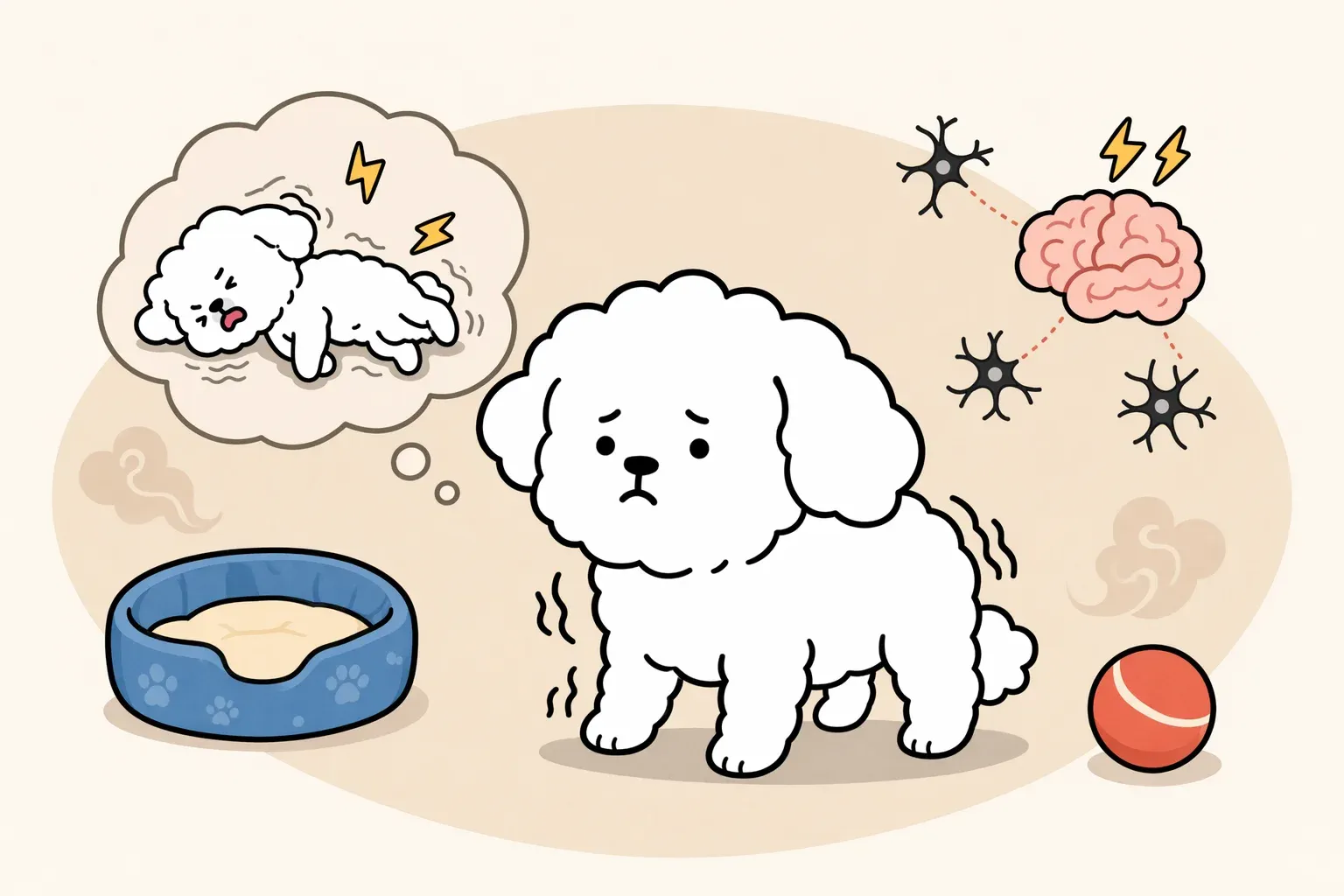
Watching your dog have a seizure is one of the most frightening experiences a pet owner can face. The sudden collapse, the stiffening limbs, the uncontrolled movements — all while you feel completely helpless. That fear is completely understandable. But knowing what is actually happening inside your dog’s brain, and having a clear plan for what to do in those minutes, makes an enormous difference.
Seizures in dogs are more common than most owners realize. Studies suggest that up to 0.5–1% of the dog population is affected by epilepsy, making it one of the most common chronic neurological conditions in veterinary medicine. This guide covers everything you need to know: the science behind seizures, how to tell a seizure apart from a dream, what to do and what not to do during an episode, and what your vet will look for when determining a diagnosis and treatment plan.
Seizure, Convulsion, and Epilepsy — Understanding the Terminology
These three words are often used interchangeably, but they refer to different things. Getting the terminology right helps you communicate accurately with your veterinarian and understand what you read.
Seizure vs. Convulsion — What’s the Difference
A seizure is a neurological event caused by abnormal, excessive electrical activity in the brain. It is the broader term. Seizures can be subtle — a dog staring blankly, a facial muscle twitching, or sudden behavioral confusion — or they can be dramatic, involving the entire body.
A convulsion is the physical manifestation of a seizure that involves involuntary muscle contractions. All convulsions are seizures, but not all seizures are convulsions. A focal seizure affecting only one region of the brain may produce no visible muscle jerking at all.
In everyday conversation, most pet owners use “seizure” and “convulsion” interchangeably when describing the dramatic, full-body episodes their dogs experience. That usage is understood in a clinical context, but your vet may ask clarifying questions to determine whether what you witnessed was truly a generalized convulsion or a focal episode.
Epilepsy vs. Isolated Seizures
Epilepsy is a chronic condition defined by two or more unprovoked seizures occurring more than 24 hours apart. An isolated seizure — one episode with an identifiable cause such as toxin ingestion or a severe metabolic disturbance — is not technically epilepsy.
This distinction matters for treatment. A dog that seizes once after eating xylitol-containing chewing gum may recover fully once the toxin is eliminated, with no further medication needed. A dog diagnosed with idiopathic epilepsy (epilepsy with no identifiable structural cause) will likely require lifelong medical management.
What Causes Seizures in Dogs
Understanding the underlying cause of a seizure is the first and most important diagnostic step. The International Veterinary Epilepsy Task Force (IVETF) classifies canine epilepsy into three broad categories based on origin.
Idiopathic Epilepsy — The Most Common Cause
Idiopathic epilepsy — also called primary or genetic epilepsy — is the most common cause of seizures in dogs between 1 and 6 years of age. In a 2015 ACVIM consensus statement, idiopathic epilepsy was defined as epilepsy with no identifiable structural brain lesion or known metabolic cause.
Most cases are believed to have a genetic basis. The heritability has been confirmed in several breeds, and in some (notably the Belgian Tervuren and the Finnish Spitz), specific genetic mutations have been identified. Dogs with idiopathic epilepsy typically have completely normal results on bloodwork, MRI, and cerebrospinal fluid (CSF) analysis — making it a diagnosis of exclusion.
Metabolic Causes: Hypoglycemia, Liver Disease, and Electrolyte Imbalance
When the body’s internal chemistry is disrupted, the brain can be deprived of the fuel or ionic balance it needs to function normally. Common metabolic triggers include:
- Hypoglycemia (low blood sugar): Particularly common in toy breeds, puppies, and dogs with insulinoma (a tumor of the pancreas). The brain depends on continuous glucose supply; when levels drop sharply, neurons fire abnormally.
- Hepatic encephalopathy: Liver failure reduces the liver’s ability to detoxify ammonia, which accumulates in the blood and crosses into the brain.
- Electrolyte disturbances: Severely low sodium (hyponatremia), calcium (hypocalcemia), or magnesium can lower the seizure threshold.
- Hypothyroidism and hyperthyroidism: Thyroid hormones affect neuronal excitability; significant dysfunction in either direction has been associated with seizure activity in some dogs.
The age of onset is often a useful diagnostic clue. Dogs under one year are more likely to have metabolic causes (especially hypoglycemia in small breeds) or congenital abnormalities. Middle-aged dogs (1–5 years) are most likely to have idiopathic epilepsy. Dogs over six years presenting with a first-ever seizure should be evaluated carefully for structural causes, including tumors.
| Age of First Seizure | Most Likely Causes |
|---|---|
| Under 1 year | Hypoglycemia, congenital hydrocephalus, portosystemic shunt, inflammatory disease |
| 1–5 years | Idiopathic epilepsy (most common), inflammatory encephalitis |
| Over 6 years | Brain tumor, cerebrovascular disease, metabolic disease, hypothyroidism |
Structural Causes: Brain Tumors, Encephalitis, and Hydrocephalus
Physical abnormalities within the brain — either from birth or acquired later in life — can disrupt normal electrical function. These are classified as structural epilepsy by the IVETF.
- Brain tumors: Primary brain tumors (gliomas, meningiomas) or secondary tumors that have spread from elsewhere in the body are a significant cause of new-onset seizures in dogs over 6 years of age.
- Encephalitis: Inflammation of the brain from infectious causes (bacterial, viral, fungal, protozoal) or immune-mediated causes (granulomatous meningoencephalitis, or GME) can produce seizure activity. The ACVIM notes that immune-mediated encephalitis is among the most important causes of new-onset seizures in small and toy breeds.
- Hydrocephalus: Accumulation of cerebrospinal fluid within the brain, often congenital in brachycephalic breeds such as Bulldogs and Chihuahuas.
- Cerebrovascular disease: Strokes (ischemic or hemorrhagic) affecting brain tissue — more common in older dogs with underlying heart disease, hypertension, or hypothyroidism.
For conditions affecting the aging brain, understanding how neurological changes develop over time can help you monitor your dog more effectively. The cognitive changes seen in dogs with dementia share some clinical features with seizure disorders, and both are important conditions to discuss with your veterinarian as your dog ages.
Toxin-Induced Seizures: Xylitol, Chocolate, Marijuana, and Pesticides
Certain substances directly cause seizure activity by interfering with neurotransmitter function or by triggering dangerous metabolic disturbances. In the US and UK, the most commonly encountered toxins in veterinary emergency practice include:
- Xylitol: An artificial sweetener found in sugar-free gum, some peanut butters, and baked goods. Even small amounts cause rapid, profound hypoglycemia in dogs, which can trigger seizures within 30–60 minutes of ingestion.
- Chocolate (theobromine and caffeine): Both compounds stimulate the central nervous system. Dark chocolate and baking chocolate are most dangerous; seizures typically occur at higher ingestion amounts but can develop quickly.
- Marijuana edibles (THC): With increasing legalization, marijuana toxicity is reported more frequently in veterinary ERs. THC can cause severe neurological signs including prolonged sedation, ataxia, tremors, and seizures — especially with edible products, which often contain much higher THC concentrations than smoked forms.
- Organophosphate and carbamate pesticides: These inhibit acetylcholinesterase, causing accumulation of acetylcholine at nerve synapses and resulting in muscle fasciculations and seizures.
- Metaldehyde (slug bait): Widely used in gardens; produces violent, sustained seizures. Even small exposures are life-threatening.
If you suspect toxin ingestion, contact your vet or the ASPCA Animal Poison Control Center (888-426-4435) immediately. A complete overview of common household toxins and their dose thresholds is covered in detail in our foods toxic to dogs guide.
The Three Phases of a Seizure: Pre-ictal, Ictal, Post-ictal
Most seizures progress through three recognizable phases. Knowing what to expect in each phase helps you observe and report accurately to your vet — and helps you stay calm during the experience.
Pre-ictal Phase (Aura) — Behavioral Changes to Watch For
The pre-ictal phase, sometimes called the aura, precedes the seizure by seconds to minutes (or in some cases, hours). During this phase, abnormal electrical activity is building in the brain but has not yet become generalized. Dogs experiencing a pre-ictal phase may:
- Seek out their owner or become unusually clingy and anxious
- Pace restlessly or appear confused in familiar surroundings
- Tremble, salivate excessively, or whine without apparent cause
- Stare blankly into space or appear to react to something only they can perceive
- Show sudden changes in behavior that seem out of character
Not all dogs display obvious pre-ictal signs. Some transition directly into the seizure with no visible warning. However, owners of dogs with established epilepsy often learn to recognize their dog’s specific aura pattern over time, which can allow them to move the dog to a safer location and begin timing the episode before it escalates. Pre-ictal trembling can be easily mistaken for non-seizure shivering — see our guide to dog shivering causes and how to distinguish them from seizures for a comparison table.
Ictal Phase — Generalized vs. Focal Seizures
The ictal phase is the seizure itself — the period of abnormal electrical activity producing visible neurological signs. This is what most owners picture when they think of a seizure. The ictal phase typically lasts between 30 seconds and 2 minutes.
Generalized (tonic-clonic) seizures are the most dramatic and most commonly reported. The dog loses consciousness, falls to one side, and progresses through:
- Tonic phase: Rigid stiffening of all four limbs, sometimes with extension of the neck and arching of the back
- Clonic phase: Rapid, rhythmic jerking or paddling movements of the legs
- Additional signs: Jaw chomping, excessive salivation, urination or defecation, and vocalization are common
Focal seizures originate in one specific region of the brain and produce more limited signs. Depending on the area affected, a focal seizure may look like:
- Repetitive facial twitching on one side
- Rhythmic blinking or eye deviation
- Sudden, involuntary movement of one limb
- Behavioral changes only — sudden aggression, fly-biting (snapping at imaginary flies), or bouts of unprovoked anxiety
Focal seizures can progress into generalized seizures (known as secondary generalization) and are often more difficult for owners to identify as seizures.
Post-ictal Phase — What to Expect During Recovery
The post-ictal phase begins when the active seizure ends. This is one of the most important and least well-covered phases in many general resources. After the brain’s abnormal electrical activity resolves, neurons require time and energy to recover. The post-ictal phase can last anywhere from a few minutes to 24 hours or longer, depending on seizure duration and severity.
Common post-ictal signs include:
- Profound disorientation and confusion: The dog may not recognize its owner, respond to its name, or navigate familiar spaces correctly
- Temporary blindness (post-ictal blindness): Cortical neurons are temporarily exhausted; vision typically returns within minutes to hours
- Excessive thirst and hunger: Common, likely related to energy depletion and hypothalamic disruption
- Deep sleep or sedation: The brain is recovering; this is normal
- Weakness, stumbling, or ataxia: Temporary motor dysfunction as neurons recharge — if stumbling is accompanied by rapid involuntary eye movements (nystagmus) and a persistent head tilt without a preceding seizure, consider dog vestibular disease as an alternative diagnosis
- Behavioral changes: Some dogs are unusually anxious, vocal, or restless; others appear unusually calm
How to support your dog during post-ictal recovery:
- Keep the environment quiet and calm — dim lights if possible, minimize noise
- Stay with your dog, speak softly, but do not force physical contact; the dog may be confused and react defensively
- Move furniture or objects they might stumble into, but avoid carrying or physically restraining them
- Offer water once the dog is fully alert and can safely swallow
- Do not offer food until coordination has fully returned
- Track the duration of post-ictal signs in your seizure log (see below)
The distinction between normal post-ictal lethargy and true neurological deterioration matters. If your dog has not begun to show signs of recovery within 30 minutes of the seizure ending, contact your vet.
For owners monitoring post-ictal lethargy and activity changes in the days following a seizure, the patterns described in our guide to dog lethargy and activity decline can provide additional context on what to track and when to be concerned.
Is My Dog Dreaming or Having a Seizure? A Quick Checklist
This is one of the most common questions veterinary neurologists receive from dog owners — and for good reason. Both REM sleep movements and seizures can look alarming, particularly at night. Misidentifying a dream as a seizure causes unnecessary panic; misidentifying a seizure as a dream can delay critical care.
Normal Sleep Movements vs. Seizure Signs
During REM (rapid eye movement) sleep, dogs can display running movements, soft whimpers or barks, and twitching of limbs, face, and whiskers. These are normal expressions of dream activity and are driven by the limbic system, not by abnormal cortical firing.
A seizure during sleep looks fundamentally different in several important ways:
| Feature | REM Dream Activity | Seizure |
|---|---|---|
| Response to your voice | Stops or slows when you call the dog’s name | Does not stop; dog cannot respond |
| Response to gentle touch | Dog wakes up, recognizes you, reorients quickly | Does not wake; muscles may be rigidly contracted |
| Duration | Typically seconds to 1–2 minutes; stops naturally | Usually 30 seconds to 5 minutes; does not stop on its own |
| Body muscle tone | Soft, relaxed; twitching is light | Rigid stiffening (tonic) or forceful, repetitive jerking (clonic) |
| After the episode | Dog wakes up normally, recognizes surroundings | Dog is confused, disoriented, may stumble or not recognize you |
| Urination/defecation | Very rare | Relatively common during generalized seizures |
| Breathing | Normal or slightly irregular | May pause briefly; often returns as heavy, labored breathing |
Three Key Differentiators
If you are unsure whether you are watching a dream or a seizure, focus on three things:
- Say your dog’s name clearly. A dreaming dog will almost always react — an ear twitch, a head lift, a sudden waking. A dog in an ictal seizure cannot respond to external stimuli.
- Look at the intensity of muscle activity. Dream movements are soft and low-amplitude. Seizure movements are forceful, rhythmic, and involve the entire body or large limb groups.
- Observe what happens immediately after. Normal post-dream behavior means your dog wakes up confused for a second, then is immediately alert and normal. Post-ictal behavior means your dog is disoriented, possibly blind, possibly incontinent, and takes many minutes or hours to return to baseline.
When in doubt, observe and record. A short video taken on your phone during the episode is one of the most valuable things you can give your veterinarian.
Dog Seizure First Aid: What to Do (and What NOT to Do)
The 60 seconds after a seizure begins are when most owners feel the strongest urge to intervene. The most important first aid principle is this: your safety and your dog’s safety come before any intervention.
What to do immediately:
- Start timing the seizure as soon as you recognize it. Use your phone. Duration determines the treatment urgency.
- Clear the immediate area of objects your dog could injure themselves on — furniture edges, steps, hard floors. If possible, place soft padding (folded blankets) around — not under — the dog.
- Stay calm and present. Your presence and calm voice may provide reassurance during the pre-ictal and post-ictal phases, even if it cannot stop the seizure itself.
- Dim lights and reduce noise if you can do so without moving away from your dog.
- Record video if the seizure continues and you have a second person present. This footage is invaluable for your vet.
Actions That Can Make a Seizure Worse
Certain well-intentioned interventions can cause injury to you, to your dog, or can worsen the neurological event:
- Do not put anything in your dog’s mouth. Dogs cannot swallow their tongues. Inserting your hand or any object risks a severe bite. Jaw muscles contract with extraordinary force during a generalized seizure — injuries from this mistake require emergency human medical care.
- Do not try to hold your dog still or physically restrain the seizure. You cannot stop seizure activity by restraining limbs; you will only risk injuring your dog’s muscles or joints, and you may be bitten or scratched.
- Do not give water during the seizure. An unconscious or disoriented dog cannot swallow safely; aspiration is a real risk.
- Do not apply ice or cold water to try to cool your dog. While prolonged seizures do raise body temperature, sudden cold application causes shock. If you are concerned about overheating after a long seizure, use room-temperature water on the paws and ear flaps, and contact your vet.
- Do not leave your dog unattended near stairs, water, or elevated surfaces where a fall could cause secondary injury.
The 5-Minute Rule: When It’s an Emergency
The 5-minute threshold is the most important number in seizure first aid. Any seizure lasting five minutes or longer is classified as status epilepticus — a neurological emergency in which the brain’s normal mechanisms for terminating seizure activity have failed.
Status epilepticus causes:
- Hyperthermia: Core body temperature can exceed 107°F (41.5°C) within minutes of continuous seizure activity, causing brain and organ damage
- Cerebral hypoxia: Sustained seizure depletes the brain’s oxygen and glucose
- Rhabdomyolysis: Muscle breakdown from continuous contractions can cause acute kidney injury
- Respiratory compromise: Prolonged convulsions impair normal breathing
Emergency threshold — call your vet or go to an emergency animal hospital immediately if:
- The seizure lasts longer than 5 minutes
- Your dog has 2 or more seizures within 24 hours
- Your dog does not begin to regain consciousness within 15 minutes after the seizure ends
- This is your dog’s first-ever seizure (call the same day, even if recovery appears complete)
At the hospital: Intravenous diazepam (or other benzodiazepines) is typically the first-line treatment for status epilepticus. Propofol, levetiracetam (Keppra), or phenobarbital may follow depending on response.
Seizure Log Template
A seizure log is one of the most practical tools for managing a dog with epilepsy. Your veterinarian uses this data to assess seizure frequency, identify patterns, evaluate medication efficacy, and adjust dosing. Record the following after every episode:
| Field | What to Record |
|---|---|
| Date and time | Exact start time |
| Duration | From first sign to end of ictal phase |
| Seizure type | Generalized (full body) / Focal / Unknown |
| Pre-ictal signs | Describe any warning behaviors |
| Ictal signs | Body movements, vocalization, urination |
| Post-ictal duration | Time until dog appeared fully normal |
| Possible triggers | Recent activity, food, stress, heat, medications |
| Video available? | Yes / No |
Share this log at every veterinary visit. Tracking even two or three months of data can reveal patterns (time of day, cycle intervals, correlations with medication timing) that significantly improve management.
Fact Check — Does Sugar Water Help During a Dog Seizure?
You may have seen this advice circulating in dog owner forums: “Rub honey or sugar water on your dog’s gums during a seizure.”
The truth is nuanced and depends entirely on what is causing the seizure.
When it could help: In documented hypoglycemic seizures (seizures caused specifically by low blood sugar), rapidly providing a glucose source — honey, corn syrup, or a glucose gel rubbed on the gums — can be life-saving. This is relevant for toy breed puppies prone to hypoglycemia, dogs with insulinoma, and diabetic dogs that have received too much insulin. If your vet has already diagnosed your dog with a hypoglycemia-related seizure disorder and provided specific guidance to use glucose at home, follow that guidance.
When it is inappropriate or harmful: For the vast majority of seizures in dogs — including idiopathic epilepsy, structural epilepsy, or seizures from toxin ingestion — applying honey or sugar water provides no benefit and carries real risks:
- Aspiration risk: Placing any substance in or near the mouth of a seizing dog risks it being inhaled into the lungs
- Bite risk: Accessing the gums of a dog in active convulsion risks serious injury
- False reassurance: Acting on this myth may delay the decision to seek emergency veterinary care
Unless your veterinarian has specifically diagnosed your dog with hypoglycemic seizures and given you this instruction, do not apply any substance to your dog’s mouth or gums during a seizure.
Diagnosis and Treatment at the Vet
When you bring a dog with new-onset seizures to the veterinarian, the diagnostic process is designed to answer one central question: Is there an identifiable cause that can be treated, or is this primary epilepsy requiring long-term management?
Diagnostic Workup: Blood Tests, MRI, and CSF Analysis
The IVETF recommends a tiered diagnostic approach:
Tier 1 (all dogs with new-onset seizures):
- Complete blood count (CBC) and serum chemistry panel — screens for metabolic causes (hypoglycemia, liver disease, kidney disease, electrolyte abnormalities)
- Urinalysis
- Blood pressure measurement
- Thyroid function testing
Tier 2 (when Tier 1 is unremarkable):
- MRI (magnetic resonance imaging): The gold standard for structural brain assessment. Required to identify tumors, encephalitis, hydrocephalus, or infarcts. MRI under general anesthesia is necessary; CT can be used as an alternative when MRI is unavailable, though sensitivity is lower.
- Cerebrospinal fluid (CSF) analysis: Performed immediately after MRI under the same anesthesia. Evaluates for inflammatory disease, infection, and neoplastic changes in the CNS environment. Elevated protein or white cell counts indicate inflammatory or infectious disease.
Additional tests depending on findings: Infectious disease titers (Neospora, Toxoplasma, Cryptococcus, etc.), bile acids testing for hepatic function, or Holter monitoring if cardiac arrhythmia is suspected.
Medication: Common Anticonvulsants and Their Management
The decision to start antiepileptic medication (AED) is made based on several factors, including seizure frequency, duration, severity, and type. The 2015 ACVIM consensus statement recommends initiating treatment when:
- Seizures occur more than once per month
- Post-ictal signs are severe or prolonged
- A cluster of seizures (2+ within 24 hours) has occurred
- Status epilepticus has occurred
Commonly used anticonvulsants in dogs:
| Medication | How It Works | Key Considerations |
|---|---|---|
| Phenobarbital | Enhances GABA inhibition; reduces neuronal excitability | First-line drug; requires liver enzyme monitoring every 6 months; sedation and increased appetite common initially |
| Potassium bromide (KBr) | Stabilizes neuronal membranes; often used alongside phenobarbital | Takes weeks to reach steady-state; avoid in dogs with salt-restricted diets; not recommended as sole agent in dogs with respiratory disease |
| Levetiracetam (Keppra) | Modulates neurotransmitter release; mechanism incompletely understood | Well-tolerated; used as add-on therapy or as IV rescue during cluster seizures; requires more frequent dosing |
| Zonisamide | Sodium and calcium channel blocker | Good tolerability profile; used when phenobarbital causes unacceptable side effects |
| Imepitoin (Pexion) | Partial benzodiazepine receptor agonist | Licensed specifically for canine idiopathic epilepsy in Europe; lower sedation profile |
Medication management in epilepsy is an ongoing process. Therapeutic drug monitoring (blood level testing) is conducted regularly to ensure concentrations remain in the effective range without reaching toxic levels. Abruptly stopping anticonvulsant medication can precipitate withdrawal seizures — never discontinue these medications without veterinary guidance.
Status Epilepticus — A Life-Threatening Emergency
Status epilepticus (SE) is defined as either a single seizure lasting more than 5 minutes, or two or more discrete seizures without full recovery of consciousness between them. According to the Merck Veterinary Manual, mortality rates from untreated status epilepticus in dogs are significant, and even with treatment, survival is not guaranteed.
At the emergency hospital, management of SE typically follows this protocol:
- Airway and oxygen support — supplemental oxygen, intubation if respiratory function is compromised
- IV access and diazepam administration — 0.5–1.0 mg/kg IV, which can be repeated once if the first dose is ineffective
- Phenobarbital loading if diazepam fails to resolve the seizure
- Propofol infusion or other anesthetic agents for refractory SE
- Temperature management — aggressive cooling if hyperthermia is present
- Supportive care — IV fluids, glucose correction, blood pressure support
Dogs that survive status epilepticus require close monitoring for 24–72 hours due to risk of secondary complications including cerebral edema, aspiration pneumonia, and acute kidney injury.
Status epilepticus is just one of the life-threatening emergencies where owner response before reaching the vet makes a measurable difference. For a full first aid reference covering seizures alongside cardiac arrest, choking, poisoning, and heatstroke, see the dog first aid guide for all 7 emergency scenarios.
Breeds Predisposed to Epilepsy
While seizures in dogs can occur in any breed, certain breeds have documented genetic predispositions to idiopathic epilepsy. If you own one of these breeds, it is worth having a baseline discussion with your veterinarian about epilepsy risk and what to watch for.
| Breed | Notes |
|---|---|
| Border Collie | One of the highest prevalence rates; herding breed with well-documented genetic component; typical onset 1–5 years |
| Belgian Tervuren | Among the earliest breeds with identified genetic mutations for epilepsy; autosomal recessive inheritance documented |
| Australian Shepherd | High prevalence in North America; often associated with multifocal drug sensitivity (MDR1 gene mutations) that affects medication choices |
| German Shepherd | Idiopathic epilepsy prevalent; seizure onset commonly between 2–4 years |
| Labrador Retriever | High population numbers mean epilepsy cases are frequently seen; genetic studies ongoing |
| Golden Retriever | Epilepsy reported; structural causes (tumors) more common in older Golden Retrievers than some breeds |
| Beagle | Familial epilepsy with probable autosomal dominant inheritance described |
| Vizsla | Progressive epilepsy with onsets in young adults; poor long-term prognosis reported in some affected lines |
| Irish Wolfhound | Juvenile epilepsy reported; concurrent structural lesions should be excluded |
| Standard Poodle | Idiopathic epilepsy reported; onset typically before 3 years |
Important for Australian Shepherd and related MDR1 breeds: The MDR1 (ABCB1) gene mutation — common in herding breeds — affects how the blood-brain barrier handles certain medications. Several drugs routinely used in veterinary neurology, including some anticonvulsants and sedatives, can reach toxic brain concentrations in dogs carrying this mutation. If your dog is a herding breed or a mix, ask your vet about MDR1 genetic testing before starting any new medication.
For dogs in breeds prone to both epilepsy and behavioral changes, understanding how pain and discomfort can influence behavior helps provide context for what you observe between seizures. Our guide to recognizing pain-related behavior changes in dogs covers the kinds of signals that sometimes precede or accompany neurological episodes.
Living With a Dog Who Has Epilepsy
A diagnosis of epilepsy is not a death sentence. Many dogs with well-controlled idiopathic epilepsy live full, active, happy lives. The goal of treatment is rarely the complete elimination of seizures — it is the reduction of seizure frequency and severity to a level that allows a good quality of life with minimal medication side effects.
Practical management tips for epileptic dogs:
- Medication consistency is paramount. Give anticonvulsants at the same time every day. Even a few hours of variability in phenobarbital timing can destabilize blood levels.
- Identify and minimize known triggers. Some dogs have identifiable triggers — specific stress events, heat exposure, disruptions to routine. While not all triggers can be avoided, reducing unnecessary stressors helps.
- Home rescue medication. Discuss with your vet whether to have rectal or intranasal diazepam, or buccal midazolam, at home for use if a seizure exceeds 3 minutes. Many neurologists recommend this for dogs with prior cluster seizures.
- Regular monitoring visits. Phenobarbital requires liver function monitoring every 6 months. Keep these appointments even when your dog seems stable.
- End-of-life considerations. Some dogs with epilepsy develop refractory (treatment-resistant) seizures over time, or develop medication side effects that reduce quality of life. A frank, ongoing conversation with your veterinarian about quality-of-life benchmarks — before you are in crisis — allows for more thoughtful, humane decisions if medication stops working.
Managing a neurological condition requires vigilance about overall brain health. Changes in a senior epileptic dog’s cognition, sleep patterns, or daily behavior may reflect medication effects, disease progression, or concurrent canine cognitive dysfunction — a separate condition that can co-exist with epilepsy in older dogs.
Seizures are frightening, and living with an epileptic dog involves real uncertainty. But with the right veterinary partnership, a consistent management plan, and the confidence to recognize and respond to an emergency, most owners find they can navigate this condition effectively — and their dogs continue to thrive.
References
- 1. ACVIM Consensus Statement: Antiepileptic drug treatment in canine epilepsy. J Vet Intern Med. 2015
- 2. Bhatti SFM, et al. International Veterinary Epilepsy Task Force consensus proposals: medical treatment of canine and feline epilepsy. BMC Vet Res. 2015
- 3. Podell M, et al. 2015 ACVIM Small Animal Consensus Statement on Seizure Management in Dogs. J Vet Intern Med. 2016
- 4. De Risio L, et al. International Veterinary Epilepsy Task Force consensus proposal: diagnostic approach to epilepsy in dogs. BMC Vet Res. 2015
- 5. Merck Veterinary Manual — Seizure Disorders in Animals
- 6. VCA Hospitals — Seizures in Dogs
- 7. Veterinary Partner (VIN) — Seizures and Epilepsy in Dogs
FAQ
Can a dog die from a seizure?
Should I put something in my dog's mouth during a seizure to prevent choking?
How soon after a seizure should I call the vet?
My dog had a seizure in their sleep. Is that possible?
What breeds are most prone to epilepsy?
Related Articles

Foods Toxic to Dogs: Hidden Dangers in Your Kitchen
Which foods are toxic to dogs, and how much is dangerous? Learn weight-based thresholds, symptoms, and a 3-step emergency protocol for dog poisoning.

Does Your Senior Dog Have Dementia? A Veterinary Guide to Canine Cognitive Dysfunction
Learn the 7 DISHAAL domains to assess dog dementia symptoms at home, understand evidence-based treatment options, and know when to call your vet.

Is Your Dog in Pain? 7 Subtle Signs Most Owners Miss
Learn the 7 behavioral signs your dog is in pain that are easy to overlook, how to tell acute from chronic pain, and what to do before your vet visit.