 Cirius Petpedia
 Dog Food Allergy Elimination Diet: Complete 8-Week Protocol
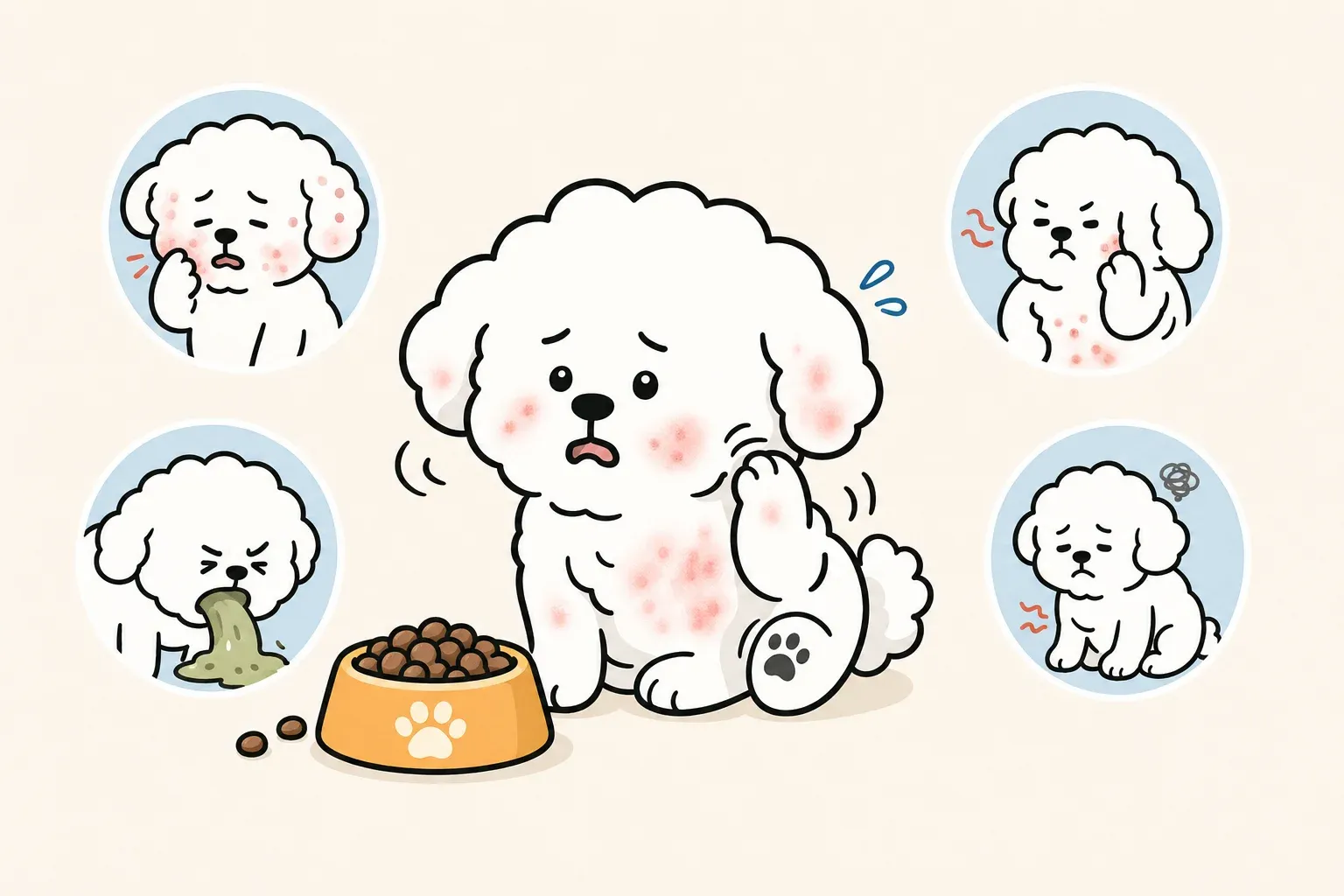
Your dog has been scratching the same spots for months. The ears are red, the paws are perpetually damp from licking, and the belly skin looks inflamed regardless of what shampoo or topical treatment you try. Every vet visit ends with a prescription that manages symptoms temporarily, but nothing seems to resolve the underlying cause.
In a significant proportion of dogs presenting with chronic skin disease, food is the driving factor — or at least a contributing one. A properly conducted dog food allergy elimination diet is the only method that can confirm or rule out dietary triggers with clinical confidence. However, the protocol is strict, the timeline is longer than most owners expect, and the details matter enormously to the outcome.
This guide covers the immunological distinction between allergy and intolerance, what the research actually says about allergen frequency, how to differentiate food from environmental triggers, why commercial allergy tests fall short, and a complete step-by-step elimination protocol from diet selection through rechallenge and long-term management.
What Is a Food Allergy in Dogs?
Food Allergy vs Food Intolerance: The Key Difference
These two terms are often used interchangeably in pet food marketing, but they describe fundamentally different biological events — and the distinction determines both diagnosis and management.
A food allergy is an immune-mediated reaction. When a susceptible dog ingests a specific dietary protein, the immune system incorrectly classifies that protein as a pathogen. In type I (IgE-mediated) hypersensitivity, mast cells coated with allergen-specific IgE antibodies degranulate on re-exposure, releasing histamine and other inflammatory mediators within minutes to hours. In type IV (T-cell-mediated) hypersensitivity, cytotoxic and helper T-cells orchestrate a slower inflammatory response that develops over 24–72 hours. Both pathways can occur in the same dog, which partly explains why symptom onset following allergen exposure varies.
Food intolerance involves no immune activation at all. It is a metabolic failure to process a specific dietary component. The classic example is lactose intolerance: a deficiency in lactase enzyme causes undigested lactose to draw water into the intestinal lumen and ferment via gut bacteria, producing bloating, gas, and loose stools. There is no sensitization phase and no immune memory.
The practical consequence: food intolerance resolves when the offending component is removed from the diet, without the sensitization history that makes allergy management more complex. Food allergy requires identification of the specific protein trigger and strict ongoing avoidance — because the immune sensitization itself persists even during symptom-free periods.
How the Immune System Reacts to Food Allergens
The intestinal mucosal barrier is designed to digest proteins into amino acid fragments small enough to be absorbed as nutrients without triggering immune surveillance. In food-allergic dogs, this barrier appears compromised — either structurally (leaky tight junctions) or functionally (impaired oral tolerance mechanisms) — allowing intact or partially hydrolyzed protein fragments to cross into the lamina propria where they encounter antigen-presenting cells.
Repeated exposure deepens the sensitization: more allergen-specific IgE is produced, more mast cells are primed, and the threshold for triggering a reaction typically decreases over time. This is why food allergies in dogs are almost always to proteins the dog has eaten repeatedly and extensively — the immune system has had prolonged opportunity to mount a response.
The Most Common Food Allergens in Dogs
Research-Ranked Allergen List
Two systematic reviews published in BMC Veterinary Research by Mueller, Olivry, and colleagues (2016, 2018) analyzed 297 reported cases of diagnosed food hypersensitivity in dogs across decades of published literature. The frequency ranking by number of cases:
| Rank | Allergen | Reported Cases |
|---|---|---|
| 1 | Beef | 95 |
| 2 | Dairy products | 55 |
| 3 | Chicken | 45 |
| 4 | Wheat | 42 |
| 5 | Lamb | 27 |
| 6 | Soy | 22 |
| 7 | Corn | 17 |
| 8 | Egg | 15 |
| 9 | Pork | 15 |
| 10 | Fish | 13 |
The pattern is not coincidental. The top four allergens are the four most prevalent proteins in commercial dog food globally — which reflects the sensitization hypothesis. Dogs react to what they have eaten most, not to unusual or exotic ingredients. Grain allergies, while real, are far less common than protein allergies; the perception that grain is the primary problem in dog food allergy is largely a product of marketing rather than veterinary evidence.
Approximately 30% of food-allergic dogs react to more than one allergen, and around 30% of dogs with confirmed food allergy also have concurrent environmental allergy (atopic dermatitis), which complicates both diagnosis and management.
Why These Proteins Trigger Reactions
Molecular weight and structural complexity of the protein are key factors in allergenicity. Proteins that are large (>10 kDa), structurally stable (resistant to heat and digestive enzyme degradation), and structurally similar to self-proteins that evade oral tolerance mechanisms are more likely to trigger sensitization.
Beef collagen and casein (milk protein) are notable examples: both are large, heat-stable proteins that appear largely intact after commercial processing. Chicken ovalbumin and alpha-parvalbumin share structural motifs that cross-react with immune memory established by other allergens — a phenomenon called cross-reactivity — which explains why some dogs react to multiple bird proteins or multiple fish species simultaneously.
Geographic variation in allergen frequency is documented. A 2018 Mueller & Olivry analysis found that beef dominates in North America and Europe, while lamb and dairy appear more frequently in Australian case literature — reflecting regional differences in commercial food composition.
Recognizing Food Allergy Symptoms
Skin Signs: Itching, Redness, Hair Loss, Hot Spots
Skin manifestations are the most frequent clinical presentation of canine food allergy, occurring in approximately 80% of affected dogs. The distribution pattern is diagnostically useful:
- Ears: Recurrent otitis externa (ear infection), often bilateral, sometimes with waxy or purulent discharge
- Paws: Interdigital erythema (redness between the toes), often with salivary staining (red-brown discoloration from chronic licking)
- Ventral areas: Axillae (armpits), groin, and perianal region show erythema and sometimes papules
- Face: Periocular rubbing, chin acne, lip-fold dermatitis
- Diffuse body: In chronic cases, generalized pruritus without a clear regional focus
Secondary infections — bacterial pyoderma and Malassezia yeast overgrowth — are common consequences of chronic scratching and skin barrier disruption. These infections often cause more visible skin changes (pustules, crusts, greasiness) than the allergy itself and must be treated concurrently with the elimination trial. Dogs experiencing hot spots or acute moist dermatitis alongside ear and paw symptoms warrant prompt evaluation for an underlying dietary trigger.
Digestive Signs: Vomiting, Diarrhea, Gas
Gastrointestinal symptoms co-occur with skin symptoms in roughly 20–30% of food-allergic dogs. The GI presentation alone, without skin signs, is less common but occurs. Characteristic features include:
- Soft stools or episodic diarrhea not linked to dietary changes
- Vomiting occurring hours after eating (distinguishing it from regurgitation, which is immediate)
- Increased defecation frequency (more than 3 times daily)
- Intermittent abdominal gurgling or discomfort
- Excessive flatulence
Diarrhea attributable to food allergy tends to be mucoid or intermittently bloody in dogs with colonic involvement, and watery in those with small intestinal involvement.
Behavioral Changes: Excessive Licking, Ear Scratching
Pruritus (itch) in dogs is often expressed as behavior rather than the visible scratching seen in human allergy. Owners frequently report:
- Obsessive paw licking, particularly at night when the house is quiet
- Head shaking and persistent ear scratching
- Scooting or perineal licking
- Restlessness and difficulty settling, especially in warm environments
- Increased irritability when touched near affected areas
These behaviors are often attributed to anxiety or habit rather than physical discomfort. A detailed behavioral history — when did it start, is it getting worse, is it seasonal — provides important diagnostic context. Understanding the full picture of dog skin allergy signs and management helps owners track symptom patterns systematically.
Food Allergy vs Environmental Allergy Checklist
| Feature | Food Allergy | Environmental Allergy (Atopy) |
|---|---|---|
| Seasonality | Year-round, consistent | Often seasonal peaks (spring, fall) |
| Age of onset | Any age, including under 6 months | Typically 1–3 years |
| Response to steroids | Partial, often incomplete | Good short-term response |
| GI signs present? | Yes, in ~25% of cases | Rarely |
| Ear involvement | Common | Common |
| Paw involvement | Common | Common |
| Geographic consistency | Symptoms persist when traveling | May improve in different environments |
| Season of first onset | Any time of year | Often spring or fall |
No single criterion definitively separates the two — that is precisely why the elimination diet is necessary. Dogs can have both conditions simultaneously, and atopy often develops secondarily in food-allergic dogs as chronic skin inflammation lowers the threshold for additional sensitivities.
Allergy Testing vs Elimination Diet: Which Is More Accurate?
The Limitations of Blood and Saliva Tests
Several commercial laboratories offer serum IgE testing or saliva-based panels that claim to identify specific food allergens in dogs. These tests are widely marketed and frequently purchased by pet owners frustrated by the slow pace of dietary elimination trials.
The clinical evidence for their accuracy is weak. The 2016 Mueller & Olivry systematic review in BMC Veterinary Research examined the available diagnostic studies and concluded that serum allergen-specific IgE measurements using commercially available assays showed poor correlation with clinical reactivity to food. Published sensitivity rates (the ability to correctly identify a truly allergic dog) and specificity rates (the ability to correctly identify a non-allergic dog) are insufficiently high for clinical use. Multiple studies have found positive results in dogs with no history of food reactions, and negative results in dogs with histologically confirmed food hypersensitivity.
The underlying problem is biological: serum IgE reflects immune sensitization (exposure and antibody production), not clinical reactivity. A dog may have elevated IgE against chicken without experiencing any clinical symptoms — and vice versa, may react to a protein without detectable serum IgE if the reaction is primarily T-cell-mediated.
Veterinary dermatology organizations, including the American College of Veterinary Dermatology (ACVD), do not recommend commercial food allergen serum tests as a diagnostic tool for food allergy.
Why Elimination Diets Remain the Gold Standard
The dietary elimination trial with subsequent rechallenge remains the only method with validated diagnostic accuracy for canine food allergy. The principle is straightforward: remove all potential allergens, wait sufficient time for immune-driven inflammation to resolve, observe whether symptoms improve, then reintroduce the original diet to confirm that the food was responsible.
The rechallenge step — often skipped in practice — is essential for confirmation. Symptom improvement during elimination alone proves only that something changed; it does not prove the food was responsible. Only symptom recurrence following deliberate reintroduction of the original diet provides the clinical confidence needed to commit a dog to a lifetime restricted diet.
The Complete 8-Week Elimination Diet Protocol
Step 1: Choose the Right Diet (Hydrolyzed vs Novel Protein vs LID)
Three categories of elimination diet exist, each with different underlying mechanisms and practical trade-offs:
Hydrolyzed Protein Diets
The protein source (often chicken, soy, or salmon) is enzymatically broken into fragments smaller than 10 kDa — below the molecular threshold generally required for IgE-mediated allergen recognition. In theory, even a protein the dog is allergic to can be used if it has been hydrolyzed sufficiently.
- Advantages: Does not require identification of a protein the dog has never eaten; widely available from major veterinary diet manufacturers
- Disadvantages: Expensive; some dogs with severe allergies react to residual peptide fragments; palatability varies
- Best for: Dogs with unknown dietary history, dogs that have eaten many different proteins
Novel Protein Diets (Prescription)
Contains a single protein source and a single carbohydrate source that the dog has demonstrably never eaten before. Common novel proteins in the US market include venison, kangaroo, rabbit, bison, and alligator.
- Advantages: Whole proteins are generally more palatable than hydrolyzed; lower cost than hydrolyzed in some formulations
- Disadvantages: Increasingly difficult to find a true novel protein in dogs fed varied commercial diets; cross-contamination risk in non-prescription formulas
- Best for: Dogs with a documented dietary history and a clear novel protein available
Limited Ingredient Diets (LID) — Over-the-Counter
These are not appropriate for a diagnostic elimination trial. PCR-based ingredient analysis studies have repeatedly found DNA from undisclosed proteins in commercial LID formulas, often at rates exceeding 40% of tested products. Cross-contamination during manufacturing is the primary culprit.
Comparison Summary
| Diet Type | Mechanism | Prescription Needed | Cross-Contamination Risk | Palatability |
|---|---|---|---|---|
| Hydrolyzed | Molecular fragmentation | Yes (preferred) | Low | Variable |
| Novel protein | Immune naivety | Yes (preferred) | Low | High |
| Commercial LID | Restricted ingredients | No | High (manufacturing) | High |
Home-cooked diets are a valid alternative when prepared under veterinary nutritionist supervision — they allow complete ingredient control but require careful formulation to avoid nutritional deficiencies during an extended trial.
Step 2: Transition Period (7–10 Day Gradual Switch)
Abrupt diet changes can cause GI upset that mimics or masks food allergy symptoms during the early trial phase. A gradual transition over 7–10 days minimizes confounding. For the complete rationale and stool-monitoring protocol behind gradual transitions, see the how to switch dog food guide.
- Days 1–3: 75% current food, 25% elimination diet
- Days 4–6: 50% current food, 50% elimination diet
- Days 7–9: 25% current food, 75% elimination diet
- Day 10 onward: 100% elimination diet
Begin recording symptoms in a food diary starting on Day 1. Baseline documentation of itch frequency, skin appearance, GI signs, and ear status provides the reference point for evaluating improvement.
Step 3: The Strict Elimination Phase (Minimum 8 Weeks)
Eight weeks is the minimum duration. The biology behind this timeline: cutaneous hypersensitivity reactions involve not only immediate immune mediator release but also persistent epidermal inflammatory cell infiltrates and impaired barrier function that resolve slowly even after allergen withdrawal. A 2001 review by Hillier & Griffin identified that 50% of food-allergic dogs show improvement within 4 weeks, 80% within 6 weeks, and 90% within 8 weeks — but the remaining 10% require up to 12 weeks.
What strict means in practice:
- The elimination diet is the only food source, period
- Zero treats, chews, rawhides, dental chews, or food-based enrichment toys
- Check flavored medications: many monthly heartworm preventives, flea treatments, and dental health products are beef- or pork-flavored
- Check supplements: flavored omega-3 chews, joint supplements with animal-derived casings, and flavored probiotics all contain potential allergens
- If flavored medications cannot be substituted, use the unflavored tablet or injectable equivalent and discuss with your veterinarian
- Inform all household members and regular dog walkers about the strict no-treats rule
Step 4: Symptom Tracking and Food Diary
A structured diary transforms subjective observation into diagnostic data. Record daily:
- Itch score (0–4 scale: 0 = no itch, 4 = constant scratching, unable to settle)
- Affected body areas and severity
- GI signs: stool consistency (1–7 Bristol Stool Scale equivalent), vomiting episodes
- Ear condition: discharge, odor, head shaking frequency
- Sleep quality (correlates with nocturnal pruritus)
- Any accidental exposures (note what was consumed and when)
Photograph affected skin areas weekly under consistent lighting. Visual documentation captures changes in redness, hair regrowth, and skin thickening that may be gradual enough to miss without comparison.
Managing Treats, Supplements, and Medications During the Trial
This is the single most common reason elimination trials fail. The following substitutions preserve trial integrity:
| Item | Problem | Solution |
|---|---|---|
| Flavored heartworm tablet | Beef/pork flavor | Unflavored ivermectin injection (vet administered) or tablet |
| Flavored flea prevention | Chicken/beef base | Topical spot-on without food ingredients |
| Joint supplement chew | Animal gelatin, chicken digest | Unflavored fish oil capsule, unflavored glucosamine tablet |
| Dog toothpaste | Poultry or beef flavor | Enzyme toothpaste without animal protein flavoring |
| Training treats | Standard meat-based | Pieces of the elimination diet kibble itself |
| Chews/rawhides | Beef hides, pig ears | None during trial; replace with puzzle feeders |
The Rechallenge Phase: Confirming the Allergen
How to Reintroduce Proteins One at a Time
After 8 weeks of elimination diet, if symptoms have improved by approximately 50% or more, the rechallenge phase begins. The first rechallenge uses the original complete diet to confirm the food allergy diagnosis. Feed the original food for up to 14 days.
If symptoms return — most food-allergic dogs respond within 1–7 days — the food allergy diagnosis is confirmed. Return immediately to the elimination diet and allow symptoms to resolve before beginning individual protein rechallenges.
Individual protein rechallenge follows this sequence:
- Select one protein source (e.g., chicken)
- Feed that protein for 14 days alongside the elimination diet base
- Observe for symptom exacerbation
- If no reaction: that protein is tolerated and can remain in the long-term diet
- If reaction occurs: eliminate that protein; allow 2 weeks for symptom resolution before testing the next protein
Test proteins systematically: chicken, beef, dairy, wheat, lamb, soy — beginning with the most likely suspects based on the dog’s prior dietary history. This methodical approach identifies the specific trigger(s) and defines what the dog can safely eat long-term — avoiding unnecessarily restrictive permanent diets.
Observation Windows and Symptom Recording
Continue the daily food diary through the entire rechallenge phase. The rechallenge observation window per protein is 14 days, with the peak reactivity window typically occurring at days 3–7. Reactions can manifest as:
- Return of pruritus within 1–7 days
- Worsening of ear inflammation within 2–5 days
- Resumption of GI signs within 1–3 days
- New papules or pustules developing within 4–7 days
Mild reactions warrant the full 14-day observation. Severe reactions — vomiting, dramatic skin flare, systemic signs — warrant immediate return to the elimination diet without completing the 14-day window.
What to Do If a Reaction Occurs
If a reaction occurs during rechallenge:
- Return to the elimination diet immediately
- Document the date, the introduced protein, and the symptom pattern
- Contact your veterinarian if secondary infection has developed or if the dog is severely uncomfortable
- Allow full symptom resolution (typically 2–4 weeks) before beginning the next protein challenge
- Add the reactive protein to the dog’s permanent allergen list
Do not attempt to administer antihistamines or steroids during the rechallenge phase unless directed by your veterinarian — immunosuppression masks the immune response and can produce a false-negative rechallenge result.
Managing Elimination Diets in Multi-Dog Households
Separated Feeding Strategies
Multi-dog households present practical challenges that are rarely addressed in consumer-facing guides. Even one household dog eating the wrong food can invalidate the trial if the allergic dog has access to it through food sharing or scavenging.
Feeding separation approaches:
- Crate feeding: Each dog eats in a separate crate with the door closed; crates are opened only when all food is consumed and verified
- Room separation: Use baby gates or separate rooms during every feeding; maintain separation for at least 20 minutes post-meal to prevent food theft
- Sequential feeding: Feed the allergic dog first, in an isolated space; return other dogs to the room only after the allergic dog’s bowl is removed
- Elevated bowls with physical barriers: Useful in households where crating is not feasible for all dogs, though less reliable
Floor and surface cleaning: Residual food fragments on flooring, furniture, and feeding areas contain allergenic proteins that allergic dogs can ingest through licking. Wipe feeding surfaces with a damp cloth after every meal and wash food bowls in hot water separately from other household dishes.
Controlling Treats and Table Scraps
All household members must be briefed on the trial protocol, including children and regular visitors. This is frequently the point of failure: one family member gives a “harmless” table scrap without realizing the consequences.
Create a simple household rule: no food to this dog except from the designated container. Post a visual reminder on the refrigerator. For households with children, involve them in understanding the reason — framing it as “we’re helping find out what’s making [dog’s name] itchy” tends to be more effective than abstract prohibition.
Provide approved alternatives: pieces of the elimination diet kibble work as training rewards, and puzzle feeders filled with the elimination diet food can replace treat-based enrichment. Dogs generally adapt within a few days if the alternative is introduced with enthusiasm.
Supporting Skin Health During the Elimination Trial
Omega Fatty Acid Supplementation
The elimination diet removes the inflammatory driver, but the skin barrier does not recover immediately. Epithelial repair, reduction of the epidermal inflammatory cell infiltrate, and normalization of transepidermal water loss (TEWL) take weeks to months. Targeted nutritional support can accelerate this process.
Omega-3 fatty acids — specifically EPA (eicosapentaenoic acid) and DHA (docosahexaenoic acid) from marine sources — competitively inhibit arachidonic acid metabolism, reducing the synthesis of pro-inflammatory prostaglandins and leukotrienes. Clinical trials in dogs with atopic dermatitis have demonstrated statistically significant reductions in itch scores with EPA/DHA supplementation at doses of 180 mg EPA + 120 mg DHA per 10 lbs of body weight daily.
During the elimination trial, use an unflavored fish oil capsule (not flavored chews with animal gelatin casings) to avoid introducing potential allergens. Review the skin supplement guide for dogs for detailed supplementation protocols and dosing guidance. An anti-inflammatory diet approach can further complement the elimination trial’s skin recovery goals.
Probiotics are also increasingly supported in canine food allergy management. Specific strains — notably Lactobacillus rhamnosus GG and Bifidobacterium longum — have demonstrated intestinal barrier-strengthening effects in early trials. The gut-skin axis is an active area of canine dermatology research; gut health and probiotic support may be worth discussing with your veterinarian alongside the dietary trial.
Light Therapy for Skin Recovery
Beyond nutrition, emerging therapies support skin tissue recovery during and after the elimination trial. Near-infrared (NIR) light therapy has been studied for its effects on skin barrier integrity and reduction of cutaneous inflammatory markers. Photobiomodulation at wavelengths in the 800–1100 nm range has been shown in cellular and small animal models to promote keratinocyte proliferation, reduce oxidative stress, and modulate inflammatory cytokine expression.
For dogs with chronic, severely inflamed skin, adjunctive photobiomodulation represents a non-pharmacological option to support skin recovery during the long waiting period of the elimination trial — without interfering with the immunological assessment the diet trial is designed to perform. Consult your veterinarian about whether photobiomodulation is appropriate alongside the elimination protocol.
Long-Term Diet Management and Nutritional Balance
Nutritional Risks of Restricted Diets
Once the allergen(s) are identified through rechallenge, the dog transitions to a long-term diet that permanently excludes the offending proteins. This is achievable in most cases, as the dog’s complete allergen list is typically 1–3 specific proteins rather than every protein in existence.
However, ongoing nutritional vigilance is important:
- AAFCO completeness: Verify that the long-term diet carries an AAFCO statement confirming it meets nutritional standards for the appropriate life stage (puppy, adult, or senior/all life stages)
- WSAVA-compliant manufacturers: The World Small Animal Veterinary Association recommends choosing foods from manufacturers that employ full-time veterinary nutritionists, conduct feeding trials, and perform AAFCO nutritional analysis — not all manufacturers do
- Label reading: Reading ingredient labels is an ongoing skill; understanding dog food labels helps identify hidden protein sources, by-products, and flavor additives that may contain reactive allergens
- Micronutrient gaps: Novel protein diets and home-cooked diets are at highest risk for calcium, phosphorus, zinc, and vitamin D deficiencies when extended beyond the 12-week trial without reformulation by a board-certified veterinary nutritionist
Dogs with confirmed food allergy do not need to eat prescription food forever — but any commercial diet selected for long-term use should undergo the same scrutiny as the elimination diet: single or known protein sources, no undisclosed ingredients, and verified manufacturing practices.
Working with Your Veterinarian for Ongoing Care
A successfully completed elimination trial and rechallenge does not end the veterinary relationship — it begins a more informed one. Your veterinarian can help with:
- Secondary infection management: Chronic skin inflammation frequently causes secondary bacterial and yeast infections that require antibiotic or antifungal treatment. Treating infections during and after the elimination trial prevents them from obscuring the dietary response signal
- Concurrent atopy management: If the dog continues to itch despite strict allergen avoidance, environmental allergy (atopic dermatitis) is likely contributing and requires separate diagnostics and management
- Annual diet review: Ingredient formulas change without consumer notice; a food that was safe when first introduced may incorporate new protein sources in reformulated versions. Periodic label review with your veterinarian helps maintain diet integrity
- Nutritional monitoring: Semi-annual bloodwork in dogs on restricted long-term diets allows early detection of micronutrient deficiencies before clinical signs develop
Food allergy in dogs is a manageable, lifelong condition. The elimination diet protocol is demanding — 8–12 weeks of strict discipline is genuinely difficult — but it is also the only path to a definitive answer. Dogs with confirmed food allergy who are maintained on an appropriate allergen-free diet typically experience a dramatic improvement in quality of life, with skin symptoms resolving substantially or completely in most cases.
References
- 1. Mueller RS, Olivry T, Prélaud P. Critically appraised topic on adverse food reactions of companion animals. BMC Veterinary Research, 2016.
- 2. Olivry T, Mueller RS. Critically appraised topic on adverse food reactions of companion animals: is there a relationship between the geographical location and the allergens involved? BMC Vet Res, 2018.
- 3. Verlinden A et al. Food hypersensitivity reactions in dogs and cats. Critical Reviews in Food Science and Nutrition, 2006.
- 4. Olivry T et al. Diagnosis of canine atopic dermatitis: can we validate a Trier of Validity? Vet Derm, 2010.
- 5. Implementing an Elimination-Challenge Diet Trial for Dogs — VCA Animal Hospitals
- 6. Elimination Diet Trials: Steps for Success and Common Mistakes — Today's Veterinary Practice
- 7. WSAVA Global Nutrition Guidelines — World Small Animal Veterinary Association
- 8. Hydrolyzed Protein Diets for Dogs and Cats — Clinician's Brief
FAQ
How long does a dog food allergy elimination diet need to last?
Can I use over-the-counter hypoallergenic dog food for an elimination diet?
What is the difference between dog food allergy and food intolerance?
Are blood or saliva allergy tests accurate for diagnosing dog food allergies?
Can my dog have treats during the elimination diet?
What happens during the rechallenge phase?
Related Articles

Dog Skin Allergies: Types, Symptoms, and Management Guide
Dog skin allergies: 3 types, symptom patterns by location, 8–12 week elimination diet protocol, and treatment options including JAK inhibitors.

Anti-Inflammatory Diet for Dogs: 7 Foods That Fight Joint Pain
7 vet-backed anti-inflammatory foods for dogs with EPA/DHA dosage tables, 3 homemade recipes, and a science-based diet transition protocol.

How to Read Dog Food Labels Ingredients: A Complete Guide
Learn how to read dog food labels ingredients like a pro. Decode AAFCO rules, guaranteed analysis, dry matter basis, and red-flag additives.