 Cirius Petpedia
 Dog Panting: Normal vs. Abnormal Causes and When to Worry
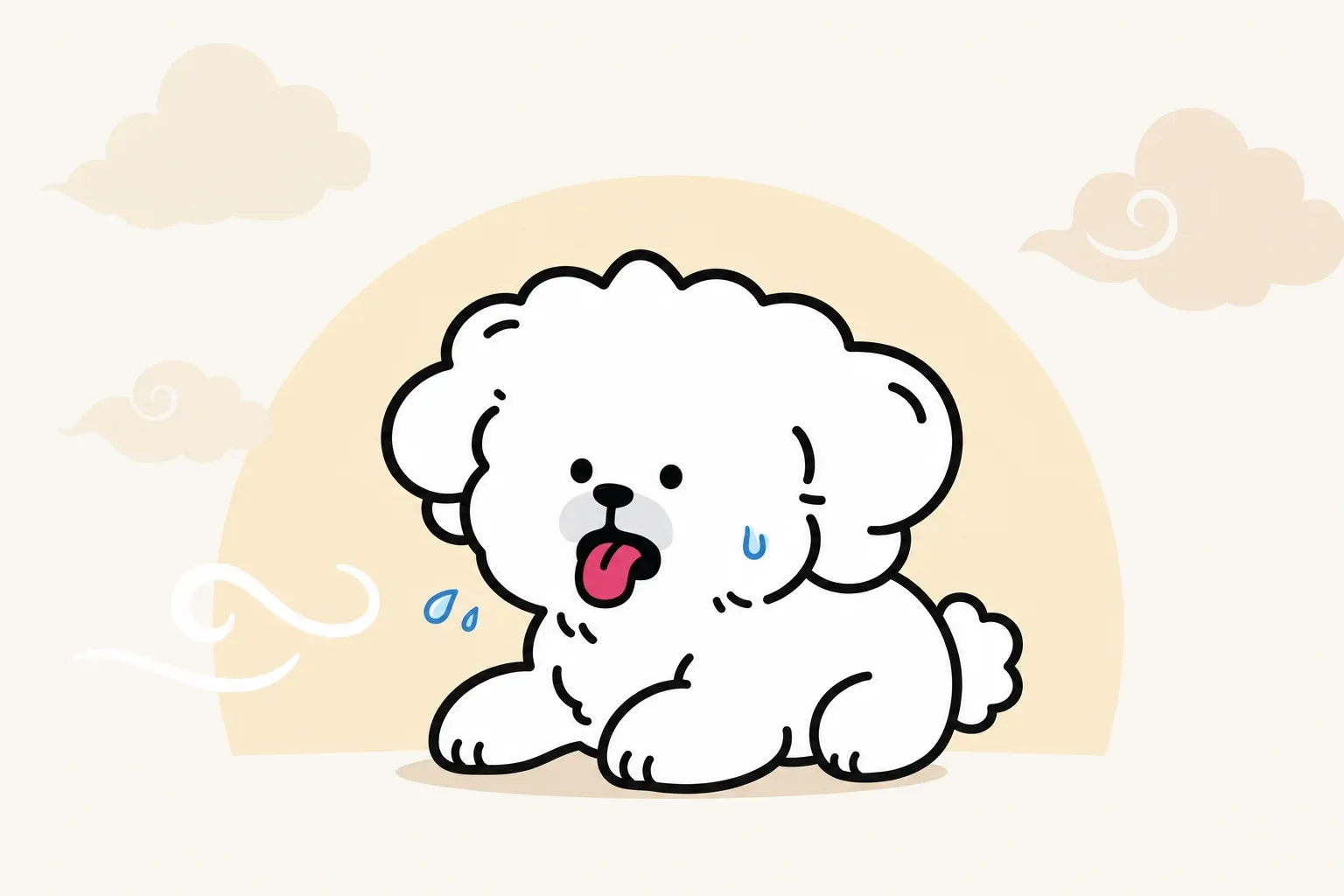
Watching your dog pant heavily can feel alarming—especially when you’re not sure whether it’s normal or a sign that something is wrong. Dog panting is one of the most common physiological behaviors in canines, but it can also be one of the earliest warning signals for serious health conditions.
This guide walks through the full spectrum: how panting works, what causes it under normal and abnormal circumstances, a symptom-based urgency triage table to help you decide what to do, and a practical checklist to prepare before your vet visit.
What Is Dog Panting
How Dogs Regulate Body Temperature
Unlike humans, dogs have very few sweat glands—most are concentrated in the paw pads and produce minimal cooling effect. Dogs rely primarily on evaporative cooling through panting: rapid, shallow breathing that moves air across the moist surfaces of the tongue, oral cavity, and upper respiratory tract. As water evaporates from these surfaces, body heat dissipates.
This process is efficient under normal conditions, but it has limits. In high humidity or extreme heat, evaporation slows and panting becomes less effective at cooling the body—a key reason heatstroke in dogs can escalate rapidly in hot, humid environments.
Normal Breathing Rate vs. Panting
A resting, healthy dog breathes 15 to 35 times per minute. During active panting, this rate surges to 300–400 breaths per minute, with the mouth open and the tongue extended. This isn’t the same as labored breathing—normal panting looks effortless, with the chest and abdomen moving in rhythm without strain.
Key distinction points:
- Resting rate above 40 breaths per minute (without panting) is a red flag worth investigating
- Panting at rest in a cool room with no prior exercise or excitement warrants attention
- Audible wheezing, crackling, or stridor (high-pitched sound) during panting is never normal
Normal Reasons Dogs Pant
Cooling Down After Exercise or Heat
The most common and benign reason for panting is thermoregulation. After a run, a fetch session, or a walk on a warm day, your dog’s core temperature rises and panting kicks in automatically. This type of panting should resolve within 10–20 minutes once the dog is resting in a cool area with access to water.
Signs it’s normal thermoregulatory panting:
- Follows physical activity or heat exposure
- Tongue and gums are pink and moist
- Dog settles and breathing slows with rest and water
- No vomiting, stumbling, or confusion
Excitement and Happiness
Dogs pant during moments of heightened positive arousal—greeting you at the door, anticipating a car ride, or playing with a favorite toy. This type of panting is typically paired with a relaxed, soft body posture, wagging tail, and bright eyes. It resolves almost immediately when the stimulation ends.
Stress and Anxiety Responses
Panting triggered by fear or anxiety is physiologically identical to heat panting but context-driven. Car rides, thunderstorms, fireworks, and veterinary visits are common triggers. This type of panting is often accompanied by yawning, lip-licking, tucked tail, or attempts to hide.
Dogs with noise phobia—such as fear of thunder—frequently show this pattern intensely. For more on managing anxiety-related panting from storms and noise, including desensitization techniques, see our dedicated guide.
When Panting Signals a Health Problem
When panting occurs without an obvious trigger—at rest, in cool temperatures, in the middle of the night—it warrants a closer look. Several medical conditions list abnormal panting as a primary or early symptom.
Pain and Discomfort: Arthritis, Disc Disease, Abdominal Pain
Pain is among the most underappreciated causes of excessive panting in dogs. Because dogs cannot communicate discomfort verbally, panting becomes their involuntary outlet. The autonomic nervous system response to pain—elevated heart rate, shallow breathing—produces a panting pattern that looks behavioral but has a physical origin.
Conditions commonly linked to pain-driven panting include:
- Osteoarthritis: chronic joint inflammation, especially in large and senior dogs
- Intervertebral disc disease (IVDD): spinal disc herniation causing nerve compression and pain
- Pancreatitis or GI obstruction: abdominal pain that drives restless, persistent panting
Pain panting often surfaces at night when the dog is lying still (and distraction is minimal) or after waking from rest when joint stiffness peaks. Watch for reluctance to move, stiffness when rising, or subtle guarding of one limb. For a complete overview of pain signals, recognizing pain in dogs covers behavioral cues beyond panting.
Signs pointing to pain as the cause:
- Panting without heat, exercise, or known stressor
- Restlessness, inability to settle comfortably
- Changes in posture (hunching, shifted weight)
- Whimpering when touched in specific areas
Heart Disease and Respiratory Conditions
Heart disease reduces the heart’s ability to pump oxygenated blood efficiently. As cardiac output falls, tissues signal for more oxygen, and the respiratory rate rises—producing chronic heavy breathing and panting. Dogs with congestive heart failure often cough (especially at night), tire easily, and have reduced exercise tolerance alongside panting.
Respiratory conditions such as pneumonia, pulmonary edema, and pleural effusion (fluid around the lungs) cause labored breathing that can resemble panting but involves visible chest effort and may include blue or gray gum coloration—an emergency sign. Any suspected heart or lung involvement requires veterinary diagnosis.
Cushing’s Disease and Hormonal Imbalances
Cushing’s disease (hyperadrenocorticism) is a condition in which the adrenal glands produce excessive cortisol. It is one of the most common endocrine disorders in dogs, predominantly affecting middle-aged to older dogs. Panting is present in approximately 60–70% of dogs with Cushing’s disease, making it one of the most consistent early symptoms.
The mechanism: excess cortisol redistributes body fat (particularly to the abdomen), weakens respiratory muscles, and disrupts normal sleep-wake cycles—all contributing to heavy breathing and panting that occurs at rest, at night, and disproportionately to activity level.
Classic symptom cluster for Cushing’s disease:
| Symptom | Description |
|---|---|
| Panting | Persistent, at rest, often nocturnal |
| Pot-bellied appearance | Abdominal fat redistribution |
| Increased thirst and urination | Cortisol effect on kidneys |
| Hair loss (symmetric) | Bilateral flank alopecia |
| Muscle weakness | Protein wasting from excess cortisol |
| Recurrent skin infections | Immune suppression |
If your dog is panting heavily with any three of these signs, Cushing’s disease should be on your list of possibilities to discuss with a veterinarian. Definitive diagnosis requires blood tests (ACTH stimulation test or low-dose dexamethasone suppression test). For a detailed breakdown, see Cushing’s syndrome in dogs.
Obesity and Tracheal Collapse
Excess body weight directly compresses the chest cavity, restricts diaphragm movement, and forces the respiratory system to work harder for normal ventilation. Obese dogs often pant during mild activity or at rest because the mechanical load on breathing is permanently elevated. The relationship between obesity and joint health creates a compounding problem: heavier dogs move less, further reducing cardiovascular fitness and respiratory efficiency.
Tracheal collapse is a condition in which the cartilage rings supporting the trachea (windpipe) weaken and flatten, narrowing the airway. It produces a characteristic honking cough and labored panting, particularly during excitement, exercise, or when wearing a collar. Small and toy breeds are most commonly affected, but the condition can occur in any dog. For detailed management options, our guide to tracheal collapse in dogs covers medical and surgical approaches.
Breed-Specific Risks: Brachycephalic and Giant Breeds
Brachycephalic breeds (bulldogs, pugs, French bulldogs, Boston terriers, shih tzus, boxers) have anatomically compressed upper airways—shortened nasal passages, elongated soft palate, narrowed trachea, and everted laryngeal saccules. Even light exertion or moderate heat creates disproportionate respiratory effort. WSAVA guidelines classify Brachycephalic Obstructive Airway Syndrome (BOAS) as a progressive condition; these dogs should be evaluated by a veterinarian familiar with airway anatomy, and surgery may be recommended to reduce long-term respiratory strain.
Specific risk factors for brachycephalic breeds:
- Panting at rest even in cool conditions is common but should still be monitored
- Higher susceptibility to heatstroke at much lower temperatures than other breeds
- Sleep-disordered breathing (similar to sleep apnea in humans)
Giant breeds (Great Danes, Saint Bernards, Irish Wolfhounds, Newfoundlands) face a different risk set. Their large chest cavities create vulnerability to gastric dilatation-volvulus (GDV), a life-threatening emergency in which the stomach distends with gas and rotates. Panting, restlessness, an enlarged abdomen, and repeated unproductive retching are the classic warning signs. GDV can become fatal within hours without emergency surgery. Any giant breed showing these signs simultaneously requires an immediate emergency veterinary visit—do not wait.
Giant breeds are also at elevated risk for dilated cardiomyopathy (enlarged heart), laryngeal paralysis (weakening of the muscles controlling the voice box, causing noisy, labored breathing), and degenerative joint disease—all of which produce panting as a key symptom.
Symptom-Based Urgency Guide
One of the gaps in most online resources is a clear framework for deciding what to do when your dog pants excessively. This table is designed to help you triage based on accompanying symptoms.
Watch and Wait: Temporary Panting That Resolves
| Scenario | Accompanying signs | Expected resolution | Action |
|---|---|---|---|
| Post-exercise in warm weather | Pink gums, normal energy | 10–20 minutes with rest and water | Monitor; ensure hydration |
| Excitement (greetings, play) | Relaxed body, wagging tail | Within minutes of settling | No action needed |
| Mild stress (car ride) | Yawning, lip-licking | After trigger is removed | Comfort; gradual desensitization |
| Hot, humid day indoors | Normal color, alert | With cooling and hydration | Move to cooler space |
Schedule a Vet Visit: Persistent Panting With Appetite or Energy Changes
| Scenario | Accompanying signs | Timeframe | Action |
|---|---|---|---|
| Panting at rest without trigger | Mild behavioral change, increased thirst | Recurring over days | Book vet appointment within 1–2 weeks |
| Nighttime panting in older dog | Restlessness, difficulty settling | Happening most nights | Vet visit; discuss hormonal and pain screening |
| Panting with weight gain, hair loss | Pot-belly, lethargy | Progressive over weeks-months | Endocrine panel; Cushing’s workup |
| Panting after exercise that used to be easy | Reduced stamina, occasional cough | Worsening over weeks | Cardiac and respiratory evaluation |
| Panting with stiffness or limping | Guarding posture, reluctance to stairs | Consistent pattern | Pain assessment; orthopedic or neurological exam |
Seek Emergency Care: Gum Color Changes, Labored Breathing, Collapse
Call an emergency vet or go immediately if you observe:
| Emergency sign | What it means |
|---|---|
| Blue, gray, or white gums | Oxygen deprivation; critical |
| Visible chest heaving with each breath | Severe respiratory distress |
| Open-mouth breathing at rest (cat posture in dog) | Airways severely compromised |
| Sudden onset of heavy panting with bloated abdomen (giant breeds) | Possible GDV; minutes matter |
| Collapse or inability to stand | Cardiovascular or neurological emergency |
| Temperature above 104°F (40°C) with panting and disorientation | Heatstroke; immediate cooling and vet visit |
| Panting after known toxin ingestion | Toxic reaction; call poison control |
Gum check reminder: Press your finger against your dog’s upper gum, release, and count how long it takes for the pink color to return. Normal capillary refill time is 1–2 seconds. Longer than 2 seconds, or gums that are pale, white, blue, or bright red, are all emergency signals.
What to Do When Your Dog Pants Excessively
Heat-Related Panting: Cooling Strategies
If panting follows heat exposure, act promptly but calmly:
- Move to shade or a cool indoor space — air conditioning is preferable to fans alone in high humidity
- Offer room-temperature water, not ice water — very cold water can cause stomach cramping; small amounts frequently is better than a large intake at once
- Apply cool (not cold) wet towels to the neck, armpits, and groin — these areas have major blood vessels close to the skin surface
- Avoid wetting the back — insulation from wet fur can trap heat
- Monitor gum color and alertness every 5 minutes
If cooling strategies do not reduce panting within 15 minutes, or if the dog seems disoriented, vomits, or staggers, treat it as a heatstroke situation and seek veterinary care immediately.
Anxiety-Driven Panting: Calming Techniques
For known anxiety triggers (thunderstorms, fireworks, travel), these approaches can reduce panting intensity:
- Create a safe den space: a covered crate or interior room away from windows reduces sensory input during noise events
- Body wraps: some dogs show reduced anxiety with snug-fitting wraps (e.g., anxiety wraps); effectiveness varies by individual
- Calm, matter-of-fact behavior from owners: excessive soothing can reinforce anxious behavior; neutral, reassuring presence is more effective
- Gradual desensitization over time: systematic exposure to recorded versions of triggers at very low volume, paired with positive reinforcement, can reduce baseline reactivity
For persistent or severe anxiety panting, a veterinarian may discuss anti-anxiety medications, especially for predictable events like Fourth of July or severe noise phobia related to thunder.
Pain-Related Panting: Observation Points and First Aid
If you suspect pain is driving panting, avoid the instinct to just comfort the dog. Observe systematically:
- Location test: gently palpate (press) along the spine, joints, and abdomen to identify a pain response (pulling away, vocalization, muscle tension)
- Mobility assessment: watch your dog stand, sit, lie down, and navigate stairs — hesitation or asymmetry points to orthopedic or neurological involvement
- History: has the dog recently jumped, run unusually hard, or had a fall? Acute disc herniation can develop rapidly after minor incidents
Do not give human pain medications (ibuprofen, acetaminophen, naproxen) — these are toxic to dogs. If you have NSAIDs prescribed by your veterinarian for your dog and pain seems to be the cause, you may administer the prescribed dose and observe for 30–60 minutes. If panting does not improve or worsens, contact your vet.
For dogs with known arthritis, panting after lying in one position too long is common due to stiffness and discomfort on rising. Orthopedic beds and regular gentle movement can help reduce this pattern.
Preparing for Your Vet Visit
Bringing a well-organized account of what you’ve observed dramatically improves diagnostic efficiency. Veterinarians often spend the first portion of a consultation reconstructing a behavioral timeline that owners can provide in advance.
Observation Checklist to Bring
Prepare answers to these questions before your appointment:
- When did the panting start? (exact date, or approximate duration)
- How often does it occur? (every night, after walks, randomly throughout the day)
- What time of day? (morning, evening, only at night, constant)
- What is the surrounding context? (after eating, after exercise, at rest in cool room, unprovoked)
- What else has changed? (appetite, water intake, urination frequency, energy level, weight, coat quality)
- Any recent events? (diet change, new medication, injury, exposure to heat or toxins)
- Breed, age, and current weight
- Current medications and supplements
Tips for Recording Video Evidence
Many panting episodes are intermittent—your dog may appear calm at the vet clinic. Video evidence is invaluable:
- Record at the time of the episode, not retrospectively — 30–60 seconds of footage is sufficient
- Show the chest and abdomen moving, not just the face — this helps vets assess respiratory effort
- Record context: if it happens at night, a brief lit recording showing the dog panting in its bed communicates far more than a verbal description
- Note the time stamp — most smartphone cameras embed this in video metadata automatically
- Multiple short clips across different occasions are more useful than a single long recording
Dog panting is a normal physiological mechanism—but knowing the boundaries between routine and concerning requires attention to context, duration, accompanying signs, and your individual dog’s baseline. When panting is persistent, unexplained, or paired with any of the emergency signals in the urgency guide above, the cost of a vet visit is always lower than the cost of waiting. Trust your instincts: if something about your dog’s breathing feels different, it usually is.
References
FAQ
Is it normal for a dog to pant at night?
Why is my puppy panting so much?
Can pain cause a dog to pant?
My dog is panting after surgery. Is that normal?
What is a normal breathing rate for a dog?
Related Articles

Dog Heat Stroke Prevention: Critical Temperature Thresholds and Warning Signs Every Owner Must Know
Learn the 4-tier temperature risk system, breed-specific vulnerabilities, pavement heat dangers, and step-by-step emergency protocol to prevent and treat dog heat stroke this summer.
Is Your Dog in Pain? 7 Subtle Signs Most Owners Miss
Learn the 7 behavioral signs your dog is in pain that are easy to overlook, how to tell acute from chronic pain, and what to do before your vet visit.
Dog Arthritis: Symptoms and Management
Recognize early signs of arthritis in dogs and learn effective management strategies for pain relief and improved mobility.