 Cirius Petpedia
 Dog-Friendly Cabin Trip: 10-Point Checklist
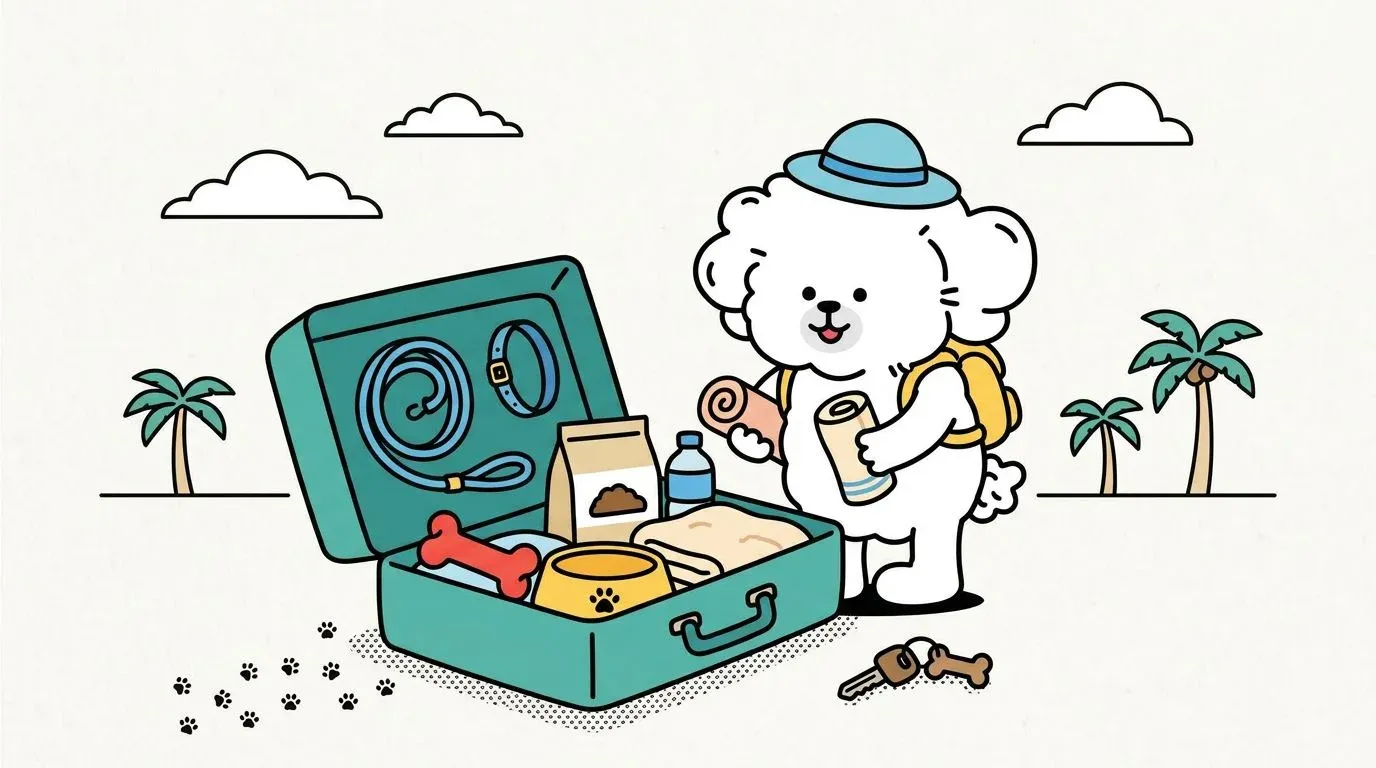
You booked the perfect dog-friendly cabin. You paid the pet fee, confirmed the listing says “pets welcome,” and packed your dog’s favorite toy. Then you arrive and realize: there’s no fenced yard, your dog won’t stop barking at every unfamiliar noise, and you’re now scrubbing enzyme cleaner into the host’s upholstered couch.
This scenario plays out more often than it should — not because travelers are careless, but because cabin and vacation rental trips involve decisions that hotels simply don’t require. There’s no front desk, no pet concierge, and no housekeeping team to quietly fix what goes wrong. The responsibility lands entirely on you.
This guide walks through every stage of a dog-friendly cabin trip: booking, packing, the road trip, arrival, checkout, and the post-trip health window. Use it as your dog-friendly cabin trip checklist from start to finish.
Why Cabin Trips With Dogs Need More Prep Than You Think
Hotels have rigid pet policies set by corporate teams. Vacation rentals are personal properties with rules set by individual owners — and those rules vary enormously. The same platform might host a “pet paradise” with a fenced acre and dog door right next to a listing that technically allows pets but has white carpet, fragile antiques, and a hot tub that your dog will absolutely try to investigate.
Beyond the property itself, dogs face a genuine adjustment challenge. Their stress response to new environments — barking, accidents, restlessness, and refusing food — is well-documented in veterinary behavioral research. A 2019 study in Applied Animal Behaviour Science found that dogs show measurable cortisol elevation for up to 48 hours after a significant environmental change. That doesn’t mean the trip is a bad idea. It means preparation reduces stress for both of you.
The six stages covered below — booking, packing, road trip, arrival, checkout, and post-trip — each have distinct failure points. Work through them sequentially before your departure date.
10 Things to Check Before Booking a Dog-Friendly Rental
The booking stage is where most problems get locked in. Once the reservation is confirmed and the non-refundable pet fee is charged, your options narrow.
Verify the Pet Policy (Weight Limits, Breed Restrictions, Max Pets)
“Pet friendly” is not a standardized term. On Airbnb, hosts set their own rules; the platform’s pet-friendly filter simply flags listings where the host has indicated willingness to allow pets. The host may still enforce a 30-lb weight limit or ban pit bulls, Rottweilers, or other breeds their insurance carrier excludes.
Before booking, message the host directly and ask:
- “What is the maximum weight allowed per dog?”
- “Are there any breed restrictions?”
- “How many pets are permitted?”
- “Is there a fenced outdoor space?”
Doing this before you book means you can walk away if the answers don’t work for you. Doing it after means you’re either breaking the rules or canceling with possible fees.
Understand Pet Fees, Deposits, and Damage Policies
Pet costs at vacation rentals can add up fast. Here’s a general overview of what to expect across major platforms:
| Platform | Typical Pet Fee | Deposit Option | Set by |
|---|---|---|---|
| Airbnb | $25–$150/stay or $10–$25/night | Host discretion | Individual host |
| Vrbo | $50–$200/stay | Often required | Individual host |
| Vacasa | $50–$150/stay (managed) | Sometimes included | Management company |
Always ask: “If my dog causes damage, how is that handled?” Some hosts deduct from a deposit; others submit claims through Airbnb’s AirCover or Vrbo’s property protection. Knowing the process in advance reduces conflict at checkout.
Check for a Fenced Yard or Outdoor Space
A fenced yard is one of the most practical features for traveling with dogs, but listings don’t always make it clear whether the fence is complete, how tall it is, or whether the gate latches securely. A husky or a persistent lab can find gaps that look fine in listing photos.
Ask the host: “Is the yard fully fenced? How tall is the fence?” If the answer is “partially fenced” or vague, plan to always supervise outdoor time or use a long-line leash.
Ask About Pet Amenities (Bowls, Crate, Dog Bed)
Some pet-friendly rentals are genuinely outfitted for dogs — food and water bowls, a crate, even dog beds. Others simply tolerate pets without any infrastructure. Knowing in advance determines what you pack.
If the cabin doesn’t have a crate and your dog relies on one for sleep or stress management, plan to bring a collapsible travel crate. This is one of the most overlooked items on dog travel packing lists.
Read Reviews From Other Dog Owners
Platform search results don’t surface pet-specific reviews, but they’re in there. Before booking, scroll through guest reviews and look for mentions of “our dog,” “traveling with pets,” or “pet deposit.” Other dog owners will often flag practical details — like “the living room has two low shelves your dog will knock over” — that don’t appear in the listing description.
Dog Travel Packing List: The Complete Checklist
Packing for a cabin trip requires thinking in categories. What follows is a checklist organized by function, with notes for small dogs (under 25 lbs) and large dogs (over 50 lbs) where the items differ.
Travel Safety: Crate, Car Harness, Seatbelt Tether
- Crash-tested car harness or travel crate: The Center for Pet Safety has crash-tested harnesses; look for certification before purchasing. Unrestrained dogs in vehicles become projectiles in sudden stops.
- Seatbelt tether: A short tether clips to the harness and prevents window-surfing. Works best for calm dogs who don’t do well in a crate.
- Travel crate: Even if your dog free-roams at home, a crate creates a “safe zone” in the unfamiliar cabin environment. Collapsible fabric crates work well for small dogs; hard-sided plastic crates are better for large or anxious dogs.
Large dog note: XL crates add significant trunk weight. Measure your vehicle’s cargo area before the trip.
Food & Water: Portioned Meals, Collapsible Bowls, Travel Water Bottle
- Pre-portion meals into zip-lock bags or a sealed container for each day of the trip
- Pack 20% more food than you think you’ll need — supply stores near remote cabins may not carry your dog’s brand
- Collapsible silicone bowls for food and water (lightweight, easy to wash)
- A dog travel water bottle with an attached trough for rest stops
- If your dog is on a prescription diet or has food sensitivities, bring written feeding instructions in case someone else needs to feed them
Small dog note: Smaller dogs can become hypoglycemic more quickly if meals are delayed. Stick to the regular feeding schedule even on travel days.
Hygiene: Poop Bags, Enzyme Cleaner, Lint Roller, Old Towels
This category is your insurance policy for keeping the pet deposit.
- Poop bags: Pack more than you think you need; remote areas often have no disposal bins
- Enzyme cleaner (concentrated spray): The single most important item for dog-proofing a vacation rental. If your dog has an accident on carpet, fabric, or upholstery, enzyme cleaner breaks down the organic compounds that cause staining and odor. Diluted versions available at grocery stores are less effective than concentrated options.
- Lint roller or tape sheets: For furniture and bedding before checkout
- Old dark towels: For muddy paws, rain, or lake water — you won’t feel guilty about destroying them
- Dog-safe surface wipe: For wiping paws before your dog re-enters the cabin after outdoor time
Health & Emergency: First Aid Kit, Medications, Vet Records
- Current vaccination records (some hosts request proof; some states require them for certain parks)
- Flea and tick prevention (applied or up to date before departure)
- Any prescription medications with at least 2 extra days’ supply
- Basic dog first aid kit: gauze, non-stick bandages, hydrogen peroxide, tweezers for tick removal, digital thermometer
- Your vet’s phone number + the number for the nearest emergency vet clinic at your destination (look this up in advance — don’t rely on finding it in a stressful moment)
- Pet insurance card if applicable
The AKC recommends identifying the nearest 24-hour emergency vet before any travel, particularly to rural areas where the closest facility may be 45+ minutes away.
Comfort: Familiar Blanket, Favorite Toy, Calming Aids
- A blanket or t-shirt that smells like home reduces anxiety in unfamiliar environments
- 1–2 familiar toys (not new ones — novelty adds stimulation, not comfort)
- Long-lasting chew (bully stick, dental chew) for the first night, which is often the most disruptive
- If your dog uses a calming aid at home (DAP diffuser, anxiety wrap, vet-prescribed medication), bring it. Don’t try a new calming supplement for the first time on the trip — test at home first
Road Trip With Your Dog: Practical Tips
The drive is often the hardest part for dogs who aren’t used to long car rides. For a first time traveling with dog tips perspective, the car ride sets the tone for how settled they’ll be at the cabin.
For our full breakdown of restraint systems and vehicle safety by dog size, see our detailed car travel safety guide.
Preventing Car Sickness: Empty Stomach, Ventilation, Medication
Car sickness in dogs is primarily vestibular (inner-ear based), not purely anxiety-driven, according to VCA Animal Hospitals. This means even calm dogs can get sick on winding mountain roads.
Practical steps:
- Withhold food 2–4 hours before departure — a light stomach reduces nausea risk significantly
- Keep windows cracked — fresh air reduces nausea signals; full air conditioning with recirculation can make it worse
- Face forward — dogs riding in the front (where allowed) or in a crate facing the direction of travel tend to do better than those in the rear-facing cargo area
- Avoid screens or phone use near a carsick dog — the motion and distraction can compound nausea
For dogs with moderate to severe car sickness, ask your vet about maropitant (Cerenia), an FDA-approved prescription antiemetic for dogs. It should be given 2 hours before departure. Over-the-counter options like Dramamine (dimenhydrinate) can be used in some dogs, but the correct dose varies by weight — consult your vet before using any human medication.
Rest Stop Schedule: Every 2 Hours for 15 Minutes
The AKC recommends stopping every 2 hours for dogs on road trips. A 15-minute break accomplishes several things:
- Allows your dog to relieve themselves (even if they don’t always need to)
- Provides physical movement that reduces restlessness and improves circulation
- Gives you a chance to offer water
- Lowers overall stress by breaking the monotony of confinement
Keep your dog on leash at rest stops. Rest stop areas along highways are frequently used by multiple dogs, and the ground can carry viruses (including parvovirus) if your dog is not fully vaccinated.
Keeping Your Dog Calm During Long Drives
- A white noise playlist or calm music at low volume can reduce reactivity to passing traffic sounds
- Avoid feeding treats constantly during the drive — it can add to nausea and creates an expectation that’s hard to maintain for 6 hours
- For dogs prone to anxiety, a snug-fit anxiety wrap (like a ThunderShirt) can be worn during the drive without interfering with a harness
- If your dog is crate-trained, a covered crate often reduces environmental stimulation and promotes rest during long drives
Arriving at the Cabin: Settling Your Dog In
You’ve arrived. Your dog is alert, possibly anxious, and ready to investigate everything at once. How you handle the first 30–60 minutes significantly influences how the rest of the trip goes.
The First 30 Minutes: Let Them Explore on Leash
Do not immediately let your dog off-leash in an unfamiliar space. Start with a slow, leashed tour of the interior, allowing your dog to sniff at their pace. Then move outside to the yard or porch.
Why leashed? This gives your dog permission to explore without the additional cognitive load of “where should I go?” It also lets you redirect immediately if they start targeting something you want protected — like the host’s decorative rug.
After 20–30 minutes of calm exploration, set up your dog’s familiar items: their bed, crate, water bowl, and one comfort toy. Creating a consistent “base” in one corner of the cabin gives them a place to return to when overstimulated.
Setting Up a Potty Spot and Handling Accidents
Designate a specific outdoor spot for bathroom breaks and take your dog there immediately on arrival, even if they went at the last rest stop. Dogs often need 10–15 minutes in a new outdoor area before they relax enough to relieve themselves.
If an accident happens indoors:
- Blot (don’t rub) the affected area with paper towels
- Apply enzyme cleaner generously, let it sit for 5–10 minutes, then blot again
- Do not use ammonia-based cleaners — they smell like urine to dogs and can encourage repeat marking
For the pet deposit: Photograph any pre-existing stains or damage when you arrive. Send the photos to the host immediately via the platform’s messaging system. This timestamped record protects you from being charged for damage you didn’t cause.
Managing Barking and Anxiety in a New Environment
Some barking in the first evening is normal. Unfamiliar sounds — wildlife outside, the HVAC system, neighbors — will trigger alert barking in many dogs. Strategies that help:
- White noise machine or fan: Masks the external sounds that trigger barking
- No reinforcement of anxious behavior: Petting and soothing a dog mid-bark can reinforce the behavior — redirect with a calm command instead
- Exercise before confinement: A 20–30 minute walk before settling in for the evening significantly reduces restlessness
- Maintain normal routines: Feed, walk, and sleep at the same times you do at home
If your dog has a history of severe anxiety or separation anxiety in new environments, our guide on managing anxiety in new environments covers behavioral strategies and when to consult a vet before travel.
Checkout Etiquette: Leave It Better Than You Found It
Your checkout behavior creates your reputation as a pet-owning guest — and it directly affects how easily future dog owners can book that property.
De-Furring Furniture and Vacuuming
Before checkout:
- Run the lint roller over all upholstered surfaces your dog used — couch, chairs, beds
- Vacuum the floors in any room your dog occupied; many cabins have a vacuum in the utility closet
- Wipe down any hard surfaces (baseboards, cabinet faces, sliding door glass) at dog nose height
- Shake out and fold any throw blankets your dog used, or put them in the laundry if facilities are available
If your dog damaged something — a chew mark on a chair leg, a scratch on a floor — report it honestly to the host before checkout rather than hoping they don’t notice. Hosts appreciate transparency, and platforms like Airbnb have built-in systems for handling this without an adversarial dispute.
Checking for Damage and Reporting Honestly
Do a final walkthrough using the photos you took on arrival. If anything changed, note it. Then:
- Gather all dog waste bags from outdoor areas
- Check the yard for any items your dog may have dragged outside
- Remove any food or treats from accessible surfaces
- Leave the property in the condition described in the checkout instructions
A clean, honest checkout is the single best way to ensure hosts continue listing as “pet friendly” rather than quietly changing their policy.
Post-Trip Health Check for Your Dog
The 48 hours after a cabin trip represent a health monitoring window. Rural and outdoor environments expose dogs to parasites, allergens, and pathogens that don’t show immediate symptoms.
Full-Body Tick and Flea Inspection
Ticks are the primary concern after any time in wooded or grassy areas. According to the American Veterinary Medical Association, ticks that remain attached for fewer than 24 hours are unlikely to transmit Lyme disease — making prompt detection the most important factor.
Conduct a full inspection within 1–2 hours of returning home:
Priority areas:
| Body area | Why it matters |
|---|---|
| Ears (inside and around the base) | Warm, sheltered — ticks prefer this spot |
| Between toes | Contact point during walking |
| Around the collar | Often missed during quick checks |
| Under the tail and groin | Dense fur, hard to see |
| Armpits (front legs) | Common attachment point |
Run your fingers slowly through the coat against the direction of hair growth. On thick-coated dogs, a fine-tooth comb helps reach the skin.
For detailed instructions on safe tick removal and species identification, see our tick prevention and removal guide.
Watching for Signs of Stress or Illness
Even without a visible tick, watch for the following in the 48 hours after returning:
- Lethargy or reluctance to move: Can indicate tick bite, muscle soreness, or general travel fatigue
- Loose stools or vomiting: New environments often mean contact with new grass, water sources, or other animals’ waste
- Excessive scratching or licking at one spot: May indicate a bite, sting, or contact allergen
- Reduced appetite: Normal for up to 24 hours post-travel; concerning if it continues beyond that
- Limping or favoring a leg: Inspect for paw cuts, embedded debris, or tick attachment at the leg joints
Contact your vet if any symptom persists beyond 48 hours or if your dog seems acutely unwell.
Seasonal Cabin Trip Tips
The season significantly changes what risks to prepare for and what gear to bring. Here’s a quick reference:
| Season | Key Hazards | Prep Priorities |
|---|---|---|
| Spring | Ticks (peak season), seasonal allergies, muddy paws | Tick preventive up to date; paw wipes after every outing; antihistamine plan if allergic. For a full spring outing preparation guide, see spring outdoor activity prep. |
| Summer | Heat stroke, water safety (lakes/rivers), hot pavement | Travel during cooler morning/evening hours; always provide shade and water; never leave in a hot car; check water safety before allowing swimming |
| Fall | Certain leaf and mushroom toxins, hunting season (blaze orange) | Keep dogs on leash near wooded areas; avoid letting them eat anything from the ground; dress in high-visibility gear during hunting season |
| Winter | Hypothermia, icy trails, paw pad cracking from salt/ice melt | Dog boots or paw wax for icy surfaces; dry and warm paws after snow exposure; shorten outdoor time for small or thin-coated breeds |
For fall and winter cabin hikes specifically, our guide on hiking safety for joint protection covers pacing, terrain assessment, and post-hike recovery.
FAQ
Do vacation rental platforms like Airbnb allow dogs?
How much are typical pet fees at vacation rentals?
How can I prevent my dog from getting car sick on the way to the cabin?
How do I help my dog settle into a new vacation rental?
When should I check my dog for ticks after a cabin trip?
Related Articles
7 Proven Ways to Relieve Your Cat's Stress at Home
Learn the signs of stress in cats, what triggers it, and 7 science-backed methods for cat stress relief you can start at home today.
Dog Jumping Off Furniture: Why Their Joints Are Paying the Price
Every couch jump sends 2–5x body weight through your dog's joints. Learn how repeated landings cause joint damage and what to do about it.
What Your Dog's Sleeping Position Reveals About Their Joint Health
Dog sleeping position joint pain connection explained — learn which postures signal discomfort, how to observe changes, and how to build a joint-friendly sleep setup.
If Your Dog Lives on Hardwood Floors, Here's How to Protect Their Joints
Slippery hardwood, laminate, and tile floors quietly damage your dog's joints over time. Learn the biomechanics, floor risk comparison, and proven solutions.
Dog Tick Prevention on Walks: How to Check, Remove, and Protect Against Tick-Borne Disease
A complete guide to dog tick prevention during walks. Learn how to check for ticks, safely remove them, and protect your dog from dangerous tick-borne diseases like Lyme, Ehrlichiosis, and Babesiosis.
Dog Heat Stroke Prevention: Critical Temperature Thresholds and Warning Signs Every Owner Must Know
Learn the 4-tier temperature risk system, breed-specific vulnerabilities, pavement heat dangers, and step-by-step emergency protocol to prevent and treat dog heat stroke this summer.
If Your Dog Is Prone to Skin Issues in Wet Weather: A Seasonal Care Guide
Learn how humid and wet weather triggers yeast infections, bacterial pyoderma, and hot spots in dogs — plus a complete post-walk routine, indoor humidity management, and nutrition tips.
Planning a Car Trip With Your Dog? Essential Safety Rules You Need to Know
Complete guide to dog car travel safety: crash-tested restraint options, desensitization training, motion sickness solutions, hot car laws, and emergency protocols.
Dog Spring Outing Checklist: Safety, Hazards, and Gear
Complete dog spring outing checklist: health checks, tick and Lyme prevention, toxic plants, lawn chemicals, gear by activity, and post-outing care.
Dog Spring Shedding Care: Brushing, Skin, and Joint Health
Science-backed dog spring shedding care: brushing routines, breed guides, skin nutrition, and the skin-to-joint inflammation link grooming guides miss.
Dog Hiking Safety Tips: Joint Care and Post-Hike Recovery
Dog hiking safety tips for joint protection, trail pacing, and post-hike recovery — backed by veterinary rehab principles.