 Cirius Petpedia
 How to Potty Train a Puppy: The Complete Guide for First-Time Dog Owners
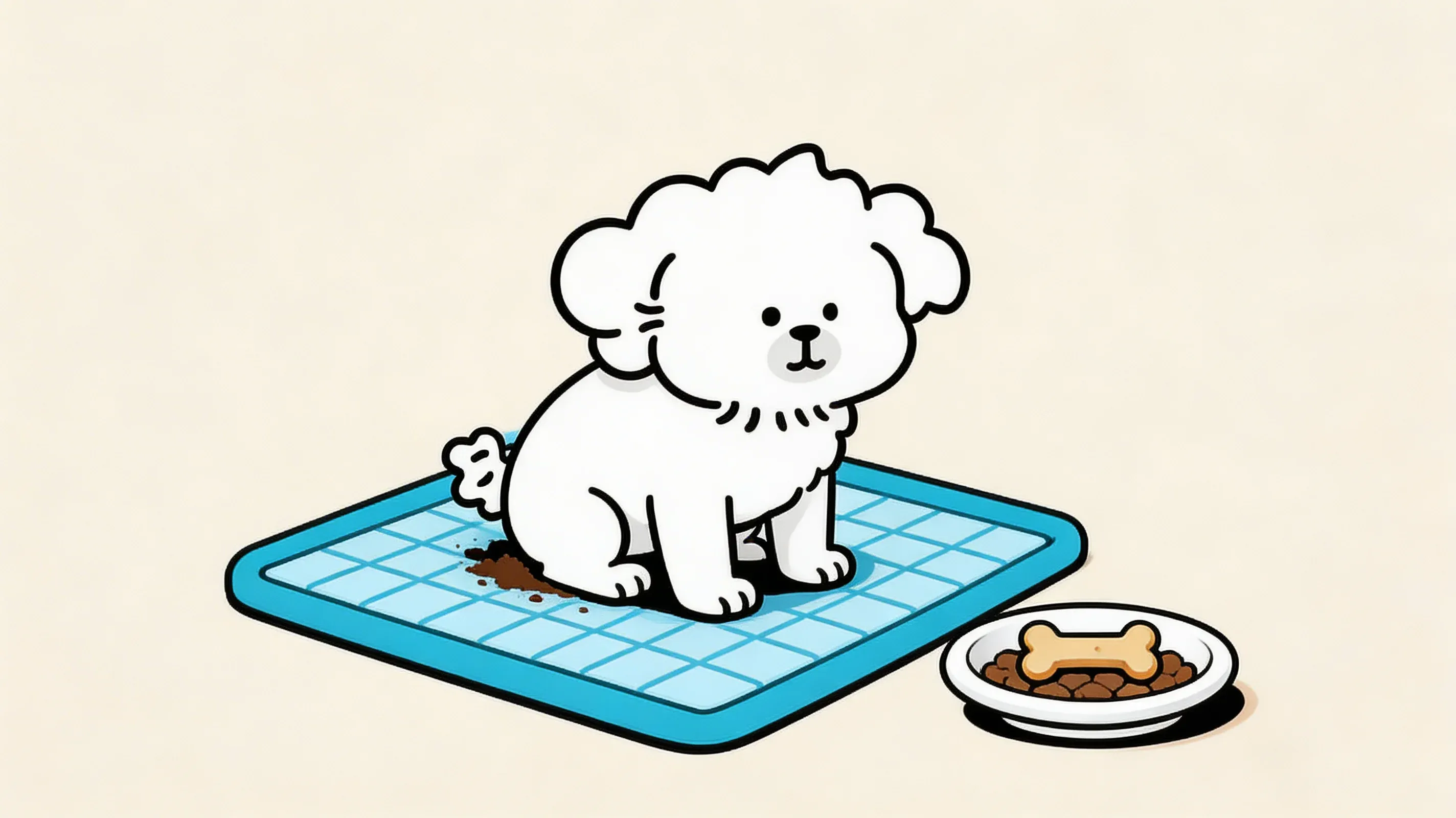
Bringing a new puppy home is one of the most rewarding things you can do — and one of the most immediately chaotic. Within the first few days, most first-time owners discover that their biggest challenge is not affection or play: it is figuring out where the puppy is supposed to go to the bathroom, and how to get them there reliably.
Potty training a puppy is not complicated, but it is demanding. It requires consistency, realistic expectations about timeline, and an understanding of what is actually happening in your puppy’s brain and body. This guide covers everything: when to start, how crate training fits in, what to do at night, how to handle regression, how to manage apartment living, and what to do when you adopt an older dog who needs to learn the rules from scratch.
No shortcuts, no unrealistic promises — just what actually works.
When to Start Potty Training a Puppy
The question of when to start potty training has a straightforward answer: on day one. The moment your puppy enters your home, you are either building good habits or bad ones. Every trip outside that results in elimination in the right spot is a repetition that counts.
Signs Your Puppy Is Ready
A puppy does not need to be “developmentally ready” to begin house training — the process is not about waiting for readiness, it is about building the skill through repetition. That said, knowing your puppy’s physical limitations helps you set realistic expectations.
Puppies begin to gain meaningful bladder and bowel control between 8 and 12 weeks of age, but this control is still very limited. The sphincter muscles involved in holding elimination are not fully developed until around 16 weeks. Before that point, puppies often cannot give you advance notice — by the time they squat, the decision has already been made neurologically.
Watch for these pre-potty signals:
- Circling or sniffing the floor intensely
- Sudden stillness or stopping mid-play
- Squatting or beginning to crouch
- Moving toward a previously used spot
The earlier you learn to read these signals, the faster you can intercept and redirect.
Age-by-Age Bladder Capacity Chart
A common rule of thumb: puppies can hold their bladder for approximately one hour per month of age, with a maximum of around 8 hours for adult dogs. Use this as a planning guide, not a guarantee — individual variation is significant, and small breeds consistently run shorter than this estimate.
| Age | Max Daytime Hold | Max Overnight Hold |
|---|---|---|
| 8–10 weeks | 1–2 hours | 2–3 hours |
| 10–12 weeks | 2 hours | 3–4 hours |
| 3 months | 2–3 hours | 4–5 hours |
| 4 months | 3–4 hours | 5–6 hours |
| 5–6 months | 4 hours | 6–7 hours |
| 6 months+ | 4–5 hours | 7–8 hours |
| Adult (1 year+) | 4–6 hours | 7–9 hours |
These limits define your minimum trip frequency during training. Exceeding them consistently produces accidents that have nothing to do with whether the puppy “understands” the training.
Essential Potty Training Tools
Successful house training does not require a lot of specialized equipment, but a few tools make a meaningful difference — particularly in the early weeks.
Crate Setup and Sizing
The crate is the single most effective tool for house training a puppy, and it is largely standard in US training culture for good reason. Dogs instinctively avoid soiling their sleeping area. A correctly sized crate uses this instinct: when the puppy is in the crate, they are far less likely to eliminate than when left unsupervised in a large space.
The crate must be sized correctly for this to work. If the crate is too large, the puppy will designate one corner as a bathroom area. The crate should be just large enough for the puppy to stand, turn around, and lie down comfortably — nothing more.
For puppies expected to grow significantly, buy the adult-sized crate and use a divider panel to block off the back portion. Adjust the divider forward as the puppy grows.
For detailed crate selection and introduction protocols, the complete crate training guide covers sizing, material selection, placement, and step-by-step introduction.
Puppy Pads and Grass Patches
Puppy pads (also called potty pads or training pads) are absorbent mats treated with a scent attractant that signals the puppy to eliminate there. They are most useful as a temporary measure for:
- Apartment dwellers without immediate outdoor access
- Very young puppies (under 10 weeks) in harsh weather
- Small breeds with very limited bladder capacity
Artificial grass patches serve the same purpose but introduce a texture closer to outdoor grass, which can make the outdoor transition easier.
One important caution: if your goal is outdoor training, introducing pads simultaneously can slow the process. The puppy learns that indoor elimination is acceptable, and you then have to undo that lesson. If you have outdoor access and can manage the schedule, outdoor-only training from day one is more efficient.
Enzymatic Cleaners: Why Regular Soap Won’t Work
This is one of the most consequential pieces of information in all of puppy training, and it is consistently underemphasized.
Dog urine contains uric acid — a compound that forms crystals as urine dries. These crystals are not broken down by water, soap, ammonia-based cleaners, or most standard household disinfectants. They persist in carpet fibers, grout, and wood flooring long after the visible stain is gone. To dogs, whose olfactory sensitivity is estimated to be 10,000 to 100,000 times more acute than humans, the scent of old uric acid crystals is a clear environmental signal: this is a bathroom.
Enzymatic cleaners contain specific biological enzymes — protease, lipase, and uricase — that chemically break down uric acid at the molecular level, neutralizing both stain and odor. This eliminates the olfactory cue that draws the puppy back to the same spot.
Always use an enzymatic cleaner on every accident site. Blot (do not rub) the area first to remove as much liquid as possible, apply the cleaner liberally, and allow it to air dry fully — enzymatic reactions require dwell time.
Bell Training Kits
Bell training is a technique popular in the US market that teaches dogs to signal their need to go outside by ringing a bell hung near the door. It is a learnable behavior for most dogs, and it gives owners a clear communication channel rather than relying on subtle pre-potty signals.
A standard bell training kit consists of a set of bells on a hanging cord or strap positioned at nose level near the door used for potty trips. The training process is covered in detail in the Bell Training section below.
How to Potty Train a Puppy Step by Step
This is the core protocol. The steps below are sequential — each one builds on the last. Consistency across all household members is essential; one person deviating from the routine undermines the entire system.
Step 1: Establish a Consistent Schedule
Puppies thrive on predictability, and a consistent schedule is the foundation of all house training. The schedule defines when the puppy goes out — not when they seem to want to go, but at fixed intervals based on their age and the events that reliably trigger elimination.
Always take the puppy out:
- Immediately after waking (including naps)
- 5 to 20 minutes after eating
- After play sessions
- At the interval limit for their age (see bladder capacity chart above)
- Just before crating for sleep
The first few weeks require high frequency. An 8-week-old puppy may need 10 to 12 outdoor trips per day. This is not sustainable indefinitely, but it is the investment that builds the habit.
Step 2: Choose and Introduce the Potty Spot
Select a specific outdoor spot and use it consistently. The same spot used repeatedly develops an olfactory cue — the residual scent of prior elimination attracts the puppy to eliminate again in the same location, which is exactly what you want.
Walk the puppy directly to the spot on leash. Do not let them wander, sniff extensively, or play before they have gone. Stand still and wait. Most puppies will eliminate within 2 to 5 minutes if they need to go. If they do not eliminate within 5 minutes, return inside and try again in 10 to 15 minutes (while supervising closely).
Avoid changing the designated spot frequently in the early weeks — consistency in location accelerates the learning process.
Step 3: Learn Your Puppy’s Pre-Potty Signals
As discussed above, the pre-potty signals — circling, sniffing, squatting, stillness — are your opportunity to redirect before an accident happens. In the first weeks, you will often miss them because they happen quickly and with little warning. As you learn your individual puppy’s tells, your interception rate improves.
During all unsupervised indoor time, the puppy should either be crated or within direct line of sight. “Unsupervised” does not mean briefly checking your phone. It means eyes-on, every moment. This is the only way to catch the signals before they become accidents.
Step 4: Reward Immediately After Success
Timing is everything in dog training, and this is especially true for house training. The reinforcement must happen during or within 3 seconds of the behavior — not after you have walked back inside, not after you have taken off the leash.
The moment the puppy finishes eliminating at the designated spot:
- Mark the moment with a verbal marker (“yes!” or a clicker)
- Give a high-value treat immediately
- Add praise — calm but genuine
The enthusiasm of the reward matters. A piece of dry kibble and a flat “good dog” is less effective than a small piece of chicken and genuine excitement. The puppy’s association between going in the right spot and something wonderful happening needs to be strong and immediate.
Do not reward before elimination is complete — some puppies will interrupt themselves mid-stream to get the reward, which causes accidents inside.
Step 5: Handle Accidents Without Punishment
Accidents will happen. This is physiologically inevitable in the early months, and the appropriate response is cleanup — not correction.
When you find an accident after the fact: do nothing to the puppy. Clean the area thoroughly with an enzymatic cleaner and move on. Puppies cannot connect a scolding or correction to something that happened 30 seconds ago, let alone several minutes. One behavior sometimes observed during this period is puppies eating their own stool — a phenomenon known as coprophagia that is more common than most owners expect. If your puppy is doing this, the guide to dog coprophagia explains the causes and evidence-based responses.
When you catch a puppy in the act: interrupt calmly — a single sharp “ah!” or clap is sufficient to stop the action. Pick them up immediately and bring them to the potty spot. If they finish outside, reward normally. The goal is not to frighten the puppy but to redirect them.
Punishment after accidents — nose rubbing, scolding, physical corrections — is associated with increased anxiety and slower house training progress in the research literature. It also damages the trust relationship during a critical developmental window.
Step 6: Gradually Extend Freedom
House training is not a moment — it is a months-long process of gradually earning freedom. Puppies should not have unsupervised access to the entire house until they have demonstrated consistent reliability.
The progression typically looks like this:
- Weeks 1–4: Puppy is either crated or within direct sight at all times indoors.
- Months 2–3: Puppy can be in one room with you without constant surveillance, but doors to other rooms remain closed.
- Months 4–6: Gradually expand access one room at a time as reliability is demonstrated.
- 6 months+: Full home access once the puppy has gone several weeks without an accident.
Expanding freedom too quickly is the most common cause of housetraining setbacks. Reliability must be earned, not assumed.
Crate Training for Potty Training
Crate training is the backbone of house training in the US, and it works by harnessing a dog’s natural instinct to keep their sleeping space clean. Understanding why it works makes it easier to apply correctly.
Why Crate Training Works for House Training
Dogs have a strong instinctive aversion to soiling the area where they sleep and rest. This is a behavioral trait that has been documented across domestic dogs regardless of breed. When a crate is correctly sized — just large enough for the dog to stand, turn, and lie down — this instinct creates an internal motivation to hold elimination.
This only works when:
- The crate is not too large (a crate with excess space allows the puppy to soil one end and sleep in the other)
- Duration limits are respected (the instinct cannot override a full bladder indefinitely)
- The crate is associated with positive experiences, not punishment
The crate is not a punishment tool and should never be used as one. A puppy who fears the crate will not rest calmly in it, which defeats the management benefit. For the full introduction protocol, refer to the dedicated crate training guide.
Crate Training Schedule by Age
This schedule integrates crate time with potty trips to create a structured daily routine for house training.
| Age | Crate Time Between Trips | Potty Trips Per Day |
|---|---|---|
| 8–10 weeks | 1–2 hours max | 10–12 |
| 10–12 weeks | 2 hours max | 8–10 |
| 3 months | 2–3 hours | 6–8 |
| 4 months | 3 hours | 5–6 |
| 5–6 months | 3–4 hours | 4–5 |
| 6 months+ | 4 hours | 3–4 |
The crate time between trips represents maximum unsupervised confinement. During supervised indoor time (you are watching), the puppy does not need to be crated — they need your direct attention.
Common Crate Training Mistakes to Avoid
Using the crate as punishment. Sending a puppy to the crate as a consequence for accidents or misbehavior teaches the puppy to associate the crate with negative events. This undermines the crate’s value as a calm, voluntary resting space.
Crating for too long. Bladder physiology sets hard limits. Exceeding the age-based time limits produces accidents inside the crate, which then confuse the house training signal. A puppy who has been forced to soil in the crate learns that it is acceptable to eliminate there.
Skipping the bathroom trip immediately before crating. Always take the puppy out within 15 minutes of closing the crate door. A puppy who needs to eliminate cannot rest calmly and will cry — which owners sometimes interpret as crate distress rather than what it actually is.
Letting the puppy out when they vocalize. If you open the crate in response to crying or barking, you teach the puppy that vocalization reliably produces freedom. The rule is: the crate door opens only when the puppy is quiet (or on a timer for bathroom trips).
Bell Training: Teaching Your Dog to Signal
Bell training is a communication technique that gives your dog a reliable way to tell you they need to go outside. Instead of depending on you to catch subtle pre-potty signals or maintain rigid timing, the dog learns to ring a bell at the door — an unambiguous signal you cannot miss.
Bell training is widely taught in the US and suits most dogs. The technique requires some patience to introduce, but once learned it is remarkably durable.
How to Introduce Door Bells
Hang the bells at the door you use for potty trips, positioned at nose level for your dog. The introduction process follows these stages:
Stage 1 — Bells equal good things. Touch the bells yourself so they jingle, then give the puppy a treat. Repeat 10 to 15 times across several sessions. The goal is simple: bells ringing + treat. This phase creates a positive emotional association before asking the puppy to interact with the bells themselves.
Stage 2 — Puppy touches the bells. Hold a treat just behind the bells. When the puppy reaches toward the treat and touches the bells with their nose or paw, mark the moment and reward immediately. Repeat until the puppy is confidently nudging the bells.
Stage 3 — Bells equal going outside. Now link the bell touch to the door opening. Ask the puppy to touch the bells (by gesturing toward them), then immediately open the door and take them to the potty spot. If they eliminate outside, reward with a high-value treat.
Stage 4 — Generalize the behavior. Over the following weeks, every potty trip begins with the puppy touching the bells before the door opens. The puppy learns the causal chain: bell touch → door opens → go outside.
Most dogs learn the bell touch behavior within a few days. Reliably initiating the bell on their own — rather than when prompted — typically emerges over 2 to 4 weeks of consistent reinforcement.
Troubleshooting Bell Abuse
Some dogs discover that ringing the bell gets the door open regardless of whether they need to eliminate — and begin using it as a general “let me out to explore” strategy.
Signs of bell abuse:
- The dog rings the bell immediately after coming back inside
- The dog rings the bell frequently but eliminates only occasionally
- Ringing escalates without apparent bathroom need
The fix is straightforward: every bell ring must be followed by a trip to the potty spot on leash. If the dog does not eliminate within 3 to 5 minutes, return inside without any outdoor exploration. Over several repetitions, the dog learns that the bell specifically produces a bathroom trip, not a general outdoor adventure.
Do not remove the bells as a response to abuse — this eliminates a communication tool that is otherwise valuable. Recalibrate the contingency instead.
Puppy Potty Training Schedule
A printed schedule on your refrigerator is not overkill. In the early weeks of house training, structure is the difference between a rough three months and a genuinely manageable process.
Sample Daily Schedule for 8–12 Week Puppies
This schedule is for a household with a working adult present. Adjust times to match your actual routine — the specific times matter less than the structure.
| Time | Activity |
|---|---|
| 6:00 AM | Wake up → immediately outside to potty spot |
| 6:10 AM | Breakfast (in crate or supervised) |
| 6:30 AM | Outside again (10–20 min after eating) |
| 6:45–8:00 AM | Supervised play and interaction |
| 8:00 AM | Outside → crate for nap (max 1–2 hours) |
| 9:30–10:00 AM | Outside → supervised time |
| 10:45 AM | Outside → crate for nap |
| 12:00 PM | Outside → lunch → outside again in 15–20 min |
| 12:30–1:30 PM | Supervised time → crate for nap |
| 3:00 PM | Outside → supervised play |
| 4:00 PM | Outside → crate if unsupervised |
| 5:30 PM | Outside → dinner → outside again in 15 min |
| 6:00–8:00 PM | Supervised evening time |
| 8:00 PM | Final outside trip → limit water intake |
| 8:30 PM | Crate for night → alarm set for 11 PM (see nighttime section) |
This schedule requires 8 to 10 outdoor trips per day. That frequency is not unusual for an 8-week-old puppy — it reflects the bladder physiology, not poor training.
Adjusting the Schedule as Your Puppy Grows
As bladder capacity increases, the schedule loosens naturally:
- By 3 months: Drop one or two of the mid-morning trips. Overnight break can shift from 11 PM to 12 AM or later.
- By 4 months: Crate time between trips can extend to 3 hours during the day. Overnight break may become optional if the puppy is sleeping through reliably.
- By 6 months: Many puppies can sleep through the night and manage 4-hour daytime intervals with close attention.
Track accidents by time and location. Clusters of accidents at a specific time indicate that your trip interval is too long for that part of the day. Adjust the schedule rather than assuming the puppy is being difficult.
Nighttime Potty Training Tips
Nighttime is the most exhausting part of early puppy training. Here is what actually works.
Keep the crate in your bedroom. Being able to hear and smell you dramatically reduces nighttime distress. This also means you hear when the puppy becomes restless — which is usually the first sign that they need to go out, occurring before vocalizing begins.
Set an alarm, do not wait to be woken. Use the age-based chart to determine your overnight trip interval. If your 9-week-old’s maximum overnight hold is 3 hours and you go to bed at 10 PM, set your alarm for 1 AM. Being proactive prevents accidents and avoids the frustration of being woken at irregular times.
Keep nighttime trips strictly functional. Bring the puppy outside, walk them directly to the potty spot, wait. When they eliminate, give quiet, calm praise and a small treat. Return directly to the crate. Do not turn it into a play session. The puppy needs to learn that nighttime bathroom trips are not the start of awake time.
Limit water intake 1–2 hours before bed. This does not mean restricting water during the day — fresh water should always be available. But removing the water bowl about an hour before the last nighttime trip reduces the overnight load on the bladder.
Track progress weekly. Most puppies are sleeping through the night (or needing only one trip) by 3 to 4 months. If nighttime accidents are still frequent at 4 months with consistent management, a veterinary check to rule out a urinary issue is appropriate.
Potty Training in Special Situations
Standard house training protocols assume a yard, a consistent schedule, and a puppy starting from a clean slate. Many owners do not have all three. Here is how to adapt.
Apartment Potty Training Without a Yard
Apartment potty training requires more creativity and more trips, but it is entirely achievable. A few adjustments:
Elevator buildings require extra time. Factor in 3 to 5 minutes to get from your unit to the outdoor potty area. For a young puppy, that delay can mean the difference between success and an accident in the hallway. In the first weeks, carry the puppy down rather than walking — this prevents accidents in transit and reduces the stress of new surfaces and sounds.
Designate a specific outdoor spot. Even if you do not have a yard, choose a specific patch of sidewalk, a tree pit, or a small green area and use it consistently. The accumulated scent cues will draw the puppy to eliminate there.
Use pads strategically, not as a default. For apartments, a puppy pad near the door can serve as an emergency backup for young puppies, but frame it as temporary. If you always have a pad available, the puppy learns that indoors is always acceptable. Begin phasing out pads as soon as bladder control allows — typically around 12 to 16 weeks.
Artificial grass patches for balconies. If you have balcony access, an artificial grass mat with a drainage tray is a practical intermediate solution. Treat the balcony grass mat as the “outdoor spot” and use the same reward protocol as you would with a yard.
Potty Training a Rescue or Adult Dog
Rescue and adult dogs are one of the more underserved audiences in house training guides. Many adoption resources assume the dog already knows the rules — but a significant number of rescue dogs have never been reliably house trained, or were house trained in a different living situation with different rules.
The good news: adult dogs have meaningfully greater bladder capacity than puppies, which means the schedule can be more forgiving from day one. Most adult rescues can start with 3 to 4 hour daytime intervals.
Start from scratch regardless of the dog’s stated history. Even if the rescue organization says the dog is “house trained,” treat the first 2 to 4 weeks as if you are training from the beginning. The dog does not yet know where the bathroom is in your home, what your signals look like, or what your schedule is.
Manage the environment strictly. Confine the dog to one or two rooms initially, using baby gates or closed doors. Unsupervised access to the whole house before the dog has demonstrated reliability is the primary cause of regression in rescue dogs.
Use the crate as a management tool. Many rescue dogs have had negative crate experiences, so introduction may need to be gradual — similar to the re-training protocol for adult dogs with crate history. For dogs who cannot be crated, baby gates and tethers near you can serve the management function while crate comfort is being built.
Give the dog time to settle. Dogs coming from shelters are under acute stress. The “3-3-3 rule” in rescue communities (3 days to decompress, 3 weeks to learn routines, 3 months to feel at home) is a reasonable framework. Some anxiety-driven accidents in the first weeks are related to adjustment stress rather than training failure. If accident frequency is high and paired with other signs of anxiety, separation anxiety in dogs is worth reviewing for overlap.
Winter Potty Training Challenges
Cold weather, snow, and ice create legitimate obstacles for outdoor training — particularly for small breeds and puppies experiencing their first winter.
Do not let cold weather become an excuse to skip trips. Puppies need to learn that going outside happens regardless of weather. If cold trips become irregular, the training schedule breaks down.
Keep outdoor trips efficient in extreme cold. Puppies lose body heat quickly and may be so uncomfortable in very cold conditions that they cannot focus on eliminating. A lightweight dog coat for temperatures below 32°F helps young or small dogs stay comfortable enough to do their business.
Clear a designated snow-free potty spot. Shoveling one consistent area lets you maintain the same potty spot through winter and keeps the accumulated scent cue intact. A puppy who cannot locate the familiar-smelling area under 6 inches of snow may wander without eliminating — then have an accident inside.
Dry paws thoroughly after trips. Ice melt and salt accumulate on paws and can cause both skin irritation and the puppy’s reluctance to go outside at all. A quick wipe or paw rinse after each trip prevents both problems.
Potty Training Regression: Why It Happens and How to Fix It
Regression — a previously house-trained dog or puppy who begins having accidents again — is one of the most demoralizing experiences in dog ownership. It is also one of the most misunderstood. Most owners assume it is a training failure. Often it is not.
Common Causes of Regression
Schedule disruptions. A vacation, a change in working hours, a new family member, or a move to a new home all disrupt the routine that house training depends on. Even brief disruptions to the potty schedule can produce accidents in young dogs who have not yet reached full behavioral reliability.
Increased unsupervised freedom. Owners naturally relax management as the puppy improves. That relaxation happens too fast for many dogs — access to unsupervised rooms, longer stretches without bathroom trips, and less active supervision produce accidents that then feel like “regression” but are really the consequence of premature freedom expansion.
Stress and environmental changes. New pets, construction noise, a family member leaving, or changes to the household routine all produce stress that can temporarily destabilize house training in young dogs. Some dogs also show house soiling as a response to changes like new furniture or rearranged rooms, because the familiar scent landscape of their environment has changed.
Medical vs. Behavioral Causes
This distinction is the most important one in all regression cases. Before attributing accidents to a behavioral cause, rule out medical causes — especially in dogs who have been reliably trained for weeks or months and then suddenly begin having accidents.
Medical causes that commonly produce regression:
- Urinary tract infection (UTI): Produces urgency, frequent small urinations, sometimes bloody urine. UTIs are common in female dogs and puppies. A urinalysis rules this in or out quickly.
- Gastrointestinal upset: Dietary changes, stress diarrhea, parasites, or dietary indiscretion can make bowel accidents unavoidable regardless of training level.
- Hormonal changes: Intact females near their first heat cycle may show temporary house soiling related to hormonal fluctuation.
- Cognitive dysfunction (older dogs): Dogs over 8 to 10 years showing new house soiling alongside other changes (nighttime waking, confusion, reduced interaction) may be showing early signs of canine cognitive dysfunction syndrome.
If regression onset is sudden, if the dog appears uncomfortable, if urination is unusually frequent or involves straining, or if the dog is over 7 years old — a veterinary visit before a behavioral protocol is the right first step.
Recovery Protocol: Getting Back on Track
Once medical causes are excluded, behavioral regression is addressed by returning to the basics:
1. Go back to the original schedule. Restart the full trip frequency as if training from the beginning — take the dog out on a strict timed schedule rather than relying on their signals.
2. Tighten supervision and management. Close the doors to rooms where accidents have occurred. Reintroduce the crate as a management tool during unsupervised periods. Remove the access freedoms that were granted prematurely.
3. Reinforce success actively. During a regression period, re-apply the treat-and-praise reward for every outdoor elimination. Dogs who have not received reinforcement for house training in weeks sometimes need the reward system reactivated.
4. Clean all accident sites thoroughly with enzymatic cleaner. Old accident sites left improperly cleaned continue to signal the dog to return to the same spot.
5. Be patient with the timeline. Most behavioral regressions in otherwise healthy dogs resolve within 2 to 4 weeks of consistent management. If accidents continue after 4 weeks of structured management with no medical explanation, consulting a CPDT-KA certified professional dog trainer is appropriate.
During any regression investigation, checking whether behavioral changes may be linked to anxiety is worthwhile — dogs with untreated anxiety sometimes express it through house soiling. If separation anxiety is a possible contributor, the separation anxiety guide covers the distinction and protocol in detail.
House training a puppy is a process, not an event. The owners who find it manageable are not the ones with the easiest puppies — they are the ones who built a realistic schedule, stayed consistent when it was inconvenient, and responded to setbacks without frustration.
If your puppy has consistent accidents in a specific location, revisit your enzymatic cleaning and supervision. If your schedule has drifted, tighten it. If your timing feels sustainable, it will get easier — because as puppies grow, their bladder capacity grows with them, and the frequency of trips you are managing now will look very different in two months.
Related new puppy care, including the first bath guide for puppies, can help you build a broader routine during this early period. And as you work on house training, puppy socialization training covers the parallel priority that the same developmental window demands — because the weeks you are spending on house training are also the most critical weeks for safe socialization. As your puppy matures, the same positive reinforcement principles you are building now apply directly to other behavior goals — including stopping demand barking, which often emerges as the next behavioral challenge for new owners.
The work you put in now pays compounding dividends for the next decade.
FAQ
How long does it take to potty train a puppy?
Can you potty train a puppy in 7 days?
At what age should a puppy be fully potty trained?
Should I use puppy pads or go straight to outdoor training?
Is it OK to punish a puppy for having an accident?
How do I potty train my puppy at night?
Why is my potty-trained dog suddenly having accidents?
How often should I take my puppy outside to potty?
Can you potty train an older rescue dog?
What should I use to clean up puppy accidents?
Related Articles
Dog Lethargy Causes: When Slowing Down Signals More Than Just Aging
Learn how to distinguish normal dog tiredness from true lethargy, identify dog lethargy causes by age, and know which signs need emergency vet care.
Veterinary Guide to Cat Overgrooming: Causes, Treatment, and When to Worry
Cat overgrooming causes range from allergies to anxiety. This vet-backed guide covers diagnosis, body-area mapping, treatment options, and when to see a doctor.
Does Your Senior Dog Have Dementia? A Veterinary Guide to Canine Cognitive Dysfunction
Learn the 7 DISHAAL domains to assess dog dementia symptoms at home, understand evidence-based treatment options, and know when to call your vet.
Dog Noise Phobia Treatment: Thunder and Fireworks Guide
Step-by-step guide to treating dog noise phobia from thunder and fireworks. Desensitization protocol, tool comparisons, and when to see a vet.
Is Your Dog in Pain? 7 Subtle Signs Most Owners Miss
Learn the 7 behavioral signs your dog is in pain that are easy to overlook, how to tell acute from chronic pain, and what to do before your vet visit.
Dog Separation Anxiety Guide: Symptoms, Training, and Help
Learn how to identify dog separation anxiety symptoms, follow a vet-backed step-by-step training plan, and know when medication or a specialist is needed.
Dog Walk Refusal: Is It Behavior or Hidden Joint Pain?
Dog walk refusal may signal arthritis, hip dysplasia, or IVDD. Use our 10-point checklist to tell behavioral causes from joint pain—and what to do next.
If Your Dog Won't Stop Barking: Type-by-Type Training Guide
Stop dog barking by identifying the type. 5 types, targeted training protocols, and realistic timelines — evidence-based guide for dog owners.
Transform Your Indoor Cat's Behavior and Health by Redesigning Their Play Environment
Use the AAFP/ISFM Five Pillars framework to build a science-backed indoor cat enrichment plan—from hunting sequence play design to sensory stimulation and behavior monitoring.
How to Start Nose Work with Your Dog: A Step-by-Step Beginner's Guide
Learn how to start nose work with your dog using a 5-stage progressive protocol. From palm treat finds to outdoor scent detection — start today with no special equipment.
How to Introduce Cats: A Step-by-Step Guide From Isolation to Harmony
Learn how to introduce cats using a proven 5-step protocol with clear timeline ranges, age and sex strategies, and a failed-introduction recovery plan.
Dog Coprophagia: Why Dogs Eat Poop and How to Stop It
Dog coprophagia affects 1 in 6 dogs. Learn the three types, their distinct causes, evidence-based correction protocols, and why most deterrents don't work.
How to Crate Train Your Dog: A Step-by-Step Guide from First Introduction to Calm Alone Time
Learn how to crate train a dog with a 5-step protocol, age-based time limits, and troubleshooting for crying, crate aversion, and accidents.
Loose Leash Walking Training: 5 Steps to Stop Dog Pulling
Stop your dog pulling on walks with this 5-stage loose leash walking training guide — from indoor introduction to real-world heel, with troubleshooting.
Is Your Dog Guarding More Than Just the Food Bowl? Types of Resource Guarding and How to Fix Them
Dog resource guarding goes beyond food bowls. Learn the 4 types, a severity assessment framework, and type-specific training protocols to stop guarding safely.
Bringing Home a New Puppy? The Complete Socialization Training Guide You Need
Learn the science behind puppy socialization windows, get a week-by-week timeline, and discover safe pre-vaccination methods with a practical category-based checklist.
Cat Meowing at Night: 3 Common Responses That Make It Worse
Cat meowing at night is disrupting your sleep—and your usual fixes may be making it worse. Learn the behavioral science behind night crying and a 4-step evening routine that actually works.