 Cirius Petpedia
 Dog Public Transportation Rules: Carriers & Boarding Tips
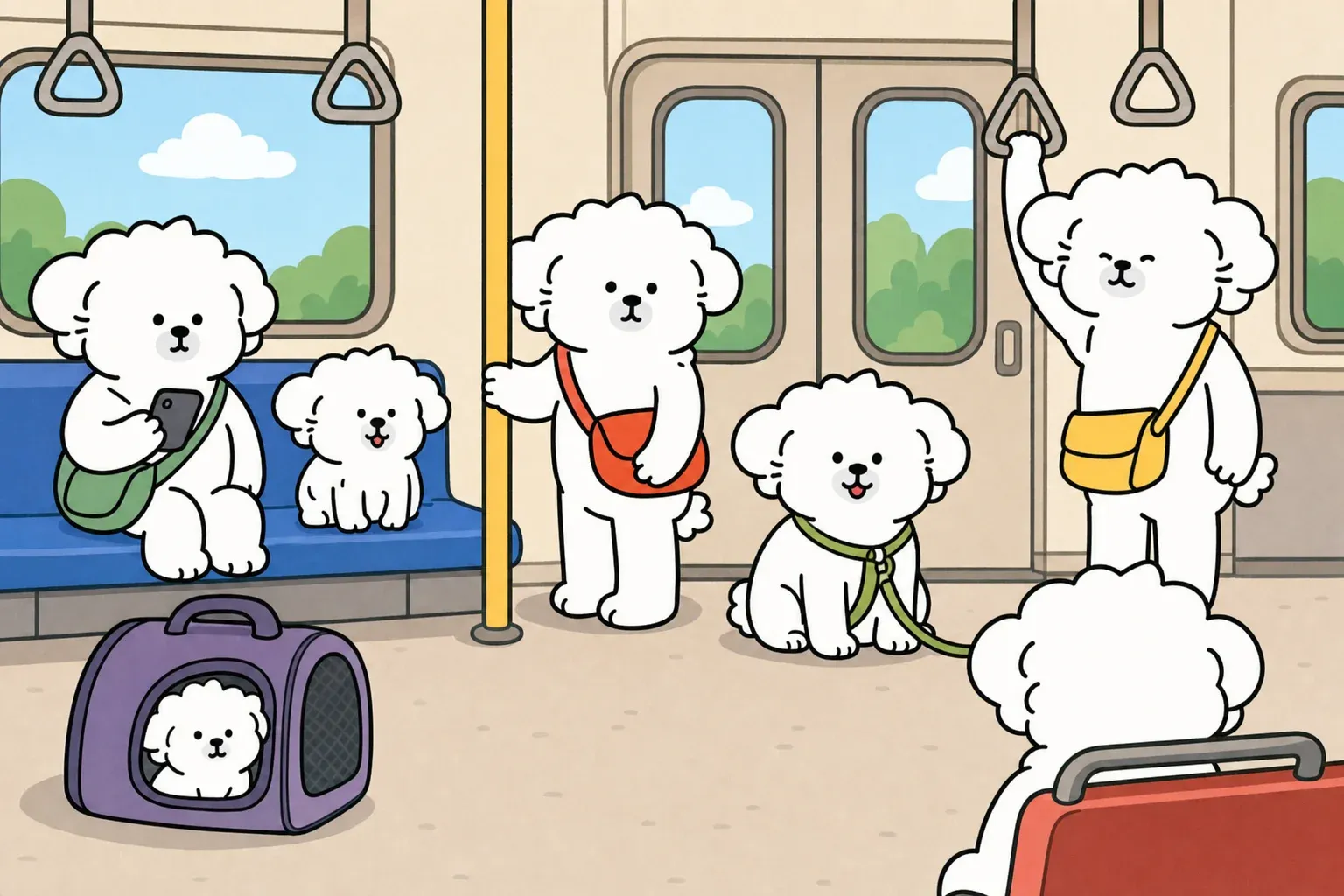
Taking your dog on a bus, subway, or train is perfectly manageable — but only if you know the rules before you board. Transit systems in the US, UK, and Canada each have their own pet policies, carrier size requirements, and peak-hour restrictions. Getting them wrong means getting turned away at the platform, or worse, causing a disruption that harms your dog’s future access to transit.
This guide covers dog public transportation rules across major transit types, what to look for in a carrier, how to prepare your dog for the experience, and what to do once you’re on board — including considerations for dogs with joint conditions or motion sensitivity.
Public Transit Rules for Dogs by Transport Type
No single rule applies across all systems. The key variable is whether a dog is in a secure, enclosed carrier that doesn’t inconvenience other passengers. Here’s how policies break down by transit type.
Buses: Carrier Requirements and Size Limits
Most city bus systems in North America and the UK allow small dogs in carriers, provided the carrier fits on your lap and the dog is not visible to other passengers (i.e., fully enclosed). Some systems explicitly ban dogs during rush hour.
Key city policies at a glance:
| City / System | Policy | Carrier Required? | Restrictions |
|---|---|---|---|
| New York (MTA) | Permitted if fully enclosed in a container | Yes — dog must not be visible | No size limit stated, but must fit on lap |
| Chicago (CTA) | Permitted in carriers | Yes | Off-peak only; carrier must fit on seat or lap |
| Los Angeles (Metro) | Permitted in carriers | Yes | Must not occupy a seat |
| London (TfL) | Dogs allowed on buses and tube | No — leash acceptable if well-behaved | Driver discretion on buses |
| San Francisco (MUNI) | Small dogs in carriers permitted | Yes | Limited to non-rush hour on some lines |
The MTA’s policy is among the most enforced: the carrier must be fully opaque or covered so the dog cannot be seen. This reduces the chance of allergic reactions or fear responses from other passengers. If your carrier is mesh on all sides, bring a light blanket to drape over it before boarding.
Subway and Metro: City-by-City Policies
Subway systems generally follow the same carrier-in-lap principle as buses, but enforcement and attitudes vary significantly by city.
New York (MTA Subway): Officially requires dogs to be “enclosed in a container.” Enforcement is inconsistent, and larger dogs in bags are commonly seen. That said, following the rule protects you from being asked to leave.
Washington D.C. (WMATA): Small animals in closed carriers are permitted. The carrier must fit on your lap — it cannot occupy a seat.
Chicago (CTA Rail): Dogs in carriers are allowed during off-peak hours only. Off-peak is generally before 7 a.m., between 10 a.m. and 4 p.m., and after 8 p.m. on weekdays, plus all day on weekends.
San Francisco (BART): Dogs are permitted in carriers that fit on your lap. BART defines a lap-sized carrier as one that can be held without touching the floor, seat, or adjoining passengers.
London Underground (TfL): Dogs are allowed on the Tube and are generally expected to be on a leash. Carriers are optional but recommended for small dogs in crowded conditions. Dogs must not occupy seats. The TfL explicitly states dogs travel “at the owner’s risk and the discretion of staff.”
For cities not listed here, search “[City name] transit authority pet policy” directly — do not rely on third-party summaries, which are frequently outdated.
Trains (Amtrak, Regional Rail): Pet Policies and Fees
Long-distance train travel with dogs is more structured and often involves advance booking.
Amtrak: Allows dogs and cats up to 20 lbs (including carrier weight) on trains under 7 hours in duration. A $26 pet fee per segment is charged. The carrier must fit under the seat in front of you (typically 19 x 14 x 10.5 inches). Only two pet reservations are accepted per train, so book early. Dogs are not permitted on Acela, overnight trains with sleeper cars, or Auto Train routes.
Regional rail systems (Metra, MBTA, NJ Transit, etc.): Policies vary. Metra (Chicago) allows small pets in carriers during off-peak hours, similar to CTA. NJ Transit allows small pets in carriers at all times. Always check the specific operator’s website.
UK National Rail / Overground: Each train operating company sets its own pet policy, but most allow up to two dogs per passenger, either on a leash or in a carrier. Dogs generally travel free. Restrictions on size are uncommon, but dogs must not occupy seats during busy periods.
Ferries and Light Rail: Additional Options
Ferries: Washington State Ferries and BC Ferries allow dogs on vehicle decks and outdoor passenger areas, typically on leash. Dogs are generally not permitted inside enclosed passenger cabins.
Light rail systems (MAX, MetroLink, etc.): Most light rail systems follow the same policy as their subway counterparts — carriers required, no peak-hour restrictions stated (though individual operators differ). Check directly before travel.
Choosing the Right Carrier for Public Transit
The carrier is the single most important piece of equipment for transit travel. An undersized carrier stresses your dog. An oversized one gets you turned away at the gate. A poorly cushioned one can aggravate joints on bumpy rides.
Size Regulations You Must Meet
The practical rule: the carrier must fit on your lap or under the seat in front of you, and your dog must fit inside it without forcing the zippers open or curling awkwardly. For trains, Amtrak’s under-seat limit of 19 x 14 x 10.5 inches is the most restrictive common benchmark in North America. If your carrier fits Amtrak’s dimensions, it will fit most transit systems.
Measure your dog before buying:
- Length: From tip of nose to base of tail
- Height: Floor to top of head when standing
- Width: Shoulder to shoulder
Add 2–3 inches to each dimension for comfortable movement. The carrier should allow your dog to stand, turn around, and lie down naturally.
Soft Carriers vs Hard Carriers: Pros and Cons
| Feature | Soft Carrier | Hard Carrier |
|---|---|---|
| Weight | Lighter | Heavier |
| Compressibility | Fits under seats more easily | Fixed shape; may not compress |
| Ventilation | Mesh panels — good airflow | Vents only; less airflow |
| Noise absorption | Fabric absorbs sound | Hard shell amplifies movement sounds |
| Structural protection | Lower | Higher |
| Ease of cleaning | Machine-washable fabric | Wipeable hard surface |
For public transit, soft carriers are generally preferred. They compress to fit under Amtrak seats, drape naturally on a lap, and the fabric dampens ambient noise that can trigger anxiety. Hard carriers are better suited to cars and airline cargo holds where structure matters more than flexibility.
Cushioning and Joint Support Features
Dogs with arthritis, patellar luxation, or hip dysplasia need more than just a flat bottom. Look for:
- Orthopedic or memory foam inserts: Distribute weight evenly and reduce pressure on joints during stops, starts, and vibrations.
- Non-slip base: Prevents the carrier from sliding on your lap, which causes dogs to brace their legs repeatedly — a significant strain over a 30-minute ride.
- Side padding: Absorbs lateral movement during turns and acceleration.
For dogs with diagnosed joint conditions, the dog stroller selection guide covers an alternative that removes carrier-time strain entirely for longer urban outings, particularly when multiple transit connections are involved.
Preparing Your Dog for Transit Rides
A dog that has never been in a carrier is not ready for a crowded subway. The preparation process takes days to weeks, depending on your dog’s baseline anxiety level.
Step-by-Step Carrier Desensitization
Days 1–2: Introduction. Place the carrier open on the floor. Let your dog sniff it freely. Drop treats near, then just inside the opening. Do not close the carrier.
Days 3–4: Entry. Feed meals at the carrier entrance, then inside with the door open. Encourage entry with a release word (“go in”) but never force.
Days 5–7: Door closure. Once your dog enters willingly, close the door for 10–30 seconds, then open. Reward calm behavior. Gradually extend the duration over several sessions.
Days 8–10: Carrying. Lift the carrier with the dog inside and carry it around your home for 2–3 minutes. Mimic subway/bus motions — small swaying and gentle vibration.
Week 2: Environmental exposure. Take short trips to busy locations — a parking lot, a café patio — while your dog is in the carrier. Do not start with actual transit yet.
Week 3+: Trial run. Choose a short, off-peak transit leg for the first actual ride. Board, ride two or three stops, exit. Reward generously throughout.
Dogs with strong separation anxiety may need a longer desensitization timeline. The enclosed carrier space can trigger anxiety in dogs that are already prone to it — the enclosed-space connection is discussed in the dog separation anxiety guide.
Feeding, Water, and Bathroom Timing
- Feeding: Feed your dog 3–4 hours before transit. A full stomach increases the likelihood of nausea and makes the carrier less comfortable.
- Water: Offer water up to 1 hour before travel, then withhold to reduce the chance of needing to urinate mid-ride.
- Bathroom break: Walk your dog for 15–20 minutes and allow a complete bathroom opportunity before boarding. Factor this into your departure time.
Reducing Anxiety Before the Trip
- Exercise first: A 20–30 minute walk before transit reduces baseline arousal. A tired dog is a calmer dog.
- Familiar scent: Place a worn t-shirt or a blanket that smells like home inside the carrier. Familiar scents lower cortisol in dogs.
- Carrier cover: Covering the carrier with a light cloth reduces visual stimulation, which is one of the primary drivers of in-carrier reactivity.
- Calming aids: For dogs with persistent travel anxiety, speak with a veterinarian about pheromone products (DAP/Adaptil) or short-term situational anti-anxiety options. These are not a substitute for desensitization training but can help during the transition period.
On-Board Etiquette and Practical Tips
How you manage the ride affects other passengers and your dog’s future access to transit.
Choosing Off-Peak Travel Times
This is the single most impactful decision you can make. Off-peak rides mean:
- Fewer passengers reacting to your dog
- More space to position the carrier away from others
- Lower ambient noise and crowd density, which directly reduces your dog’s stress
- Less enforcement of rules that may be loosely applied during busy hours
For Amtrak, mid-week morning trains are the least crowded. For subway and bus, mid-morning on weekdays (10 a.m. to noon) and mid-afternoon (1–4 p.m.) are typically the lowest-traffic periods.
Managing Barking and Restlessness
If your dog begins to vocalize or restless in the carrier:
- Do not open the carrier. This rewards the behavior and teaches your dog that barking leads to release.
- Cover the carrier if it isn’t already covered. Removing visual stimulation often quiets a reactive dog within 30–60 seconds.
- Offer a chew or lick mat through the mesh if your carrier allows access without full opening.
- Calm your own energy. Dogs read their owners’ state — if you become anxious about the barking, it compounds the problem.
If barking persists for more than 2–3 minutes, exit at the next stop and allow the dog to reset before deciding whether to continue.
Being Considerate of Other Passengers
- Position your carrier so it does not block the aisle or touch adjacent passengers.
- Keep the carrier closed at all times, even if your dog appears calm.
- If a passenger expresses concern about allergies, move to a different car or section if possible.
- Do not allow strangers to pet your dog through the mesh — even friendly dogs can bite when confined and stressed. If your dog is breed-restricted or highly reactive, completing muzzle training before your first transit trip removes the risk of an emergency muzzle fitting at the station.
- If you notice your dog is distressed and disrupting other passengers, exit at the next stop. This is not a failure; it’s good transit citizenship and protects the right of other dog owners to use transit in the future.
Health Considerations: Joints and Motion Sickness
Transit rides involve repetitive micro-vibrations, sudden starts and stops, and extended time in a fixed posture. These factors matter more than most pet owners realize.
How Prolonged Carrier Time Affects Joints
A dog in a carrier is essentially stationary for the duration of the ride. The constant low-frequency vibration from bus engines and subway tracks transmits directly through the carrier floor to your dog’s joints — particularly the elbows, stifles (knees), and hips.
For short rides under 20 minutes, this is generally not a concern for healthy dogs. For longer rides or dogs already dealing with joint stiffness, it can cause significant discomfort.
Practical mitigation:
- Use orthopedic carrier padding (as mentioned in the carrier section)
- Choose seats with less vibration — center sections of subway cars and train cars experience less rail vibration than the ends
- Limit single-trip carrier time to 45–60 minutes where possible
Dogs with Arthritis or Patellar Issues: Extra Precautions
Dogs with confirmed arthritis or patellar luxation require additional care during transit:
- Carrier entry and exit: Assist your dog in and out of the carrier gently — do not allow jumping from heights. Use a ramp or assist manually.
- Post-ride movement: After a transit ride, allow a slow 5-minute walk before any activity. Cold, stiff joints that have been compressed during a ride need a gradual warm-up.
- Carrier position: Hold the carrier level and avoid tilting it. Dogs with joint pain will brace on their affected limbs if the carrier tips.
- Temperature: Cold conditions stiffen joints. In winter or air-conditioned transit, add a thin fleece layer inside the carrier.
For dogs undergoing joint condition management — whether through medication, physical therapy, or therapeutic devices — consult your veterinarian about whether extended carrier time is appropriate for your dog’s current stage.
Preventing and Managing Motion Sickness
Motion sickness in dogs is more common than many owners expect, particularly in puppies and dogs with inner ear sensitivity. Symptoms include drooling, repeated lip-licking, yawning, restlessness, and vomiting.
Key prevention strategies:
- Forward-facing position: Orient your dog so they face the direction of travel, which aligns with natural motion perception and reduces inner ear conflict.
- Ventilation: Ensure good airflow through the carrier. Stuffy, warm air worsens nausea.
- No food 3–4 hours before transit, as established in the preparation section.
- Short first trips: Build up to longer rides gradually. Motion sickness often improves with repeated exposure as the vestibular system adapts.
For dogs with persistent motion sickness that doesn’t improve with behavioral approaches, a veterinarian can prescribe appropriate anti-nausea medication. More detailed prevention strategies are covered in the dog car sickness prevention guide, where many of the same vestibular principles apply to any moving vehicle.
Quick-Reference Summary
| Situation | Recommended Action |
|---|---|
| First transit trip | Short off-peak ride after 2+ weeks of carrier training |
| Dog barks in carrier | Cover carrier, do not open; exit if persistent |
| Small dog with joint issues | Orthopedic carrier padding, level carrying position, post-ride walk |
| Amtrak trip | Book pet reservation early; carrier max 19 x 14 x 10.5 in; 20 lb weight limit |
| Dog shows motion sickness signs | Forward-facing position, improve ventilation, fast before travel |
| Uncertainty about local rules | Check transit authority website directly — not third-party summaries |
For trips beyond city transit — whether a long road trip or a flight — the principles around preparation and carrier training carry over directly. The dog car travel safety guide and dog airplane travel guide cover the extension of these same principles to longer-distance travel contexts.
References
FAQ
Can I take my dog on public transportation in the US?
What size carrier is required for public transit?
Do I need to pay a fare for my dog on public transit?
What is the difference between a pet and a service animal on public transit?
How can I stop my dog from barking on the bus or subway?
Related Articles
Flying With a Dog: Airline Rules, Costs, and Prep Checklist
Flying with a dog in 2026: US airline pet policies compared, costs, carrier specs, health checklist, in-cabin calm tips, and post-flight recovery guide.

Planning a Car Trip With Your Dog? Essential Safety Rules You Need to Know
Complete guide to dog car travel safety: crash-tested restraint options, desensitization training, motion sickness solutions, hot car laws, and emergency protocols.
Dog Stroller Guide: Choose the Right One for Joint Health
Dog stroller guide: who benefits medically, how to choose by joint condition and size, stroller types compared, and how to train your dog.