 Cirius Petpedia
 If Your Dog Keeps Eating Grass on Walks, Here's What It Really Means
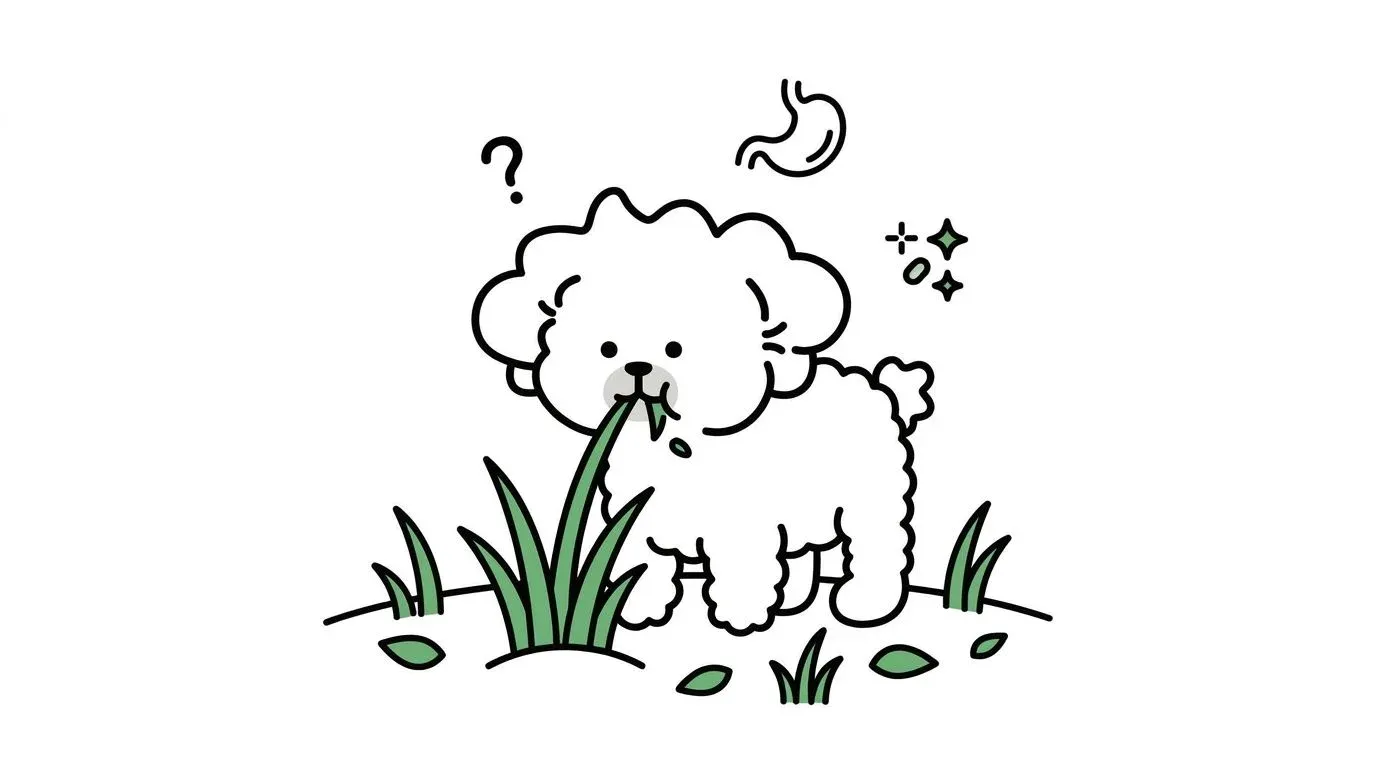
Your dog drops their nose to the ground the moment you reach the park and starts methodically mowing down a patch of grass. Do you pull them away? Watch with mild concern? Search for an answer on your phone while they finish their garden salad?
If that scene is familiar, you are in good company. Grass-eating is one of the most frequently observed — and most frequently misunderstood — canine behaviors. The explanations that circulate online range from “they’re sick” to “they’re bored” to “it’s completely normal,” all delivered with equal confidence and without much nuance.
The truth is more layered. There are five distinct reasons dogs eat grass, and they have meaningfully different implications. Some require no action at all. Others signal something worth addressing. A small subset indicate a medical concern that deserves a vet visit. Knowing which situation you’re in changes everything about how you respond.
Is It Normal for Dogs to Eat Grass?
How Common Grass-Eating Really Is
The most cited research on this behavior comes from a 2008 study published in Applied Animal Behaviour Science by Sueda, Hart, and Cliff at UC Davis. The study surveyed dog owners and found that 79% of dogs with regular access to plants ate grass or other plant material. It is one of the most common plant-related behaviors observed in domestic dogs.
That number alone should reframe how most owners think about it. Grass-eating is not a quirk, not a warning sign on its own, and not a sign that you are doing something wrong. It is a behavior so statistically typical that it’s the norm, not the exception.
The same study found that fewer than 25% of grass-eating episodes resulted in vomiting, and fewer than 10% of dogs showed signs of illness before eating grass. These figures directly contradict the popular belief that dogs eat grass primarily because they feel sick or to make themselves vomit.
What Most Dog Owners Get Wrong
The most persistent myth about grass-eating is that it is always a sign of illness. This assumption leads owners to either panic unnecessarily or, more problematically, to overlook a genuinely different category of grass-eating — frantic, compulsive, or obsessive — that does deserve attention.
The second common mistake is treating all grass-eating identically. A dog that casually nibbles a few blades during a walk is behaving very differently from a dog that frantically grazes while appearing distressed, or one that targets every outdoor surface and seems unable to stop. The underlying cause differs, and so does the appropriate response.
Understanding why your dog is eating grass is the foundation for knowing whether to intervene — and if so, how.
5 Reasons Dogs Eat Grass
Instinctive Behavior From Their Wild Ancestors
Before domestication, canines were opportunistic omnivores. Wild dog relatives, including wolves, have been documented consuming plant material — grasses, berries, fruits — as part of a varied diet. Intestinal parasites found in wolf feces have also been shown to be expelled more effectively when the host’s diet includes rough plant fiber, which has led some researchers to propose that grass-eating may have persisted as an instinctive gut-cleaning behavior.
Whether or not the instinct has a clear adaptive function in modern domestic dogs, it appears to be deeply embedded. Dogs raised in environments with access to grass almost universally engage in some level of plant eating, regardless of their diet quality. The behavior does not require a trigger — it is, in many cases, simply what dogs do.
This category of grass-eating tends to be calm, routine, and selective. The dog chooses a specific patch and grazes briefly, then moves on without apparent distress.
Digestive Discomfort and Self-Medication
While the UC Davis study found that pre-existing illness is not the primary driver of most grass-eating, a subset of dogs does appear to seek out grass when experiencing GI discomfort. Rough grass blades can stimulate the gag reflex in the stomach, and some dogs do appear to eat grass with the purpose of inducing vomiting.
The distinguishing characteristic of this pattern is timing and urgency. A dog grazing calmly during a walk looks different from a dog that bolts toward grass first thing in the morning and eats rapidly before vomiting. The latter, particularly if it happens repeatedly, is worth noting — it may reflect underlying GI irritation, bilious vomiting syndrome, or acid reflux.
If your dog frequently eats grass and then vomits, the dog vomiting causes guide covers the diagnostic framework for distinguishing routine bile vomiting from more significant causes — a useful reference for deciding whether a vet visit is warranted.
Nutritional Deficiencies: Fiber and Folate
Dogs fed low-fiber diets may seek out grass as a supplemental fiber source. Grass does contain cellulose — a form of insoluble fiber — and while dogs cannot digest it efficiently, the physical bulk may satisfy some instinctive need for roughage. Some nutritional researchers have also proposed that grass eating reflects a search for folate (vitamin B9), which is present in green plant material and plays a role in cell function and red blood cell production.
The evidence for nutritional deficiency as a primary driver is not conclusive, but it is clinically plausible. Dogs that eat grass primarily at mealtimes or when hungry, and that show reduced grass-eating when their diet is changed to a higher-fiber formulation, may be exhibiting nutritional compensation behavior.
If nutritional gaps are a concern, supporting the gut’s overall function is a reasonable first step. The connection between diet quality and digestive health is worth reviewing, particularly if your dog eats grass alongside other signs of GI irregularity — loose stools, gassiness, or inconsistent appetite.
Boredom, Anxiety, and Stress
Dogs that are understimulated — either physically or mentally — can develop oral fixations as self-soothing behaviors. Grass-eating falls into this category for some dogs, functioning as a low-effort, accessible sensory activity when the walk or environment offers insufficient novelty.
Anxiety can also drive grass-eating. Dogs experiencing generalized anxiety, separation distress, or situational stress (a new environment, a loud event nearby) may engage in oral repetitive behaviors, including grass grazing, as a displacement activity. In anxious dogs, this often co-occurs with other displacement behaviors: excessive sniffing, shadow chasing, or repetitive licking.
The behavioral signature of anxiety-driven grass-eating is inconsistency. The dog may eat grass in some contexts but not others — more in unfamiliar environments, more during periods of routine disruption, more when their owner is distracted or absent.
Pica: When Grass-Eating Becomes a Medical Concern
Pica is the compulsive ingestion of non-food items. In dogs, it can manifest as obsessive consumption of grass, dirt, rocks, fabric, paper, or a combination. Most casual grass-eating is not pica. The distinction matters because pica can signal underlying medical conditions — gastrointestinal disease, anemia, nutritional deficiencies, or neurological disorders — and because compulsive ingestion of non-food materials carries physical risk from obstruction, toxin exposure, and GI damage.
The behavioral markers that suggest pica rather than normal grass-eating:
- Intensity: The dog eats grass frantically and cannot be easily redirected
- Breadth: The dog also consumes dirt, rocks, sticks, or other non-food materials
- Compulsivity: The behavior occurs regardless of environmental context and seems driven rather than casual
- Persistence: The behavior does not decrease with adequate exercise, mental stimulation, or dietary changes
When grass-eating forms part of a broader pattern of non-food ingestion, the comparison with other pica-adjacent behaviors becomes relevant. For context on how compulsive oral behaviors are assessed and managed, the dog coprophagia guide covers the behavioral evaluation framework that applies across pica presentations.
Pica warrants a veterinary evaluation to rule out contributing medical causes before behavioral intervention alone is attempted.
When Grass-Eating Becomes Dangerous
Pesticides, Herbicides, and Lawn Chemicals
The grass itself is rarely the problem. The real risk is what has been applied to it.
Glyphosate-based herbicides, organophosphate pesticides, and synthetic lawn fertilizers are widely used in parks, residential lawns, and public green spaces. Exposure can occur through direct ingestion, licking paws after walking on treated surfaces, or skin contact. Symptoms of lawn chemical exposure range from mild GI upset — vomiting, diarrhea, excessive drooling — to more serious signs including tremors, difficulty breathing, and collapse, depending on the compound and the amount ingested.
A practical rule: assume that any maintained public lawn or private residential lawn has been chemically treated unless you know otherwise. The “wet grass” caution applies year-round, not just after visible application. Freshly mowed grass in public parks is particularly high-risk in spring and early summer when lawn treatment schedules are most active.
If your dog eats grass in areas of uncertain chemical status and shows any signs of irritation within 2–4 hours, contact your vet or the ASPCA Animal Poison Control Center (888-426-4435).
Toxic Plants Your Dog Might Mistake for Grass
Dogs do not discriminate carefully between grass species and similar-looking plants. Several highly toxic plants grow in grass-adjacent environments and are frequently encountered on walks.
The following plants are commonly found across the US and UK and are confirmed toxic to dogs according to the ASPCA toxicology database:
| Plant | Toxicity Level | Signs |
|---|---|---|
| Sago palm (Cycas revoluta) | Severe (can be fatal) | Vomiting, liver failure, seizures |
| Foxglove (Digitalis) | Severe | Heart arrhythmia, vomiting, collapse |
| Azalea / Rhododendron | Moderate–severe | Vomiting, weakness, low blood pressure |
| Lily of the valley | Moderate–severe | Heart arrhythmia, vomiting |
| Autumn crocus (Colchicum) | Severe | GI hemorrhage, organ failure |
| Black-eyed Susan | Mild–moderate | GI irritation, skin irritation |
| Yew (Taxus) | Severe (can be fatal) | Sudden cardiac death |
| Buttercup (Ranunculus) | Mild | Drooling, GI irritation |
If you’re uncertain whether a plant your dog ate is toxic, the ASPCA Toxic and Non-Toxic Plants database allows plant-specific lookup. When in doubt, call poison control rather than wait for symptoms.
Parasite and Bacteria Risks
Outdoor grass is a transmission route for several intestinal parasites. Roundworm eggs (Toxocara canis) can survive in soil and on grass blades for months to years, and ingestion is a direct route for reinfection. Giardia cysts survive in moist grass environments and can be transferred from contaminated feces to grass to a grazing dog within the same walk.
Leptospirosis, a bacterial disease, can also be transmitted through contact with grass or soil contaminated by infected wildlife urine. The bacteria can enter through mucous membranes, making grass-grazing in areas with wildlife activity a non-trivial exposure route.
For dogs that spend significant time grazing on outdoor grass — particularly in areas with wildlife activity, standing water, or high dog traffic — tick exposure is an additional concern. The dog walk tick prevention guide covers the practical steps for reducing tick contact before, during, and after outdoor time.
Regular fecal parasite testing (at minimum annually) is appropriate for dogs that regularly eat grass or have significant outdoor exposure. Your veterinarian can recommend a deworming schedule based on your dog’s specific exposure pattern.
Chronic Vomiting Cycles
When grass-eating and vomiting become a repeated pattern, a feedback loop can develop. A dog vomits, experiences stomach discomfort, seeks out grass again, vomits again. If this cycle repeats across multiple days, it can cause esophageal irritation from repeated acid exposure, progressive gastric inflammation, and eventually a chronic pattern that is harder to interrupt than a single episode.
Chronic vomiting — defined as vomiting that occurs more than once or twice weekly for more than three weeks — should be evaluated by a veterinarian rather than managed at home. The causes are different from acute vomiting and may include inflammatory bowel disease, chronic gastritis, or dietary intolerance.
What to Do Based on the Cause
Review Their Diet: Fiber and Nutrient Check
If your dog eats grass regularly and the behavior seems nutritionally driven — particularly if it increases when they’re hungry or occurs around mealtimes — adding dietary fiber is a reasonable first-line adjustment.
Practical fiber additions that are safe and effective:
- Plain canned pumpkin (not pumpkin pie filling): 1–4 tablespoons per day depending on dog size. Contains soluble and insoluble fiber, well-tolerated by most dogs.
- Cooked green beans: Low calorie, moderate fiber, can be mixed into regular food
- Plain psyllium husk: Small amounts (1/4 teaspoon for small dogs, up to 1 teaspoon for large dogs) added to meals with extra water
Monitor whether increased dietary fiber reduces grass-seeking behavior over 2–3 weeks. If the behavior persists unchanged despite dietary adjustment, nutritional deficiency is less likely to be the primary driver.
Enrich Their Environment: Exercise and Mental Stimulation
For boredom-driven or anxiety-driven grass-eating, the intervention is environmental before it is behavioral.
- Increase aerobic exercise: An additional 15–20 minutes of active movement per walk, or an extra walk session, is a meaningful change in activity load. Assess whether grass-eating frequency changes within 2 weeks of increased exercise.
- Add mental enrichment: Puzzle feeders, snuffle mats, and scent work give dogs an outlet for their information-processing drive. A dog that is mentally tired from a 10-minute nose work session often shows less oral fixation behavior on subsequent walks.
- Vary walk routes: Novel environments provide sensory stimulation that reduces the appeal of grass-eating as a self-stimulating activity. Rotating between 3–5 different walk routes has a measurable effect on boredom-related behaviors.
Offer Safe Alternatives: Wheatgrass and Barley Grass
If your dog clearly enjoys the act of eating grass — the texture, the flavor, or the sensory experience — providing a safe, clean alternative eliminates the risk without eliminating the behavior.
Wheatgrass (Triticum aestivum sprouts) and barley grass (Hordeum vulgare sprouts) are the two most recommended pet-safe grass alternatives. Both are untreated, high in chlorophyll and fiber, and available as pre-grown trays or seed kits from most garden centers and online retailers.
Growing your own indoor grass tray takes approximately 7–10 days and produces a continuous rotation of clean, chemical-free grass. Place the tray near your dog’s usual resting area and allow supervised grazing. Most dogs transition readily to a home grass tray when the outdoor alternative is restricted.
Cat grass mixes marketed for indoor cats are equally safe for dogs and often include oat and rye grass alongside wheatgrass.
Redirect Instead of Punish: Training Approach
Punishment-based interruption of grass-eating — shouting, leash corrections, spray deterrents — is rarely effective and often counterproductive. For anxiety-driven grass-eating, punishment adds stress to an already-anxious dog. For food-motivated or instinct-driven behavior, it may suppress the behavior in your presence while leaving the motivation entirely unaddressed.
A redirect-based approach is more durable:
- Train “leave it” separately, using low-stakes food items, before applying it to grass on walks
- Interrupt at the approach stage, not after the dog has already begun eating. The cue is easier to reinforce when the dog has not yet received the reward (the grass itself)
- Offer a high-value alternative immediately after a successful leave-it — a treat significantly more appealing than the grass
- Praise the redirect, not just the leave-it. The dog should associate grass-avoidance with a positive outcome, not just the removal of an option
Consistency matters more than intensity. A “leave it” that works 9 out of 10 times is more valuable than one that works 10 out of 10 times with a sharp correction and then fails when you are distracted.
When to See the Vet Immediately
Most grass-eating does not require a vet visit. The situations that do are specific:
Repeated Vomiting After Eating Grass
A single vomiting episode after grass-eating is not an emergency — monitor and withhold food for 4–6 hours. The threshold for a vet call is:
- Vomiting more than twice in 24 hours
- Blood in vomit
- Vomiting accompanied by lethargy or refusal to drink
- Vomiting that resumes within hours of food reintroduction
- Daily or near-daily grass-eating followed by vomiting for more than one week
For a full triage framework, the dog vomiting causes guide covers the specific vomit color and symptom combinations that indicate emergency versus monitor-at-home situations.
Eating Non-Food Items Beyond Grass
If your dog’s grass-eating extends to regular consumption of soil, rocks, sticks, fabric, or other non-food materials, pica is the more likely diagnosis. Pica:
- Warrants a fecal parasite test to rule out a parasitic driver
- Warrants bloodwork to screen for anemia and nutritional deficiencies
- May require a behavioral consult if a medical cause is not identified
- Requires management to prevent intestinal obstruction from harder materials
Weight Loss or Appetite Changes
If grass-eating co-occurs with:
- Visible weight loss despite normal food intake
- Increased hunger and food-seeking alongside poor body condition
- Chronic loose or poorly formed stools
- Poor coat quality or energy decline
…a GI malabsorption workup is appropriate. Conditions like Exocrine Pancreatic Insufficiency (EPI), inflammatory bowel disease, and small intestinal bacterial overgrowth all produce compulsive food-seeking and non-food ingestion behaviors alongside weight loss and GI symptoms. These are medical, not behavioral, diagnoses and require veterinary testing to confirm.
Grass-eating sits in that common middle zone of canine behavior: ubiquitous, frequently misunderstood, occasionally significant. For the vast majority of dogs, grazing on untreated grass in a safe outdoor environment is simply what they do — no more alarming than a human who habitually chews a mint.
What makes it worth understanding is the minority of situations where the behavior shifts: from casual to frantic, from occasional to daily, from grass alone to grass plus everything else on the ground. Those shifts are the signal worth reading, and they have specific answers that go beyond “it’s normal” or “take them to the vet.”
If you’re heading into spring walk season and want a broader outdoor safety checklist beyond grass, the spring dog outing checklist covers the full range of seasonal hazards — from allergens to foxtails to lawn chemicals — worth accounting for before heading to your local park.
This article is for informational purposes only and does not substitute for veterinary medical advice. If your dog’s grass-eating behavior is accompanied by vomiting, weight loss, or signs of distress, consult your veterinarian.
FAQ
Why does my dog eat grass and then throw up?
Should I stop my dog from eating grass?
Do dogs eat grass when they have an upset stomach?
What is dog pica and is grass eating a sign of it?
Is it safe for dogs to eat grass?
Related Articles
Dog Lethargy Causes: When Slowing Down Signals More Than Just Aging
Learn how to distinguish normal dog tiredness from true lethargy, identify dog lethargy causes by age, and know which signs need emergency vet care.
Veterinary Guide to Cat Overgrooming: Causes, Treatment, and When to Worry
Cat overgrooming causes range from allergies to anxiety. This vet-backed guide covers diagnosis, body-area mapping, treatment options, and when to see a doctor.
Does Your Senior Dog Have Dementia? A Veterinary Guide to Canine Cognitive Dysfunction
Learn the 7 DISHAAL domains to assess dog dementia symptoms at home, understand evidence-based treatment options, and know when to call your vet.
Dog Noise Phobia Treatment: Thunder and Fireworks Guide
Step-by-step guide to treating dog noise phobia from thunder and fireworks. Desensitization protocol, tool comparisons, and when to see a vet.
Is Your Dog in Pain? 7 Subtle Signs Most Owners Miss
Learn the 7 behavioral signs your dog is in pain that are easy to overlook, how to tell acute from chronic pain, and what to do before your vet visit.
Dog Separation Anxiety Guide: Symptoms, Training, and Help
Learn how to identify dog separation anxiety symptoms, follow a vet-backed step-by-step training plan, and know when medication or a specialist is needed.
Dog Walk Refusal: Is It Behavior or Hidden Joint Pain?
Dog walk refusal may signal arthritis, hip dysplasia, or IVDD. Use our 10-point checklist to tell behavioral causes from joint pain—and what to do next.
If Your Dog Won't Stop Barking: Type-by-Type Training Guide
Stop dog barking by identifying the type. 5 types, targeted training protocols, and realistic timelines — evidence-based guide for dog owners.
Transform Your Indoor Cat's Behavior and Health by Redesigning Their Play Environment
Use the AAFP/ISFM Five Pillars framework to build a science-backed indoor cat enrichment plan—from hunting sequence play design to sensory stimulation and behavior monitoring.
How to Start Nose Work with Your Dog: A Step-by-Step Beginner's Guide
Learn how to start nose work with your dog using a 5-stage progressive protocol. From palm treat finds to outdoor scent detection — start today with no special equipment.
How to Introduce Cats: A Step-by-Step Guide From Isolation to Harmony
Learn how to introduce cats using a proven 5-step protocol with clear timeline ranges, age and sex strategies, and a failed-introduction recovery plan.
Dog Coprophagia: Why Dogs Eat Poop and How to Stop It
Dog coprophagia affects 1 in 6 dogs. Learn the three types, their distinct causes, evidence-based correction protocols, and why most deterrents don't work.
How to Crate Train Your Dog: A Step-by-Step Guide from First Introduction to Calm Alone Time
Learn how to crate train a dog with a 5-step protocol, age-based time limits, and troubleshooting for crying, crate aversion, and accidents.
Loose Leash Walking Training: 5 Steps to Stop Dog Pulling
Stop your dog pulling on walks with this 5-stage loose leash walking training guide — from indoor introduction to real-world heel, with troubleshooting.
Is Your Dog Guarding More Than Just the Food Bowl? Types of Resource Guarding and How to Fix Them
Dog resource guarding goes beyond food bowls. Learn the 4 types, a severity assessment framework, and type-specific training protocols to stop guarding safely.
Bringing Home a New Puppy? The Complete Socialization Training Guide You Need
Learn the science behind puppy socialization windows, get a week-by-week timeline, and discover safe pre-vaccination methods with a practical category-based checklist.
Cat Meowing at Night: 3 Common Responses That Make It Worse
Cat meowing at night is disrupting your sleep—and your usual fixes may be making it worse. Learn the behavioral science behind night crying and a 4-step evening routine that actually works.
How to Potty Train a Puppy: The Complete Guide for First-Time Dog Owners
Learn how to potty train a puppy with crate training, bell training, nighttime protocols, regression fixes, and tips for apartment living and rescue dogs.
How to Stop Puppy Biting: Age-by-Age Training Guide
Learn how to stop puppy biting with science-backed methods, age-specific protocols from 8 weeks to adulthood, and a step-by-step training system.
Does Your Cat Have Separation Anxiety? Signs to Watch and How to Help
Learn the real signs of cat separation anxiety symptoms, how to tell anxiety apart from boredom, and a week-by-week desensitization protocol you can start today.
Dog Excessive Licking Causes: Normal vs. Concerning Signs
Dog excessive licking causes include skin allergies, joint pain, anxiety, and GI distress. Learn the body-region diagnostic map and when to call a vet.
If Your Cat Keeps Biting: Types of Aggression and How to Respond
Discover why your cat bites, how to identify all 6 types of cat aggression, and evidence-based strategies to stop cat biting — including petting threshold signals.
Can't Stop Your Cat From Scratching Furniture? Behavioral Science Says Otherwise
Discover why cats scratch furniture, why punishment makes it worse, and a 5-step science-backed protocol to redirect cat scratching behavior permanently.