 Cirius Petpedia
 Dog Growling: How to Read Every Type and Respond the Right Way
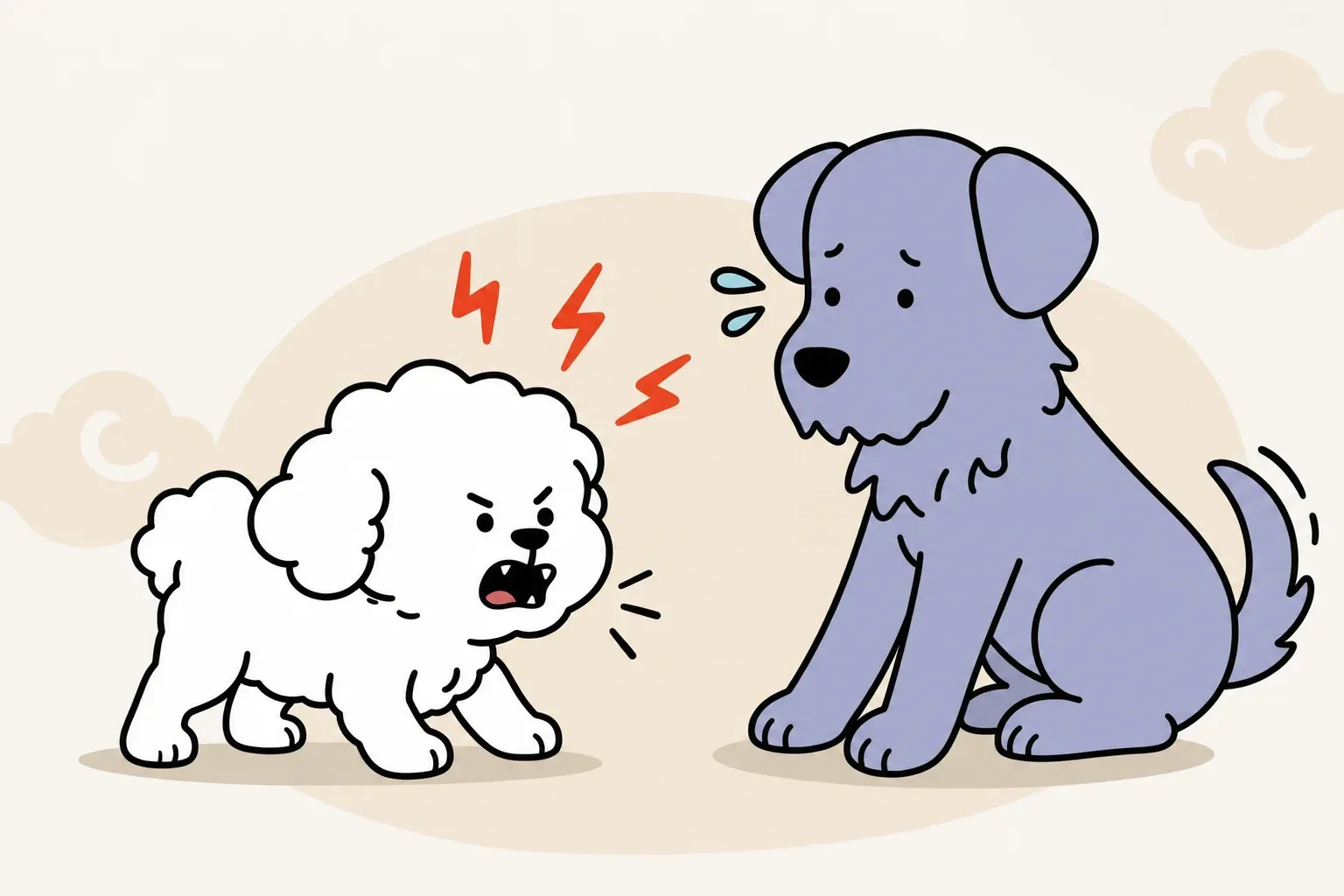
Your dog rumbles from deep in their chest as you reach for the toy they’ve been guarding all afternoon. Your first instinct might be alarm—or even frustration. But that sound is actually one of the most valuable pieces of communication your dog can offer you.
Understanding dog growling meaning requires learning to read the full picture: the pitch, the rhythm, what the rest of your dog’s body is doing, and what set the growl off in the first place. This guide breaks down every major type of growl, how to distinguish playful rumbling from genuine warnings, and exactly how to respond to each one.
Growling Is Communication, Not Misbehavior
The most important thing to understand about dog growling is that it is a deliberate, controlled form of communication—not a random outburst or a sign your dog has a “bad” temperament. Dogs have a vocal hierarchy: whining, barking, growling, snapping, and biting form a progression of escalating signals.
Why Suppressing Growling Is Dangerous
Many well-meaning owners try to stop growling through punishment—a sharp “no,” a physical correction, or other aversive techniques. The American Veterinary Society of Animal Behavior (AVSAB) strongly advises against this approach, and behavioral science explains why.
When you punish a growl, you do not eliminate the underlying emotion driving it. You remove the warning signal. The result is what trainers call a “silent biter”—a dog that has learned skipping growling and going straight to snapping or biting because the intermediate step consistently led to punishment. Research published in Applied Animal Behaviour Science consistently shows that punishment-based responses to growling increase, rather than decrease, the long-term risk of biting incidents.
A dog that growls is giving you a gift: time to respond before the situation escalates.
The Growl as an Early Warning System
Think of a growl as the canine equivalent of “I’m not comfortable with what’s happening right now.” It is the dog’s first-line, low-cost communication tool. When dogs feel heard—when owners respond to a growl by removing the trigger rather than punishing the messenger—they learn that growling works and that biting is unnecessary.
This is the foundation of a safer, more communicative relationship with your dog.
7 Types of Dog Growling and Their Hidden Meanings
Not all growls communicate the same thing. Sound characteristics (pitch, duration, intensity) combined with body language tell the full story. The table at the end of this section gives you a quick reference.
Play Growling: The Sound of Fun
Sound profile: Medium to high pitch, rhythmic, sometimes interrupted by barks or yelps. Often rises and falls in short bursts rather than sustaining as one continuous tone.
Body language: Loose, wiggly body; play bow (front end low, rear end high); soft, squinty eyes; open mouth with relaxed lips. The tail wags freely and broadly.
Context: During tug-of-war, wrestling with another dog or a person, or active chase games.
Play growling is one of the most misread behaviors in domestic dogs. Many owners stop a good game of tug the moment they hear it, when in fact the rumbling is your dog’s way of saying “this is the best thing ever.” Play growls in humans can even function as a social bonding signal, according to work by Dr. Patricia McConnell, who notes that “the growl is one of the more sophisticated sounds in the canine vocal repertoire.”
The key distinction: everything about the dog’s body communicates “I’m having fun.” The moment body language shifts—stiffening, hard eye contact, still tail—the emotional register has changed.
Pleasure Growling: A Sign of Contentment
Sound profile: Low, rumbling, sustained. Often sounds like a cross between a purr and a moan. Very smooth with no sharp peaks.
Body language: Completely relaxed muscles, eyes soft or half-closed, leaning into the contact source (your hand, a warm spot on the couch, another dog).
Context: During a belly rub, a massage session, or when snuggling.
Some dogs, particularly larger breeds, produce a deep, rolling vocalization when they are content and being physically comforted. New owners sometimes startle at this sound, but the body language makes the meaning unmistakable: this dog is not unhappy.
Warning Growling: A Request for Space
Sound profile: Low, steady, sustained. The pitch is noticeably lower than a play growl. Duration tends to be longer—held as long as the perceived threat remains.
Body language: Body stiffens; weight shifts forward or the dog stands tall; hackles (the fur along the spine) may rise; lips may pull back slightly; eyes become hard and direct (whale eye—showing the whites of the eyes—may be visible); tail may be raised and still.
Context: A stranger approaches too quickly; a child leans over the dog’s face; someone reaches for something the dog considers theirs; another dog enters the dog’s space uninvited.
This is the growl most people think of when they worry about aggression. It is a clear, direct message: please stop what you are doing. The dog is not being aggressive yet—they are requesting space. Respecting this signal and creating distance is nearly always the correct response.
Warning growling is also one of the most important types to understand when working with dog body language and broader vocalization behaviors, since it sits at the junction of communication and the bite threshold.
Fear Growling: A Defensive Alarm
Sound profile: Similar low pitch to a warning growl, but may be less steady—wavering or intermittent. Some dogs also whine between growl bouts, creating a mixed sound.
Body language: The critical difference from a warning growl is body orientation. A fear-growling dog leans back—ears flattened, tail tucked, body crouched low, attempting to make themselves smaller. They are not being assertive; they are terrified and feel trapped.
Context: Veterinary examinations, unfamiliar environments, sudden loud noises, being cornered or unable to flee.
Fear growling is particularly important to read correctly because fear-based aggression can be more unpredictable than confident, assertive warning behavior. A frightened dog may switch from growling to biting faster than a dog who is simply setting a boundary.
The intervention goal is always to give the dog an escape route and reduce the perceived threat, not to confront or force compliance.
Possessive Growling: Guarding Valued Resources
Sound profile: Low and sustained, often intensifying if the person or animal continues to approach. May escalate to snapping if the warning is ignored.
Body language: Dog positions body over or beside the resource (food, toy, high-value chew, sleeping spot, or even a favored person). Muscles are tense; head may lower slightly over the item; direct eye contact toward the approacher.
Context: Someone approaches the food bowl mid-meal; a child reaches for a chew; another dog approaches a toy.
Resource guarding is a normal, evolutionarily adaptive behavior. In the wild, holding onto food and high-value items had direct survival implications. That instinct persists in domestic dogs regardless of how well-fed or secure they are.
Possessive growling should be taken seriously because it often escalates over time if ignored. Effective management typically involves a structured approach to resource guarding, including trade-up training (teaching the dog that giving something up predicts something even better appearing) and controlled desensitization.
Pain Growling: A Cry for Help
Sound profile: Variable—can range from a sharp, single grunt at the moment of touch to a sustained low growl during handling. May be accompanied by a yelp or whimper.
Body language: The dog may flinch, pull away, or attempt to bite the area being touched. They may guard a specific body part by positioning it away from you or holding it differently from normal.
Context: Handling or petting a specific area of the body; putting on or removing a harness or collar; being lifted; routine grooming of an area that is painful.
Pain growling is one of the most important types to recognize because owners frequently misinterpret it as behavioral aggression. A dog who “suddenly” growls when touched in an area they previously accepted contact on is almost certainly telling you something hurts. Recognizing behavioral signs of pain in dogs early can prevent injuries and lead to faster diagnosis and treatment.
Sudden-onset growling with no obvious behavioral trigger—particularly in senior dogs—should prompt a veterinary visit before any behavioral intervention is considered.
Frustration Growling: Unmet Needs
Sound profile: Higher-pitched than a warning growl; may sound almost “whiny” or rise at the end. Often combined with barking or other vocalizations.
Body language: Pacing, jumping, spinning, or other restless movement. The dog may be focused intensely on something they cannot access—a door, a toy out of reach, another dog through a fence.
Context: Barrier frustration (restrained on a leash or behind a fence); a game that has ended before the dog was ready; inadequate physical or mental exercise; a training session where the dog cannot figure out what is being asked.
Frustration growling is often confused with aggression, particularly in fence-reactive dogs. The root cause is not threat perception but the failure to meet a need. Addressing the underlying deficit—increasing enrichment, modifying the environment, or adjusting training methods—is more effective than behavioral suppression.
Quick-Reference Comparison Table
| Type | Pitch | Duration | Body Posture | Primary Trigger |
|---|---|---|---|---|
| Play | Medium–high | Short, rhythmic | Loose, wiggly, play bow | Games and interaction |
| Pleasure | Very low | Long, smooth | Relaxed, leaning in | Physical comfort |
| Warning | Low | Sustained | Stiff, forward weight | Perceived boundary violation |
| Fear | Low, wavering | Intermittent | Crouched, leaning back | Perceived threat, no escape |
| Possessive | Low | Sustained, escalating | Tense, over resource | Someone approaches valued item |
| Pain | Variable | Brief or sustained | Guards body part | Touch on painful area |
| Frustration | Medium, rising | Variable | Restless, pacing | Unmet need, barrier |
Play or Threat? A Quick-Reference Checklist
When you hear a growl and need to assess the situation quickly, run through these three dimensions.
Listen: Pitch, Rhythm, and Duration
A play growl tends to be higher in pitch and rhythmic—it rises and falls, breaks off, and often comes with happy barks in between. A warning or possessive growl sits lower in pitch, is continuous or slowly escalating, and does not break into friendly sounds.
Duration matters too. A long, unbroken, low growl that holds steady as you continue an action is a clear escalation signal. Brief, context-appropriate growls during a tug game carry entirely different information.
Watch: Posture, Facial Expression, Tail, and Ears
Use this checklist when assessing any growl:
| Body Part | Play / Pleasure | Warning / Fear / Possessive |
|---|---|---|
| Overall posture | Loose, weight balanced | Stiff, forward OR crouched back |
| Eyes | Soft, squinty | Hard, direct stare or whale eye |
| Mouth | Open, relaxed | Closed or pulled back at corners |
| Ears | Relaxed or perked naturally | Flattened back (fear) or erect/forward (threat) |
| Tail | Broad, loose wag | Still and raised (warning) or tucked (fear) |
| Hackles | Down | Raised along spine |
No single signal is definitive. Read the whole body.
Context: What Triggered the Growl
Context often resolves ambiguity immediately. A growl during an energetic tug game is almost never a warning. A growl when a child reaches toward the food bowl during mealtime is almost always one.
Ask: What immediately preceded the growl? Is the dog in a situation where they typically feel threatened, frustrated, or protective? Is this the first time this has happened, or a recurring pattern?
How to Respond to Each Type of Growling
Understanding dog growling meaning is only useful if it translates into the right action. Here is a practical response guide for each category.
Play and Pleasure Growling: Enjoy but Set Boundaries
Do:
- Continue the game—the growl is a sign of engagement, not a problem
- Monitor body language for any shifts toward stiffening or intensity
- Teach a “drop it” or “leave it” cue so you can end tug games calmly on request
- Let contentment growls happen—they indicate a relaxed, happy dog
Don’t:
- Punish or startle a dog out of a play growl—it interrupts positive interaction without teaching anything useful
- Allow games to escalate until the dog’s arousal becomes difficult to manage
Warning and Fear Growling: Create Distance and Remove Triggers
Do:
- Stop whatever you were doing immediately
- Create physical distance between the dog and the trigger
- Give the dog space and time to settle
- Note what triggered the response so you can manage it proactively going forward
Don’t:
- Lean in, make direct eye contact, or continue the triggering action
- Punish the growl—this escalates rather than resolves the situation
- Force the dog to endure the trigger in an attempt to “socialize” them through it without a structured behavior modification plan
Possessive Growling: Trade-Up Training and Desensitization
Do:
- Back away from the resource initially to de-escalate
- Practice trade-up exercises when the dog is calm and relaxed (not in the middle of a guarding incident)
- Feed high-value treats near the food bowl while the dog eats, gradually building a positive association with approach
- Consult a certified trainer for escalating or dangerous guarding behavior
Don’t:
- Reach in and take the item by force—this frequently results in a bite
- Punish the growl, which increases the dog’s perceived need to guard aggressively
- Allow children unsupervised access to a dog that is displaying possessive growling
For persistent cases, structured protocols in a dedicated resource guarding guide provide a step-by-step desensitization framework.
Pain Growling: Seek Veterinary Attention
Do:
- Stop handling the area immediately
- Observe whether the dog is protecting a specific body part, limping, or showing other signs of discomfort
- Book a veterinary appointment as soon as possible
- Inform your vet which area triggered the growl so they can examine it carefully
Don’t:
- Assume the behavior is purely behavioral without ruling out physical causes
- Continue grooming, touching, or manipulating an area that elicits a pain growl
- Muzzle the dog without addressing the underlying pain source
How Age Changes What Growling Means
The same growl type can have meaningfully different causes and prognoses depending on your dog’s life stage.
Puppies: Socialization Gaps and Play Learning
Puppies growl often and enthusiastically as part of learning how to interact with the world. Most puppy growling is play-related—they are practicing communication, testing social boundaries, and figuring out what responses their sounds produce.
However, puppies that were separated from their litter too early (before 7–8 weeks) may not have learned appropriate bite inhibition or the social cues that tell them when a playmate has had enough. These puppies may growl and escalate quickly because they lack the referencing skills that normal litter socialization provides.
Puppy growling that occurs during handling (being picked up, having paws touched, or being restrained) warrants gentle, systematic desensitization—the kind introduced in a well-structured puppy socialization program. Puppies that regularly growl and snap during routine handling should be evaluated by a veterinarian and a certified trainer before the behavior becomes entrenched.
Early biting and growling patterns that are not addressed can develop into serious behavior problems by adolescence. Understanding these early signals is part of a broader approach to puppy biting and bite inhibition training.
Adult Dogs: Learned Behavior and Environmental Triggers
In adult dogs, growling patterns are typically more established and context-specific. An adult dog that has always growled over food is likely operating on deeply reinforced resource-guarding behavior. An adult dog that suddenly begins growling in situations where they previously had no reaction is signaling either a change in their environment or a change in their physical state.
Trigger mapping is a useful tool at this stage: tracking exactly when growling occurs, what preceded it, and whether the pattern is stable or shifting. Escalating frequency or intensity is a warning sign that the underlying issue—whether behavioral or medical—is worsening.
Senior Dogs: Pain and Cognitive Decline
Senior dogs growl for two reasons that are particularly common and frequently missed. First, age-related pain conditions—arthritis, dental disease, disc problems—mean that previously comfortable contact may now be painful. A senior dog that begins growling when petted in areas they used to enjoy is almost certainly experiencing discomfort, not behavioral regression.
Second, canine cognitive dysfunction (CCD), the dog equivalent of dementia, can cause confusion, disorientation, and increased reactivity. A cognitively affected senior may growl in response to stimuli they previously ignored because their ability to assess situations clearly has diminished.
Any new-onset growling in a senior dog should be evaluated medically before any behavioral work begins. The behavioral change is often a symptom, not the root problem.
When to Call a Vet or Behaviorist
Most growling falls within the normal range of canine communication and can be managed with the response strategies above. Certain situations, however, call for professional support.
5 Red-Flag Situations That Need Professional Help
- Sudden-onset growling with no clear trigger — Particularly in adult or senior dogs with no prior history. Rule out pain and illness first.
- Growling that escalates to snapping or biting — Any time a growl fails to stop unwanted behavior and the dog escalates to physical contact, professional intervention is needed.
- Growling directed at specific family members — A dog who consistently growls at one person but not others is signaling a relationship problem that requires expert assessment, not just training.
- Growling in children’s contexts — Any growling directed at children should be taken seriously given the disproportionate risk. A certified behaviorist can create a structured safety and modification plan.
- Intensifying frequency or new contexts — A growl pattern that is expanding (occurring in more situations) or escalating (becoming more intense) over time needs professional evaluation before the behavior becomes dangerous.
How to Choose a Qualified Behaviorist or Trainer
Credentials matter in this field. Seek professionals with the following qualifications:
- CAAB or ACAAB (Certified Applied Animal Behaviorist) — for complex cases involving fear, aggression, or trauma history
- DACVB (Diplomate of the American College of Veterinary Behaviorists) — veterinary specialists who can also prescribe medication when indicated
- CPDT-KA or CPDT-KSA (Certified Professional Dog Trainer) — for training-related issues; look specifically for those with behavior modification experience
- Fear Free Certified — indicates training in low-stress handling and behavior protocols
Avoid trainers who advocate “dominance theory,” alpha rolls, or punishment-based methods for aggression. These approaches are contraindicated by current behavioral science and carry a documented risk of increasing aggression.
References
- 1. Canine Aggression and the 'Bite Threshold': Clinical Applications
- 2. Applied Animal Behaviour Science - Growling as Communication
- 3. American Veterinary Society of Animal Behavior (AVSAB) - Punishment Position Statement
- 4. The Other End of the Leash - Patricia McConnell PhD
- 5. ASPCA - Understanding Dog Body Language
FAQ
Should I punish my dog for growling?
Why does my dog growl at me but wag their tail?
My dog suddenly started growling. Should I be worried?
Is it normal for dogs to growl over food?
How do I know if my dog's growl is serious?
Related Articles
If Your Dog Won't Stop Barking: Type-by-Type Training Guide
Stop dog barking by identifying the type. 5 types, targeted training protocols, and realistic timelines — evidence-based guide for dog owners.

Is Your Dog Guarding More Than Just the Food Bowl? Types of Resource Guarding and How to Fix Them
Dog resource guarding goes beyond food bowls. Learn the 4 types, a severity assessment framework, and type-specific training protocols to stop guarding safely.
How to Stop Puppy Biting: Age-by-Age Training Guide
Learn how to stop puppy biting with science-backed methods, age-specific protocols from 8 weeks to adulthood, and a step-by-step training system.