 Cirius Petpedia
 Raw Food Diet for Dogs: Benefits, Risks & 7-Day Transition Plan

Raw feeding has moved well beyond niche hobbyist circles. A 2023 market analysis estimated the raw pet food segment growing at over 20% annually in North America, and online communities dedicated to BARF feeding now count millions of members. At the same time, the American Veterinary Medical Association and American Animal Hospital Association both advise caution, citing documented risks of bacterial contamination and nutritional imbalance.
The result is a landscape where enthusiast forums and medical institutions are talking past each other — leaving most dog owners with no clear, balanced picture of what a raw diet actually involves.
This guide attempts to fill that gap. It draws on peer-reviewed veterinary research, AAFCO nutritional standards, and AVMA guidance to give you an honest account of both what raw feeding can and cannot do, plus a practical framework for doing it safely if you choose to try it.
What Is a Raw Food Diet for Dogs?
A raw food diet for dogs is exactly what it sounds like: feeding uncooked animal proteins — muscle meat, organs, and raw meaty bones — instead of commercially processed food. But there are meaningfully different philosophies about what that should look like in practice.
The BARF Diet: Origins and Principles
The term BARF was coined by Australian veterinarian Dr. Ian Billinghurst in his 1993 book Give Your Dog a Bone. It originally stood for “Bones and Raw Food” and was later rebranded as “Biologically Appropriate Raw Food.” Billinghurst’s premise was that dogs evolved eating whole prey and that modern commercial diets represent a radical departure from that biology.
The BARF model incorporates not just meat and bone but also fruits, vegetables, dairy (such as yogurt), eggs, and supplements — in other words, a broader interpretation of what ancestral canine diets might have included. The inclusion of plant matter distinguishes BARF from its main competitor, the Prey Model.
BARF vs. Prey Model: Key Differences
| Feature | BARF Diet | Prey Model Raw |
|---|---|---|
| Vegetables and fruit | Yes (7–10%) | No (or negligible) |
| Eggs and dairy | Yes | Rarely |
| Supplements | Often used | Minimal |
| Philosophical basis | Biologically appropriate whole food | Strict ancestral prey simulation |
| Typical ratio | 70/10/10/7/3 | 80% muscle meat / 10% bone / 10% organs |
| Best suited for | Beginners; more nutrient redundancy | Experienced feeders; purist approach |
For most owners new to raw feeding, BARF is the more forgiving starting point. The inclusion of plant matter and eggs provides a wider micronutrient buffer, reducing the risk of deficiency during the learning curve. The Prey Model can achieve excellent results but leaves less room for error in ratio calculations.
Potential Benefits of Raw Feeding
The honest answer is that the evidence base is still developing. Several benefits are well-supported by clinical observation and some controlled studies; others are widely reported by owners but lack robust research behind them. We’ll note the distinction.
Improved Digestion and Stool Quality
This is arguably the most consistently observed effect. Raw-fed dogs typically produce smaller, firmer, less odorous stools compared to kibble-fed dogs. The reason is digestibility: raw animal proteins are more bioavailable than heat-processed equivalents, meaning a higher percentage is absorbed and less passes through as waste.
A 2020 study published in PLOS ONE found that dogs fed raw diets showed significantly different (and in most markers, more favorable) gut microbiome compositions compared to dry-food-fed controls — with higher populations of Lactobacillus and lower levels of Clostridium perfringens. The clinical implications of this shift are still being studied, but the microbiome connection makes biological sense. If you’re also exploring digestive support during the transition, probiotics may be worth discussing with your vet.
Skin and Coat Health
Many owners report improvements in coat shine and skin condition within 8–12 weeks of switching to raw. The likely mechanism involves omega-3 fatty acids from fresh meat and fish, improved absorption of zinc and biotin, and the absence of certain starch-based fillers that can drive low-grade inflammation in predisposed dogs.
The evidence here is largely observational. There are no large randomized controlled trials demonstrating that raw diets outperform high-quality commercial diets on skin and coat metrics. What is reasonably established is that protein source variety matters — rotating between chicken, beef, fish, and lamb delivers a broader amino acid and fatty acid profile than single-protein diets. A dog protein source guide walks through how to structure that rotation.
Dental Health Through Natural Chewing
Raw meaty bones provide mechanical abrasion that can reduce plaque accumulation. Several veterinary dentists endorse appropriate raw bone chewing as a component of dental hygiene, and a 2018 study in the Australian Veterinary Journal found measurable reductions in dental calculus in dogs given recreational raw bones regularly.
The keyword here is “appropriate.” Cooked bones, weight-bearing bones from large animals, and bones too small for your dog’s jaw size carry real injury risks (see the risks section below). The dental benefit applies specifically to raw bones sized correctly for your dog.
Increased Hydration
Kibble typically contains 8–12% moisture. Raw meat contains 60–75% moisture. Dogs eating raw are therefore consuming dramatically more water through their food, which supports kidney function and urinary tract health. This is particularly relevant for dogs prone to urinary crystals or recurrent urinary tract infections.
Risks and Safety Concerns
The risks of raw feeding are real and should not be minimized. Whether they outweigh the potential benefits depends on your specific dog, your household composition, and your willingness to follow strict hygiene protocols.
Bacterial Contamination: Salmonella and E. coli
This is the most thoroughly documented concern. A 2020 review published in PLOS ONE tested 35 commercially available raw dog food products and found that 54% contained Enterobacteriaceae, 43% tested positive for Salmonella, and 23% contained Listeria monocytogenes.
The AVMA’s position statement on raw protein diets explicitly states that raw or undercooked animal-source protein poses risks to both animal and human health and recommends against feeding such diets. Their primary concern is not just the dog — it’s household members who may come into contact with contaminated food, surfaces, or the dog’s feces, which can shed pathogenic bacteria even when the dog appears healthy.
High-risk households — those with children under 5, elderly adults, pregnant individuals, or immunocompromised family members — should weigh this risk heavily before choosing raw feeding.
Nutritional Imbalances Over Time
Homemade raw diets are particularly prone to chronic nutritional imbalances. A 2021 study in Veterinary Sciences (MDPI) analyzed 95 raw dog food recipes found online and in books and found that 83% were nutritionally incomplete or unbalanced when assessed against AAFCO standards — most commonly deficient in calcium, zinc, vitamin D, and iodine.
These deficiencies may take months or years to manifest clinically, which means a dog can appear healthy while silently accumulating nutritional debt. This risk is substantially reduced with properly formulated commercial raw products, but those should carry an AAFCO nutritional adequacy statement to be trusted.
Bone-Related Hazards: Choking and Internal Injuries
Not all bones are safe. The risks include:
- Cooked bones of any kind: Cooking makes bones brittle and prone to splintering into sharp shards that can perforate the esophagus or intestinal wall. Never feed cooked bones.
- Weight-bearing bones from large animals (femur, hip bones): These are extremely dense and can fracture carnassial teeth — a painful and expensive injury.
- Bones too small for the dog’s size: A bone that can fit entirely in the mouth becomes a choking hazard.
Safe choices for most dogs include raw chicken necks and backs (for smaller dogs), raw turkey necks, and raw lamb ribs. Always supervise bone chewing and remove the bone before it becomes small enough to swallow whole.
Dogs That Should Avoid Raw Diets
Certain dogs face elevated risk that generally outweighs the potential benefits:
- Immunocompromised dogs: Cancer patients undergoing chemotherapy, dogs on long-term immunosuppressants, or those with immune-mediated diseases cannot safely clear bacterial loads that a healthy dog might handle.
- Puppies under 12 weeks: Immature immune systems and the higher caloric and calcium demands of growth make home-formulated raw diets genuinely hazardous at this stage.
- Dogs with kidney disease: High-phosphorus raw diets can accelerate renal decline. Dogs with established chronic kidney disease should be on veterinarian-prescribed low-phosphorus diets.
- Dogs with pancreatitis: The high fat content of many raw diets can trigger or worsen pancreatitis flare-ups. If your dog has a history of pancreatitis, a low-fat dog pancreatitis diet is a far safer starting point than raw.
- Senior dogs with compromised digestion: Older dogs may lack sufficient stomach acid to neutralize bacterial loads effectively.
Getting the Nutrition Right
Nutritional adequacy is the area where most raw feeding attempts fail. Getting the ratios right is not complicated once you understand the framework, but it does require consistency.
BARF Ratio Breakdown
The standard BARF ratio divides daily food intake as follows:
| Component | Percentage | Examples |
|---|---|---|
| Muscle meat | 70% | Chicken breast, beef chuck, lamb shoulder, pork loin |
| Raw meaty bones | 10% | Chicken necks, turkey necks, lamb ribs |
| Organs | 10% | Liver (max 5%), kidney, spleen, heart |
| Vegetables and fruit | 7% | Leafy greens, blueberries, carrots, pumpkin |
| Seeds, eggs, supplements | 3% | Eggs, flaxseed, kelp, fish oil |
The 10% bone component is the primary source of calcium. Liver provides vitamin A, B vitamins, and iron, but should not exceed 5% of the total diet — excessive liver intake causes vitamin A toxicity over time. The remaining organ allowance (kidney, spleen, heart) rounds out the micronutrient profile.
Essential Nutrient Checklist: Calcium-to-Phosphorus Ratio
The calcium-to-phosphorus (Ca:P) ratio is the single most important nutritional metric to manage in a raw diet. Dogs require a Ca:P ratio of approximately 1.2:1 to 1.4:1. Deviating significantly from this range — particularly in either direction over months — causes bone and joint problems.
When feeding raw meaty bones at the recommended 10%, the Ca:P ratio typically falls within this range. Problems arise when owners skip bones entirely (calcium deficiency) or overload on bone (phosphorus deficiency relative to calcium, and potential constipation).
Additional nutrients to monitor over time:
- Vitamin D: Rarely sufficient from meat alone; fish, eggs, or supplementation helps
- Zinc: Lean beef and pumpkin seeds are good sources; deficiency shows as skin and coat problems
- Iodine: Kelp or fish are needed; iodine deficiency affects thyroid function
- Vitamin E: Antioxidant balance for high-fat diets; wheat germ oil or supplement
Consider annual blood panels with your veterinarian to catch deficiencies early, especially in the first year of raw feeding.
How to Calculate Daily Portions by Body Weight
A general starting point is 2–3% of ideal body weight per day, divided into two meals for adult dogs.
| Dog’s Ideal Body Weight | Daily Amount (2.5%) |
|---|---|
| 10 lbs (4.5 kg) | 4 oz (113 g) |
| 25 lbs (11 kg) | 10 oz (283 g) |
| 50 lbs (23 kg) | 1.25 lbs (567 g) |
| 75 lbs (34 kg) | 1.9 lbs (850 g) |
| 100 lbs (45 kg) | 2.5 lbs (1.1 kg) |
Adjust based on your dog’s metabolism, activity level, and body condition score — a dog that’s losing weight needs more, a dog gaining weight needs less. Highly active working dogs may need 3–4%. Sedentary or senior dogs may need as little as 1.5–2%. For a detailed framework on portion sizing, see the dog feeding amount guide.
How to Transition: A 7-Day Protocol
Switching cold turkey from kibble to raw is one of the most common mistakes new raw feeders make. Abrupt dietary changes disrupt gut microbiome composition and digestive enzyme production, leading to diarrhea, vomiting, and occasionally a dog that refuses the new food entirely. A gradual transition gives the gut time to adapt.
Days 1–2: 80% Current Food + 20% Raw
Begin with a single protein source — chicken is the conventional starting choice because it’s highly digestible and widely tolerated. Feed the raw portion alongside (but not mixed with) the existing food. Watch for loose stools, which are normal in mild form at this stage.
Days 3–4: 50/50 Split
Increase the raw portion to half of the daily volume. By this point you may notice stools firming up, a sign the digestive system is adjusting. If diarrhea persists or the dog seems lethargic or nauseous, extend this phase an additional two days before moving forward.
Days 5–7: Gradually Increase Raw Ratio
Move to 80% raw / 20% existing food by day five, and fully raw by day seven if the dog is tolerating it well. Some dogs with sensitive digestive systems benefit from a slower two-to-three-week protocol; there is no benefit to rushing.
| Day | Current Food | Raw |
|---|---|---|
| 1–2 | 80% | 20% |
| 3–4 | 50% | 50% |
| 5–6 | 20% | 80% |
| 7+ | 0% | 100% |
What to Watch For During the Transition
Normal and expected:
- Slightly loose stools in the first 2–3 days
- Reduced stool volume overall
- Increased water intake from food moisture
- Temporary gas or gurgling sounds
Reasons to slow down or pause:
- Watery diarrhea lasting more than 48 hours
- Vomiting more than once per day
- Complete refusal to eat for more than 24 hours
- Significant lethargy or loss of interest in activity
Supporting the gut with a probiotic during transition is widely recommended and unlikely to cause harm. The bacterial shifts happening during dietary change are substantial, and dog gut health probiotics can help smooth the adjustment.
Safe Handling and Hygiene Practices
Bacterial contamination is not just a theoretical risk — it’s a documented one. Rigorous hygiene is non-negotiable when handling raw meat for dogs. The following practices are consistent with recommendations from food safety authorities.
Proper Storage and Thawing Methods
- Keep raw dog food frozen until 24–48 hours before use. Thaw in the refrigerator, never at room temperature.
- Do not leave thawed raw food in the refrigerator longer than 48 hours.
- Freeze in single-serving portions to reduce thaw-and-refreeze cycles.
- If using commercially frozen raw, check whether the product was high-pressure processed (HPP) — HPP significantly reduces pathogen load while keeping the food raw.
Kitchen and Bowl Sanitation Standards
- Use dedicated cutting boards, utensils, and preparation surfaces for raw dog food — do not share with human food preparation equipment.
- Wash all contact surfaces with hot water and dish soap immediately after contact, then sanitize with a dilute bleach solution (1 tablespoon bleach per gallon of water) weekly.
- Wash food and water bowls daily in hot soapy water; stainless steel bowls are easier to sanitize than plastic.
- Wash hands thoroughly with soap and warm water for at least 20 seconds after handling raw meat.
Protecting Your Family and Other Pets
- Pick up uneaten raw food within 10–15 minutes of serving; do not leave it out for extended periods.
- Dogs that eat raw meat shed higher bacterial loads in their feces. Scoop immediately and wash hands after handling waste.
- If any household member is immunocompromised, elderly, pregnant, or under age five, consult with both your physician and veterinarian before introducing raw feeding to the home.
- Multiple-pet households: if other pets (especially cats) cannot access the raw diet safely, feed raw meals in a separate room and clean the area promptly.
Owners considering raw feeding in the context of a broader dietary philosophy — such as elimination diets to identify food sensitivities — will find the dog food allergy elimination diet guide a useful companion resource. The controlled protein environment of an elimination diet shares principles with thoughtful raw feeding. Similarly, those comparing raw to other alternative approaches should read the grain-free diet guide for dogs to understand where these dietary philosophies overlap and diverge.
For dogs with specific immune support goals, the choice of proteins and organ meats matters considerably — the dog immunity-boosting food guide covers which ingredients have the strongest evidence base.
The Commercial vs. Homemade Question
One decision point this guide has not addressed directly is whether to feed commercial pre-made raw or build meals yourself. Both approaches can work; they carry different trade-offs.
Commercial raw food (frozen patties, chubs, freeze-dried) offers:
- Formulation by veterinary nutritionists
- AAFCO nutritional adequacy statements (look for these)
- High-pressure processing options that reduce pathogen risk
- Time savings and consistency
Homemade raw offers:
- Full control over ingredient sourcing and quality
- Lower cost with strategic bulk purchasing
- Flexibility to customize for individual health needs
- Steeper learning curve and higher formulation risk
If you are new to raw feeding, starting with a commercially formulated raw product that carries an AAFCO adequacy statement significantly reduces your risk of nutritional mistakes. Once you understand the ratios and your dog’s individual responses, transitioning to partial or full home preparation becomes a more manageable project.
Whether commercial or homemade, regular veterinary check-ins — including blood panels — remain the best way to confirm that your dog’s raw diet is meeting their actual nutritional needs rather than just appearing to.
References
- 1. Raw Meat-Based Diets for Companion Animals: A Risk Assessment Review
- 2. AVMA Policy: Raw or Undercooked Animal-Source Protein in Cat and Dog Diets
- 3. AAHA Nutrition Assessment Guidelines for Dogs and Cats
- 4. Nutritional Assessment of Raw Meat-Based Diets for Dogs - MDPI Veterinary Sciences
- 5. AAFCO Dog Food Nutrient Profiles
FAQ
Is a raw food diet safe for all dogs?
How much does a raw food diet cost compared to kibble?
Can I mix raw food with kibble?
What is the BARF diet ratio for dogs?
How long does it take to transition a dog to raw food?
Related Articles

Is Grain-Free Dog Food Really Healthier? What Science Says
Grain-free dog food pros and cons, the FDA DCM investigation, taurine risk, vet recommendations, label-reading guide, and a safe 10-day transition protocol.
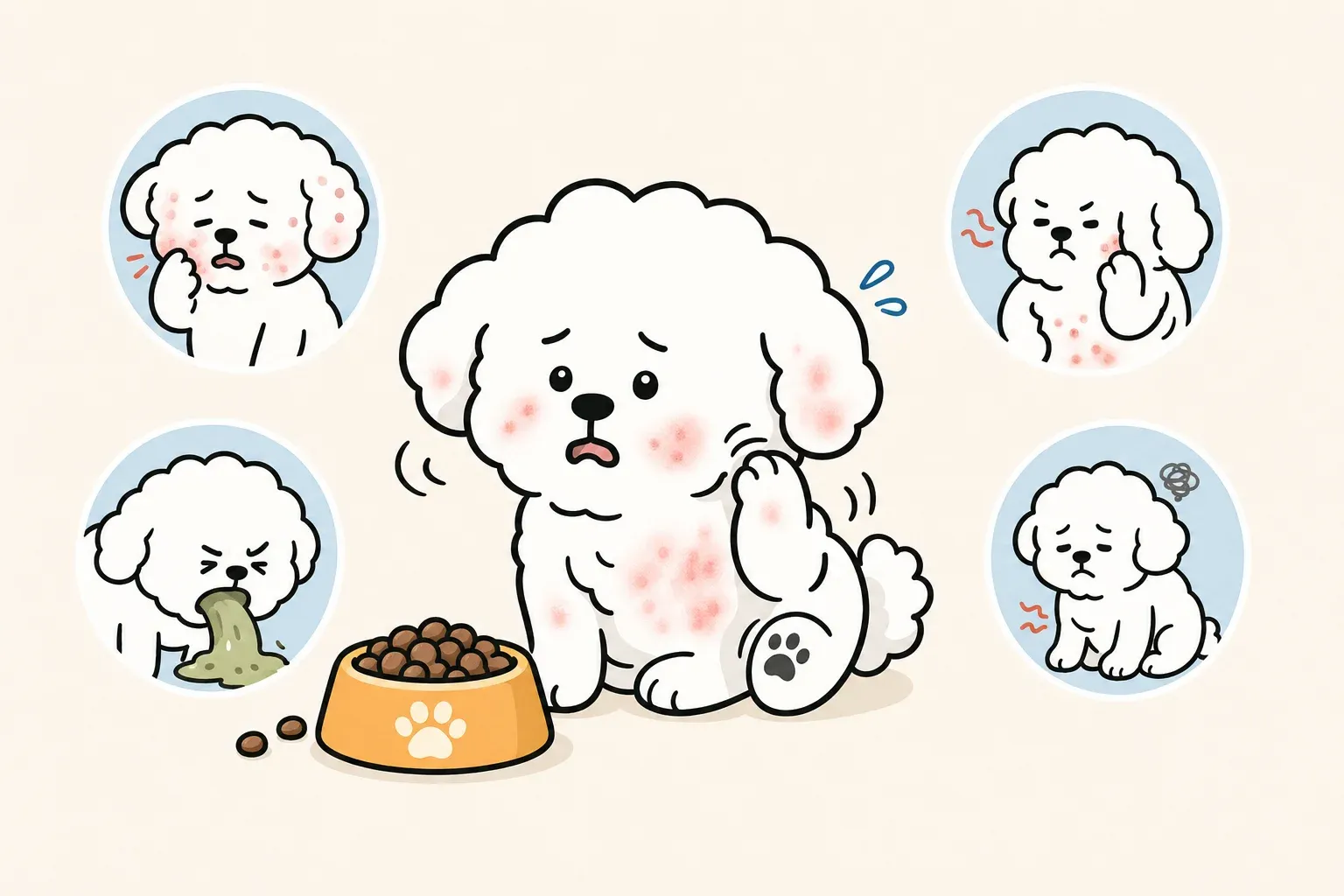
Dog Food Allergy Elimination Diet: Complete 8-Week Protocol
Dog food allergy elimination diet: science-backed 8-week protocol, allergen rankings, rechallenge steps, and multi-dog household management for pet owners.

7 Science-Backed Benefits of Probiotics for Dogs
Science-backed benefits of probiotics for dogs, weight-based dosage chart, natural food sources, and supplement selection criteria — all in one guide.