 Cirius Petpedia
 Senior Dog Daily Routine: Morning-to-Bedtime Care Schedule
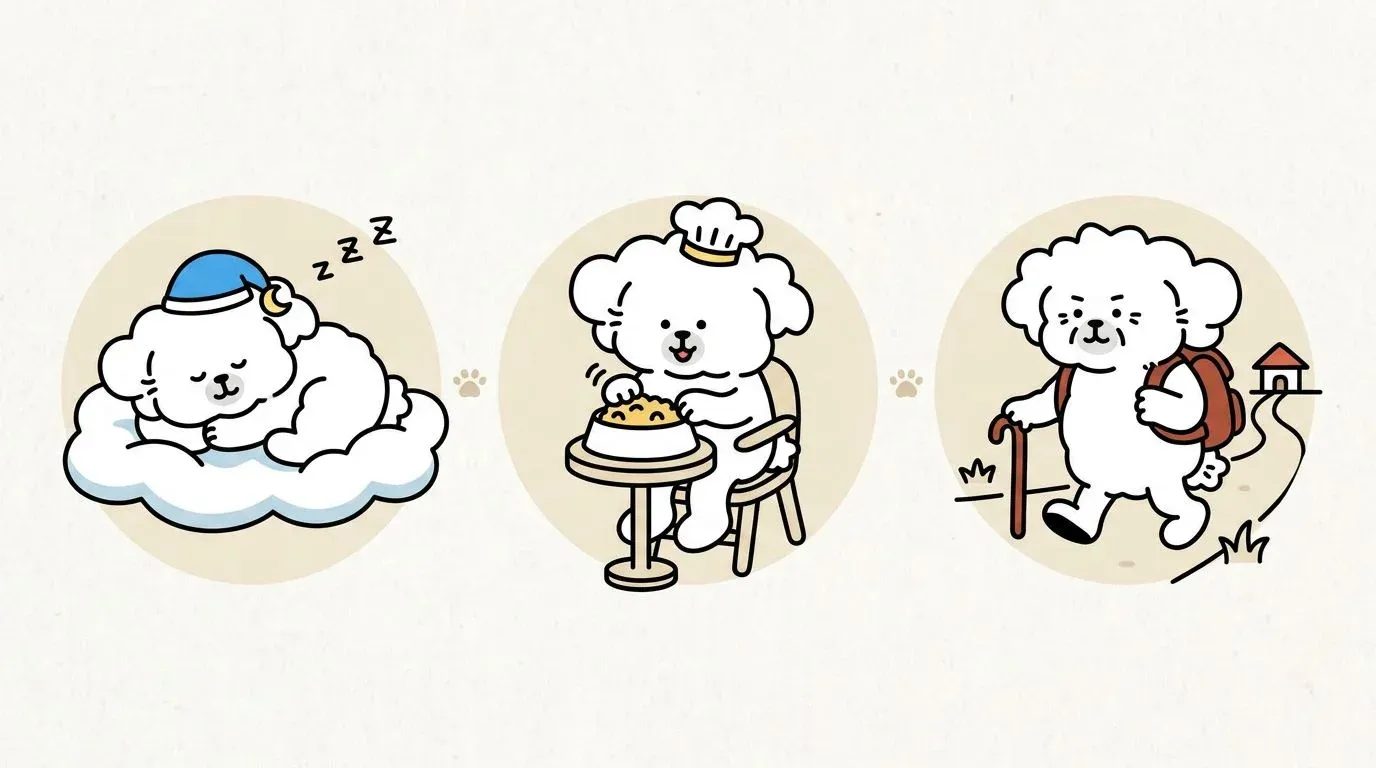
Your dog has slowed down. The stairs take a little longer now. They rise from their bed more carefully, sometimes pausing to let a stiff hip settle before taking that first step. You’ve noticed it, and it’s brought up questions you didn’t expect to be thinking about yet.
This is a guide for that moment — not a list of clinical warnings, but a practical, time-mapped daily routine that helps aging dogs feel more comfortable, stay mentally engaged, and move through each day with less pain. It’s built around what the evidence actually supports, from the American Animal Hospital Association (AAHA) Senior Care Guidelines to current research on canine cognitive function and joint physiology.
No single article will replace your veterinarian, but a well-structured daily routine is one of the most impactful things you can do for a senior dog — and it starts before breakfast.
When Is a Dog Considered Senior?
The word “senior” gets used loosely, but the underlying biology is size-dependent. Larger breeds age faster at the cellular level, which is why a seven-year-old Great Dane is a geriatric patient while a seven-year-old Chihuahua is only entering middle age.
Age Thresholds by Size (Small, Medium, Large, and Giant Breeds)
The AAHA life stage guidelines use the following approximate thresholds:
| Size Category | Weight Range | Approximate Senior Age | Example Breeds |
|---|---|---|---|
| Small | Under 20 lbs | 10–12 years | Chihuahua, Dachshund |
| Medium | 20–50 lbs | 8–10 years | Beagle, Cocker Spaniel |
| Large | 50–90 lbs | 6–8 years | Labrador Retriever, Golden Retriever |
| Giant | Over 90 lbs | 5–6 years | Great Dane, Bernese Mountain Dog |
These thresholds guide when to start biannual veterinary exams rather than annual ones — a significant shift that allows earlier detection of kidney disease, cardiac changes, and metabolic conditions.
Early Signs of Aging to Watch For
Physical aging rarely announces itself with a single obvious symptom. More often, it accumulates in small behavioral shifts over months:
- Slower to rise after sleeping, especially on cold mornings
- Hesitating at stairs or before jumping into the car
- Shorter attention span during walks or play
- Increased sleep beyond the already-elevated baseline for adult dogs
- Changes in appetite or thirst (either direction)
- Mild clouding of the eyes (nuclear sclerosis, distinct from cataracts)
- New lumps under the skin that weren’t present before
If two or more of these are present, a veterinary wellness exam is the right next step — not because something is necessarily wrong, but because baseline bloodwork taken now becomes invaluable for comparison a year later.
Why a Consistent Daily Routine Matters for Senior Dogs
You may have heard that dogs thrive on routine. For senior dogs, this isn’t just about comfort — it has measurable neurological and physiological effects.
Routine Reduces Anxiety and Cognitive Decline
Canine cognitive dysfunction (CCD) — the dog equivalent of dementia — affects an estimated 28% of dogs aged 11–12 and up to 68% of dogs over 15, according to research published in the Journal of Veterinary Internal Medicine. One of its hallmarks is disorientation and anxiety, both of which are worsened by unpredictable environments and improved by structure.
When a senior dog knows that a walk happens after breakfast, a nap follows midday play, and dinner precedes joint massage, the prefrontal demands on an aging brain are reduced. The dog does not need to figure out what comes next. This predictability functions as a non-pharmaceutical support for cognitive health — not a cure, but a meaningful buffer against the anxiety that CCD produces.
Predictability Supports Aging Bodies
From a physical standpoint, regular movement prevents the cycle of stiffness that builds when joints are rested too long. Synovial fluid (the lubricant inside joints) is distributed through movement — dogs who lie still for hours experience more pronounced stiffness when they do get up, which in turn makes them reluctant to move, which worsens the stiffness further.
A predictable schedule breaks this cycle by building gentle, low-impact movement into defined windows throughout the day.
Morning Routine: Wake-Up to Late Morning
The first thirty minutes of a senior dog’s morning set the tone for the rest of the day. Don’t rush it.
Gentle Wake-Up and Condition Check (Stiffness, Appetite, Eyes, Gait)
Before heading to the door, spend two or three minutes observing your dog as they rise. This daily condition check takes almost no time and builds a reliable baseline picture of how your dog feels.
What to observe:
- Stiffness upon rising — Does your dog shake out a limb, walk stiffly for the first few steps, or hold a leg up briefly? Morning stiffness that resolves within five minutes is common in arthritic dogs. Stiffness that persists or worsens warrants a call to your vet.
- Eyes — Clear, bright eyes suggest normal overnight comfort. Squinting, excessive discharge, or redness may indicate eye pain or systemic illness.
- Appetite engagement — A senior dog who ignores their food bowl may be nauseous, in pain, or experiencing the early stages of a metabolic change.
- Gait — Watch for toe-touching lameness, an arched back, or a widened stance. These can be early indicators of disc disease, hip dysplasia, or worsening arthritis. For a more detailed guide on reading pain signals in dogs, a behavioral breakdown of what to look for is available.
If you notice something new or worsening, note it in a health log (a notes app works fine) before the observation fades. Vets find owner-reported timelines extremely useful.
Morning Potty Walk (10–15 Minutes on a Flat Route)
For most senior dogs, morning walks should be short, flat, and unhurried. A 10–15 minute walk on familiar terrain achieves the primary objectives: elimination, sensory stimulation, and gentle joint mobilization.
Practical tips for the morning walk:
- If your dog lives with hardwood or tile floors, do 2–3 minutes of slow indoor walking before going outside. This allows the joints to warm up before encountering the cold or resistance of outdoor terrain.
- Keep the route predictable. Novel environments require cognitive processing; familiar routes let your dog engage their nose without expending navigation effort.
- In cold weather (below 45°F), consider a dog coat for shorthaired or lean breeds like Greyhounds or Vizslas. Cold ambient temperatures accelerate joint stiffness.
- Let your dog sniff freely. Olfactory exploration is mentally tiring in the best possible way for senior dogs.
Breakfast and Supplements
Feed breakfast after returning from the walk, not before — this reduces the risk of exercise-associated nausea and aligns with the natural pattern of dogs eating after activity.
A senior-formulated diet (confirmed with your vet based on bloodwork) is typically lower in caloric density and higher in digestible protein than adult maintenance food. Raised food and water bowls reduce neck and shoulder strain in dogs over 40 pounds, particularly those with cervical arthritis.
Morning supplement timing: Fat-soluble supplements like omega-3 fatty acids (EPA/DHA) are best absorbed with a meal. If your dog takes glucosamine/chondroitin, the morning meal is a natural administration point.
After breakfast, allow at least 30 minutes of rest before any further activity. Senior dogs digest more slowly, and premature movement after eating can cause discomfort in dogs prone to gastric issues.
Midday Routine: Mental Stimulation and Rest
For working adults with senior dogs at home, the midday window is often the most difficult to fill — but even a short enrichment session can make a measurable difference in a senior dog’s cognitive health.
Short Enrichment Session (Nose Work, Puzzle Toys — 5–10 Minutes)
Research on working dogs and companion animals consistently shows that olfactory work (nose work, scent detection games) engages the brain more deeply than physical exercise of equivalent duration. For senior dogs with limited mobility, this makes nose work an ideal enrichment activity.
Simple nose work you can do at home:
- Muffin tin game: Place a small treat under two or three of twelve cups, shuffle, and let your dog find them.
- Scatter feeding: Toss a portion of kibble across a snuffle mat or low-pile carpet and let your dog forage for it.
- Container search: Hide a treat in one of three cups, shuffle, and let your dog indicate which cup.
Keep sessions to 5–10 minutes. Cognitive fatigue is real in aging dogs, and overstimulation can lead to frustration or anxiety. Stop on a success, not a failure.
Puzzle toy difficulty should match your dog’s current ability. If your dog used to excel at Level 3 puzzles but now gets frustrated, step back to Level 1–2. Maintaining engagement matters more than maintaining challenge level.
For a deeper look at canine cognitive dysfunction symptoms and management, including the DISHAAL assessment framework, the dedicated guide covers diagnosis and home support strategies.
Hydration Check and Light Snack
Senior dogs are more prone to dehydration than younger dogs, partly because kidney function declines with age and partly because thirst sensation becomes less acute. Check the water bowl at midday to confirm it’s clean and accessible. Some dogs prefer running water (a pet fountain) or water at room temperature rather than cold.
A small midday snack — a few pieces of kibble, a slice of apple, or a training treat — provides a blood glucose boost and creates a positive midday interaction without disrupting meal timing.
Undisturbed Nap Time
Senior dogs sleep 14–18 hours per day, compared to 12–14 hours for adult dogs. This is normal and necessary. The quality of sleep matters as much as quantity: fragmented sleep caused by household noise, being repeatedly disturbed, or an uncomfortable sleeping surface leaves senior dogs irritable and cognitively slower.
Protecting nap quality:
- Designate a nap area that is low-traffic during your dog’s typical rest window (usually late morning to early afternoon).
- If children or other pets are in the home, teach them that disturbing a sleeping senior dog is not acceptable. A startled senior with joint pain may snap reflexively — not aggression, but a pain response.
- Orthopedic bedding in the nap area (separate from the nighttime bed is fine) reduces pressure on hips and elbows during extended rest.
Evening Routine: Joint Care and Winding Down
The evening hours are when the day’s physical toll accumulates in a senior dog’s joints. This is the window to invest in active recovery — not vigorous exercise, but targeted care that supports circulation, reduces stiffness, and sets up your dog for comfortable overnight rest.
Second Walk (10–15 Minutes, Adjusted for Weather)
An evening walk provides the second daily movement window and a final elimination opportunity before a long overnight rest. Keep the same principles as the morning walk: flat route, unhurried pace, freedom to sniff.
Seasonal adjustments matter most here:
- Summer: In temperatures above 80°F, schedule the evening walk after 7 PM when pavement temperatures drop. Senior dogs are more susceptible to heat stroke due to reduced cardiovascular efficiency — test pavement with your palm; if it’s uncomfortable for five seconds, it’s too hot for paws.
- Winter: Below 40°F, joint stiffness increases noticeably in dogs with arthritis. Indoor warm-up before stepping outside (gentle massage of hips and hindquarters, 2–3 minutes) can meaningfully reduce post-walk stiffness.
If weather makes an outdoor walk impractical, 10 minutes of indoor activity — slow leash walking through the house, gentle stair work if appropriate, or a short play session — maintains the movement window without weather exposure.
Dinner (Smaller Portions, Easy to Digest)
Evening meals for senior dogs work best when slightly smaller than breakfast, if your vet recommends two meals. As dogs age, digestive enzyme production declines and gastrointestinal motility slows — a smaller evening meal reduces the likelihood of overnight digestive discomfort.
Transition to a senior diet should be gradual (10 days minimum) to avoid gastrointestinal upset. For a detailed breakdown of senior dog nutritional needs and diet selection, including protein requirements, caloric density, and common deficiencies, the nutrition guide covers the full picture.
Joint Care Time: Massage, Range-of-Motion Exercises, and Home Therapy
This is the most distinctive feature of a senior dog daily routine — and the piece most absent from existing care guides. After dinner and a short rest, dedicating 10–15 minutes to active joint care is one of the highest-yield activities you can invest in.
Why dedicated joint care time:
Joint inflammation follows a circadian pattern; inflammatory cytokine (signaling protein) levels tend to peak in the late afternoon and evening in mammals. This makes the post-dinner window particularly valuable for anti-inflammatory care.
What joint care time includes:
1. Gentle massage (5–7 minutes) Using flat hands and moderate pressure, work from the neck toward the hindquarters. Focus on the large muscle groups around the hips, shoulders, and lower back — areas that work hardest during the day’s walks. Avoid pressing directly on bony prominences or any area your dog reacts to with muscle tensing or turning to look.
2. Passive range-of-motion (ROM) exercises (3–5 minutes) With your dog lying on a comfortable surface, gently flex and extend each limb through its natural range — not forcing past resistance, but encouraging full movement. Each limb: 5–8 repetitions, slow and controlled. Passive ROM exercises are a standard component of canine physical rehabilitation and have been shown to maintain joint cartilage health and reduce scar tissue formation around arthritic joints.
3. Warm compress application (optional, 5 minutes) A warm (not hot) damp towel or a microwavable heat pack wrapped in a cloth applied to stiff joints for 5 minutes before massage increases local blood flow and reduces the tissue resistance that makes massage uncomfortable. This is particularly useful in winter months or on high-stiffness days.
4. Home near-infrared (NIR) therapy (if applicable) Near-infrared light therapy — also called photobiomodulation (PBM) — is increasingly used at home for senior dog joint support. Photons at wavelengths of 800–1,000 nm penetrate soft tissue and stimulate mitochondrial activity, reducing local inflammation and supporting cellular repair. For dogs with chronic arthritis or post-surgical rehab needs, NIR therapy sessions of 3–8 minutes per joint area represent an emerging home care tool. NIR therapy for dogs: how it works and how to use it safely at home provides a science-based overview of protocols and safety considerations.
For a broader view of joint management strategies — exercise protocols, pharmaceutical options, and rehabilitation modalities — the senior dog joint care guide covers the full clinical picture alongside the daily home care practices introduced here.
Dental Care and Bedtime Setup
Dental disease affects over 80% of dogs by age three, and senior dogs with untreated periodontal disease carry chronic low-grade infection loads that affect kidney and cardiac function. Evening is the ideal time for dental care because it follows the last meal and comes before overnight hours when bacteria accumulate.
A 30–60 second brushing with canine-specific toothpaste (never human toothpaste — xylitol is toxic to dogs) is more effective than dental chews alone. If your dog resists brushing, enzymatic dental gels or water additives are partial alternatives — discuss options with your vet.
Bedtime setup:
- Orthopedic bed: Memory foam or high-density supportive foam, minimum 4 inches thick, with low entry height (no need to jump). Choosing the right sleeping surface for joint health covers the relationship between sleep posture and joint pressure in depth.
- Room temperature: 65–75°F. Temperatures below 60°F increase joint stiffness overnight; above 78°F disrupts sleep quality.
- Location: Near but not in high-traffic areas. Senior dogs with cognitive changes may seek human proximity more intensely — a bed in the bedroom, at floor level, is appropriate and often reduces overnight anxiety.
Weekly and Monthly Care Checklist
Daily routines handle the moment-to-moment. These lower-frequency tasks handle the accumulating concerns that slip through without a schedule.
2–3x per Week: Teeth Brushing and Ear Check
Brushing three times per week provides meaningful plaque control even if daily brushing isn’t feasible. At each session, spend 20 seconds examining the ear canals: a healthy ear is light pink, odor-free, and dry. Dark discharge, odor, or your dog shaking their head are reasons to contact your vet — senior dogs, particularly floppy-eared breeds like Beagles and Golden Retrievers, are prone to chronic otitis (ear infection).
Every 2–3 Weeks: Bath and Skin Inspection
Senior dogs require less frequent bathing than younger dogs, but each bath is an opportunity for a full-body skin inspection. Run your hands firmly along the entire body surface and note:
- New lumps or bumps — not all are malignant, but any new growth should be logged with size and location and reported at the next vet visit
- Skin discoloration or hair loss patches — may indicate hormonal changes (hypothyroidism is common in middle-aged to senior dogs)
- Thickened or cracked paw pads — common in seniors; moisturizing with coconut oil or a vet-approved balm prevents cracking
- Nail length — overgrown nails alter gait and load distribution across the paw, which worsens joint pain
Every 6 Months: Veterinary Wellness Exam
The AAHA Senior Care Guidelines are clear on this: once a dog enters their senior life stage, wellness exams should occur every six months rather than annually. The reasoning is straightforward — a condition that is manageable when caught at month two may require significantly more intervention if found at month fourteen.
A standard senior wellness exam includes:
- Physical examination (lymph nodes, heart, lungs, abdomen, eyes, ears, teeth)
- Complete blood count (CBC) and chemistry panel
- Urinalysis
- Thyroid panel (T4) — hypothyroidism is easily treated when caught early
- Blood pressure measurement (hypertension is underdiagnosed in senior dogs)
- Fecal parasite screen
- Discussion of any behavioral changes since last visit
Bring your health log and any photos or short videos of concerning behaviors. Veterinarians cannot replicate what they cannot observe in the clinic.
Setting Up a Senior-Friendly Home
A house designed for younger, agile dogs becomes a series of obstacles for an aging one. These modifications are low-cost and high-impact.
Non-Slip Surfaces and Clear Pathways
Hardwood and tile floors are the single most common cause of fall-related injuries in senior dogs. Dogs compensate for slippery surfaces by holding muscles at constant tension, which accelerates joint fatigue and can trigger muscle spasms.
Practical solutions:
- Interlocking foam mats (puzzle mats) along frequently traveled paths
- Rubber-backed area rugs in high-use rooms
- Toe grips (rubber nail caps) for dogs who continue to slip despite rugs
- Keep pathways clear of bags, shoes, and furniture repositioning — senior dogs with CCD navigate by memory and become disoriented when furniture moves
Orthopedic Bedding and Temperature Control
A proper orthopedic bed does more than provide comfort — it distributes pressure away from bony prominences (elbows, hips, sternum) that develop pressure sores in dogs who sleep many hours. Look for:
- High-density foam (not just memory foam alone, which collapses under larger dogs)
- Removable, washable cover
- Entry height under 4 inches
US homes with HVAC systems have the advantage of fine-grained temperature control. Maintain the dog’s primary sleeping area at 65–75°F year-round. In drafty rooms, a small space heater or a heated mat (set to low) can supplement.
Raised Food and Water Bowls
For dogs over 40 pounds, raised bowls reduce cervical (neck) flexion during eating and drinking. In dogs with cervical arthritis or forelimb joint pain, this reduction in flexion translates to a more comfortable meal. The ideal height positions the bowl at approximately the height of your dog’s lower chest — low enough to not cause upward neck extension, high enough to eliminate downward reach.
Note: raised bowls in giant breeds and dogs with prior bloat episodes require veterinary discussion first, as there is historical debate about bloat risk (more recent evidence is less conclusive, but individual risk matters).
Adjusting the Routine by Season
The basic morning-to-bedtime framework stays consistent, but seasonal conditions require specific modifications to keep senior dogs comfortable and safe.
Summer: Shift Walks to Early Morning and Late Evening
Dogs cool primarily through panting, which is less efficient than human sweating. Senior dogs with reduced cardiac reserve are at meaningfully elevated heat stroke risk in summer.
Key adjustments:
- Move morning walk to before 8 AM and evening walk to after 7 PM — pavement temperatures during midday peak (11 AM–5 PM) can exceed 140°F in direct sun
- Shorten walk duration by 30% on days above 85°F
- Provide shade access in the yard and never leave a senior dog in a parked vehicle
- Watch for heat exhaustion signs: excessive panting, drooling, bright red gums, ataxia (stumbling). This is a veterinary emergency
- Increase water availability — add a second bowl in a different room
- Keep indoor temperatures at 72–77°F (22–25°C), the recommended range for senior dogs. For breed-specific AC settings, humidity targets, and a home-alone cooling checklist, see the dog summer indoor cooling guide
Winter: Warm-Up Joints Before Going Outside
Cold temperatures contract muscle tissue and reduce synovial fluid viscosity, making joints feel stiffer. For arthritic senior dogs, a cold morning walk without preparation is the equivalent of asking a person with arthritis to run without warming up.
Key adjustments:
- 3–5 minutes of indoor massage focusing on hindquarters and shoulders before any outdoor excursion in temperatures below 40°F
- Dog coats for shorthaired breeds, thin dogs, or any senior who begins shivering quickly
- Consider booties if walking on salted pavement — salt is an irritant and can cause paw pad cracking
- Keep the indoor environment warm and draft-free, especially the sleeping area
- Warm compress application before the evening walk (5 minutes on hips) reduces the discomfort of cold-weather joint stiffness
A Note for Caregivers: You Matter Too
Caring for a senior dog is a quiet, daily commitment that doesn’t get much external recognition. The walks happen in rain and cold. The joint massage happens after a long day when you’d rather sit down. The middle-of-the-night potty trips happen. And behind all of it is the particular kind of grief that comes from watching an animal you love grow slower and less certain.
Caregiver fatigue in pet owners is real and documented. A 2020 survey of pet owners caring for animals with serious illness found elevated rates of anxiety, sleep disruption, and anticipatory grief — the grief that begins before loss, just from watching it approach.
This doesn’t mean you are doing it wrong. It means you are doing something hard.
Practical supports that help:
- Veterinary communication: Be direct about your concerns and your bandwidth. Vets who specialize in senior care or palliative care can help calibrate what is medically necessary versus what is going above and beyond.
- Online communities: Subreddits like r/DogCare and Facebook groups for senior dog owners provide peer support from people navigating the same season.
- Accepting help: If a family member or dog-sitter can take one walk per week, let them. Continuity of care doesn’t require that every act of care comes from you.
- Realistic standards: Your dog does not need a perfect routine every day. They need a good-enough routine consistently. The difference between a 12-minute walk and a 15-minute walk matters far less than whether the walk happens at all.
You chose to pay attention to your senior dog’s comfort. That choice, repeated daily, is the whole thing.
Daily and Weekly Routine Summary
| Time of Day | Activity | Duration |
|---|---|---|
| Morning (7–9 AM) | Condition check + gentle wake-up | 2–3 min |
| Morning | Warm-up + potty walk | 10–15 min |
| Morning | Breakfast + supplements | — |
| Morning (post-meal) | Rest period | 30 min |
| Midday (11 AM–1 PM) | Enrichment session (nose work, puzzle) | 5–10 min |
| Midday | Hydration check + light snack | — |
| Midday | Nap (undisturbed) | 2–3 hrs |
| Evening (5–7 PM) | Second potty walk | 10–15 min |
| Evening | Dinner | — |
| Evening (post-meal) | Rest | 30 min |
| Evening | Joint care: massage + ROM + therapy | 10–15 min |
| Bedtime | Dental care + bedtime setup | 5 min |
Weekly additions:
- 2–3x/week: Ear check + teeth brushing
- Every 2–3 weeks: Bath + full skin and nail inspection
- Every 6 months: Veterinary wellness exam
The routine above isn’t meant to be rigid. It’s meant to be a starting scaffold — something you adapt to your dog’s current energy, health, and personality. A Beagle with moderate hip dysplasia and a Golden Retriever recovering from a cruciate repair will need different versions of this framework. Your vet and, in some cases, a veterinary rehabilitation specialist can help you dial in the specifics.
What matters most is that the framework exists. Senior dogs do better with structure. And so, often, do the people who love them.
References
FAQ
When is a dog considered senior?
How much exercise does a senior dog need daily?
Is it normal for my senior dog to sleep all day?
What supplements should I give my senior dog?
How can I help my senior dog with stiff joints at home?
What are the early signs of canine cognitive dysfunction?
How often should a senior dog see the vet?
Should I switch to senior dog food, and when?
How do I know if my senior dog is in pain?
What is the best sleeping arrangement for a senior dog?
Related Articles
Senior Dog Joint Care Guide
A comprehensive guide to maintaining joint health and managing pain in aging dogs.
Senior Dog Nutrition: An Age-Appropriate Feeding Guide
Senior dog nutrition guide: age-stage feeding changes, food transition protocols, condition-specific diet adjustments, and supplement criteria.
Does Your Senior Dog Have Dementia? A Veterinary Guide to Canine Cognitive Dysfunction
Learn the 7 DISHAAL domains to assess dog dementia symptoms at home, understand evidence-based treatment options, and know when to call your vet.