 Cirius Petpedia
 Senior Dog Joint Care Guide
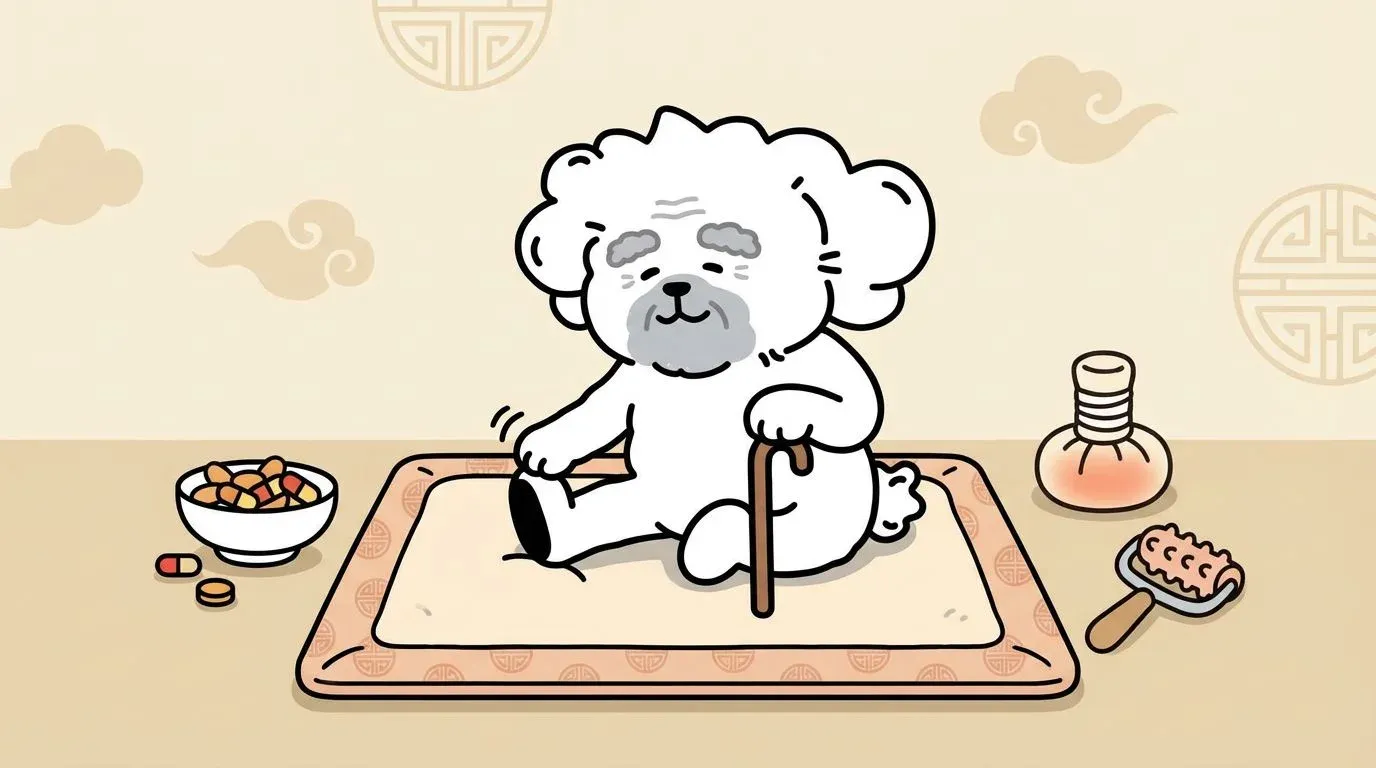
Defining “Senior” in Dogs
Unlike humans, dogs do not age on a single universal timeline. When a dog crosses into senior status depends significantly on size and breed. The underlying reason is that larger body mass correlates with accelerated cellular aging and faster accumulation of age-related tissue changes.
As a general framework:
- Small breeds (under 10 kg): senior from approximately 10 to 12 years
- Medium breeds (10 to 25 kg): senior from approximately 8 to 10 years
- Large breeds (25 to 40 kg): senior from approximately 7 to 8 years
- Giant breeds (over 40 kg): senior from approximately 5 to 6 years
These are starting points, not absolutes. Individual variation is substantial. A 9-year-old Border Collie with no health issues and excellent muscle condition may function more like a middle-aged dog, while a 7-year-old Labrador with a history of hip dysplasia and obesity may already have the joint health of a much older animal.
What matters practically is not the number on the calendar but the physiological changes beginning to accumulate — and joint health is where those changes become most visible.
Age-Related Joint Changes
Understanding what happens to joints as dogs age explains why the senior years require a different approach to exercise, nutrition, and care.
Cartilage degradation: Articular cartilage — the smooth layer covering joint surfaces — has almost no ability to regenerate once damaged. With age, the chondrocytes (cartilage-producing cells) become less active. The cartilage matrix gradually thins, losing the water-retention capacity that gives it resilience. The joint surface roughens, creating friction where there was once smooth gliding.
Synovial fluid changes: The viscous fluid that lubricates joints and carries nutrients to cartilage becomes less thick and abundant with age. Without adequate lubrication, joints move less smoothly and generate more friction heat and wear with each stride.
Ligament and tendon stiffness: The connective tissues stabilizing joints lose elasticity and become stiffer. This reduces the joint’s ability to absorb sudden forces and increases the risk of sprains and partial tears from activities that a younger dog would handle without issue.
Muscle atrophy: Age-related sarcopenia — the gradual loss of muscle mass — reduces the dynamic support that muscles provide to joints. With less muscular support, joints bear more of the mechanical load directly, accelerating wear on cartilage and other passive stabilizing structures.
Bone remodeling: The body responds to cartilage degradation by depositing new bone at joint margins — the osteophytes (bone spurs) characteristic of osteoarthritis. These spurs limit joint range of motion and can press on surrounding soft tissue, causing additional pain.
The sum of these changes means that most dogs, if they live long enough, will develop some degree of osteoarthritis. The goal of senior joint care is to slow this progression, manage its symptoms, and preserve quality of life as fully and as long as possible.
Joint Health Checkpoints by Life Stage
Early Senior Years (First Year or Two After Crossing the Senior Threshold)
This is the window when proactive intervention has the greatest impact. Joint changes are beginning but often have not yet caused noticeable symptoms. A baseline orthopedic examination — including assessment of range of motion in all major joints, muscle symmetry, and gait analysis — provides a reference point for future comparisons.
Radiographs taken at this stage document the starting degree of joint change. If arthritis is already visible on X-ray without clinical symptoms, the dog is at higher risk of rapid progression and warrants closer monitoring and earlier intervention with joint-supportive therapies.
Blood panels establish organ function baselines relevant to long-term medication decisions: kidney values, liver enzymes, and complete blood counts allow the veterinarian to monitor for medication-related changes in subsequent years.
Mid-Senior Years
By this stage, most dogs show at least subtle orthopedic changes. The monitoring frequency should increase to every four to six months. Each visit should include an updated gait assessment, weight measurement, and review of daily activity level.
This is often when pharmaceutical management begins — whether NSAIDs for pain and inflammation, injectable joint-modifying agents, or newer targeted therapies. Physical rehabilitation, if not already started, becomes particularly valuable for maintaining muscle mass and joint flexibility.
Advanced Senior Years
Dogs in the final senior stage typically have multiple concurrent joint issues and may have reduced organ reserve that limits medication options. At this stage, non-pharmacological approaches — physical therapy, near-infrared therapy, hydrotherapy, acupuncture — play an increasingly central role. Quality of life assessments become part of each veterinary visit.
Nutrition for Senior Joint Health
What a senior dog eats directly influences joint inflammation and cartilage health. Nutrition is one of the most accessible and consistently impactful levers available to owners.
Weight Management
Maintaining ideal body condition is the single most important nutritional goal for a senior dog’s joints. Even modest overweight — a body condition score of 6 out of 9 rather than the ideal 4 to 5 — meaningfully increases joint loading and pro-inflammatory adipokine production. A dog 15 percent over ideal weight may be bearing 50 percent more stress on its knee joints than at ideal weight.
Senior-formulated diets are typically lower in calories than adult maintenance diets, reflecting the reduced metabolic rate and lower activity levels common in older dogs. Calorie counting and consistent weight monitoring (monthly weigh-ins) are the most reliable tools for maintaining appropriate body condition.
Joint-Supportive Nutrients
Glucosamine and chondroitin: These glycosaminoglycans are structural components of cartilage. Dietary supplementation provides substrate for cartilage maintenance and has mild anti-inflammatory effects. Many senior dog foods include them, but therapeutic doses often require additional supplementation. Look for glucosamine doses in the range of 20 to 25 mg per kilogram of body weight daily.
Omega-3 fatty acids: EPA (eicosapentaenoic acid) and DHA (docosahexaenoic acid) from marine sources are the most bioavailable and potent anti-inflammatory fatty acids for dogs. They compete with arachidonic acid in the prostaglandin synthesis pathways, reducing the production of pro-inflammatory compounds. Fish oil supplementation at veterinarian-recommended doses provides measurable benefit for joint inflammation. For weight-based EPA+DHA dosing guidelines and how to choose a quality fish oil for senior dogs, see the omega-3 for dogs joint health guide.
MSM (methylsulfonylmethane): An organic sulfur compound that supports collagen synthesis and has antioxidant and anti-inflammatory properties. Frequently combined with glucosamine and chondroitin in joint supplement formulations.
Vitamin E and selenium: Antioxidant nutrients that reduce oxidative damage in joint tissue. Both are often included in senior dog food formulations.
Protein quality: Maintaining lean muscle mass in senior dogs requires adequate high-quality protein — contrary to the outdated advice to reduce protein in older dogs. Unless there is concurrent kidney disease with protein-restriction recommendations from a veterinarian, senior dogs benefit from higher-quality protein sources, not lower ones.
Exercise Management for Senior Dogs
The goal of exercise for a senior dog with joint concerns is to provide enough movement to maintain muscle mass, joint fluid circulation, and cardiovascular fitness — while avoiding the impact forces and intensities that accelerate joint damage.
Frequency over duration: Two or three shorter walks distribute the daily movement requirement across the day without accumulating fatigue or joint stress in a single long outing. A dog that can comfortably walk 30 minutes at once will often do better with three 10-minute walks than one 30-minute session.
Flat, soft terrain: Grass and packed earth absorb impact better than concrete and asphalt. Hills place greater demand on hip and knee joints. Flat terrain is preferred, particularly for dogs with documented hip or stifle (knee) disease.
Pacing: Allow the dog to set the pace. A dog that slows, sits, or begins to limp is signaling that the current activity level exceeds its comfortable tolerance. Forcing continuation risks exacerbating joint inflammation and causing setbacks.
Hydrotherapy: Underwater treadmill therapy and swimming provide full-body exercise while eliminating the ground reaction forces that stress joints. If accessible, hydrotherapy is the gold standard for maintaining fitness in dogs with moderate to severe joint disease.
Warm-up and cool-down: Beginning walks with a slow pace for the first several minutes allows joint fluid to distribute and muscles to warm before greater demands are placed on them. Ending with a slow walk similarly helps prevent post-exercise stiffness.
Avoid high-impact activities: Fetch with sudden direction changes, jumping for frisbees or balls, rough play with other dogs, and repetitive stair climbing all place joint stress disproportionate to their fitness benefit in senior dogs.
Home Environment Modifications
The layout and surfaces of the home have a substantial cumulative impact on a senior dog’s joint health and daily comfort.
Non-slip flooring throughout: Hardwood, tile, and laminate floors cause senior dogs to slip and scramble, straining joints with each unstable step. Area rugs, yoga mats, or non-slip runners across the most-traveled routes significantly reduce this strain. Traction socks or booties provide additional grip for dogs that resist floor coverings. For a comprehensive comparison of floor types, friction coefficients, and the full range of traction solutions ranked by effectiveness and cost, see the guide to protecting dog joints on slippery floors.
Ramps and stairs: The jumping force of a dog landing from furniture or a car can easily be three to five times body weight — forces that healthy young joints absorb readily but that cause pain and accelerate damage in arthritic joints. Ramps to frequently used furniture, and vehicle ramps or steps for car access, eliminate this repeated impact. Dogs adapt to ramps quickly with positive reinforcement training.
Orthopedic bedding: Memory foam or high-density foam beds distribute body weight evenly, reducing pressure point discomfort at bony prominences (hips, shoulders, elbows). Beds with a single low step rather than a ledge to step over make access easier. Avoid beds in cold or drafty locations, as cold air worsens joint stiffness.
Elevated food and water bowls: Positioning bowls at shoulder height eliminates the need to lower the head and flex the neck and front leg joints while eating — a significant comfort improvement for dogs with cervical spondylosis or shoulder arthritis.
Accessible rest areas: Ensure the dog’s preferred rest spots are easy to reach without navigating stairs, thresholds, or other obstacles. Create a quiet, draft-free resting area on the ground floor if the dog normally sleeps upstairs. Changes in how and where your senior dog positions themselves during sleep are also early indicators of joint deterioration — sleeping position and joint health in dogs provides a practical observation framework alongside environment optimization guidance.
Temperature management: Arthritic dogs are more comfortable in warm, consistent temperatures. During cold months, a dog coat for outdoor walks and a warm sleeping surface make a meaningful difference. Heated orthopedic beds are available for dogs with severe cold sensitivity.
Physical Therapy and Rehabilitation
Canine rehabilitation therapy, delivered by certified veterinary rehabilitation practitioners, extends beyond exercise prescription to include hands-on manual therapy and therapeutic modalities.
Massage and myofascial release: Chronic joint pain causes compensatory muscle tension in areas surrounding and distant from the affected joint. A dog favoring a sore hip, for example, may develop significant secondary tension in the lower back and opposite hindlimb. Manual therapy releases these compensatory patterns, reduces muscle pain, and improves movement quality. Owners can learn and apply several of these techniques at home — see the dog joint massage guide for condition-specific protocols and breed-adapted pressure guidance.
Therapeutic exercise: Proprioceptive exercises on unstable surfaces (balance boards, cavaletti rails) rebuild neuromuscular coordination that is lost when dogs compensate for joint pain. Targeted strengthening exercises rebuild muscle mass around specific joints. For senior dogs with a history of patellar luxation, the luxating patella exercise program provides grade-matched movements that are safe to continue into the senior years with appropriate intensity adjustments.
Acupuncture: Veterinary acupuncture has a meaningful evidence base for chronic musculoskeletal pain management. It stimulates endogenous pain-relieving mechanisms and modulates inflammation without pharmaceutical side effects, making it a valuable complement to other therapies.
Hydrotherapy: Underwater treadmill and swimming sessions provide resistance exercise with minimal joint loading, enabling dogs to maintain or rebuild fitness levels that would be impossible to achieve on land.
Near-Infrared Therapy for Senior Dogs
Near-infrared (NIR) light therapy has become an increasingly important tool in senior dog joint care. Its mechanism — stimulating cellular energy production, improving microcirculation, and reducing inflammatory signaling — addresses several of the core processes driving age-related joint deterioration. Importantly, it accomplishes this without drug interactions or organ strain, making it suitable even for senior dogs with concurrent kidney or liver disease that limits medication options.
For senior dogs with osteoarthritis in multiple joints, a daily NIR therapy routine covering the major affected areas provides cumulative anti-inflammatory benefit across the entire musculoskeletal system. Sessions fit naturally into the dog’s rest periods and require minimal effort from the dog. Most dogs tolerate and appear to enjoy the gentle warmth of NIR sessions.
The practical value of home NIR therapy for senior dogs is that it allows consistent, daily support between veterinary visits. Rather than relying solely on once- or twice-monthly rehabilitation appointments, owners can maintain a daily therapeutic routine that addresses pain and inflammation continuously. For detailed guidance on how NIR therapy works and how to use it, see Near-Infrared Therapy for Dogs.
Importance of Regular Veterinary Checkups
Senior dogs benefit from veterinary examinations every four to six months rather than the annual schedule appropriate for younger adults. The rationale is straightforward: age-related conditions progress faster, new problems emerge more frequently, and treatment effectiveness needs more regular reassessment.
Each senior wellness visit should include:
- Body weight measurement and body condition scoring
- Orthopedic examination with gait analysis
- Neurological assessment for signs of spinal disease, including intervertebral disc disease (IVDD)
- Review of current medications and supplement efficacy
- Blood panel (complete blood count, comprehensive metabolic panel, urinalysis) to monitor organ function
- Oral examination: periodontal disease is one of the most prevalent and most under-addressed conditions in senior dogs. Chronic oral infection introduces bacteria into the bloodstream, placing cumulative burden on the heart, kidneys, and liver — organs already under increased strain in aging dogs. Dental assessment should be part of every senior wellness visit alongside joint and mobility evaluation.
- Discussion of any behavioral changes observed at home
Owners are often the first to notice subtle changes — the dog taking longer to rise, showing less interest in walks, licking at a particular joint, or sleeping in a different position. These observations are valuable clinical data. Keeping a simple log of daily observations between appointments makes these conversations more productive.
Early detection of worsening conditions — progression of arthritis grade, new joint involvement, muscle atrophy — allows treatment intensification before pain and disability become severe. Many of the most effective interventions for joint disease work best when started early.
For dogs with a history of specific structural joint problems, the senior years often represent when those conditions become clinically significant. Dogs that had patellar luxation earlier in life are at elevated risk for secondary arthritis in the affected knee. Dogs with prior hip dysplasia almost universally develop progressive osteoarthritis. A senior management plan for these dogs requires explicit attention to these known vulnerable areas.
Understanding the full spectrum of dog arthritis symptoms is essential for any owner of a senior dog. Joint deterioration is inevitable with age, but how rapidly it progresses, how well it is managed, and how much it impacts quality of life are substantially within the owner’s and veterinarian’s influence. Consistent proactive care through the senior years returns dividends in comfort, mobility, and time shared with a thriving companion.
For additional senior joint care resources: the spring dog joint care guide addresses safe activity resumption after low-activity periods — relevant for senior dogs in seasonal transitions. The dog obesity joint health article explains the dual mechanical and inflammatory pathways that make weight management the highest-return intervention for senior joints. For evidence-based supplementation decisions, see the dog joint supplement guide.
Senior dogs frequently present with more than one age-related condition simultaneously. Behavioral changes that resemble joint pain — nighttime restlessness, house-soiling, withdrawal from interaction — can also reflect canine cognitive dysfunction (CCD), a neurodegenerative condition distinct from pain. Understanding both conditions helps owners and veterinarians identify which signs require joint-focused management and which require cognitive support.
For senior dog owners planning air travel, the dog airplane travel guide includes a dedicated section on flying with arthritic dogs — covering carrier padding, mobility assessment before boarding, and post-flight stiffness management that extends the joint care principles in this guide.
For owners who want to translate joint care principles into a daily structure, the senior dog daily routine guide maps morning condition checks, walk timing, and evening massage and ROM exercises into a time-specific schedule — a practical companion to the joint management strategies covered here.
FAQ
When is a dog considered a senior?
How should I adjust walks for a senior dog?
Are stairs dangerous for senior dogs?
Related Articles
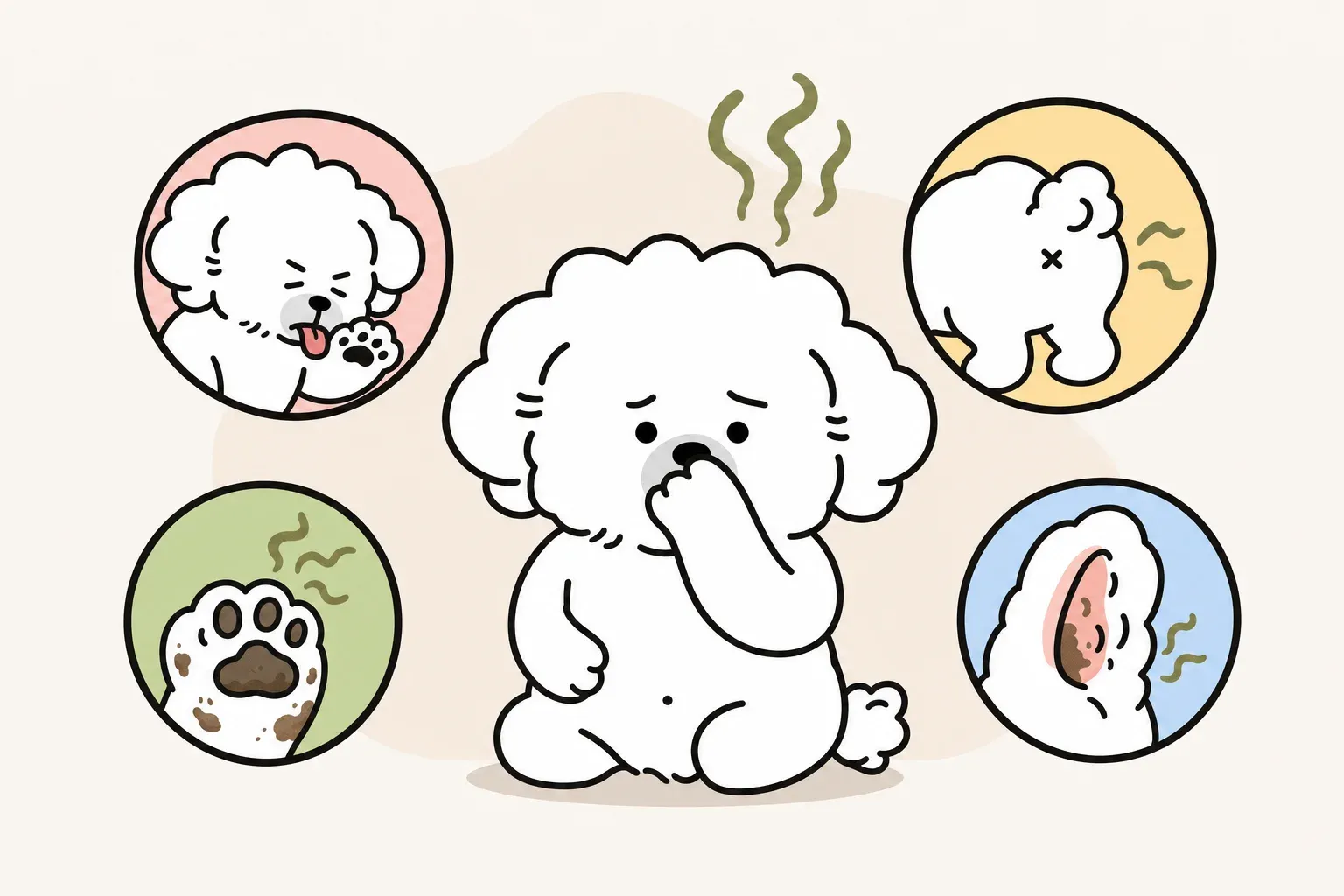
6 Reasons Your Dog Smells Bad and How to Fix Each One
Wondering why does my dog smell bad? Learn the 6 most common causes of dog body odor—from ears to anal glands—and get a practical fix for each one.

Dog Poop Color Chart: What Each Color Means and When to See a Vet
Complete dog poop color chart covering brown, black, red, yellow, grey, and green stool—plus consistency, mucus, and smell to pinpoint what's wrong.

How to Clean Dog Eye Discharge: Color Guide and Care
Dog eye discharge explained by color—clear, yellow, green, brown. Step-by-step cleaning guide, breed-specific tips, and when to see the vet.