 Cirius Petpedia
 Dog Swimming Safety: 7 Essential Rules for Every Environment
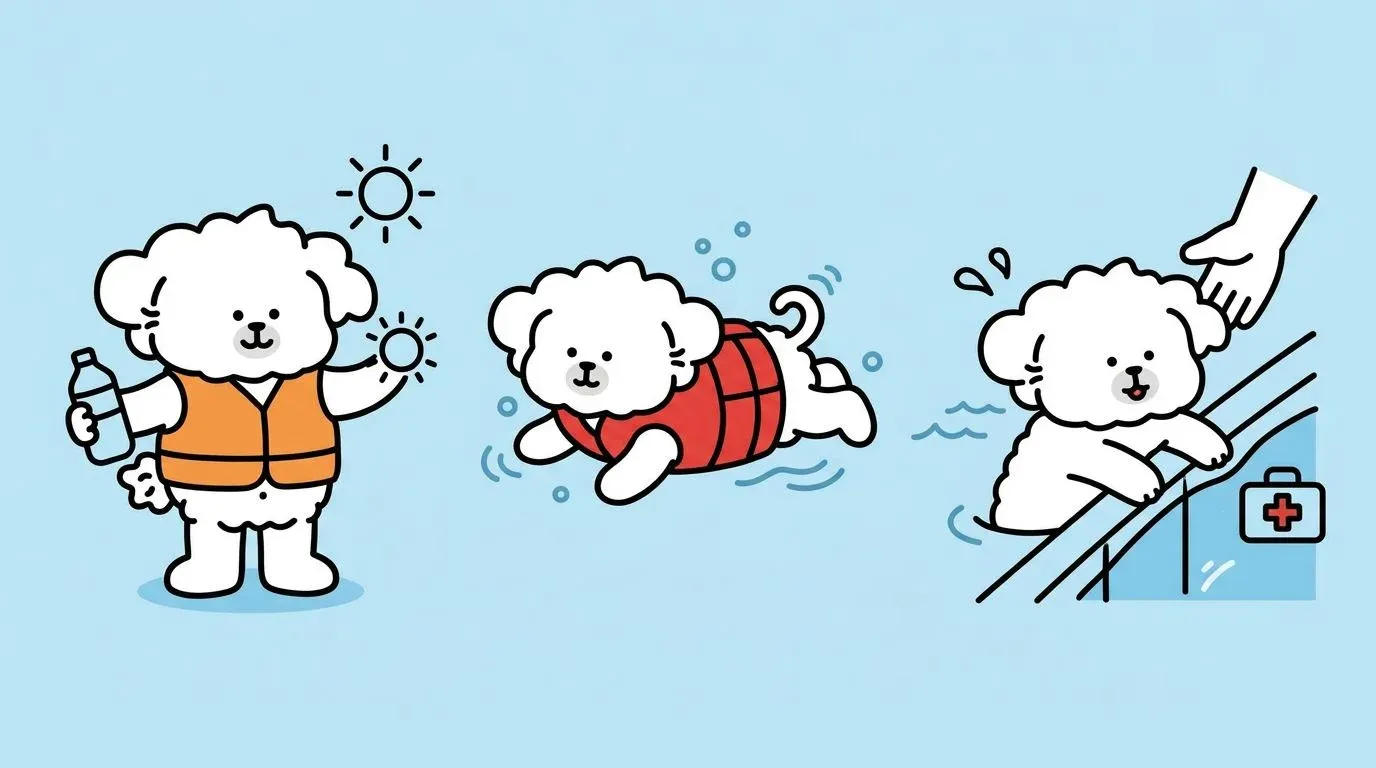
Summer calls, and bringing your dog to the pool, lake, or beach is one of the most rewarding ways to spend it together. But the gap between a safe swim and a serious emergency can close fast — in some cases, within minutes. Water intoxication can develop during a game of fetch. Blue-green algae toxins can act in under an hour. Dry drowning can occur hours after your dog leaves the water.
This dog swimming safety guide consolidates everything you need: breed-specific swim ability, step-by-step water introduction, environment-specific hazards, essential gear, hidden water dangers, and a post-swim care routine you can actually follow. If you’re planning any water activity this season, read this first.
Can All Dogs Swim? Breed Swimming Ability Guide
The short answer is no — and assuming otherwise is one of the most common mistakes dog owners make around water.
Natural Swimmers: Retrievers, Spaniels, Poodles
Certain breeds were developed specifically for water work, and their anatomy reflects it. Labrador Retrievers, Golden Retrievers, Chesapeake Bay Retrievers, Irish Water Spaniels, Portuguese Water Dogs, and Standard Poodles have webbed feet, dense water-resistant coats, and proportional body shapes that support efficient swimming.
For these breeds, water is often instinctive — many will wade in without any formal introduction. That said, instinct isn’t the same as skill or safety. Even natural swimmers should be supervised, introduced gradually to new environments, and never allowed to swim alone.
Breeds That Need Extra Caution: Brachycephalic, Short-Legged, Toy Breeds
Some breeds face genuine anatomical barriers to safe swimming. Understanding which category your dog falls into is essential before any water exposure.
Breed Swimming Ability Matrix
| Swim Ability | Breeds | Key Risk Factor |
|---|---|---|
| Natural swimmers | Labrador Retriever, Golden Retriever, Portuguese Water Dog, Irish Water Spaniel, Standard Poodle, Chesapeake Bay Retriever | Low — but supervision always required |
| Capable with training | Border Collie, Siberian Husky, German Shepherd, Australian Shepherd | Moderate — individual variation |
| Needs life jacket | Boxer, Shih Tzu, Chow Chow, Maltese, Havanese | Body proportions limit stamina |
| High risk — life jacket mandatory | English Bulldog, French Bulldog, Pug, Boston Terrier, Dachshund, Basset Hound, Bull Terrier | Airway anatomy or top-heavy build |
Brachycephalic breeds (short-nosed dogs like Bulldogs, Pugs, and French Bulldogs) have compressed airways that make it difficult to breathe while keeping the nose above water. They tire rapidly and can go under with little warning. Short-legged breeds like Dachshunds and Basset Hounds struggle to generate enough propulsion to stay buoyant. For both groups, a life jacket is not optional — it is required.
The American Kennel Club (AKC) strongly cautions that these breeds should never swim without direct supervision and appropriate flotation, regardless of how enthusiastic they appear.
When Can Puppies Start Swimming?
Puppies can be introduced to very shallow water as early as 8–10 weeks, but active swimming sessions should generally wait until 3–4 months of age, when coordination improves and their immune systems are more developed. Key considerations:
- Keep first sessions under 5 minutes in warm, calm water
- Support the puppy’s body weight throughout — they fatigue faster than they show
- Avoid natural water bodies until the puppy vaccine series is complete (leptospirosis, in particular, is waterborne)
- Never leave a puppy unsupervised near water for any length of time
Older puppies (5–12 months) can gradually increase session duration but should still be monitored for signs of exhaustion: slowing strokes, low body position in the water, and increased panting even while swimming.
How to Introduce Your Dog to Water Safely
Forcing a reluctant dog into water is one of the fastest ways to create a lasting fear response — and a dog that panics in water is a dog at risk. Proper introduction is always worth the time it takes.
Step-by-Step Water Introduction for Nervous Dogs
Step 1: Start on dry land near water. Bring your dog to the water’s edge without any pressure to enter. Allow sniffing, exploring, and retreating freely. Reward calm behavior with treats and calm praise.
Step 2: Let your dog set the pace. Most dogs will gradually move closer on their own if they feel no pressure. Follow their lead. A session where your dog stands ankle-deep voluntarily is more valuable than one where they’re carried in.
Step 3: Enter with them. Get in the water yourself (for pools or shallow areas) or wade in alongside. Dogs take strong cues from their owners. A confident, relaxed owner is reassuring.
Step 4: Introduce buoyancy support. Place a life jacket on your dog before their first swim, then support their abdomen with your hand as they begin to paddle. Most dogs find their rhythm quickly once they feel supported.
Step 5: Keep first sessions short. 5–10 minutes is enough for a first swim. End on a positive note — before your dog shows fatigue or anxiety.
Pre-Swim Warm-Up and Reading Your Dog’s Body Language
A brief 5-minute walk before swimming warms up muscles and helps your dog settle into an activity mindset. More importantly, watch for these stress signals before and during any water exposure:
Signs to stop immediately:
- Whale eye (showing whites of the eyes)
- Tucked tail
- Low, stiff body posture
- Panting before any exertion
- Attempting to climb out repeatedly
- Freezing or refusing to move forward
- Trembling
A dog showing these signals is not “being dramatic” — their nervous system is in a stress response. Pushing through these signals damages trust and increases the risk of a panic reaction in the water.
Swimming Safety by Environment
Each swimming environment carries distinct risks. What keeps your dog safe at the pool won’t fully protect them at a lake or the ocean.
Pool Safety: Chlorine, Exits, and Supervision
Backyard pools are among the most common sites of dog drowning — often because the dog falls in accidentally and cannot find an exit.
Key pool safety rules:
- Install a pool fence or alarm. Dogs should not have unsupervised access to any pool. Alarms that detect surface disturbance can alert you to an accidental fall-in.
- Teach your dog the steps. Every swimming dog should know exactly where the pool stairs are and how to use them. Practice entering and exiting repeatedly before any free swim session.
- Maintain ramp access. Pool ramps (specifically designed for dogs) are recommended for breeds that struggle with stairs, older dogs, and any dog that swims regularly. Fatigue-related drowning at pool edges is a real risk.
- Monitor chlorine levels. Properly maintained pools (1–3 ppm free chlorine) are generally safe for short swims, but encourage your dog to drink from a fresh water bowl rather than the pool. Excessive chlorine ingestion causes gastrointestinal upset.
- Rinse immediately after. Pool chemicals dry out coat and skin with repeated exposure. A thorough rinse with fresh water after every swim is essential. For dogs with existing skin sensitivities or contact allergies, pool exposure should be minimized.
Lake and River Safety: Currents, Algae, and Waterborne Diseases
Natural water bodies carry risks that no amount of swimming ability can fully offset.
Environment Comparison Table
| Risk Factor | Pool | Lake/Pond | River/Creek | Ocean/Beach |
|---|---|---|---|---|
| Currents | None | Low | Moderate–High | Moderate (rip currents) |
| Algae toxins | None | High summer risk | Moderate | Low |
| Leptospirosis | None | High | High | Low |
| Exit difficulty | Pool edge, steps | Variable | Banks may be steep | Variable by beach |
| Debris/sharp objects | Typically clear | Common | Common | Sand hides debris |
| Water visibility | Clear | Often low | Variable | Low to moderate |
Current awareness: Rivers and creeks can look calm on the surface while carrying strong undertow. Keep your dog within arm’s reach in any moving water, and keep sessions short. Avoid rivers after heavy rain — water volume and current speed increase sharply and unpredictably.
Leptospirosis risk: Leptospira bacteria thrive in standing or slow-moving water and are spread through the urine of infected wildlife (raccoons, deer, rodents). Dogs that drink from lakes, ponds, or puddles during outdoor activities are at elevated risk. The leptospirosis vaccine is recommended for dogs with regular outdoor water exposure — discuss timing and frequency with your veterinarian. For more on outdoor pathogen exposure, the tick prevention after outdoor water activities guide covers risk management after combined water and trail activities.
Blue-green algae (cyanobacteria): See the dedicated section below. Always check local water quality advisories before visiting any natural water body. The EPA and many state environmental agencies publish current harmful algal bloom (HAB) alerts by location.
Ocean and Beach Safety: Waves, Saltwater, and Sand Hazards
Beach swimming combines physical challenge (surf, undertow) with environmental risks that aren’t immediately visible.
Saltwater ingestion: Dogs playing in surf repeatedly swallow saltwater. Even moderate amounts cause sodium toxicity — symptoms include vomiting, diarrhea, disorientation, and in severe cases, seizures. Keep fresh water accessible and interrupt play regularly for a drink. This is especially critical on hot days when your dog is simultaneously at risk for heat stroke.
Rip currents: If your dog is caught in a rip current, do not have them swim directly against it — this causes exhaustion. Call them parallel to shore to exit the current’s pull, then angle toward the beach.
Sand hazards: Sand conceals broken glass, sharp shells, and hooks. Check your dog’s paw pads before and after any beach visit. Sand also heats to skin-burning temperatures on warm days — if you can’t hold your hand on the sand for 5 seconds, it’s too hot for your dog’s paws. Read more about protecting paw pads in the paw pad care after outdoor swimming guide.
Ear issues: Salt water and sand both contribute to ear irritation and increase infection risk. Thorough ear drying after ocean swimming is important — see the section on post-swim care below.
Essential Swimming Gear Checklist
The right gear significantly reduces risk — but only if it fits properly and is used consistently.
Choosing the Right Dog Life Jacket: Fit, D-Ring, Handle
A poorly fitted life jacket offers false confidence, not real protection. When selecting one:
Fit criteria:
- Snug around the chest and belly without restricting breathing or leg movement
- No more than two fingers of space between jacket and body
- Does not shift when lifted by the handle
Features that matter:
- Top handle: Must be rigid enough to support your dog’s full body weight — this is what you grab in an emergency
- Chest float: Added buoyancy under the chin keeps the head up even if the dog is unconscious or exhausted
- D-ring: Allows leash attachment for additional control in open water
- Reflective strips: Critical for visibility in low-light conditions and choppy water
- US Coast Guard approval: Not always required for dog jackets, but approval indicates construction standards have been tested
Measure your dog’s chest girth and weight, then cross-reference with the manufacturer’s size chart — do not guess. Test the fit in shallow water before any open-water use.
Must-Have Supplies: Fresh Water, Towels, First Aid Kit
Water kit checklist:
- Fresh water + collapsible bowl (prevent saltwater and natural water ingestion)
- Life jacket (sized and fitted before arrival)
- Waterproof leash or long line for open water control
- Extra towels (one for drying, one for ear cleaning)
- Vet-approved ear drying solution
- Basic first aid kit (gauze, antiseptic, bandaging for paw cuts)
- Emergency contact: nearest veterinary emergency clinic
- Shade setup (umbrella, pop-up tent) for rest between swims
Hidden Water Dangers Every Owner Should Know
These three hazards are responsible for a disproportionate number of water-related dog deaths each year. All three are preventable with awareness.
Water Intoxication (Hyponatremia): Signs and Response
Water intoxication occurs when a dog ingests enough water to dilute blood sodium (Na⁺) to dangerously low levels — a condition called hyponatremia. This disrupts normal cell function and can cause brain swelling, seizures, and death.
It happens faster than most owners expect. Dogs that retrieve toys from water, play in fountains, or repeatedly dive after objects in pools can ingest large volumes within 30–60 minutes of play. Flat-mouthed dogs like retrievers are particularly vulnerable because their mouths scoop water with every retrieve.
Warning signs:
- Unusual lethargy after water play
- Bloated or distended abdomen
- Nausea or vomiting
- Loss of coordination or stumbling
- Pale or greyish gum color
- Glazed eyes
- Seizures
Response: This is a veterinary emergency. Do not wait to see if symptoms improve. Drive to the nearest emergency clinic immediately, noting the time symptoms began and approximately how long the dog was in the water.
Prevention: Limit continuous water play to 15–20 minute sessions. Use floating toys that don’t require mouth-submerging retrieves. Take regular breaks on dry land with access to fresh water in a bowl.
Dry Drowning and Secondary Drowning
Dry drowning and secondary drowning can occur hours after a dog leaves the water — which makes them particularly dangerous because owners may not connect the symptoms to the earlier swim.
In near-drowning incidents (or even rough play in shallow water), small amounts of water enter the airway. In dry drowning, this causes a laryngospasm that restricts breathing. In secondary drowning, fluid accumulates in the lungs over 1–24 hours, impairing oxygen exchange.
Signs appearing hours after swimming:
- Persistent coughing
- Difficulty breathing or labored breathing at rest
- Unusual lethargy or weakness
- Blue-tinged gums or tongue (cyanosis)
- Gagging or retching without vomiting
Any dog that struggled in the water, inhaled water, or was briefly submerged should be monitored closely for 24 hours. If any of the above signs appear, go to an emergency vet immediately — do not wait until morning.
Blue-Green Algae (Cyanobacteria) Warnings
Blue-green algae are not true algae — they are photosynthetic bacteria (cyanobacteria) that produce potent toxins. Blooms occur most commonly in warm, stagnant freshwater during summer and early fall, and they can develop rapidly after periods of heat and low wind.
The toxins — primarily microcystins and anatoxins — attack the liver and nervous system. Dogs are at higher risk than humans because they swim through and directly ingest the bloom while drinking or grooming.
What to look for before entering any natural water:
- Green, blue-green, or reddish discoloration of the water
- Thick, paint-like surface film or foam
- Unusual smell (musty, grassy, or like rotting plants)
- “Pea soup” appearance near shore
- Posted advisory signs from state or local environmental agencies
If your dog is exposed: Rinse immediately with fresh, clean water. Do not let them groom themselves. Go to an emergency vet without waiting for symptoms — toxicity can be rapid and fatal. The CDC tracks pet illness reports from HABs and recommends treating any suspected bloom exposure as an emergency.
EPA and state environmental agencies post current HAB advisories online. Check before every lake or pond visit, particularly in July through September.
Post-Swim Care Routine
What you do in the 20 minutes after a swim matters as much as what you do in the water. Skipping post-swim care is one of the most common reasons otherwise healthy dogs develop ear infections, skin irritation, and paw issues after water activities.
5-Step Post-Swim Checklist: Ears, Eyes, Rinse, Dry, Skin Check
Step 1 — Ears: Gently dry the outer ear flap with a clean towel. Apply a vet-approved ear drying solution (look for isopropyl alcohol or acetic acid formulations) to draw moisture from the ear canal, following product instructions. Do not insert anything into the ear canal. Dogs with floppy ears are particularly prone to otitis externa (swimmer’s ear) after water exposure — for a detailed protocol, see the guide on detailed ear cleaning after swimming and prevention of ear infection from swimming.
Step 2 — Eyes: Rinse eyes gently with a saline eyewash or clean fresh water to remove chlorine, salt, or debris. Redness that persists longer than 30 minutes warrants a vet call.
Step 3 — Full body rinse: Use fresh water to rinse the entire coat, skin, and paw pads. This removes pool chemicals, salt, algae residue, and environmental bacteria. For dogs with sensitive or allergy-prone skin, this rinse is critical — the dog allergy skin care guide covers additional care steps for reactive coats.
Step 4 — Dry thoroughly: Towel-dry, paying attention to skin folds, armpits, groin, and between toes — areas where moisture accumulates and yeast or bacteria thrive. Use a low-heat blow dryer if your dog tolerates it; avoid high heat. Do not let your dog air-dry in cool or air-conditioned spaces, particularly after a cold-water swim.
Step 5 — Paw pad and skin check: Examine each paw pad for cuts, embedded debris, or softening from prolonged water exposure. Check the body surface for any skin irritation, redness, or unusual lumps. Damaged paw pads benefit from a paw balm application — see the paw pad care guide for detailed post-swim care steps.
Swimming as Rehabilitation: Low-Impact Joint Exercise Benefits
Swimming is one of the few forms of exercise that allows full range of motion without weight-bearing stress on joints. This makes it exceptionally valuable for dogs recovering from orthopedic surgery, managing arthritis, or building muscle after an injury.
In a swimming motion, the shoulder, elbow, hip, and stifle (knee) joints move through their full range against gentle resistance. This supports muscle mass, circulation, and cartilage nutrition without the impact forces of land exercise. Hydrotherapy using underwater treadmills is a standard component of post-surgical rehabilitation programs at veterinary rehabilitation centers.
For dogs in active joint recovery, post-swim muscle soreness is real — particularly after first sessions. Near-infrared (NIR) therapy has been used in veterinary rehabilitation settings to support tissue recovery, reduce localized inflammation, and improve circulation after aquatic exercise sessions. If your dog is using NIR therapy for post-swim muscle recovery as part of a rehabilitation plan, coordinate swim timing with your veterinary rehabilitation team.
When to Skip the Swim: Health Conditions and Age Limits
Not every dog is a good candidate for swimming, and not every day is a good day to swim. Recognizing when to sit out is as important as knowing how to swim safely.
Pre-Swim Health Check: Vaccinations, Skin, Heart, Seizure History
Consult your veterinarian before starting any water activity program if your dog has:
- Active or recent skin infections — water exposure can spread bacterial or fungal infections and delay healing
- Ear infections or chronic otitis — swimming is contraindicated until fully resolved
- Heart or respiratory disease — swimming is cardiovascularly demanding; dogs with cardiac conditions or airway disease require veterinary clearance
- Seizure history — a seizure in or near water is potentially fatal; dogs with epilepsy require close evaluation and should never swim unsupervised
- Post-surgical recovery — incisions must be fully healed; discuss return-to-water timing with your surgeon
- Incomplete vaccination status — particularly for leptospirosis before any natural water exposure
For healthy dogs, the core outdoor vaccinations (rabies, distemper, leptospirosis, Bordetella for dog beach areas) should be current before water activities begin.
Safe Swimming Duration by Age, Size, and Experience
There is no universal “right” swim time — appropriate duration depends on the intersection of age, body size, and swimming experience.
Recommended maximum session duration (per session)
| Experience Level | Small Breed (< 20 lbs) | Medium Breed (20–50 lbs) | Large Breed (> 50 lbs) |
|---|---|---|---|
| First time | 5 minutes | 5–10 minutes | 10 minutes |
| 1–3 sessions | 10 minutes | 10–15 minutes | 15–20 minutes |
| Regular swimmer | 15–20 minutes | 20–30 minutes | 30–45 minutes |
| Senior dog (7+ years) | Reduce by 50% | Reduce by 30–40% | Reduce by 30% |
| Puppy (under 4 months) | 3–5 minutes | 5 minutes | 5 minutes |
These are conservative starting points. Reduce immediately if you observe slowing strokes, low body position in the water, excessive panting during swimming, or reluctance to continue. Swimming is an aerobic workout — your dog is working significantly harder than they appear to be.
Senior dogs deserve special mention. Many older dogs enjoy swimming and tolerate it well, but their thermoregulation is less efficient, their cardiovascular reserve is reduced, and their musculoskeletal recovery takes longer. Cold water accelerates heat loss in seniors, which can trigger hypothermia more quickly than owners expect. For older dogs already managing joint conditions, short daily swim sessions are generally preferable to longer, less frequent ones. A dog that swims 15 minutes every other day builds fitness without the recovery burden of 45-minute weekend sessions.
Outdoor swimming in summer heat also creates a combined heat and exertion burden. Always read both signs together. The heat stroke prevention guide covers additional overlapping risk factors for warm-weather water activities, and the lake and trail safety while hiking guide addresses how to manage outdoor exertion in varied summer terrain.
Water is one of the genuine pleasures dogs can share with their owners — and with the right preparation, it’s also one of the safest summer activities available. The risks outlined in this guide are not reasons to avoid the water. They are reasons to approach it informed, equipped, and paying attention. Know your dog’s breed-specific limitations, introduce water gradually, wear the gear, check water quality advisories, and follow through on post-swim care. Done consistently, these habits protect your dog through every season of swimming ahead.
FAQ
Can all dogs swim naturally?
When can puppies start swimming?
What is water intoxication in dogs and how do I recognize it?
Does my dog need a life jacket for swimming?
How do I prevent ear infections after swimming?
Is chlorine in pools harmful to dogs?
What are the signs of blue-green algae toxicity in dogs?
Related Articles
7 Proven Ways to Relieve Your Cat's Stress at Home
Learn the signs of stress in cats, what triggers it, and 7 science-backed methods for cat stress relief you can start at home today.
Dog Jumping Off Furniture: Why Their Joints Are Paying the Price
Every couch jump sends 2–5x body weight through your dog's joints. Learn how repeated landings cause joint damage and what to do about it.
What Your Dog's Sleeping Position Reveals About Their Joint Health
Dog sleeping position joint pain connection explained — learn which postures signal discomfort, how to observe changes, and how to build a joint-friendly sleep setup.
If Your Dog Lives on Hardwood Floors, Here's How to Protect Their Joints
Slippery hardwood, laminate, and tile floors quietly damage your dog's joints over time. Learn the biomechanics, floor risk comparison, and proven solutions.
Dog Tick Prevention on Walks: How to Check, Remove, and Protect Against Tick-Borne Disease
A complete guide to dog tick prevention during walks. Learn how to check for ticks, safely remove them, and protect your dog from dangerous tick-borne diseases like Lyme, Ehrlichiosis, and Babesiosis.
Dog Heat Stroke Prevention: Critical Temperature Thresholds and Warning Signs Every Owner Must Know
Learn the 4-tier temperature risk system, breed-specific vulnerabilities, pavement heat dangers, and step-by-step emergency protocol to prevent and treat dog heat stroke this summer.
If Your Dog Is Prone to Skin Issues in Wet Weather: A Seasonal Care Guide
Learn how humid and wet weather triggers yeast infections, bacterial pyoderma, and hot spots in dogs — plus a complete post-walk routine, indoor humidity management, and nutrition tips.
Planning a Car Trip With Your Dog? Essential Safety Rules You Need to Know
Complete guide to dog car travel safety: crash-tested restraint options, desensitization training, motion sickness solutions, hot car laws, and emergency protocols.
Dog Spring Outing Checklist: Safety, Hazards, and Gear
Complete dog spring outing checklist: health checks, tick and Lyme prevention, toxic plants, lawn chemicals, gear by activity, and post-outing care.
Dog Spring Shedding Care: Brushing, Skin, and Joint Health
Science-backed dog spring shedding care: brushing routines, breed guides, skin nutrition, and the skin-to-joint inflammation link grooming guides miss.
Dog Hiking Safety Tips: Joint Care and Post-Hike Recovery
Dog hiking safety tips for joint protection, trail pacing, and post-hike recovery — backed by veterinary rehab principles.
Dog-Friendly Cabin Trip: 10-Point Checklist
Dog-friendly cabin trip checklist: booking, packing, road trip, arrival, checkout, and post-trip health. Vet-informed 6-stage guide for vacation rentals.
Dog Stroller Guide: Choose the Right One for Joint Health
Dog stroller guide: who benefits medically, how to choose by joint condition and size, stroller types compared, and how to train your dog.
7 Essential Things to Check Before Choosing a Dog Daycare
Learn how to choose dog daycare confidently with this 7-point checklist covering staff ratios, safety protocols, costs, red flags, and when daycare isn't the right fit.
Moving With a Cat? 5 Common Mistakes That Make Stress Worse
Cat moving stress can trigger serious illness — from feline cystitis to hepatic lipidosis. Avoid the 5 key mistakes with our D-21 to D+30 timeline guide.
Dog-Friendly Restaurant Etiquette: Complete Owner's Guide
Dog friendly restaurant etiquette from prep to table. Training plan, packing checklist, on-site rules, and troubleshooting for owners.
8 Indoor Games for Dogs That Actually Tire Them Out
8 indoor games for dogs that actually tire them out. Brain games, body play, and bonding activities with age-specific and joint-safe guidance included.