 Cirius Petpedia
 Cat FLUTD: Symptoms, Causes, Treatment, and Prevention Guide
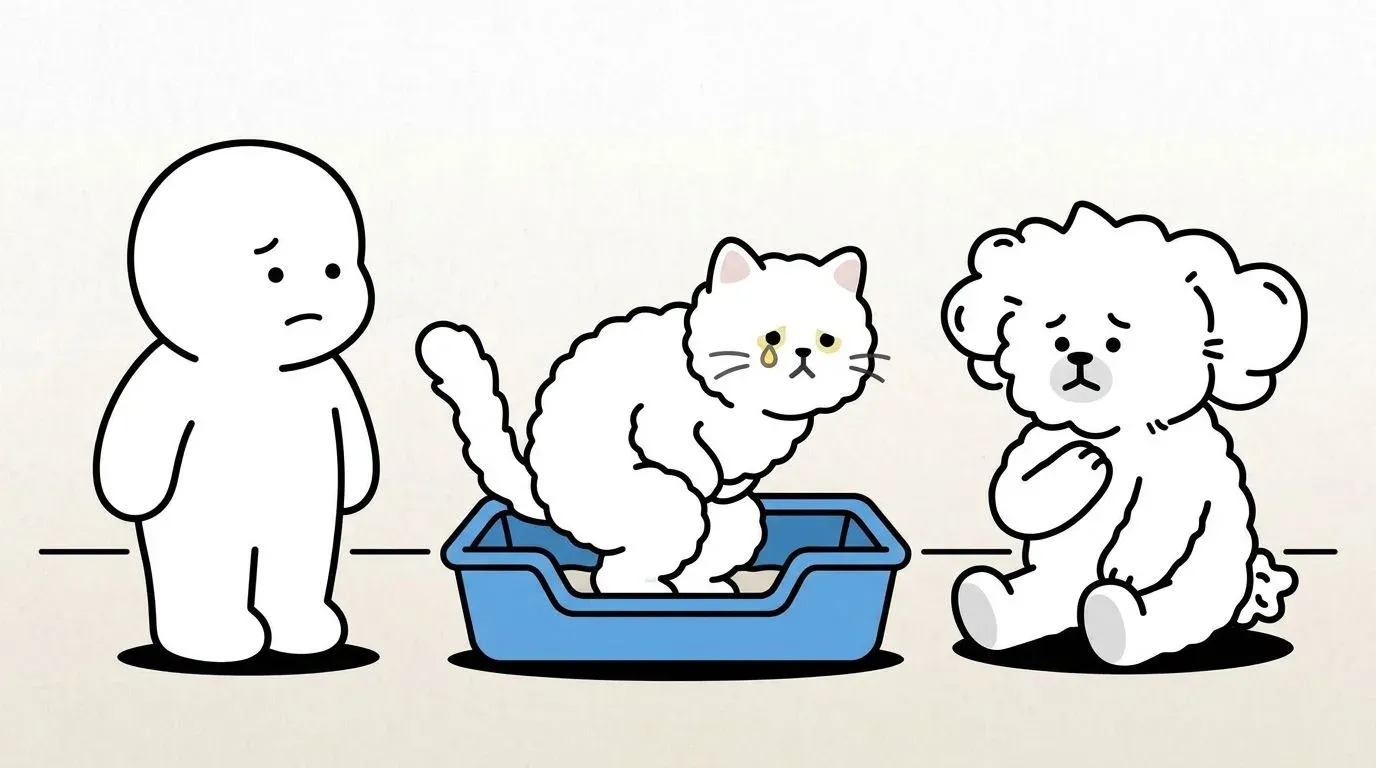
If you have ever watched your cat make repeated trips to the litter box only to crouch and strain without producing urine, you know the helpless anxiety that follows. Feline lower urinary tract disease — more commonly called FLUTD — is one of the most frequently encountered health concerns in domestic cats, and the range of severity is dramatic. Some cats experience a self-resolving flare. Others face a life-threatening blockage that requires emergency surgery within hours.
This guide covers the full picture: what cat FLUTD actually is, why it develops, how to recognize early warning signs versus genuine emergencies, what treatment involves (and realistically costs), and how to build a home environment that meaningfully reduces recurrence risk.
What Is FLUTD (Feline Lower Urinary Tract Disease)?
How the Feline Urinary System Works
The urinary system in cats performs the same fundamental job it does in all mammals: filtering metabolic waste from the blood and excreting it as urine. The kidneys do the filtering work; the bladder stores the resulting urine; and the urethra serves as the exit tube. In cats, the entire circuit is proportionally compact — the urethra in a male cat is notably narrow, measuring roughly 1.2 mm at its narrowest point in the penile section. That anatomical fact explains a great deal about why male cats face particular risk.
Healthy feline urine is slightly acidic (pH 6.0–6.5) and dilute enough that mineral crystals remain dissolved. When something disrupts the bladder lining, alters urine pH, or causes mineral oversaturation, the lower urinary tract becomes vulnerable to inflammation, crystal formation, stone development, or outright blockage.
Four Types of FLUTD: FIC, UTI, Uroliths, and Obstruction
“FLUTD” is not a single diagnosis — it is a descriptive category covering at least four distinct conditions:
| Type | Prevalence | Key Characteristic |
|---|---|---|
| Feline Idiopathic Cystitis (FIC) | 55–69% of cases | Bladder wall inflammation with no identifiable cause; strongly stress-linked |
| Uroliths (urinary stones) | 15–20% of cases | Mineral crystals that aggregate into stones — primarily struvite or calcium oxalate |
| Urethral obstruction (UO) | 10–22% of male cats with FLUTD | Physical blockage of the urethra by crystals, mucus plug, or stone |
| Bacterial UTI | 1–5% of cases under age 10 | True bacterial infection; more common in senior cats and females |
The dominance of FIC is clinically significant: in cats younger than 10 years presenting with lower urinary tract symptoms, the most likely cause is stress-driven bladder inflammation, not infection. This means antibiotics are not the default treatment for most FLUTD cases, despite what many owners assume.
Causes and Risk Factors
Feline Idiopathic Cystitis — The Stress-Bladder Connection
FIC is classified as “idiopathic” (without identifiable cause) because even extensive diagnostic workup — urinalysis, culture, ultrasound — returns normal results. Yet the bladder wall is visibly inflamed. Research published in the Journal of Feline Medicine and Surgery has established a credible neurogenic model: chronic psychological stress activates the hypothalamic-pituitary-adrenal axis and increases corticotropin-releasing factor (CRF), which in turn sensitizes bladder nerve endings and degrades the protective glycosaminoglycan (GAG) layer lining the bladder wall.
Once that protective layer is compromised, urine components that would normally be harmlessly contained can penetrate the bladder wall, triggering an inflammatory response. The clinical result looks identical to cystitis caused by infection — but no bacteria are present.
Common stress triggers in indoor cats include:
- Household schedule disruptions (travel, new work hours, visitors)
- Multi-cat household dynamics and resource competition
- Moving, construction noise, or home renovation
- Inappropriate litter box conditions (soiled, too few, wrong substrate)
- Sudden dietary changes
Urinary Stones — Struvite vs. Calcium Oxalate
Two minerals account for the vast majority of feline urinary crystals and stones:
Struvite (magnesium ammonium phosphate): Forms in alkaline urine (pH above 6.5), often in younger cats. Historically the most common stone type. Struvite crystals can dissolve with prescription acidifying diets (such as Hill’s Prescription Diet s/d) over 4–12 weeks, making surgical removal avoidable in many cases.
Calcium oxalate: Forms in acidic urine, more common in middle-aged to older cats, and cannot be dissolved medically. Surgical removal or laser lithotripsy is required. Over the past two decades, the prevalence of calcium oxalate relative to struvite has increased — researchers suspect over-acidification of commercial diets as a contributing factor.
Who’s at Risk: Sex, Breed, Age, and Weight
Sex: Male and female cats develop FIC and crystal disease at comparable rates, but male cats carry dramatically higher risk for life-threatening urethral obstruction. The narrow penile urethra creates a natural chokepoint where even small crystal aggregates or mucus plugs can cause complete blockage.
Breed: Persian and Himalayan cats show elevated rates of calcium oxalate urolithiasis. British Shorthairs have a known predisposition to polycystic kidney disease, which can secondarily affect lower urinary tract function. Ragdolls and Burmese are also cited in veterinary literature as higher-risk breeds for FIC.
Age: FLUTD has a bimodal presentation. FIC peaks between 2 and 6 years of age — the prime indoor cat years when stress exposure and dietary patterns converge. Bacterial UTIs become more common after age 10, when immune function declines and residual urine from age-related bladder dysfunction creates a more hospitable environment for bacterial growth.
Weight: Obese cats are significantly more likely to develop FLUTD. A 2011 retrospective study found that overweight cats were more sedentary, drank less water, and had higher urine specific gravity — all factors that increase crystal risk. Understanding how excess weight affects your cat’s overall health provides important context for why weight management is part of FLUTD prevention, not just a general wellness recommendation.
Symptoms Checklist: 7 Warning Signs
Early Signs You Shouldn’t Ignore
Most owners first notice subtle behavioral changes rather than an obvious health emergency. Track any of the following:
- Frequent, short visits to the litter box — multiple attempts within an hour, often producing little or no urine
- Blood in urine (hematuria) — pink, red, or rust-colored urine; one of the most common cat UTI symptoms and a reliable early indicator of lower urinary tract irritation
- Straining to urinate (dysuria) — prolonged squatting, visible straining, sometimes vocalization during attempts
- Urinating outside the litter box — elimination on cool surfaces like tile, bathtubs, or laundry; cats with bladder pain sometimes associate the litter box with pain and avoid it
- Excessive genital licking — persistent grooming of the urogenital area is a pain response; when it goes beyond normal post-elimination cleaning, it warrants attention (see also our guide on cat overgrooming and its causes)
- Crying or vocalizing during urination — indicates pain; any vocalization during normal elimination is abnormal
- Reduced urine output or absence of urine — especially alarming in male cats; reduced output combined with straining signals possible obstruction
Early signs in female cats and in mild FIC cases may partially resolve within 5–7 days on their own. However, even self-resolving episodes warrant veterinary evaluation to confirm diagnosis and prevent recurrence, since untreated FIC has a 45–65% one-year recurrence rate according to current veterinary consensus.
Emergency Red Flags — Urethral Obstruction Is a 24-Hour Emergency
Urethral obstruction is the most dangerous complication of FLUTD and requires immediate emergency care — not a wait-and-see approach. A completely blocked cat will die from hyperkalemia (dangerous elevation of blood potassium from retained urine) within 24–48 hours without treatment.
Call an emergency veterinary clinic immediately if your cat — especially a male cat — shows:
- Straining repeatedly with zero urine output for more than 2 hours
- Crying out or howling in pain
- Hunched, guarded posture with reluctance to move
- Vomiting combined with straining
- Lethargy or sudden collapse
- Pale or grayish gums
Do not wait to see whether symptoms improve. Urethral obstruction is a medical emergency equivalent to a cardiac event.
Diagnosis and Treatment
What to Expect at the Vet
A veterinarian evaluating a cat for cat urinary tract disease will typically perform:
- Urinalysis: The essential first test. Examines urine pH, specific gravity, red and white blood cell counts, crystal type, and protein levels. A sample collected by cystocentesis (bladder needle aspiration) is preferred over free-catch for accuracy.
- Urine culture and sensitivity: Ordered when bacterial UTI is suspected — primarily in older cats, females, or cats with recurrent disease. Most cats under 10 with acute symptoms do not require culture at initial presentation.
- Abdominal ultrasound: Non-invasive imaging that visualizes bladder wall thickness, bladder stones, and structural abnormalities. More sensitive than X-ray for soft tissue detail.
- Radiography (X-ray): Useful for detecting radiodense stones (struvite and some calcium oxalate) and ruling out urethral obstruction location.
- Bloodwork (CBC + chemistry): Essential for any cat presenting with suspected obstruction to assess kidney function and electrolyte status before treatment.
Treatment by Cause: FIC, Stones, UTI, Obstruction
Feline idiopathic cystitis is managed through what the ISFM guidelines describe as a multimodal approach — no single intervention is sufficient. The primary goals are reducing stress, increasing urine dilution, and supporting bladder wall integrity:
- Increased water intake (wet food transition, water fountains)
- Urinary-support diets that do not over-acidify urine
- Environmental enrichment per MEMO protocol (detailed in the prevention section below)
- Pain management with buprenorphine or meloxicam for acute flares
- Anti-anxiety medication (fluoxetine, gabapentin) for severely stress-reactive cats
Struvite stones may be dissolved over 4–12 weeks using prescription dissolution diets (Hill’s s/d or Royal Canin Urinary SO + Dissolution). Follow-up imaging confirms resolution. Future prevention involves a urinary maintenance diet.
Calcium oxalate stones require surgical cystotomy for removal (stones in the bladder) or perineal urethrostomy (PU) considerations when stones are urethral. Diet management post-removal focuses on increasing urine dilution and avoiding excessive vitamin C and D supplementation.
Bacterial UTI is treated with antibiotics selected based on culture and sensitivity results. Common first-line choices include amoxicillin-clavulanate or trimethoprim-sulfamethoxazole, with a 7–14 day course.
Urethral obstruction treatment at the veterinary clinic involves:
- Sedation or anesthesia
- Urinary catheter placement to relieve the blockage
- IV fluid diuresis to flush the urinary tract and correct electrolyte imbalances
- Hospitalization of 1–3 days for monitoring
- Catheter removal and assessment of voluntary urination before discharge
Cats with recurrent obstruction may be candidates for perineal urethrostomy (PU surgery), which widens the urethral opening permanently to reduce future blockage risk.
Treatment Costs: What to Realistically Expect
Veterinary costs vary significantly by region and facility type:
| Situation | Estimated Cost Range (USD) |
|---|---|
| Initial urinalysis + exam (non-emergency) | $100 – $250 |
| Abdominal ultrasound | $250 – $500 |
| Urine culture | $80 – $150 |
| FIC medical management (exam + medications) | $200 – $500 |
| Struvite dissolution diet (3 months) | $120 – $200 |
| Surgical cystotomy (bladder stone removal) | $1,500 – $3,000 |
| Urethral obstruction treatment (catheter + hospitalization) | $1,000 – $3,500 |
| Perineal urethrostomy (PU surgery) | $2,500 – $5,500 |
Emergency clinic rates are typically 1.5–2x higher than regular clinic rates. Pet insurance that covers urinary conditions can substantially offset these costs — this is worth considering if you own a male cat or a breed with elevated FLUTD risk.
Prevention and Home Care
Increasing Water Intake — 5 Practical Methods
Dilute urine is one of the most reliable protective factors against both crystal formation and bladder wall irritation. A 10 lb (4.5 kg) cat needs approximately 200–250 ml of total daily water, a target that is difficult to reach through dry food alone (kibble contains roughly 10% moisture versus 70–80% in wet food).
Effective strategies to increase daily water consumption:
- Transition to wet food — the most impactful single change. Even replacing half of daily kibble with canned food measurably increases total water intake.
- Provide a circulating water fountain — cats are instinctively drawn to moving water; fountains significantly increase voluntary intake compared to still water bowls.
- Multiple water stations — place bowls in several rooms, away from food and litter boxes.
- Use wide, shallow bowls — whisker fatigue from deep or narrow bowls causes some cats to reduce water intake.
- Add water to food — a small amount of warm water mixed into wet food or onto kibble increases moisture without requiring significant behavioral change.
Diet Management — Why Wet Food Matters
Wet food’s value in FLUTD prevention extends beyond simple hydration. Research comparing cats on wet versus dry food diets found measurable differences in urine specific gravity (a proxy for urine concentration): cats on dry food regularly produced urine with specific gravity above 1.050 — double the threshold associated with crystal oversaturation.
For cats with a history of struvite crystals, prescription urinary diets (Hill’s Prescription Diet c/d Multicare, Royal Canin Urinary SO) are formulated to maintain urine pH in the optimal 6.0–6.5 range and restrict the minerals (magnesium, phosphorus, ammonium) that form struvite. These diets are appropriate as long-term maintenance tools, not solely as short-term treatment.
The supplement evidence for urinary health is mixed. D-mannose has some evidence for preventing bacterial UTI in humans by blocking bacterial adhesion to bladder walls, but feline-specific data remains limited. Cranberry extracts have been studied in cats with inconsistent results; the effect on urine pH in cats differs from humans, and some formulations may paradoxically increase calcium oxalate risk. Consult your veterinarian before adding any urinary supplement.
Stress Reduction — The MEMO Framework in Practice
For FIC — the most common form of FLUTD — stress management is not a soft add-on but a core treatment element. The MEMO (Multimodal Environmental Modification) framework, developed and validated in peer-reviewed veterinary research, provides a systematic approach to reducing the psychosocial triggers that drive FIC flares.
MEMO addresses five domains of the indoor cat environment:
1. Safe zones and vertical territory Cats need elevated resting areas that cannot be accessed by other pets or unpredictable household members. Provide cat trees, wall-mounted shelves, or high bookshelf platforms so that every cat in the household has a retreat space that feels genuinely secure.
2. Hunting and feeding enrichment Replace a portion of meal feeding with food puzzles, foraging toys, or scatter feeding. This addresses the motivational and cognitive deficit of indoor life, which contributes to chronic low-grade stress in cats that never engage their predatory instincts.
3. Social contact and predictability Cats are sensitive to schedule unpredictability. Structured daily interaction — two or three brief play sessions with a wand or feather toy — reduces background anxiety even in cats that appear independent. Guests, holiday disruptions, and household schedule changes are known FIC triggers; proactive management (providing extra retreat spaces, maintaining feeding schedule) helps buffer these events.
4. Synthetic pheromone support Feliway Classic (feline facial pheromone diffuser) has demonstrated efficacy in reducing FLUTD recurrence in multiple controlled trials. It is not a cure, but as part of the MEMO protocol it consistently improves outcomes compared to single-modality interventions.
5. Veterinary-prescribed anxiolytics for severe cases For cats with frequent FIC recurrence despite environmental modification, short-term anxiolytic support (gabapentin prior to known stressor events; long-term fluoxetine for severe cases) may be appropriate. This decision should involve a full behavioral history and ideally input from a board-certified veterinary behaviorist.
Connecting with a comprehensive resource on stress management for cats at home can help you implement these changes systematically rather than as ad hoc adjustments.
Litter Box Optimization — Number, Location, and Substrate
Litter box conditions are a primary FIC stressor and are often overlooked until problems are already established. The AAFP recommendations provide a useful baseline:
- Number: Maintain N+1 boxes (one per cat, plus one extra). In a two-cat household, three boxes is the minimum.
- Size: The box should be at least 1.5 times the cat’s body length. Most commercial boxes marketed as “large” are too small for adult cats.
- Location: Place boxes in multiple rooms, on multiple floors if applicable. Never place food and water adjacent to litter boxes. Cats avoid eating and eliminating in the same space.
- Cleaning frequency: Scoop at minimum once daily. Full substrate replacement once weekly. Accumulated waste produces ammonia odors that deter use.
- Substrate preference: Most cats prefer fine-grained, unscented clumping litter. Strongly scented or deodorized litters introduced abruptly are a common FIC trigger.
- Box style: Open boxes are preferred by most cats; covered boxes trap ammonia odors and may be avoided by sensitive individuals.
- Avoidance of punishment near the box: Never discipline a cat for accidents near the litter box. Negative associations with the box location drive inappropriate elimination and increase FLUTD stress.
Common Myths About Cat Urinary Disease
“Only male cats get FLUTD.” False. Female cats develop FIC, cystitis, and urinary crystals at rates comparable to males. What is true is that life-threatening urethral obstruction is almost exclusively a male cat emergency due to anatomical differences. The myth’s kernel of truth has been overgeneralized in a way that leads female cat owners to dismiss urinary symptoms inappropriately.
“My cat just needs more water — that will fix the problem.” Increasing water intake is the most important single preventive measure, but it does not treat an active obstruction, dissolve existing calcium oxalate stones, or reverse a bacterial infection. Water alone cannot resolve an acute FLUTD episode; it reduces future risk.
“The symptoms went away on their own, so we’re fine.” FIC episodes do sometimes resolve spontaneously within 5–7 days. But without diagnosis, you cannot confirm whether the episode was FIC (where this is possible) or early-stage obstruction (where it is not). Self-resolved episodes that recur — as 45–65% do within 12 months — require workup and management to break the cycle.
“Prescription urinary food is a permanent commitment once started.” Prescription dissolution diets (Hill’s s/d) are specifically designed for short-term use of 4–12 weeks. Long-term urinary maintenance diets (c/d, Royal Canin SO) are appropriate as ongoing prevention for cats with recurrent crystal disease or stones, but this is a clinical decision made with your veterinarian, not an automatic default.
“Cat UTIs are just like human UTIs — antibiotics will fix it.” In humans, UTIs are predominantly bacterial and respond to antibiotics. In cats under 10 years old, bacterial UTIs account for only 1–5% of FLUTD presentations. Prescribing antibiotics for FIC not only fails to treat the actual condition but contributes to antimicrobial resistance. Appropriate diagnosis before treatment is essential.
FAQ
What is the difference between FLUTD and a cat UTI?
How often does FLUTD come back after treatment?
How much water should a cat drink to prevent FLUTD?
Does a cat with FLUTD need prescription food forever?
When does a cat with urinary symptoms need emergency care?
Can female cats get FLUTD?
Related Articles
7 Silent Signs of Cat Arthritis Most Owners Miss
Cat arthritis symptoms are easy to miss because cats hide pain instinctively. Learn the 7 behavioral signs, how vets diagnose feline joint disease, and what you can do at home.
Dog Skin Allergies: Types, Symptoms, and Management Guide
Dog skin allergies: 3 types, symptom patterns by location, 8–12 week elimination diet protocol, and treatment options including JAK inhibitors.
Dog Arthritis: Symptoms and Management
Recognize early signs of arthritis in dogs and learn effective management strategies for pain relief and improved mobility.
Dog Cruciate Ligament Tear: 7 Things Every Owner Must Know
Dog cruciate ligament tear guide: recognize symptoms, compare TPLO vs TTA surgery, follow a phased recovery timeline, and protect the opposite knee.
Dog Ear Infections: Causes, Symptoms, Treatment & Prevention
Dog ear infection causes, symptoms, and treatment: bacterial vs yeast differences, high-risk breeds, step-by-step ear cleaning, and when to see a vet.
Is Your Dog Showing Signs of IVDD? Symptoms, Stages, and What to Do
Learn to recognize IVDD in dogs symptoms by grade and spinal region, understand treatment options from conservative care to surgery, and manage recovery at home.
Dog Hip Dysplasia: 6 Essential Facts Every Owner Should Know
Learn the key facts about dog hip dysplasia — from at-risk breeds and early symptoms to PennHIP vs OFA diagnosis and home care exercises.
Why Is My Dog Limping? A Cause-by-Cause Diagnosis Guide
Dog limping on front or back leg? Learn the most common causes by leg and age, a home observation checklist, and when the limp needs emergency care.
If Your Dog's Hind Legs Are Getting Thinner, It Could Be Sarcopenia
Dog muscle atrophy in hind legs is an early warning sign of sarcopenia. Learn the stages, causes, BCS/MCS self-assessment, and evidence-based recovery strategies.
The Hidden Link Between Your Dog's Weight and Joint Health
Extra weight does far more than strain your dog's joints — it actively inflames them. Learn the dual-pathway science and a practical roadmap to protect joint health.
Dog Periodontal Disease: Symptoms, Stages, and What Every Owner Should Know
Learn the 4 stages of dog periodontal disease symptoms, warning signs, treatment options, and daily home care steps to protect your dog's teeth and overall health.
Puppy Growth Plate Care: Safe Exercise and Breed Timelines
Learn how to protect puppy growth plates with breed-specific closure timelines, age-based exercise limits, and nutrition guidelines. Evidence-based guide.
Complete Guide to Patellar Luxation in Dogs
Learn about the causes, symptoms, grades, treatment options, and prevention of patellar luxation in dogs.