 Cirius Petpedia
 Dog Not Eating in Summer: Is It Normal or a Warning Sign?
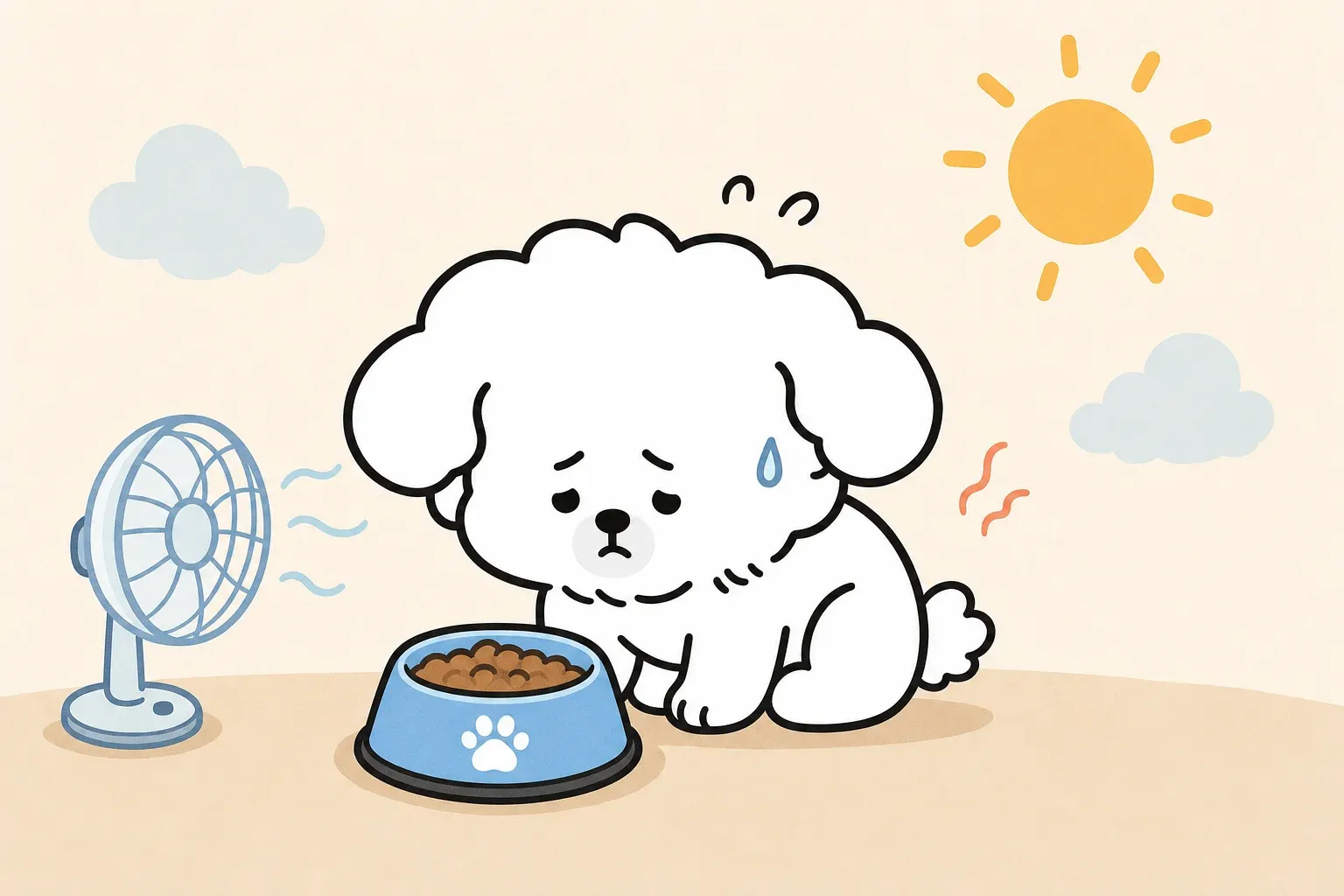
Your dog sniffs their bowl, turns away, and walks back to the cool tile floor. It’s the third time this week. Summer has arrived, and suddenly your enthusiastic eater seems indifferent to meals.
Before you start worrying, know this: reduced appetite in hot weather is one of the most common concerns veterinarians hear every summer, and in most cases, there’s a straightforward biological reason behind it. The challenge is knowing when a summer appetite dip is normal physiology — and when it’s a symptom that needs attention.
This guide walks through the science of why heat affects your dog’s appetite, a clear checklist for distinguishing normal from concerning behavior, and practical strategies for keeping your dog well-fed and hydrated through the hottest months.
Why Dogs Eat Less in Summer
How Heat Affects Your Dog’s Metabolism
Dogs are homeotherms — they maintain a stable internal body temperature regardless of the environment. When the ambient temperature rises, the body makes a strategic trade-off: it reduces metabolic rate to generate less internal heat.
This thermoregulatory response is well-documented. A 2019 review in Veterinary Clinics of North America noted that energy expenditure in companion animals decreases measurably as environmental temperature rises above the thermoneutral zone — the temperature range (roughly 59–77°F / 15–25°C for most dogs) where the body can maintain temperature without extra effort.
Digestion itself is a heat-generating process. Breaking down food, especially protein, produces significant metabolic heat through a process called diet-induced thermogenesis. When a dog is already warm, the brain’s hypothalamus — which governs both temperature regulation and appetite — suppresses hunger signals to reduce this additional heat load. The result: your dog feels less hungry, and that’s not an accident. It’s an adaptive response.
This is why dogs naturally eat less in summer and more in winter, mirroring seasonal energy patterns seen across many mammal species.
Reduced Activity and Lower Calorie Needs
Appetite is closely tied to energy expenditure. During summer, most dogs — especially those in warm climates — exercise less. Walks get shorter, midday play is skipped, and napping increases. Less physical activity means fewer calories burned, which naturally leads to reduced hunger.
If your dog’s daily walk has shrunk from 45 minutes to 20 minutes because of the heat, their caloric needs may have dropped by 15–25%. A dog’s body is reasonably good at self-regulating intake to match output, so a smaller appetite may simply reflect an accurate internal calculation.
This is an important baseline to keep in mind when reviewing your dog’s baseline feeding amounts: the standard guidelines assume moderate year-round activity, so summer adjustments are often appropriate.
The Role of Humidity and Heat Stress
Temperature and humidity together determine how well your dog can cool themselves. Dogs rely primarily on panting to dissipate heat — they don’t sweat like humans. When humidity is high, panting becomes less effective because moisture doesn’t evaporate efficiently from the respiratory tract.
In high humidity, heat stress sets in faster and more severely. A day that feels manageable at 85°F (29°C) with 30% humidity becomes significantly more dangerous at the same temperature with 80% humidity.
Heat stress — even before it reaches the threshold of heatstroke — causes physiological changes that suppress appetite: elevated cortisol, increased heart rate, and reduced gastrointestinal motility. Dogs in humid climates may show appetite changes at lower temperatures than dogs in dry regions.
Normal Appetite Dip vs. Warning Signs
What a Typical Summer Appetite Change Looks Like
A normal summer appetite reduction tends to look like this:
- Your dog eats 10–30% less than their winter baseline
- They still show interest in food — sniffing, approaching the bowl — just eat less before walking away
- Energy and behavior remain normal: they still want walks (even if shorter), still play, still respond to their name
- They continue drinking water — possibly more than usual
- Stools remain normal in consistency and frequency
- No vomiting, gagging, or signs of nausea
If your dog fits this picture, a modest summer appetite dip is almost certainly normal thermoregulatory behavior. Continuing to offer their regular food at a slightly reduced portion, monitoring hydration, and scheduling walks during cooler parts of the day (early morning and evening) is the appropriate response.
One nuance worth understanding: heat-related appetite reduction is different from picky eating behavior. A dog who eats less in summer due to heat will typically return to normal appetite when temperatures drop. A dog with ingrained picky eating habits will show the same selective behavior year-round. Distinguishing these patterns matters when deciding whether to adjust your approach.
Red Flags That Need Veterinary Attention
Appetite loss becomes a warning sign when it’s accompanied by other symptoms. Use this checklist:
Seek veterinary care within 24 hours if your dog:
- Has not eaten anything for 48+ hours (24 hours for puppies, seniors, or small breeds under 10 lbs / 4.5 kg)
- Shows signs of lethargy beyond normal summer sleepiness — won’t engage, doesn’t respond normally
- Has vomited more than once in a 24-hour period
- Has diarrhea lasting more than a day, or stools with blood or mucus
- Is drinking excessively or not drinking at all
- Has visible weight loss over one to two weeks
- Shows pale, white, or bluish gums
- Pants heavily at rest, even in a cool environment
Seek emergency care immediately if your dog:
- Has a body temperature above 104°F (40°C) — check rectally if possible
- Collapses, staggers, or loses coordination
- Has seizures
- Produces very dark, concentrated urine, or no urine
The emergency symptoms above overlap significantly with heatstroke, which requires immediate veterinary intervention and can be fatal within hours if untreated. Don’t wait to see if these symptoms improve on their own.
High-risk dogs to watch more closely:
- Brachycephalic breeds (Bulldogs, Pugs, French Bulldogs, Shih Tzus): less efficient panting means heat stress occurs faster
- Senior dogs (7+ years): reduced physiological reserve and more likely to have underlying conditions
- Puppies under 6 months: less stable thermoregulation and metabolic reserve
- Dogs with existing conditions: heart disease, diabetes, kidney disease, or any chronic illness
How to Keep Your Dog Eating Well in Hot Weather
Adjusting Meal Times and Portion Sizes
The single most effective feeding strategy in summer is timing. Body temperature peaks in the mid-afternoon and is lowest in the early morning and late evening — and appetite tends to follow the inverse pattern.
Recommended summer meal schedule:
- Morning meal: 6:00–8:00 AM — the coolest part of most days. Offer the larger portion here (roughly 60% of daily calories).
- Evening meal: 7:00–9:00 PM — after the day’s heat peak has passed.
- Midday: skip the meal or offer only a light, easily digestible snack if needed.
If your dog currently eats twice daily, maintain that schedule but shift the timing. If they eat once daily, consider splitting into two smaller meals at cooler times, which also supports better digestion.
On very hot days (above 90°F / 32°C), reducing portion size by 10–20% is reasonable and aligns with your dog’s reduced caloric needs. Avoid pressuring a dog to finish a full portion when they’re clearly uncomfortable — this can create food aversion that persists beyond summer.
Remove uneaten food after 20–30 minutes, especially wet food, which spoils rapidly in the heat.
Making Food More Appealing in the Heat
Heat blunts smell and taste sensitivity in some dogs, making even favorite foods seem less appealing. A few simple modifications can help:
Temperature matters: Slightly warming refrigerated food (to just below body temperature, around 95°F / 35°C) can intensify aroma. However, avoid heating food in hot weather if your dog is already overheated — in those cases, cooling food slightly below room temperature is more appropriate.
Texture changes: Adding a small amount of warm (not hot) low-sodium broth over dry kibble can stimulate interest. For dogs that eat dry food, soaking kibble in water for 10–15 minutes before serving softens it and adds moisture content, which is valuable in summer.
Timing food with light activity: A short, gentle walk 20–30 minutes before a meal (during cooler hours) can stimulate appetite through mild physical activity without causing overheating.
Smaller, more frequent offerings: If your dog seems reluctant at meal time, offering a smaller amount initially and topping up if they eat it can work better than presenting a full bowl they may abandon.
Safe Toppers and Mix-Ins to Boost Interest
Adding variety to meals can re-engage a heat-suppressed appetite. The following are evidence-supported, dog-safe additions:
| Topper | Benefit | Notes |
|---|---|---|
| Plain cooked chicken (no seasoning) | High palatability, lean protein | Shred finely, no bones |
| Plain cooked white rice | Easy to digest, light on gut | Useful if GI is also affected |
| Low-sodium chicken or beef broth | Increases moisture, aroma | Check for no onion/garlic/xylitol |
| Plain pumpkin puree (not pie filling) | Supports digestion | 1–2 tsp per 20 lbs |
| Plain cooked egg | Highly palatable, complete amino acid profile | 1–2 eggs max per day |
Dogs with raw or wet food diets may find summer transition easier, as these diets already have high moisture content, which reduces the digestive heat load compared to dry kibble.
For digestive support during the dietary transitions that often happen in summer, maintaining gut health with appropriate fiber and probiotics can help reduce loose stools that sometimes accompany diet changes.
Hydration and Cooling Foods for Summer
How Much Water Your Dog Really Needs in Summer
Hydration is the most critical factor in summer dog care — more urgent than food intake in most cases. The standard guideline from veterinary nutrition references is:
Baseline water requirement: 50–60 ml per kg of body weight per day (approximately 1 oz per pound)
| Dog’s Weight | Baseline Daily Water | Summer / Active Target |
|---|---|---|
| 5 kg (11 lbs) | 250–300 ml (8–10 oz) | 500–600 ml (17–20 oz) |
| 10 kg (22 lbs) | 500–600 ml (17–20 oz) | 1,000–1,200 ml (34–40 oz) |
| 20 kg (44 lbs) | 1,000–1,200 ml (34–40 oz) | 2,000–2,400 ml (68–81 oz) |
| 30 kg (66 lbs) | 1,500–1,800 ml (51–61 oz) | 3,000–3,600 ml (101–122 oz) |
In hot weather or after exercise, water needs can double. These are guidelines, not strict limits — individual dogs vary based on diet (wet vs. dry food), activity level, and coat type.
For comprehensive guidance on monitoring hydration and spotting dehydration early, see the detailed breakdown of water intake by weight, age, and season.
Practical tips to increase water intake:
- Place multiple water bowls in different locations, including shaded outdoor spots
- Use stainless steel or ceramic bowls — plastic can retain odors that some dogs dislike
- Change water at least twice daily; stagnant water develops bacterial film
- Try pet water fountains, which some dogs prefer due to moving water
- Add ice cubes to the bowl — many dogs enjoy fishing them out, which also slows drinking and prevents bloat risk
- Offer water before, during, and after any outdoor activity
A simple dehydration self-test: gently pinch the loose skin at the back of your dog’s neck, then release. In a well-hydrated dog, the skin snaps back immediately. If it returns slowly (more than 1–2 seconds), your dog may be mildly dehydrated. Pale or dry gums are another indicator.
Dog-Safe Cooling Treats You Can Make at Home
Homemade cooling treats serve a dual purpose: they provide hydration and re-engage appetite in dogs that are reluctant to eat in the heat. These are best offered as supplemental snacks, not meal replacements.
Frozen broth cubes Pour low-sodium, onion-free chicken or beef broth into ice cube trays and freeze. Offer 2–4 cubes as a between-meal treat. These melt slowly and provide both hydration and flavor.
Watermelon popsicles Blend seedless watermelon flesh (no rind, no seeds), pour into molds or an ice cube tray, and freeze. Watermelon is approximately 92% water and is safe for dogs in moderate amounts. Limit to a few pieces per day due to natural sugar content.
Frozen vegetable treats Cucumber slices and blueberries can be frozen directly and offered as bite-sized treats. Both are low-calorie, hydrating, and safe for dogs.
Plain yogurt and banana freezes Mix plain, unsweetened yogurt (check that it contains no xylitol) with mashed banana, spoon into molds, and freeze. Offers probiotics alongside hydration. Suitable for dogs without dairy sensitivity.
For a wider variety of summer-appropriate homemade treat ideas, including portion guidelines and allergen notes, see the dog homemade treat recipe guide.
Foods to Avoid in Hot Weather
Some foods become higher risk in summer, either due to faster spoilage or because they add physiological stress during heat:
Always toxic — avoid year-round:
- Grapes and raisins (kidney toxicity)
- Onions and garlic (hemolytic anemia)
- Xylitol (found in sugar-free products, gum, peanut butter brands)
- Macadamia nuts
- Chocolate
- Alcohol (including fermented fruit)
- Cherry, peach, and apricot pits
Higher-risk in summer specifically:
- High-fat foods and fatty table scraps: harder to digest in the heat, increase pancreatitis risk
- Very salty foods or jerky treats: worsen dehydration
- Corn on the cob: obstruction risk, and harder to digest in a heat-stressed GI system
- Raw meat left unrefrigerated: bacteria multiply rapidly in summer temperatures — if feeding raw, maintain strict food safety protocols and refrigerate until serving
When to See a Vet About Appetite Loss
Symptoms That Require Immediate Attention
Return to the red flag checklist above and contact a veterinarian — or an emergency animal hospital — if any of the following are present:
- Body temperature at or above 104°F / 40°C
- Collapse, loss of coordination, or seizures
- No urination in 12+ hours, or very dark urine
- Rapid heart rate with pale or bluish gums
- Continuous vomiting (more than 3 times in a few hours)
- Bloody stool or vomit
These are not “wait and see” situations. Heat-related emergencies progress quickly, and early intervention significantly improves outcomes.
Timeline for Monitoring Before a Vet Visit
For milder appetite changes where no emergency symptoms are present, use this monitoring framework:
Day 1–2 (Watchful waiting):
- Offer food at cooler times (early morning, evening)
- Ensure fresh water is always available
- Monitor energy level, stool quality, and urination
- Check gums — should be moist and pink
Day 2–3 (If appetite hasn’t returned partially):
- Try appetite-stimulating toppers (broth, plain chicken)
- Reduce portion size to reduce pressure
- Log any additional symptoms
After 48 hours with no improvement — schedule a vet appointment: Even if no emergency symptoms are present, sustained appetite loss warrants a professional evaluation to rule out underlying causes: dental pain, gastrointestinal issues, infection, parasites, or systemic illness.
Special cases — see a vet after 24 hours of not eating:
- Puppies under 6 months
- Senior dogs (7+ years)
- Small breeds under 10 lbs / 4.5 kg
- Dogs with any known health condition
What to tell your vet: Keep a brief log noting when the appetite change began, what foods were offered and how much was eaten, water intake, stool quality, energy level, and any other behavioral changes. This information helps your veterinarian distinguish a simple summer appetite dip from a condition that needs treatment.
References
FAQ
Do dogs eat less in summer?
How long can a dog go without eating in hot weather before I should worry?
What cooling foods are safe for dogs in summer?
How much water does a dog need in summer?
Related Articles
Picky Dog? These Common Mistakes Are Making It Worse
Is your dog a picky eater? Discover why common owner responses backfire, 8 real reasons behind food refusal, and a vet-backed 7-day correction protocol.

Dog Heat Stroke Prevention: Critical Temperature Thresholds and Warning Signs Every Owner Must Know
Learn the 4-tier temperature risk system, breed-specific vulnerabilities, pavement heat dangers, and step-by-step emergency protocol to prevent and treat dog heat stroke this summer.
How Much Water Should a Dog Drink? By Weight, Age & Season
Daily water targets by weight, dehydration self-tests, and tips for dogs that won't drink. Covers all ages, diets, and seasons.