 Cirius Petpedia
 Dog Joint Surgery Recovery: A Vet-Based Week-by-Week Rehab Guide
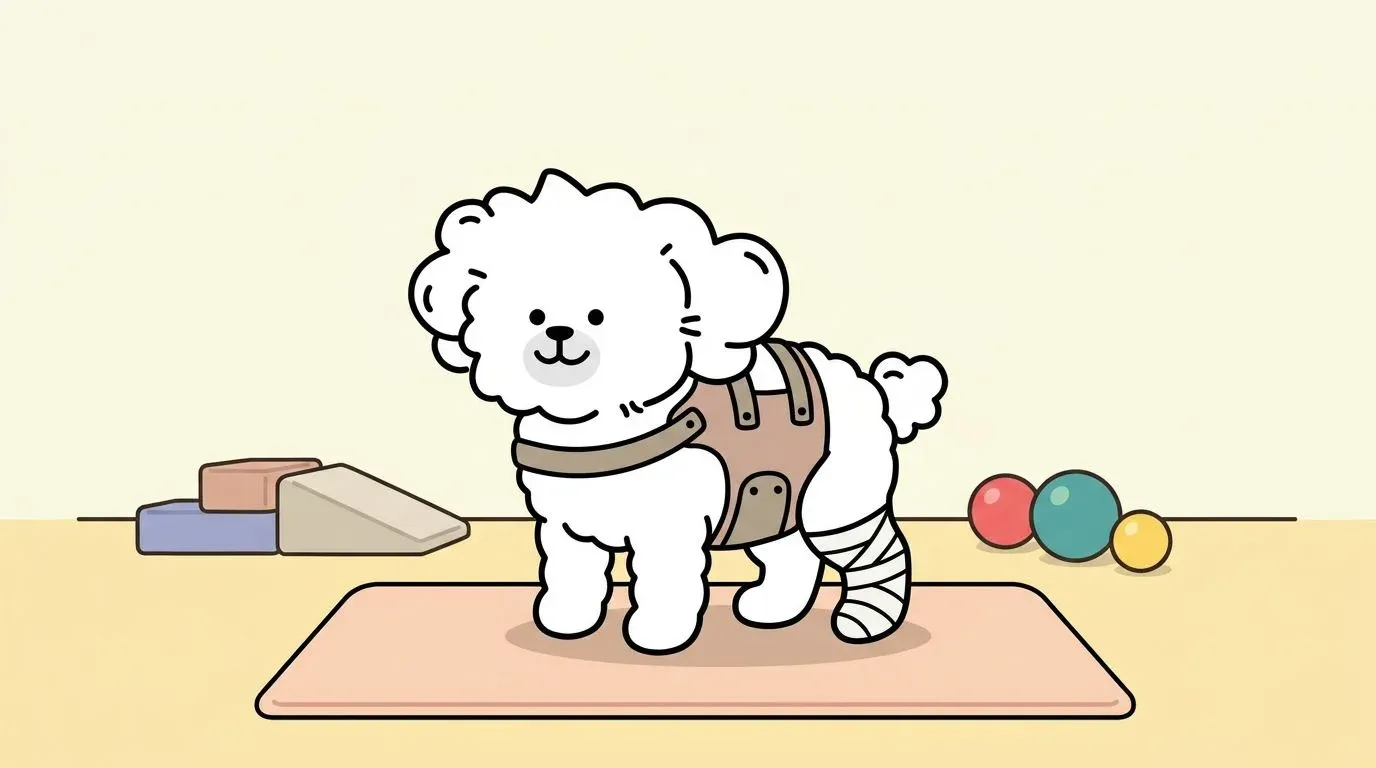
The surgery went smoothly. The surgeon is confident. Now you are home with a dog in a cone, a folder of discharge instructions, and a growing sense that the real challenge has just begun.
Canine post-operative rehabilitation is where outcomes are made or broken. Surgical technique determines structural repair; rehabilitation determines how much function that repair translates into. A 2015 study published in the Journal of the American Veterinary Medical Association found that dogs following a structured home rehabilitation program after TPLO surgery showed significantly better limb use scores at 6 weeks compared to rest-only controls — a result consistent with what certified rehabilitation specialists observe in clinical practice.
This guide provides a unified rehabilitation framework for the four most common canine joint surgeries: patellar luxation repair, cruciate ligament surgery (TPLO, TTA, and lateral suture), hip surgery (FHO and total hip replacement), and spinal disc surgery (hemilaminectomy). Rather than a single surgery-specific protocol, you will find a comparative framework — because the underlying principles of tissue healing, progressive loading, and neurological recovery apply across all of them.
Why Rehabilitation Matters as Much as Surgery
The Link Between Rehab and Surgical Outcomes
Joint surgery restores structural integrity — it repairs the ligament, removes the luxating patella, excises the femoral head, or decompresses the spinal cord. What it cannot do is rebuild the muscle mass lost during the lead-up to surgery, restore proprioception (the body’s sense of joint position), or re-educate the neuromuscular pathways that chronic pain and disuse have disrupted.
These are the specific jobs of rehabilitation.
Muscle atrophy begins within 24–48 hours of limb disuse and progresses rapidly in the early post-operative period. In dogs with chronic orthopedic problems, significant wasting is already present before the first incision is made. Without targeted rehabilitation, this deficit persists — and a structurally repaired joint operating within a weakened, uncoordinated musculoskeletal system is at substantially higher risk of re-injury, compensatory injuries, and accelerated arthritis.
The American College of Veterinary Surgeons (ACVS) recognizes physical rehabilitation as an integral component of orthopedic surgical recovery, not an optional add-on. Certified canine rehabilitation practitioners (CCRPs and CCRTs) follow protocols grounded in tissue healing timelines — the same biological framework that governs human sports medicine.
What Happens Without Proper Rehabilitation
The consequences of inadequate post-surgical rehabilitation are predictable:
- Persistent lameness beyond the expected recovery window, even when the surgery was technically successful
- Muscle asymmetry — the operated limb remains visibly thinner and weaker than the opposite side months after surgery
- Compensatory injuries — excessive load on healthy limbs leads to tendon strains, soft tissue overuse, or acceleration of existing joint disease in those limbs
- Accelerated post-surgical arthritis — joint surfaces subjected to abnormal loading patterns during recovery develop osteoarthritis faster than those rehabilitated correctly
- Behavioral changes — chronic discomfort produces anxiety, noise sensitivity, and altered social behavior in some dogs
None of these outcomes are inevitable. They are largely preventable with a structured, progressive approach to recovery.
Recovery Timelines by Surgery Type
No two surgeries recover on the same schedule. The table below provides average windows under standard post-operative care with home rehabilitation. Individual variation — based on the dog’s age, weight, fitness level, and compliance with rest — can shift these timelines by two to four weeks in either direction.
| Surgery | Procedure Goal | Weight-Bearing Starts | Off-Leash Activity | Full Recovery |
|---|---|---|---|---|
| Patellar luxation repair | Correct kneecap alignment | 2–3 weeks | 8–10 weeks | 3–4 months |
| Cruciate (TPLO/TTA) | Eliminate tibial thrust | 2–3 weeks | 12–16 weeks | 4–6 months |
| Cruciate (lateral suture) | Extracapsular stabilization | 2–3 weeks | 8–12 weeks | 3–4 months |
| FHO (hip) | Remove femoral head | 3–5 days | 8–12 weeks | 4–6 months |
| Total hip replacement | Restore hip anatomy | 4–6 weeks | 16+ weeks | 6–12 months |
| Hemilaminectomy (disc) | Decompress spinal cord | Variable (neuro-dependent) | 8–12 weeks post-ambulation | 3–12 months |
Patellar Luxation Repair
Patellar luxation repair is among the most commonly performed orthopedic surgeries in dogs, particularly in small breeds such as Toy and Miniature Poodles, Chihuahuas, and Yorkshire Terriers. The procedure corrects the alignment of the kneecap through some combination of tibial crest transposition, trochlear deepening, and soft tissue adjustment.
Recovery is generally faster than cruciate repairs because no bone osteotomy (cutting) is performed in most cases. Toe-touching typically begins within two weeks; full weight-bearing at a walk occurs by four to six weeks. The rehabilitation focus is on quadriceps strengthening and proprioception retraining — skills the dog may have lost during months of compensating for a malaligned kneecap.
Cruciate Ligament Surgery (TPLO, TTA, and Lateral Suture)
Cruciate repair is the most frequently performed orthopedic surgery in dogs overall, with TPLO (Tibial Plateau Leveling Osteotomy) the current gold standard for medium, large, and giant breeds. The procedure cuts and repositions the tibia to eliminate the mechanical instability caused by the ruptured cranial cruciate ligament (CCL) — the equivalent of the human ACL.
Because TPLO and TTA involve bone cuts secured with metal implants, recovery is governed by bone healing biology. The implants hold the bone in position while the osteotomy site heals over 6–8 weeks. This is why activity restriction during weeks 0–6 is non-negotiable: bone that is stressed before it heals is bone that fails to heal correctly.
For a complete overview of TPLO versus TTA versus lateral suture options, see our guide to dog cruciate ligament tears.
Hip Surgery (FHO and Total Hip Replacement)
FHO (Femoral Head and Neck Ostectomy) removes the femoral head entirely, eliminating the painful bone-on-bone contact of severe hip dysplasia or hip fracture. Unlike cruciate surgery, FHO recovery depends on building a functional fibrous “false joint” from surrounding muscles and scar tissue — which is why early active rehabilitation is especially critical for this procedure. Dogs with good muscle mass before surgery consistently achieve better long-term function after FHO than those who are deconditioned.
Total hip replacement (THR) is the more complex and expensive alternative, providing a true prosthetic joint. Recovery from THR is longer and more restrictive due to the risk of implant dislocation during healing.
Spinal Disc Surgery (Hemilaminectomy)
Hemilaminectomy decompresses the spinal cord by removing part of the vertebral arch and the herniated disc material pressing on neural tissue. Recovery diverges from other joint surgeries because the limiting factor is neurological — the speed at which nerve function is restored or, in severe cases, whether full motor function returns at all.
Dogs with incomplete paralysis before surgery have significantly better outcomes than those with complete loss of motor function. In the best cases, ambulation returns within days of surgery. In severe cases, recovery may take months, and some function may not fully return. Disc disease and hemilaminectomy recovery warrant a dedicated discussion with a board-certified veterinary neurologist.
Immediate Post-Op Care (Weeks 0–2)
This is the most critical and most difficult phase — critical because the healing structures are at their most vulnerable, difficult because you are managing a dog who feels better than she should be.
Activity Restriction and Crate Rest Setup
Strict crate or pen rest is not optional during weeks 0–2. The surgical repair is held together by sutures, implants, and the early inflammatory phase of healing — none of which are strong enough to withstand normal canine activity. A single off-leash sprint, a jump off the sofa, or a rough play session can undo the repair entirely.
Practical setup:
- Use a crate or exercise pen large enough for the dog to stand and turn, but not large enough to pace or run
- Place the crate in a household area where the dog can see and hear the family — isolation increases anxiety and may worsen recovery
- Remove access to furniture, stairs, and any elevated surfaces using baby gates or barriers
- Non-slip flooring in the bathroom and movement areas is essential; slipping on tile or hardwood floors is a leading cause of re-injury in the early recovery period. For guidance on setting up a slip-resistant home environment, see our article on dog joint care on slippery floors
- Carry small dogs rather than allowing them to navigate steps or thresholds
Outdoor access is limited to on-leash bathroom trips only — two to three times daily, no longer than five minutes each.
Incision Care and E-Collar Management
The E-collar (Elizabethan collar or “cone”) must remain on at all times except during direct supervision. Dogs lick and chew at incisions reflexively, even when they appear calm, and a single chewing episode can introduce infection or damage the closure.
Inspect the incision site twice daily. Normal findings in weeks 0–2 include:
- Mild redness along the suture line, diminishing after day 3–5
- Minor bruising or seroma (fluid pocket) at the edges, especially in large dogs
- Slight warmth around the incision
Contact your veterinarian promptly if you observe: purulent (pus-like) discharge, an opening in the suture line, fever above 103°F (39.4°C), or rapidly increasing swelling and heat more than 48 hours post-surgery.
Sutures are typically removed at the 10–14 day recheck. Do not attempt to remove sutures at home.
Pain Management and Medication Schedule
Your surgeon will discharge your dog with a pain management protocol, typically including:
- NSAIDs (non-steroidal anti-inflammatory drugs) such as carprofen, meloxicam, or grapiprant — reduce pain and surgical inflammation
- Gabapentin or amantadine — manage nerve-related pain, especially relevant after disc surgery
- Antibiotics — short course to prevent surgical site infection
Administer medications on schedule, not only when the dog appears uncomfortable. Pain management during weeks 0–2 directly affects willingness to bear weight and muscle recovery — undertreated pain leads to guarding behaviors that slow rehabilitation.
Never give human pain medications (ibuprofen, acetaminophen, aspirin) to dogs. These are toxic.
Eating, Bathroom, and Sleep Routines
Post-operative dogs are often not interested in eating for the first 24–48 hours. This is normal. Offer a small, easily digestible meal (half the regular portion, moistened if needed) rather than pushing a full meal.
Monitor closely for normal urination and defecation. Opioid pain medications used during and immediately after surgery can cause constipation. If the dog has not had a bowel movement within 48–72 hours of returning home, call your veterinarian.
Sleep should be in the crate or a designated resting area — not in bed with you, where a sleeping owner cannot prevent a middle-of-the-night scramble.
Early Rehabilitation Phase (Weeks 2–4)
Once the incision is confirmed healed at the 2-week recheck, the rehabilitation phase formally begins. The goal of weeks 2–4 is not to build fitness — it is to maintain joint mobility, prevent scar tissue from restricting range of motion, and begin controlled neuromuscular activity.
Passive Range of Motion (PROM) Exercises
Passive range of motion exercises move the joint through its normal range without any active effort from the dog. The dog lies on a padded surface (on her side); you gently flex and extend the operated joint.
Technique for hind leg PROM:
- Support the limb with both hands — one proximal (above) and one distal (below) the joint
- Slowly flex the joint toward the body until you feel gentle resistance — do not force through pain
- Slowly extend the joint in the opposite direction to the point of gentle resistance
- Perform 10–15 repetitions, twice daily
- The movement should be slow, smooth, and rhythmic — roughly one complete cycle every three seconds
Signs that you are applying too much pressure: the dog flinches, vocalizes, or tries to pull the leg away. If any of these occur, reduce the range and consult your rehabilitation provider.
PROM exercises are especially important for spinal disc surgery recovery, where limb manipulation also stimulates neurological pathways. They are equally valuable for maintaining knee or hip range while the operated joint remains restricted from active weight-bearing.
Cold and Warm Therapy Timing
Cold therapy (cryotherapy) is the appropriate modality for weeks 0–2. Cold constricts blood vessels, limits inflammatory mediator accumulation, and reduces pain. Apply a gel ice pack or a bag of frozen peas wrapped in a thin towel to the surgical site for 10–15 minutes, three to four times daily. Never apply ice directly to skin.
By weeks 2–3, once acute inflammation has subsided, transition to warm therapy before exercise sessions. Heat increases local blood flow, relaxes muscle spasm, and improves tissue extensibility — making PROM exercises more comfortable and effective. Apply a moist warm towel for 10 minutes before passive exercises.
Do not use heat during weeks 0–2 or over any area that is still actively swollen and warm.
Starting Short Leash Walks
At the 2-week recheck, your surgeon will clear the dog for short controlled leash walks if healing is proceeding normally. These are not exercise sessions — they are controlled weight-bearing opportunities.
Guidelines for weeks 2–3:
- Walk on a non-slip, flat surface (grass is preferable to sidewalk for shock absorption)
- Duration: 5–10 minutes per walk, two to three times daily
- Pace: slow walk only — no trotting, no pulling, no sniffing breaks that allow sudden lunges
- Use a back-clip harness rather than a neck collar to avoid any pressure on the spine and to give you better physical control
- Keep the leash short enough that you can prevent sudden movements, but not so tight that it creates tension
The dog may not yet bear full weight on the operated limb during these early walks. Toe-touching (light ground contact without full weight) is expected and appropriate at weeks 2–3.
Active Rehabilitation Phase (Weeks 4–8)
Assuming bone healing is progressing on schedule — confirmed by your surgeon either clinically or via radiograph — weeks 4–8 mark the transition to active rehabilitation. This is where meaningful muscle rebuilding begins.
Active Range of Motion and Weight-Bearing Exercises
Active ROM differs from passive ROM in that the dog is now using her own muscles to move the joint. The simplest active exercise is controlled leash walking at variable speeds: a slow walk requires constant low-level joint stabilization; a brief controlled trot demands more active muscle engagement.
Walk duration progresses from 10 to 20 minutes per session by week 6. Introduce mild terrain variation — walking on slightly uneven grass or a gentle slope — to activate stabilizing muscles that flat surfaces do not recruit.
Weight-shifting exercises are introduced during this phase: with the dog standing, gently and slowly push her weight from side to side (laterally) or front to back. This activates balance responses and recruits stabilizing musculature around the operated joint. Hold each weight shift for two to three seconds, perform 10–15 repetitions.
Sit-to-Stand and Balance Drills
The sit-to-stand exercise is one of the most effective rehabilitation movements for canine hind limb recovery. It directly targets the quadriceps and gluteal muscles while requiring balanced weight-bearing through both hind limbs.
Correct sit-to-stand technique:
- Ask the dog to sit squarely — both hind legs bent symmetrically, not flopped to one side
- Lure with a treat held at nose height, moving slowly forward and slightly upward to encourage a smooth, controlled rise
- The dog should rise without rocking to one side or using a front paw push-off
- Perform five repetitions initially, building to 10–15 as strength improves
If your dog consistently avoids bearing weight on the operated side during the rise, or uses only one hind leg to push up, discuss this with your veterinarian or rehabilitation therapist — it may indicate incomplete healing or residual pain.
For detailed hind limb strengthening exercises applicable to post-surgical recovery, including balance board work and cavaletti pole patterns, see our guide to patellar luxation exercises.
Incline Walking and Gradually Longer Walks
By weeks 6–7, introducing incline walking significantly increases the rehabilitation benefit of each session. Walking uphill engages the hip extensors and quadriceps more intensely than flat walking and encourages the dog to drive through the operated hind leg.
Start with a gentle slope — a 5–10 degree incline is enough — and limit hill sessions to half the dog’s flat walk duration. Walking back downhill provides a different but equally valuable muscle challenge, training eccentric (lengthening) muscle control.
Walk duration at week 8 typically reaches 30–40 minutes per session, assuming the dog is showing full or near-full weight-bearing on the operated limb.
Hydrotherapy (Swimming and Underwater Treadmill)
Hydrotherapy — either swimming or walking on an underwater treadmill — is the single most valuable rehabilitation modality available in veterinary medicine for orthopedic recovery. Water buoyancy reduces effective body weight by 60–90% (depending on water depth), allowing the dog to perform full weight-bearing movement patterns with dramatically reduced joint load.
Underwater treadmill is generally preferred over swimming for limb-specific orthopedic rehabilitation because it allows controlled, symmetrical gait training at a measurable walking speed. The water level is adjusted to control the degree of buoyancy and thus the load through the joint.
Swimming is an excellent cardiovascular conditioner and whole-body strengthening tool, but it recruits limb movement patterns different from weight-bearing gait — making it more appropriate as a supplement to treadmill or land exercise rather than a substitute.
Underwater treadmill is typically available at veterinary rehabilitation centers, some veterinary specialty hospitals, and select general practices. If access is limited, a shallow, controlled lake or pool swim (with a life jacket for safety) remains a worthwhile option.
Hydrotherapy is introduced when the incision is fully healed and the surgeon has confirmed there is no risk of infection from water exposure — generally weeks 4–6 post-surgery.
Late Rehabilitation and Return to Normal Activity (Week 8+)
Strength Building Exercises
By week 8, the operated limb should be bearing weight consistently during walking, and the dog should be showing visible muscle mass returning to the hind quarter. The focus now shifts from range of motion to genuine strength development.
Exercises that work well in weeks 8–12:
- Cavaletti poles: Ground poles spaced at the dog’s natural stride length encourage conscious limb placement and increase hip flexion and extension range during walking. Gradually raise pole height (starting at 2–3 inches / 5–8 cm) to increase range of motion demand.
- Three-leg standing: Gently lift the non-operated hind leg a few inches off the ground for five seconds, requiring the dog to balance on the operated leg. Build from five to 20 repetitions as strength allows.
- Stair climbing (reintroduced at your surgeon’s direction): Going up stairs is a vigorous quadriceps and gluteal exercise. Begin with two to three steps, building to a full flight.
- Gentle ball work: Rolling a stability disc or wobble board under the hind feet introduces proprioceptive challenge. Available at rehabilitation centers and some pet supply stores.
Gradual Increase in Walk Distance and Intensity
Walk duration increases progressively through weeks 8–12: from 30 to 60 minutes per session, and eventually to off-leash time in controlled areas (fenced yard) without rough play. The key principle is a 10% maximum weekly increase in total exercise duration — the same guideline used in human running programs to prevent overuse injury.
The introduction of off-leash time should be gradual. Begin in a small, fenced area and observe closely for signs of overexertion: the dog slowing mid-walk, refusing to continue, or showing increased lameness after sessions. These are signals to reduce intensity.
How to Tell Your Dog Has Fully Recovered
Full recovery is not simply the absence of obvious limping. Assess these markers:
| Recovery Marker | Method |
|---|---|
| Symmetrical muscle mass | Compare upper thigh circumference on both hind legs — within 10–15% is acceptable |
| Normal gait at all speeds | No head bob, hip drop, or toe-drag at walk, trot, and (eventually) controlled run |
| Full range of motion | Operated joint flexes and extends to the same degree as the opposite limb |
| Normal sit posture | Dog sits squarely without flopping the operated leg to one side |
| Normal activity interest | Dog shows willingness to play, fetch, and go on walks without coaxing |
| Surgeon confirmation | Follow-up radiograph (for TPLO/TTA) confirms complete bone healing at the osteotomy site |
Complete functional recovery from major joint surgery typically takes 4–6 months. Bone remodeling and full muscle restoration continue for up to 12 months. This does not mean the dog cannot live normally at 4–6 months — it means the joint should still be protected from extreme loading (competitive agility, high-impact jumping) until the 12-month mark.
For senior dogs whose recovery is complicated by pre-existing muscle weakness or concurrent joint disease, the timeline may extend further. Our guide to senior dog joint care addresses the specific considerations for aging dogs in the post-surgical period.
Home Therapy Options to Support Recovery
Rehabilitation is not limited to exercises. Several supportive therapies can meaningfully improve comfort and healing speed during recovery.
Basic Joint Massage Techniques
Gentle massage of the muscle groups surrounding the operated joint improves circulation, reduces muscle tension from compensatory movement patterns, and provides the dog with positive, comfortable handling — which also reduces anxiety during the recovery confinement period.
Basic effleurage (gliding strokes):
- With the dog lying comfortably on her side, place your palm flat against the upper thigh of the operated limb
- Apply gentle, even pressure and glide your hand slowly from the hip toward the knee
- Reduce pressure on the return stroke
- Perform for three to five minutes before passive exercises
Do not massage directly over the incision site until it is fully healed. Do not apply deep pressure over bony prominences. If the dog shows discomfort, reduce pressure and avoid the sensitive area.
Near-Infrared (NIR) Therapy: How It Works
Near-infrared light therapy is a photobiomodulation modality (also called low-level laser therapy, or LLLT) that delivers light energy at wavelengths of approximately 600–1000 nm into biological tissue. At these wavelengths, light energy is absorbed by cytochrome c oxidase, a mitochondrial enzyme, triggering a cascade of cellular responses: increased ATP production, enhanced nitric oxide release, reduced oxidative stress, and modulation of inflammatory cytokines.
In musculoskeletal medicine, the clinical applications of photobiomodulation are supported by a growing body of evidence:
- Reduced post-surgical pain and swelling in soft tissue procedures
- Accelerated incision healing
- Enhanced peripheral nerve regeneration — particularly relevant for disc surgery recovery
- Reduced muscle atrophy during enforced rest periods
For dogs recovering from orthopedic or disc surgery, NIR therapy is a non-invasive supportive tool that can be applied at home once basic device operation is understood. It does not replace rehabilitation exercises or veterinary follow-up, but it works synergistically with both.
Our detailed guide to NIR therapy for dogs at home explains application protocols, appropriate duration, and what to look for when selecting a device. Always discuss photobiomodulation with your veterinarian before beginning, particularly for dogs with active neoplasia or during areas of active infection.
Supportive Equipment (Braces, Carts, and Non-Slip Surfaces)
Several categories of supportive equipment are relevant to post-surgical recovery:
Orthopedic braces: Custom-fitted stifle (knee) or hip braces provide external joint support during the early weight-bearing phase and may reduce the risk of compensatory injury. Veterinary-grade braces are prefitted by trained orthotists; off-the-shelf options vary widely in quality and fit. Discuss brace use with your surgeon — they are not appropriate for all procedures or dogs.
Mobility carts and slings: For dogs with severe neurological deficits after disc surgery, rear-end mobility carts allow exercise and social engagement while spinal cord function recovers. Slings (supportive harnesses with a handle) are useful for assisting hind end movement during bathroom trips in the first weeks after hemilaminectomy.
Non-slip surfaces: This is the most consistently underappreciated environmental modification in post-surgical recovery. Slipping on hardwood or tile floors generates sudden, unpredictable forces through healing joints and can cause implant failure, re-luxation, or re-injury. Area rugs, yoga mats, or purpose-made pet flooring in all movement paths — especially near the crate and at the transition from carpet to hard floors — are essential throughout the recovery period. Refer to the non-slip flooring guide linked earlier in this article for a room-by-room setup approach.
Red Flags During Rehabilitation
Knowing what to watch for matters as much as knowing what to do.
Symptoms That Require Immediate Vet Attention
Do not wait for the next scheduled appointment if your dog shows any of the following:
- Sudden complete non-weight-bearing after initial improvement — this pattern suggests implant failure, incision breakdown, or re-injury
- Fever above 103°F / 39.4°C, lethargy, and loss of appetite beyond 48 hours post-surgery — possible systemic infection
- Purulent (thick, discolored) discharge from the incision or any gap in the suture line
- Rapid onset of severe swelling and heat in the operated area after the first 24–48 hours
- Total loss of limb movement or sensation after disc surgery — a neurological emergency
- Seizures or extreme behavioral changes — rare but possible after anesthesia in sensitive dogs
For context on pain behaviors that are easy to miss in stoic dogs, our guide to dog pain behavior signs is a useful reference throughout recovery.
Common Mistakes and Risks of Over-Exercising
The most frequent rehabilitation error is not insufficient exercise — it is premature or excessive exercise when the owner sees the dog doing well and assumes recovery is complete.
Common mistakes to avoid:
| Mistake | Why It Happens | Why It Is Harmful |
|---|---|---|
| Off-leash time before surgeon clearance | Dog looks “fine” and owner relaxes restrictions | A single explosive movement can disrupt bone healing or re-rupture the repair |
| Skipping the E-collar | Dog is calm and owner feels bad | One unobserved licking episode can introduce infection or open the incision |
| Giving extra treats without reducing meals | Guilt about confinement | Weight gain of even 1–2 lbs increases joint loading and slows healing |
| Discontinuing NSAIDs early | Dog seems comfortable | Undertreated pain causes guarding, abnormal weight-bearing, and muscle compensation |
| Returning to pre-surgery activity at 3 months | Dog walks well and owner is impatient | Bone and soft tissue remodeling continues to 12 months; early return to high-impact activity risks re-injury |
Dogs who develop chronic lameness after technically successful surgery are frequently those whose post-operative rehabilitation was inadequate or inconsistently applied.
Weight management deserves emphasis here: canine obesity significantly worsens post-surgical outcomes and long-term joint health. If your dog was overweight before surgery, the confinement period is the ideal time to begin a supervised weight reduction plan, not simply to maintain current weight.
Post-surgical arthritis is not inevitable, but it is common — particularly after cruciate repairs where joint instability existed for months before surgery. Managing dog arthritis symptoms proactively after orthopedic surgery, including appropriate supplementation and ongoing exercise regimens, significantly affects long-term quality of life.
Medical Disclaimer: The information in this article is intended for educational purposes and does not constitute veterinary medical advice. Post-surgical rehabilitation protocols should be designed and supervised by your dog’s surgeon and veterinary team, ideally in collaboration with a certified canine rehabilitation therapist. If your dog is recovering from orthopedic surgery, follow the specific instructions provided at discharge and contact your veterinarian with any clinical concerns.
FAQ
When can my dog walk normally after joint surgery?
How much does dog post-surgical rehabilitation cost?
Is there a risk to the other leg after joint surgery?
What if my dog gains weight during recovery?
Can I do rehabilitation exercises at home without a physical therapist?
Related Articles
Senior Dog Joint Care Guide
A comprehensive guide to maintaining joint health and managing pain in aging dogs.
How to Safely Restart Your Dog's Activity After Winter: A Spring Joint Care Guide
Spring dog joint care guide: assess winter deconditioning, follow a 4-week progressive activity plan, and spot warning signs before they become injuries.
How Near-Infrared Therapy Works for Dogs
Discover how near-infrared (NIR) therapy helps relieve joint pain and inflammation in dogs through scientific mechanisms.
Red Light Therapy for Dogs at Home: A Science-Based Safety Guide
Learn how red light and near-infrared therapy works for dogs, what the research actually shows, and how to use it safely at home — with dosimetry guidance.
Luxating Patella Exercises for Dogs: A Grade-by-Grade Home Rehab Guide
Grade-specific exercises for dogs with luxating patella — from foundation moves for Grade I-II to aquatic alternatives. Includes reps, sets, and a safety checklist.
Cat Spring Shedding: 5 Vet-Backed Steps to Control the Fur
Cat spring shedding explained: why it happens, how to tell normal from abnormal, and 5 vet-backed steps to manage fur and prevent hairballs.