 Cirius Petpedia
 How to Trim Dog Nails: Step-by-Step Guide for Every Owner
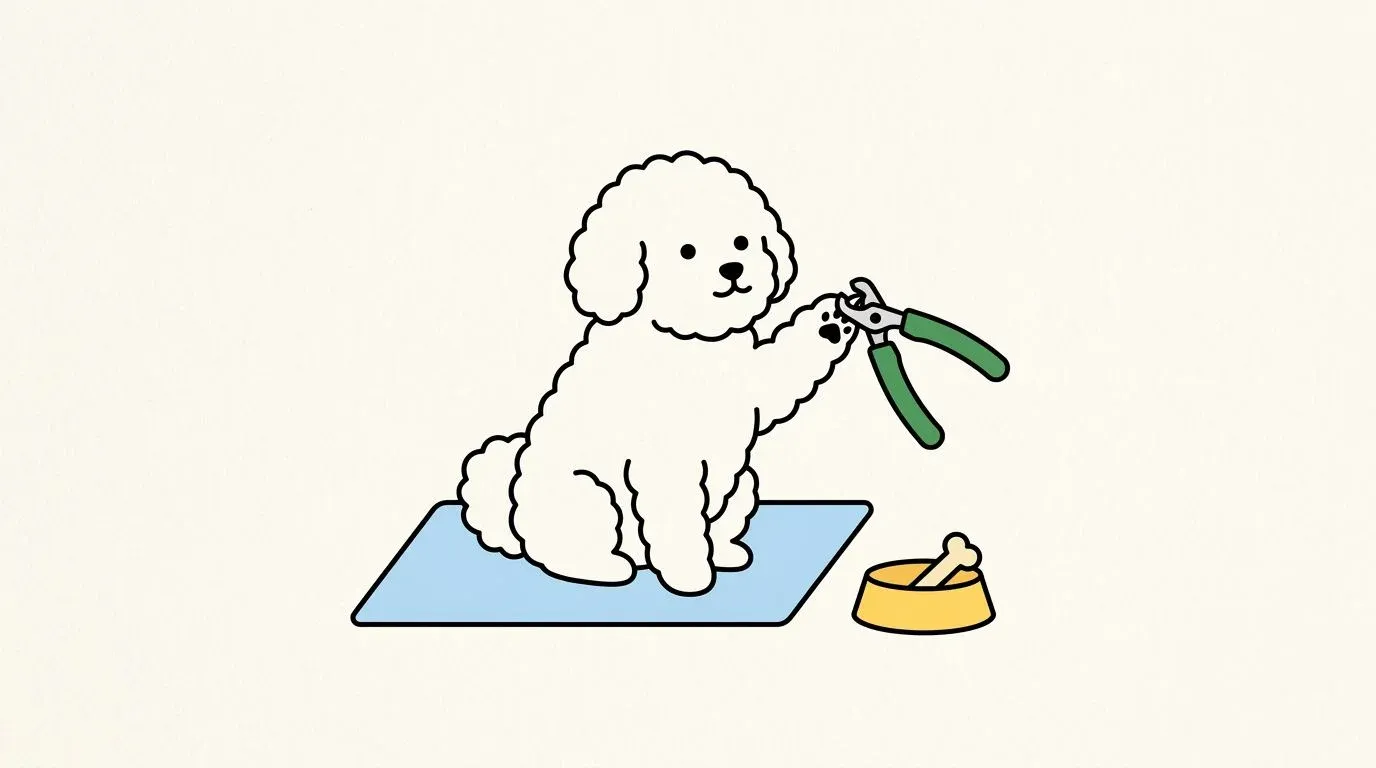
Nail trimming is one of those tasks that sounds simple on paper but produces real anxiety for owners and dogs alike. If you have ever accidentally nicked the quick and watched your dog flinch, you know the feeling. The good news: with the right technique and a little patience, learning how to trim dog nails at home becomes routine — and far less stressful for everyone involved.
This guide covers everything in one place: nail anatomy, tool selection, a clear step-by-step technique for both light and dark nails, a 7-day desensitization protocol for fearful dogs, what to do when you cut the quick, age-specific adjustments for puppies and seniors, and honest cost comparisons between DIY and professional grooming.
Why You Need to Trim Your Dog’s Nails
Most owners know long nails look unkempt, but the health consequences are less understood — and they are significant.
How Long Nails Affect Posture and Joint Health
When a dog’s nails are too long, they make contact with the floor with every step. That contact forces the toes to splay or knuckle under, which shifts weight distribution across the entire leg. Over months and years, this abnormal loading pattern strains the digital tendons, carpals, and stifles. In dogs already predisposed to joint health and mobility problems, long nails accelerate wear on cartilage and can worsen gait asymmetry.
The “floor click” test is the most practical indicator: if you can hear your dog’s nails clicking on a hard floor, they are already overdue for a trim. Nails should clear the floor with a small margin when the dog stands naturally.
The Quick Grows With the Nail: Why Regular Trimming Matters
The quick — the vascular and nerve tissue inside the nail — is not static. When nails grow long, the quick extends progressively toward the tip. This means that if you wait too long between trims, you cannot simply cut the nail back to the ideal length in one session without hitting live tissue.
Regular trimming (every 3–4 weeks) keeps the quick naturally receded, making each session safer and easier. Overgrown nails require a gradual recession protocol over several weeks, described in the overgrown nail section below.
Dog Nail Anatomy: Understanding the Quick
Before you pick up a clipper, understanding what you are actually cutting makes every subsequent step more intuitive.
Where the Quick Is (Light Nails vs Dark Nails)
A dog’s nail has three visible layers in cross-section when you cut it:
| Cut surface appearance | What it means |
|---|---|
| Chalky white outer ring | Dead nail wall — safe to cut |
| Pale gray center | Approaching the quick — proceed carefully |
| Dark oval or pink center | Quick tissue — stop immediately |
For light-colored nails, the pink quick is visible through the nail wall from the side, making it easy to identify a safe cutting line about 2 mm below the quick’s tip.
For dark or black nails, the quick is not visible from the outside. The incremental cross-section method is the safest approach: trim 1–2 mm at a time and inspect the cut surface after each slice. An alternative technique — transillumination — uses a small flashlight or phone light held beneath the nail in a dark room; the quick often glows pink through the nail wall, revealing its boundary. Neither method eliminates all risk, but small increments significantly reduce the chance of a painful nick.
The Dewclaw: Why It Needs Special Attention
The dewclaw is the rudimentary fifth digit located on the inner side of the front legs, and occasionally the rear legs, of many dogs. Because it never contacts the ground, it receives no natural wear — making it particularly prone to dangerous overgrowth.
Left untrimmed, a dewclaw grows in an arc and can curl completely back into the skin, causing pain, infection, and sometimes requiring veterinary removal. Always check dewclaws separately during every grooming session; they often need trimming even when the other nails are still acceptable.
Choosing Your Tool: Clippers vs Grinder
The right tool depends on your dog’s size, nail thickness, and temperament, as well as your own comfort level. There is no single best option.
Scissor, Plier, Guillotine, and Grinder Compared
| Tool type | Best for | Noise level | Learning curve | Approximate cost | Notes |
|---|---|---|---|---|---|
| Scissor (bypass) clippers | Small to medium dogs, thin nails | Quiet (slight snap) | Low | $10–20 | Clean cuts; dulls over time |
| Plier-style clippers | Medium to large dogs, thick nails | Moderate snap | Low–medium | $15–30 | Most versatile; requires sharp blades |
| Guillotine clippers | Small dogs only | Quiet | Medium | $10–18 | Can crush nails if dull; less recommended |
| Rotary grinder (Dremel-style) | All sizes; anxious dogs | Loud buzz/vibration | High (acclimation needed) | $20–50 | Smooth finish; slower; heat risk on long sessions |
Reputable options in each category include plier-style clippers from Safari and Miller’s Forge, and rotary grinders from Dremel and Casfuy. Regardless of brand, replace or sharpen blades at least once a year — dull blades crush the nail rather than cut it cleanly.
Essential Supplies: Styptic Powder and More
Gather these before you begin:
- Styptic powder (e.g., Kwik-Stop): the most effective product for stopping quick bleeds. Keep it within arm’s reach at all times.
- Cornstarch or all-purpose flour: effective backup if styptic powder is unavailable.
- Gauze pads: for applying pressure.
- High-value treats: small, soft, and smelly. Nail trimming is not the time for dry kibble.
- Nail file or emery board: for smoothing any rough edges after clipping.
- Flashlight: helpful for transilluminating dark nails.
- Towel or non-slip mat: keeps your dog comfortable and prevents slipping on hard surfaces.
For a broader overview of keeping your dog’s feet healthy between trims, the comprehensive dog paw care guide covers pad moisturizing, foreign body removal, and seasonal protection.
How to Trim Dog Nails: Step-by-Step
Even experienced owners benefit from revisiting technique. Small errors — wrong angle, poor lighting, incorrect grip — account for most accidental quick nicks.
Step 1: Set Up a Calm, Well-Lit Space
Choose a location your dog associates with comfort, not stress. Good overhead lighting or a headlamp makes a significant difference, particularly for dark nails. Have treats dispensed continuously (or have a helper do it) rather than only as a reward at the end — this creates a positive association throughout the process rather than just at completion.
Position yourself and your dog so you can see each nail clearly without straining. Many owners sit on the floor with a small dog in their lap facing away from them, or work with a large dog standing on a non-slip mat at a comfortable height.
Step 2: Hold the Paw Correctly
Secure but gentle grip matters. Place your thumb on the pad of the paw (the soft tissue on the underside) and your index finger on the top of the toe, just behind the nail. This stabilizes the toe without compressing the blood vessels inside the nail. Never grip the nail itself.
Extend the nail slightly forward by gently pressing the pad with your thumb. If your dog habitually pulls away, practice the hold with treats for a few days before attempting any actual trimming.
Step 3: Find the Cutting Line (45-Degree Angle)
Position the clipper blade at approximately 45 degrees, angling from the underside of the nail tip slightly upward. This angle removes the most nail length while keeping the blade path away from the quick. Avoid cutting straight across — it leaves a sharp, uncomfortable edge and creates more pressure directly toward the quick.
For light-colored nails: identify the pink quick through the nail wall and aim to leave at least 2 mm of white nail between your cut and the quick’s visible boundary.
For dark nails: proceed to Step 4.
Step 4: Trimming Dark Nails Safely
This is where most owners lose confidence. The method is systematic rather than guesswork:
- Make the first cut 1–2 mm from the very tip of the nail.
- Examine the cut surface. If it shows only chalky white, you have room to continue.
- Make another 1–2 mm cut and examine again. A pale gray center means you are approaching the quick.
- When the center darkens to a solid black oval or a small pink dot appears, stop. You have reached the safe limit.
The process is slower than a single confident cut, but it is far safer. With practice, you will develop a feel for how the nail compresses just before you reach the quick, and you can use that tactile feedback alongside the visual check.
Step 5: Don’t Forget the Dewclaws
After finishing the main nails, check both front dewclaws carefully. Because they curve rather than grow straight, their quick curves with them — meaning the cutting angle needs to adjust accordingly. Trim dewclaws at the same 45-degree angle, following the curve of the nail rather than cutting straight across the arc.
If rear dewclaws are present, these tend to be softer and grow more quickly than the others. Check them each session.
How Often to Trim Dog Nails
Frequency matters as much as technique. Trimming too infrequently makes every session harder and riskier.
The Every 3–4 Weeks Rule (and Exceptions)
Most adult dogs need nail trimming every 3–4 weeks. This cadence keeps the quick receded and prevents floor contact. However, several factors shift this baseline:
- Activity level: dogs walking primarily on pavement wear nails faster and may only need trimming every 4–6 weeks. Dogs on grass or indoor surfaces need more frequent attention.
- Breed: some breeds (particularly Nordic and terrier types) have naturally faster nail growth.
- Age: puppies need trimming every 2–3 weeks because their thin nails grow quickly. Senior dogs often develop thicker, slower-growing nails, but their nails become harder to cut — a grinder is frequently easier.
- Individual variation: a small number of dogs have naturally slow nail growth; a few need trimming every 2 weeks.
The Floor-Click Test: How to Tell Nails Are Too Long
Stand your dog on a hard floor and observe. Nails that are correctly trimmed clear the floor by a small margin; you should hear little to no clicking sound during normal walking. Any audible clicking indicates that nails are contacting the floor with every step, which means they are at minimum borderline too long and likely overdue.
A secondary check: look at your dog’s paw from the side. If the nails visibly curve toward the floor rather than pointing downward and slightly forward, they need attention.
Overgrown Nails? The Quick Recession Protocol
When nails have been neglected for an extended period, the quick has migrated far toward the tip. Cutting aggressively in one session is not the answer — it causes pain and sets back any trust you have built.
The quick recession protocol:
- Trim only 1–2 mm from each nail, even if the nails are dramatically long.
- Repeat every 7 days for 4–6 weeks.
- Each trimming session signals the blood vessels to gradually recede further from the tip.
- After 4–6 weeks, the nails will be at a manageable length and the quick will have receded enough for normal maintenance trimming.
For severely overgrown nails — where the nail has begun curling or has embedded into the pad — veterinary assistance is safer than attempting to resolve it at home. The vet can assess whether sedation is appropriate and handle the nail safely.
Helping a Fearful Dog: Desensitization Training
Fear of nail trimming is common and understandable. Dogs who had a painful quick nick, who were held down forcefully, or who simply never had positive exposure to paw handling often develop genuine phobias. Forcing a frightened dog through the process damages trust and makes subsequent sessions worse.
Why Dogs Fear Nail Trimming
Three primary factors contribute to nail trimming fear:
- Paw sensitivity: paws contain dense nerve endings, and many dogs naturally find paw handling uncomfortable without prior conditioning.
- Previous negative experiences: a painful nick, a restraint experience, or simply being surprised by unfamiliar equipment.
- Sound and vibration: the clicking sound of clippers and the buzzing vibration of grinders can be startling, especially the first time.
Recognizing which factor is dominant helps you address it more directly. A dog frightened primarily by sound responds differently than one who flinches at touch alone. For dogs showing behavioral signs of pain or distress during handling — beyond ordinary reluctance — consult a veterinarian before continuing desensitization.
7-Day Cooperative Care Protocol
This protocol, adapted from cooperative care training principles used in fear-free veterinary practice, builds positive associations gradually before asking for anything the dog finds uncomfortable.
Day 1 — Paw handling: Touch and hold each paw for 2–3 seconds, pairing every touch with a high-value treat. End the session while the dog is still relaxed. Repeat 2–3 times throughout the day. Duration: 3–5 minutes total.
Day 2 — Extended paw handling: Extend the duration to 5–10 seconds per paw. Practice separating individual toes gently. Continue the same treat pairing. If the dog remains comfortable, move on; if not, stay on Day 1 for another day.
Day 3 — Tool introduction (clippers): Bring out the clippers without using them. Let the dog sniff the tool, place it against a nail without cutting, and reward generously. The goal is only for the dog to see and feel the tool in a positive context.
Day 4 — Sound exposure: Open and close the clippers near the dog, rewarding for calm responses to the sound. If using a grinder, briefly turn it on while holding treats — the dog should eat comfortably while the grinder runs.
Day 5 — Single nail trim: Trim only one nail — ideally the easiest dew claw or a clearly light-colored nail where you can see the quick easily. High-value treats throughout. End with a brief play session or a favorite activity.
Day 6 — Three to four nails: If Day 5 went smoothly, trim 3–4 nails, maintaining the same treat cadence. Keep sessions short; stopping while the dog is still comfortable matters more than completing all nails in one session.
Day 7 — Full session: Attempt all nails, continuing to pair each paw with treats. For dogs still showing stress signals (lip licking, yawning, whale eye, leaning away), back up to Day 5 rather than pushing through.
When to seek professional help: Some dogs have severe phobias that do not respond to gradual desensitization alone. A certified animal behaviorist or a veterinarian trained in fear-free handling can assess whether additional interventions — including anxiety medications or brief sedation for grooming — are appropriate. There is no failure in recognizing when a dog needs professional support.
What to Do If You Cut the Quick
Even experienced groomers nick the quick occasionally. Knowing the steps in advance keeps you calm and minimizes the time your dog spends in discomfort.
Immediate Response: Pressure and Styptic Powder
- Stay calm. Your dog reads your emotional state. A calm, matter-of-fact response prevents the incident from becoming a fear memory.
- Apply firm, direct pressure to the nail tip using a clean gauze pad or paper towel for a full two to three minutes. Do not lift the gauze to check — continuous pressure is what stops bleeding.
- Apply styptic powder directly to the nail tip and maintain pressure for another minute. Styptic powder contains a clotting agent (typically ferric subsulfate or silver nitrate) that stops minor bleeding rapidly.
- Release gently. Most quick nicks stop bleeding within 3–5 minutes with this approach.
- Offer your dog a high-value treat and allow a short break before continuing — or end the session entirely if your dog is visibly stressed.
Alternatives: Cornstarch, Flour, or Bar Soap
If you do not have styptic powder on hand:
- Cornstarch or all-purpose flour: pour a small amount into your palm and press the nail tip firmly into the powder for 2–3 minutes. These substances are not as fast-acting as styptic powder but are effective for minor bleeds.
- Bar soap (unscented): drag the wet nail tip across a bar of soap and hold it there. The soap temporarily plugs the vessel opening.
These are emergency alternatives, not replacements. Keep styptic powder in your grooming kit.
When to Call the Vet
Contact your veterinarian if:
- Bleeding does not stop within 15–20 minutes despite proper first aid.
- The nail was torn or broken at the base rather than cleanly cut (tearing can expose deeper tissue and carries infection risk).
- Your dog shows signs of significant pain, limping, or refuses to bear weight after the incident.
- The nail area appears swollen, red, or has any discharge in the 48 hours following the incident (signs of infection).
After a quick nick: avoid walks on dirt or pavement for at least 30 minutes to reduce contamination risk. Monitor the nail bed for 48 hours.
Nail Care by Life Stage
Nail characteristics and appropriate technique change significantly across a dog’s life. A single approach does not serve puppies, adults, and seniors equally well.
Puppies: Start Early, Build Positive Associations
The most important window for nail trimming conditioning is early — ideally beginning at 3–6 weeks of age, even before any nails actually need trimming. Very young puppies can have their tiny nails filed with a fine emery board or trimmed with small scissors designed for kittens. The goal is not nail length management but positive exposure to the tools and the handling.
Puppy nails are thin, translucent, and grow quickly — expect to trim every 2–3 weeks. The quick in puppy nails is proportionally larger than in adult nails and extends closer to the tip. Trim conservatively. The upside: puppy nails are soft enough that a slightly dull clipper still cuts cleanly, and accidental quick nicks tend to be minor.
Each trimming session in puppyhood is an investment. Dogs who learn from the start that paw handling means treats and calm attention almost never develop nail trimming phobias as adults.
Adult Dogs: Building a Monthly Routine
For adult dogs with established positive associations, nail trimming every 3–4 weeks is the maintenance target. Consistency matters more than occasional thorough sessions. Many owners find it easiest to pair nail trimming with another regular activity — after a bath, after a long walk, or on a set day each month.
An adult dog’s nails are fully hardened, which means sharp blades matter more than they do for puppies. Inspect your clippers before each session. Replacing blades or the entire clipper when cutting feels like crushing rather than cutting is worth the $15–20 investment.
Senior Dogs: Thick Nails, Arthritis, and Traction Aids
Senior dogs present two distinct challenges: nail composition and physical comfort during the trimming process.
Older nails often become harder, more brittle, and thicker — particularly in dogs who were not trimmed consistently throughout adulthood. Heavy-duty plier clippers or a rotary grinder handle the added nail density better than standard clippers. If using clippers, ensure blades are sharp and consider pre-softening nails by allowing the dog to stand in a shallow tray of warm water for a few minutes.
Physical positioning matters more for senior dogs. Dogs with arthritis or joint pain find it painful to stand on three legs while one paw is held up. Trimming while the dog lies on its side, or while it rests on a cushioned mat with minimal leg elevation, is often better tolerated. Take more breaks, keep sessions shorter, and prioritize the nails most critical to ground contact.
For seniors with traction problems caused by long nails or reduced paw sensitivity, ToeGrips (small rubber rings that fit over the nails) can help restore grip on slick floors between trims. These are not a substitute for regular nail care but can meaningfully improve a senior dog’s confidence and stability during daily movement.
DIY vs Professional Grooming: Cost and When to Choose
Understanding the actual costs involved helps you decide where nail trimming fits in your routine.
| Option | Estimated cost | Notes |
|---|---|---|
| DIY clippers (one-time) | $15–30 | Ongoing cost: minimal (blade replacement) |
| DIY grinder (one-time) | $20–50 | Replacement grinding bands every few months |
| Styptic powder + supplies | $8–15 one-time | Essential even for DIY |
| Professional groomer (nails only) | $10–25/session | Varies by location; often cheaper combined with bath |
| Veterinarian nail trim | $15–40/session | Includes brief handling assessment; appropriate for medical concerns |
| Mobile grooming (full service) | $60–75/session | Includes nail trim; premium for convenience |
When professional trimming makes more sense than DIY:
- Severely overgrown nails that require professional judgment about quick location and safe cutting depth.
- Aggressive or severely anxious dogs where attempting home trimming risks injury to either the dog or the owner.
- Dogs with health conditions (bleeding disorders, extreme arthritis, mobility limitations) that make handling difficult.
- Dark nails + new to trimming: having a professional demonstrate the technique in person before attempting it at home is a legitimate strategy.
The long-term math usually favors DIY once you are comfortable with the technique — monthly professional trims at $15–25 per session add up to $180–300 per year, versus a one-time equipment cost of $25–50.
For owners who want a broader understanding of paw maintenance between grooming appointments, the dog paw care guide covers everything from pad moisturizing to seasonal hazard prevention.
If you also care for a cat, the complete cat nail trimming guide walks through the differences in nail anatomy, tool selection, and safe technique — cats require a different approach than dogs.
FAQ
Can I use human nail clippers on my dog?
Do pavement walks replace nail trimming?
How do I know if I hit the quick?
Should I trim dewclaws?
Is a grinder better than clippers for anxious dogs?
What if the nail won't stop bleeding?
How often should I trim a puppy's nails?
Can I sedate my dog for nail trimming?
How do I trim black dog nails without cutting the quick?
At what angle should I cut dog nails?
Related Articles
Cat Spring Shedding: 5 Vet-Backed Steps to Control the Fur
Cat spring shedding explained: why it happens, how to tell normal from abnormal, and 5 vet-backed steps to manage fur and prevent hairballs.
Dog Hydrotherapy: 4 Ways Water Therapy Rebuilds Joint Strength
Discover how dog hydrotherapy uses buoyancy and resistance to rebuild joint strength. Covers underwater treadmill vs pool therapy, who benefits, session expectations, and safe at-home options.
How to Massage Your Dog's Joints: A Step-by-Step Home Guide for Every Condition
Dog joint massage guide for arthritis, hip dysplasia, and post-surgery rehab. Step-by-step protocols for every joint with breed-specific pressure tips.
Dog Joint Surgery Recovery: A Vet-Based Week-by-Week Rehab Guide
Dog joint surgery recovery guide covering TPLO, patellar luxation, hip surgery, and disc surgery. Week-by-week rehab timeline and home care protocols.
Red Light Therapy for Dogs at Home: A Science-Based Safety Guide
Learn how red light and near-infrared therapy works for dogs, what the research actually shows, and how to use it safely at home — with dosimetry guidance.
Luxating Patella Exercises for Dogs: A Grade-by-Grade Home Rehab Guide
Grade-specific exercises for dogs with luxating patella — from foundation moves for Grade I-II to aquatic alternatives. Includes reps, sets, and a safety checklist.
How Near-Infrared Therapy Works for Dogs
Discover how near-infrared (NIR) therapy helps relieve joint pain and inflammation in dogs through scientific mechanisms.
Senior Dog Joint Care Guide
A comprehensive guide to maintaining joint health and managing pain in aging dogs.
How to Safely Restart Your Dog's Activity After Winter: A Spring Joint Care Guide
Spring dog joint care guide: assess winter deconditioning, follow a 4-week progressive activity plan, and spot warning signs before they become injuries.
Are Cat Hairballs Really Normal? The Truth About Prevention and Risk
Cat hairball prevention explained: what's a safe frequency, when vomiting signals danger, and an integrated 3-pillar approach — grooming, diet, and environment.
7 Essential Dog Paw Care Tips Every Owner Should Know
Your complete dog paw care guide: moisturizing cracked pads, trimming nails, preventing hot pavement burns, winter de-icer hazards, first aid for injuries, and when to call the vet.
3 Health Warning Signs Hidden in Your Dog's Tear Stains
Dog tear stains signal more than cosmetic issues. Learn to identify root causes—nasolacrimal obstruction, allergies, diet, infection—and apply cause-specific management strategies.
Puppy First Bath: A Stress-Free Step-by-Step Guide
When to give a puppy their first bath, how to bathe them safely, choose the right shampoo, dry properly, and handle bath fear.
Cat Skin Allergies: Causes, Symptoms, Treatment, and Home Care Guide
Cat skin allergies cause scratching, hair loss, and rashes. This evidence-based guide covers all 4 types, vet-approved home remedies, medications, and an 8-week elimination diet protocol.
Why Is My Dog Throwing Up? Causes by Vomit Color and When to See the Vet
Learn the most common dog vomiting causes by vomit color, breed risk factors, emergency warning signs, and a step-by-step home care protocol from hours 0–24.
How to Trim Cat Nails Safely: A Complete Home Guide
Learn how to trim cat nails safely at home — find the quick, choose tools, and handle emergencies. Age-specific tips for kittens to seniors.
Puppy Vaccination Schedule: Shots, Costs & Side Effects
Complete puppy vaccination schedule by age, 2026 US cost ranges, side effect warning signs, missed dose protocol, and titer testing explained.