 Cirius Petpedia
 Dog Stomach Gurgling: Causes, Warning Signs & Home Remedies
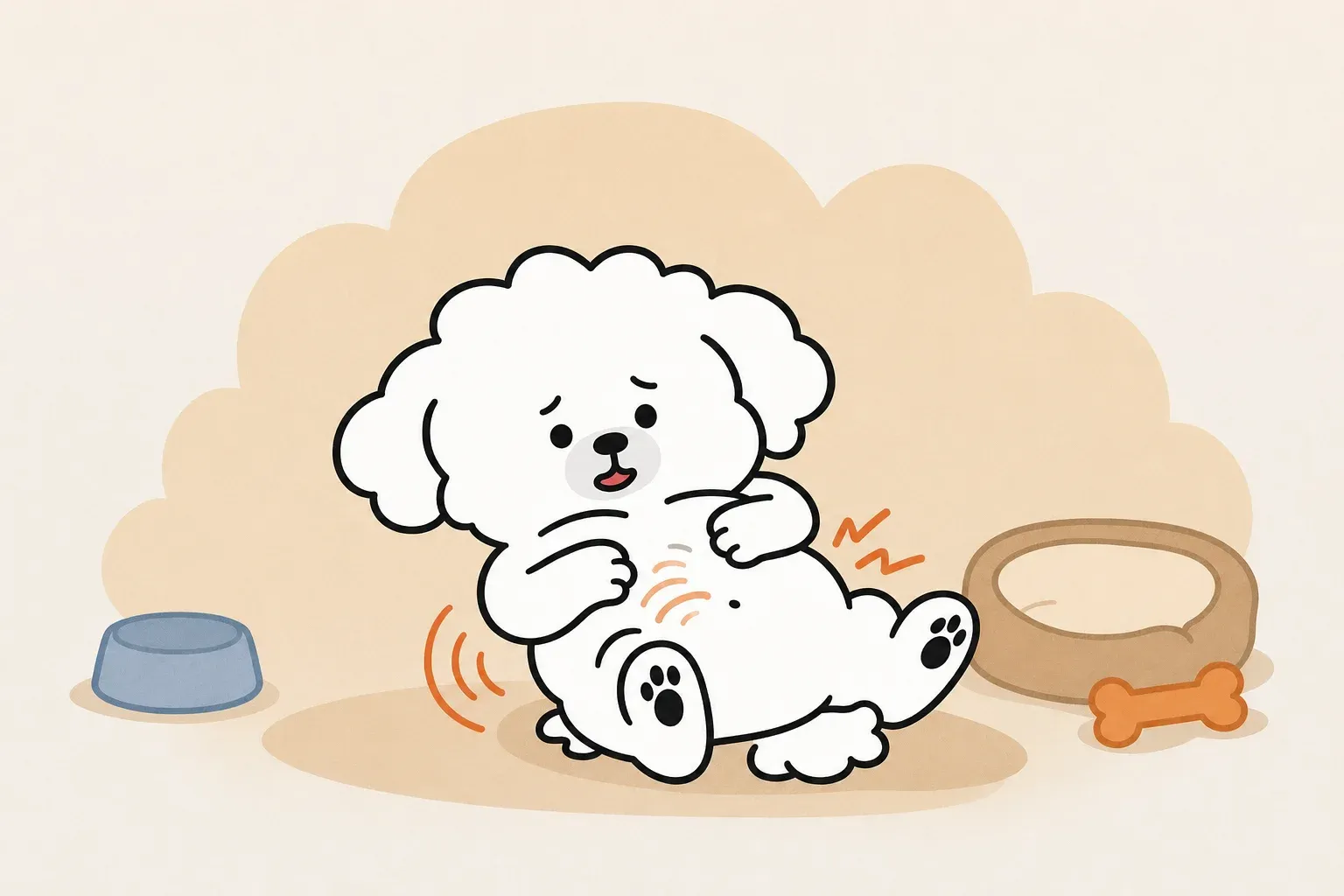
That familiar rumbling sound coming from your dog’s belly is something most pet owners hear at least occasionally. Sometimes it is simply hunger. Other times it signals a digestive problem that needs attention. Knowing the difference between normal dog stomach gurgling and a warning sign can help you respond quickly — and confidently.
This guide covers the science behind those sounds, the six most common causes, red-flag symptoms that require veterinary care, and evidence-based home remedies you can use safely.
Is It Normal for a Dog’s Stomach to Make Noises?
What Is Borborygmi?
The medical term for stomach and intestinal sounds is borborygmi (pronounced bor-boh-RIG-mee). These sounds are produced by peristalsis — the rhythmic, wave-like muscle contractions that push food, fluid, and gas through the GI tract. Every healthy digestive system generates borborygmi continuously; most of the time, the sounds are too quiet to hear without a stethoscope.
When the sounds become audible across the room, it typically means one of three things: there is more gas than usual in the gut, there is less solid content to dampen the sound (an empty stomach), or gut motility is either faster or slower than normal.
Normal vs. Abnormal Stomach Sounds
Not all gurgling sounds are alike. Learning to distinguish between sound types can help you gauge urgency.
| Sound Type | Likely Cause | Typical Concern Level |
|---|---|---|
| Low, intermittent rumble | Hunger or normal digestion | Low |
| Gurgling or bubbling after meals | Gas from eating | Low |
| Loud, prolonged gurgling | Excess gas, diet change, early GI upset | Moderate |
| Sloshing or fluid sounds | Water pooling in stomach, early obstruction | Moderate–High |
| Complete silence (no sounds at all) | Ileus — gut motility stopped | High — seek vet care |
A key point often missed in general pet content: the absence of gut sounds can be more serious than loud gurgling. Veterinarians use a stethoscope to confirm motility is present. If your dog’s abdomen sounds completely silent during an episode of distress, treat this as an emergency.
Common Causes of Dog Stomach Gurgling
Hunger — Empty Stomach Rumbling
The most common and benign reason for dog stomach gurgling is a simple empty stomach. When the gut is empty for several hours, stomach acid and digestive enzymes continue to be secreted, and the resulting gas and fluid movement produces louder-than-usual sounds.
This is especially noticeable in the early morning before the first meal. The gurgling typically resolves within minutes of eating.
Accompanying signs: Your dog is otherwise bright, alert, and eager to eat. No vomiting, diarrhea, or lethargy.
Eating Too Fast or Overeating
Dogs that eat rapidly swallow large amounts of air along with their food (a process called aerophagia). This air becomes trapped in the stomach and intestines, causing prominent gurgling and bloating in the hour or two after a meal.
Overeating places mechanical stress on the stomach wall and can slow gastric emptying, prolonging the window during which sounds occur.
Accompanying signs: Visible abdominal distension, belching, or flatulence after meals.
Gas and Bloating
Intestinal gas is produced by bacterial fermentation of undigested carbohydrates in the colon. Certain foods — legumes, cruciferous vegetables, and high-fiber fillers — significantly increase fermentation and gas output. Some dogs are also more sensitive to lactose or artificial sweeteners, which can cause fermentation-related gurgling even in small amounts.
Note on GDV risk: Gas bloating in dogs should never be taken lightly in large, deep-chested breeds such as Great Danes, Standard Poodles, German Shepherds, and Doberman Pinschers. These breeds are anatomically predisposed to gastric dilatation-volvulus (GDV) — a life-threatening condition where the stomach fills with gas and rotates on its axis. GDV can progress from early discomfort to death within hours. If your deep-chested dog shows a distended, tense abdomen, unproductive retching, or sudden extreme restlessness, go to an emergency veterinary clinic immediately. Do not wait. Our dog bloat (GDV) survival guide covers the full emergency protocol, surgical options, and breed-specific prevention strategies.
Dietary Changes or Food Intolerance
The canine gut microbiome (the community of bacteria that aid digestion) needs time to adapt when the diet changes. Switching foods too quickly disrupts this microbial balance, leading to increased gas production, loose stools, and audible gurgling.
Food intolerance — a non-immune reaction to a specific ingredient — can produce chronic, recurring gut noise alongside soft stools or occasional vomiting. Common culprits include wheat, corn, dairy, and certain protein sources.
Accompanying signs: Gurgling appears consistently around the same foods or shortly after a diet switch. Stools may be softer or more frequent than usual.
Swallowing Foreign Objects
Dogs that chew and swallow non-food items — socks, toys, corn cobs, bones, rocks — can develop a partial or complete intestinal obstruction. A partial obstruction often produces loud, fluid-sloshing sounds as ingested material and fluid cannot pass normally. A complete obstruction may cause the gut to fall silent.
Foreign body obstruction is a surgical emergency. If your dog has access to objects they might swallow and suddenly develops gurgling alongside repeated vomiting, failure to defecate, or abdominal pain, seek veterinary care the same day.
GI Conditions — Gastritis, Pancreatitis, Intestinal Obstruction
Several underlying conditions use stomach noise as one of their presenting signs:
Gastritis (inflammation of the stomach lining) can be acute — from garbage ingestion, sudden diet change, or toxin exposure — or chronic. Acute gastritis typically resolves within 24–48 hours with supportive care, but vomiting blood or black, tarry stools require immediate attention.
Pancreatitis (inflammation of the pancreas) disrupts normal GI motility and causes prominent borborygmi, often accompanied by hunched posture, pain when touching the abdomen, vomiting, and decreased appetite. Dogs with pancreatitis require specific dietary management to reduce the burden on the digestive system during recovery.
Intestinal parasites such as roundworms, hookworms, and Giardia alter gut motility and mucosal integrity, leading to chronic gurgling, soft stools, and poor nutrient absorption. Annual fecal testing and appropriate parasite control are the standard of care for all dogs.
When to Worry: Warning Signs That Need a Vet Visit
Dog stomach gurgling on its own — without other symptoms — is rarely an emergency. The situation changes when additional signs appear.
Gurgling with Vomiting or Diarrhea
A single episode of vomiting or soft stool alongside gurgling is common with mild GI upset. The threshold for concern is:
- Vomiting more than 3 times in 24 hours
- Blood in vomit (fresh red or coffee-ground appearance)
- Diarrhea that is black, tarry, or contains blood
- Any combination of vomiting and diarrhea persisting beyond 24 hours, due to the rapid risk of dehydration
If your dog is also vomiting repeatedly, do not rely on home remedies alone — call your vet.
Loss of Appetite Lasting 24+ Hours
Dogs occasionally skip a meal without cause for concern. However, if gurgling accompanies appetite loss or picky eating that persists beyond 24 hours — especially if the dog was previously eating normally — this combination suggests a systemic problem rather than simple gas.
Abdominal Pain or Tension on Touch
A healthy dog should tolerate gentle palpation of the abdomen without flinching, tensing, or vocalizing. If your dog guards their belly, growls when you touch the area, or their abdomen feels board-hard, this is a pain response.
Abdominal rigidity is a hallmark of peritonitis, GDV, or intestinal perforation — all of which are surgical emergencies.
Lethargy, Drooling, or the Prayer Position
Watch for:
- Lethargy: Significant decrease in energy, reluctance to move, or unresponsiveness to normal stimuli
- Hypersalivation (drooling): Excessive drooling unrelated to food is a strong indicator of nausea or severe abdominal pain
- Prayer position: Front legs extended forward and lowered to the ground while the hindquarters remain elevated — a posture dogs adopt to relieve upper abdominal pain, commonly associated with pancreatitis
Any one of these signs alongside stomach gurgling is a reason to call your veterinarian the same day. All three together warrant an immediate emergency visit. If you are ever uncertain about severity, consult the emergency first aid guide for guidance on assessing your dog’s condition.
Quick Reference Checklist
- Gurgling only, dog acting normally → Monitor; no immediate action needed
- Gurgling + mild soft stool, still eating → Bland diet for 24–48 hours
- Gurgling + not eating for 24+ hours → Call your vet
- Gurgling + repeated vomiting or bloody stool → Vet visit same day
- Gurgling + abdominal distension + retching (especially large breed) → Emergency clinic now
- Gurgling + prayer position + drooling + lethargy → Emergency clinic now
Home Remedies for Dog Stomach Gurgling
These approaches are appropriate for dogs that are acting normally, eating and drinking, and have mild, occasional gurgling without any red-flag symptoms. If your dog has any of the warning signs described above, consult your veterinarian before attempting home management.
Adjust Feeding: Smaller, More Frequent Meals
Instead of one or two large meals per day, divide your dog’s daily ration into three or four smaller portions. This reduces the volume of food that enters the stomach at once, lowers the risk of aerophagia, and maintains a more consistent stomach pH — all of which reduce gurgling frequency.
Following evidence-based feeding amount guidelines for your dog’s size and life stage is foundational to digestive health.
Bland Diet: Low-Fat, Easy-to-Digest Food
The classic veterinary-recommended bland diet consists of plain, boiled, skinless chicken breast mixed with plain white rice at a ratio of approximately 1:3 (chicken:rice). This combination is low in fat, easy to digest, and reduces the fermentation load on the colon.
Feed the bland diet for 24–48 hours for mild episodes. Gradually reintroduce the regular food over 3–5 days by mixing increasing amounts of the regular food with decreasing amounts of the bland diet.
OTC remedy safety note: Do not administer Pepto-Bismol (bismuth subsalicylate), Imodium (loperamide), or human antacids without direct veterinary guidance. Salicylates can be toxic to dogs, and loperamide is dangerous in breeds with the MDR1 gene mutation (Collies, Australian Shepherds, and related herding breeds). Safe, effective options exist — ask your vet which is appropriate for your dog.
Gentle Belly Massage to Relieve Gas
A structured belly massage can help move trapped intestinal gas forward and reduce discomfort. Here is how to perform it safely:
- Have your dog lie on their side on a comfortable, flat surface.
- Place your fingertips — not your palm — lightly on the abdomen, just below the ribs on the right side.
- Using gentle, clockwise circular motions, move your fingertips slowly from right to left across the abdomen, following the direction of colon motility.
- Apply only light pressure. The goal is movement, not compression.
- Continue for 3–5 minutes, then allow your dog to stand and move around.
Stop immediately and do not repeat if your dog:
- Tries to move away, whimpers, or growls
- Shows abdominal tensing or guarding
- Appears more distressed after than before
Do not massage the abdomen if GDV is suspected. Manipulation of a bloated, twisted stomach can worsen the condition.
Encourage Hydration
Adequate water intake supports gut motility and keeps intestinal contents moving at a normal rate. Dogs that are slightly dehydrated can develop slower gut transit, which allows more fermentation and gas accumulation.
Offer fresh water frequently. For dogs that resist drinking enough, adding a small amount of low-sodium chicken broth (no onion, no garlic) to the water bowl can increase intake. Gut health is closely linked to overall hydration and the integrity of the intestinal microbiome.
Slow Feeder Bowls
Slow feeder bowls feature ridges, mazes, or raised internal structures that force dogs to eat around obstacles, naturally reducing eating speed by 50–80% compared to standard bowls. This simple intervention significantly decreases air swallowing during meals and is strongly recommended for dogs that eat rapidly or have recurring post-meal gurgling.
Puzzle feeders and snuffle mats offer similar benefits while adding mental stimulation.
Preventing Stomach Gurgling in Dogs
For dogs with recurring GI noise, long-term prevention is more effective than repeated short-term treatment.
Consistent Feeding Schedule and Portions
Feeding at the same times each day regulates stomach acid secretion and digestive enzyme release to coincide with meal arrival. This consistency reduces the hunger-related acid surges that produce loud empty-stomach gurgling. Avoid free-feeding arrangements, which make it difficult to monitor intake and often lead to irregular gut activity.
Gradual Food Transitions (7–10 Day Rule)
Whenever you change your dog’s food — new brand, new formula, or new protein source — transition over a minimum of 7 to 10 days. A practical schedule:
- Days 1–3: 75% old food, 25% new food
- Days 4–6: 50% old food, 50% new food
- Days 7–9: 25% old food, 75% new food
- Day 10+: 100% new food
Dogs with sensitive digestion or a history of food intolerance may need a 14-day transition. If loose stools or gurgling appear at any stage, slow the transition further.
Regular Exercise for Gut Motility
Moderate daily exercise is one of the most underappreciated supports for canine digestive health. Physical activity stimulates gut motility, reduces gas accumulation, and helps maintain a healthy body weight — which in turn reduces the strain on the digestive system. Aim for at least 30 minutes of moderate activity daily, adjusted for your dog’s age, breed, and health status.
Reducing Stress and Anxiety
The gut-brain axis is well-documented in both human and veterinary medicine. Chronic stress and anxiety alter gut motility, increase intestinal permeability, and change the composition of the gut microbiome — all of which manifest as increased borborygmi, soft stools, and vomiting.
Common stressors include changes in household routine, new people or animals, loud noises, and separation anxiety. Probiotic supplementation — particularly strains of Lactobacillus acidophilus and Bifidobacterium animalis — has been shown in several canine studies to improve stool quality and reduce GI noise during periods of stress. Discuss appropriate supplementation with your veterinarian before starting.
Dog Stomach Gurgling While Sleeping — Should You Be Concerned?
One of the most searched questions about this topic is why dogs’ stomachs gurgle specifically at night or while they are asleep. The short answer: it is almost always normal, and there is a physiological reason for it.
During sleep, muscle tone in the body decreases — including in the GI tract. This mild relaxation means gas moves a little differently through the intestines, and sounds that would be masked by ambient noise during the day become more audible in a quiet room at night.
Additionally, the last meal of the day is often being actively digested during the evening hours. Peak digestive activity — characterized by the highest level of peristaltic contractions — naturally produces the most audible sounds.
When sleep-specific gurgling is worth investigating:
- The sounds are so loud they seem abnormal compared to your dog’s usual patterns
- Your dog wakes up, appears distressed, changes positions frequently, or circles and paws at their abdomen
- The gurgling is accompanied by retching, drooling, or refusal to lie still
In those cases, the nighttime timing is coincidental — the underlying cause, not the sleep state, requires evaluation.
Connecting eating grass behavior with nighttime gurgling is worth noting: some dogs eat grass during early morning hours, which can indicate GI discomfort that was building overnight. If your dog consistently seeks out grass immediately after waking, mention it to your veterinarian — it may reflect overnight acid accumulation or low-grade nausea.
The information in this article is intended for educational purposes and does not replace professional veterinary advice. If you are concerned about your dog’s health, consult a licensed veterinarian. For suspected GDV, intestinal obstruction, or other acute emergencies, seek immediate veterinary care.
References
FAQ
Is dog stomach gurgling normal?
What can I give my dog for a gurgling stomach?
Why is my dog's stomach gurgling while sleeping?
Why is my dog's stomach gurgling and they are not eating?
Can I massage my dog's belly to relieve gurgling?
Related Articles
7 Science-Backed Benefits of Probiotics for Dogs
Science-backed benefits of probiotics for dogs, weight-based dosage chart, natural food sources, and supplement selection criteria — all in one guide.
Why Is My Dog Throwing Up? Causes by Vomit Color and When to See the Vet
Learn the most common dog vomiting causes by vomit color, breed risk factors, emergency warning signs, and a step-by-step home care protocol from hours 0–24.
Dog Diarrhea Causes: Color Guide and Day-by-Day Home Care
Dog diarrhea causes explained by stool color, with a day-by-day home care protocol, vet warning signs, and weight-based pumpkin dosages.