 Cirius Petpedia
 Dog Shivering Causes: Normal Trembling vs. Warning Signs
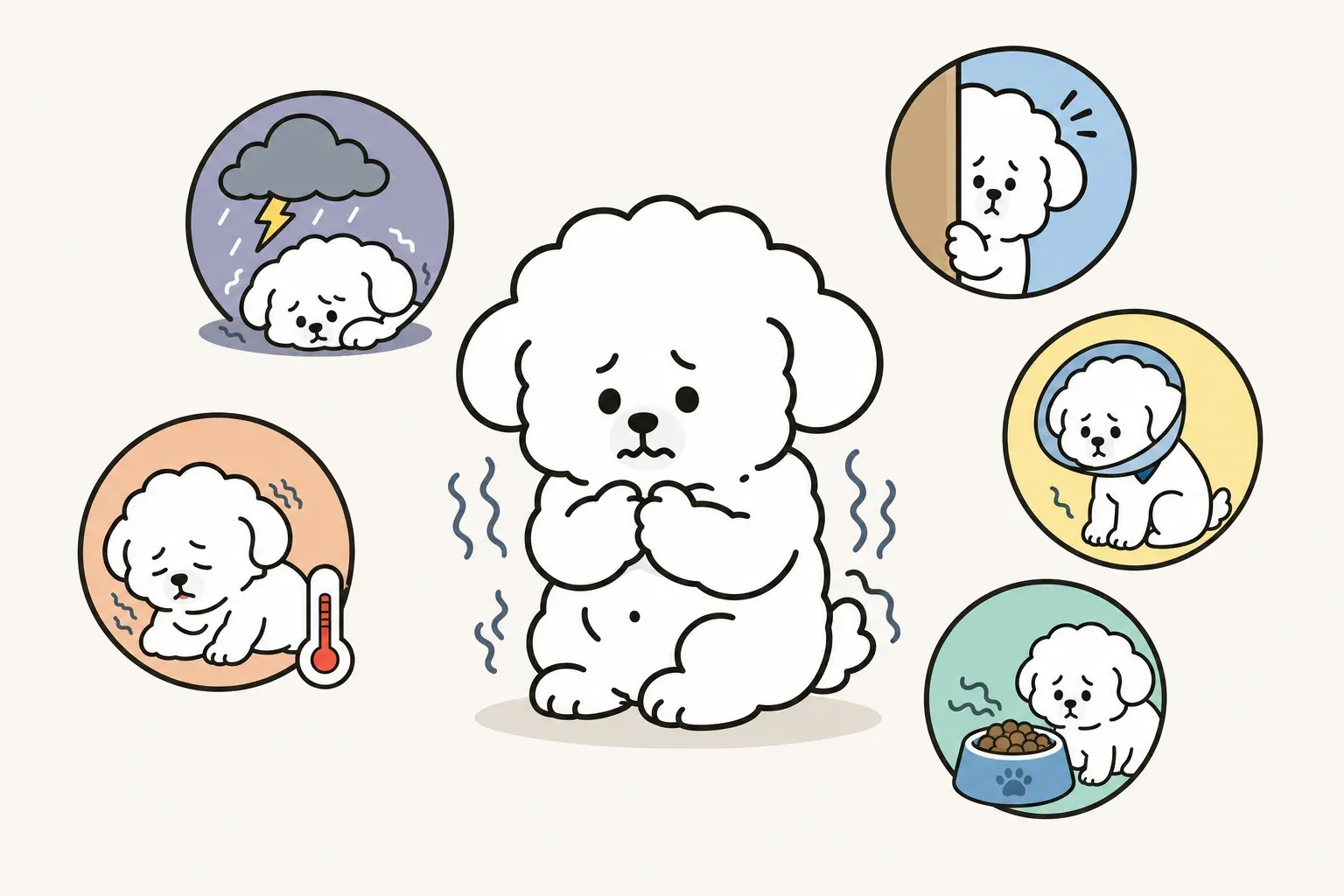
Your dog starts shaking, and your first instinct is to worry. That reaction makes sense — but not all trembling carries the same meaning. A puppy quivering from cold and a senior dog shaking from joint pain look superficially similar, yet require very different responses.
This guide breaks down the full picture of dog shivering causes using a framework that competing articles lack: a three-tier urgency system, age-specific trembling profiles, and a concrete comparison table that separates trembling from seizures. The goal is to help you make a fast, accurate judgment about what your dog’s shaking means — and what to do next.
What Is Dog Trembling — and How It Differs from a Seizure
Tremor mechanics in dogs
A tremor is an involuntary, rhythmic muscle contraction. In dogs, tremors can originate at multiple points in the nervous system: the motor cortex, cerebellum (the brain’s coordination center), peripheral nerves, or the muscles themselves. The origin determines whether the trembling is focal (one limb, the head) or generalized (the whole body).
Physiological tremors — those caused by cold, emotion, or fatigue — arise from the body’s normal feedback loops and resolve once the trigger is removed. Pathological tremors persist regardless of context, often worsen over time, and signal an underlying medical problem.
Trembling vs seizure: key differences
One of the most anxiety-inducing situations for dog owners is not knowing whether they are watching a trembling episode or a seizure. The table below captures the core distinguishing features:
| Feature | Trembling / Shivering | Seizure |
|---|---|---|
| Consciousness | Fully conscious, responsive | Altered or absent |
| Eye contact | Holds eye contact | Fixed gaze, eyes may roll |
| Muscle pattern | Rhythmic, fine to coarse vibration | Rigid, paddling, or convulsing |
| Duration | Seconds to minutes; often cyclical | Typically 30 seconds to 2 minutes per episode |
| Post-episode behavior | Returns to normal quickly | Disoriented, confused (post-ictal phase) |
| Triggered by stimulus | Often yes (cold, noise, excitement) | Rarely; may occur during sleep or rest |
If you are unsure which is happening, record a short video on your phone. A veterinarian can often distinguish the two from footage alone. For a detailed look at seizure recognition and management, see our dog seizure and epilepsy guide.
4 Normal Reasons Dogs Shiver
Cold — thermoregulation response
Dogs regulate body temperature partly through shivering — rapid involuntary muscle contractions that generate heat. Short-coated breeds (Greyhounds, Weimaraners, Miniature Pinschers), toy breeds, and dogs with low body fat are particularly susceptible to cold-triggered shivering. Wet fur dramatically accelerates heat loss.
Observable resolution is the key marker: a dog shivering from cold warms up quickly once moved indoors or given a blanket, and the trembling stops within minutes.
Excitement or anticipation
Many dogs tremble visibly when greeting a favorite person, anticipating a meal, or waiting to be released for a walk. This is a form of adrenergic arousal — a surge of epinephrine (adrenaline) that the body hasn’t fully channeled into movement yet. The shaking is typically brief, accompanied by a wagging tail and bright eyes, and disappears once the exciting event begins.
Anxiety and stress
Trembling is a recognized physiological expression of fear and anxiety in dogs. Common triggers include thunderstorms, fireworks, separation, and unfamiliar environments. Dogs experiencing anxiety-related shivering usually show additional behavioral signals: tucked tail, flattened ears, yawning, panting, or seeking close contact with their owner.
If anxiety is a chronic problem rather than a situational one, dog separation anxiety and noise phobia management both have structured approaches for long-term behavior support.
Shake-off — drying wet fur or releasing tension
The full-body shake dogs perform after a bath, rain, or a stressful interaction is not the same as trembling. This is a voluntary, high-amplitude motion that clears excess water from the coat or discharges built-up muscular tension. It typically lasts one to two seconds, involves the entire body in a wave from nose to tail, and requires no intervention.
4 Concerning Causes That Need Attention
Pain — joint disease, abdominal pain, injury
Pain is one of the most underrecognized causes of trembling in dogs. Unlike humans, dogs rarely vocalize pain directly. Instead, they tremble, guard affected body parts, or become unusually still. Pain-related shivering is often accompanied by changes in posture, reluctance to move, decreased appetite, or flinching when touched in specific areas.
Joint conditions — particularly osteoarthritis and orthopedic injuries — produce a characteristic trembling that worsens after rest and during weight-bearing activity. Abdominal pain from conditions such as pancreatitis, bloat, or gastrointestinal obstruction can cause full-body trembling along with a hunched posture and distended abdomen.
Reading pain-related body language in dogs is a learnable skill worth building.
Accompanying symptoms to watch for:
- Reluctance to climb stairs or jump
- Hunched back or tucked abdomen
- Sensitivity to touch around joints or belly
- Reduced activity or restlessness at night
Hypoglycemia — especially in small breeds and puppies
Hypoglycemia (low blood sugar) is a medical emergency in which blood glucose drops below levels needed to sustain normal brain and muscle function. In dogs, trembling or muscle weakness is often the first visible sign, progressing to disorientation, collapse, or seizures if untreated.
Small-breed dogs and puppies are most vulnerable due to their limited glycogen (stored glucose) reserves and high metabolic rate. Toy breeds fed on irregular schedules, or puppies that refuse to eat, can develop hypoglycemia within hours.
Red flag symptoms alongside trembling:
- Wobbling or uncoordinated movement
- Blank staring or apparent confusion
- Extreme lethargy
- Pale or white gums
If hypoglycemia is suspected, rub a small amount of honey or corn syrup on the dog’s gums and seek emergency veterinary care immediately.
Toxin ingestion — chocolate, xylitol, grapes
Ingestion of certain foods and household substances can trigger acute, severe trembling as part of a broader toxic response. The nervous system is particularly sensitive to several common toxins:
- Chocolate and caffeine (methylxanthines): cause muscle tremors, restlessness, elevated heart rate
- Xylitol (artificial sweetener in gums, peanut butter, baked goods): causes dangerous blood sugar drop, liver damage
- Grapes and raisins: kidney toxicity, sometimes accompanied by trembling and weakness
- Macadamia nuts: hind limb weakness, tremors, hyperthermia
- Organophosphate insecticides: severe muscle tremors, excessive salivation, seizures
Trembling triggered by toxins typically has a rapid onset and is accompanied by vomiting, excessive drooling, or neurological signs. If you suspect poisoning, do not wait for symptoms to worsen. Contact the ASPCA Animal Poison Control Center (888-426-4435) or go to an emergency vet immediately. For a comprehensive list of dangerous substances, see our dog toxic foods and substances guide.
Neurological conditions — distemper, GTS, cerebellar disease
Several neurological diseases produce chronic or progressive trembling that cannot be explained by external triggers:
Canine Distemper Virus (CDV) is a serious viral infection that attacks the nervous system. Tremors, twitching, and “chewing gum” jaw spasms are hallmarks of the neurological phase. Distemper primarily affects unvaccinated puppies and young adults. Vaccination is the most effective prevention.
Generalized Tremor Syndrome (GTS) — also called “White Shaker Dog Syndrome” — is an inflammatory brain condition that causes full-body fine tremors with no apparent pain or altered consciousness. Though the name implies small white dogs (Maltese, West Highland White Terriers), GTS can affect any breed or color. It responds well to corticosteroid treatment when diagnosed early.
Cerebellar disease and degenerative conditions disrupt the cerebellum’s role in coordinating movement. Tremors are often “intention tremors” — meaning they worsen when the dog tries to move toward a target, such as a food bowl — and may be accompanied by head bobbing or an unsteady gait. If your dog’s unsteadiness is sudden in onset and accompanied by rapid, involuntary eye movements (nystagmus) and a head tilt, vestibular disease is a more likely diagnosis than cerebellar disease and warrants same-day veterinary evaluation.
Age-Specific Trembling Patterns
One of the clearest gaps in most online resources on dog shivering is the absence of age-specific context. A trembling puppy and a trembling senior dog have different high-probability causes and different risk profiles.
Puppies (under 1 year) — hypoglycemia and hypothermia risks
Puppies have two critical vulnerabilities: their thermoregulation is immature, and their glycogen reserves are minimal. In the first weeks of life, even brief separation from littermates can cause dangerously rapid cooling. In small-breed puppies from weaning to approximately six months, missing a meal or experiencing stress can trigger hypoglycemia within hours.
Additionally, puppies that have not completed their vaccination series are at risk for distemper. Any puppy displaying tremors alongside respiratory symptoms (nasal discharge, coughing) or eye discharge warrants immediate veterinary assessment.
Priority causes for trembling puppies:
- Hypothermia (especially in toy breeds or cold environments)
- Hypoglycemia (especially in small breeds with irregular feeding)
- Distemper (unvaccinated puppies)
- Anxiety — common in newly rehomed puppies adjusting to a new environment
Adult dogs — stress, pain, and toxin exposure
In otherwise healthy adult dogs, trembling is most commonly situational: linked to a stressor (thunderstorm, fireworks, a new pet in the household) or a specific activity (car rides, vet visits). Benign trembling resolves predictably when the trigger is removed.
The clinical concern in adult dogs is unexplained, persistent, or worsening trembling — particularly if it is accompanied by other behavioral changes. Pain-related trembling from injuries, early-stage joint disease, or abdominal conditions should be ruled out early. Toxin ingestion remains a consideration whenever the onset is sudden.
Senior dogs — muscle wasting, joint weakness, cognitive dysfunction
Older dogs are the demographic most frequently seen by vets for trembling, and the causes are often multifactorial. Three interrelated processes are common:
Muscle atrophy (sarcopenia): The progressive loss of muscle mass in aging dogs — especially in the hindquarters and limbs — reduces their ability to stabilize joints and sustain posture, leading to visible trembling during standing or walking. See our article on muscle atrophy and sarcopenia in dogs for management strategies.
Joint weakness and osteoarthritis: Chronic joint pain in senior dogs manifests as trembling that is more pronounced after rest (post-rest stiffness) and after extended exercise. Cold weather reliably exacerbates symptoms.
Cognitive Dysfunction Syndrome (CDS): The canine equivalent of dementia can present with trembling, disorientation, and disrupted sleep-wake cycles. CDS-related trembling tends to occur at night and is accompanied by signs like staring at walls, getting “stuck” in corners, or failing to recognize familiar people.
Alongside these, senior dogs are more susceptible to endocrine disorders such as hypothyroidism and Addison’s disease, both of which can cause muscle weakness and trembling as core symptoms. Reduced energy and movement changes often appear as activity decline and lethargy in tandem.
When to See a Vet: A 3-Tier Checklist
This framework helps you categorize the urgency of your dog’s trembling based on accompanying symptoms and context.
Emergency — go now
Call your vet or go to an emergency clinic immediately if trembling is accompanied by any of the following:
| Symptom | Possible Cause |
|---|---|
| Collapse or inability to stand | Toxin ingestion, severe hypoglycemia, cardiac event |
| Suspected toxin ingestion | Chocolate, xylitol, grapes, insecticides |
| Pale, white, or blue gums | Shock, internal bleeding, cardiac compromise |
| Seizure activity within the episode | Neurological emergency |
| Rapid breathing + distended abdomen | Bloat (GDV) — life-threatening |
| Unresponsive or severely disoriented | Neurological crisis, hypoglycemia |
| Severe trauma (fall, car accident) | Internal injury |
For guidance on stabilizing a dog before reaching the clinic, see the dog emergency first aid guide. If fever is also present alongside trembling, the dog fever symptoms and care guide covers temperature thresholds and the appropriate response at each level.
Urgent — within 24 hours
Schedule a same-day or next-day appointment if:
- Trembling has lasted more than 30 minutes without resolution
- Shaking recurs repeatedly across multiple days with no clear trigger
- Accompanied by limping, stiffness, or reluctance to bear weight
- Accompanied by vomiting, diarrhea, or loss of appetite
- Puppy under 6 months has not eaten in more than 4 hours and is trembling
- Dog is a small or toy breed and the trembling is new or unexplained
- Senior dog is shaking during periods of rest or sleep (not activity-related)
Monitor — observe at home
Observe and track without immediate veterinary contact if all of the following apply:
- Trembling appeared in a clear, identifiable context (loud noise, excitement, cold)
- Trembling resolved completely once the trigger was removed
- Dog is fully alert, eating, drinking, and behaving normally otherwise
- No accompanying symptoms (vomiting, limping, lethargy, pale gums)
If the dog meets “monitor” criteria but the trembling recurs more than twice in a week, schedule a routine veterinary visit to establish a baseline.
Home Care Tips by Cause
Warming and environment adjustments
For cold-triggered shivering, the response is straightforward:
- Move the dog to a warm room immediately
- Use a dry towel to remove moisture from the coat
- Provide a dog-specific heating pad set to low heat, ensuring the dog can move off it
- For small or short-coated breeds, consider a well-fitting dog sweater for outdoor use in cold weather
Never use a heating pad on a setting the dog cannot move away from — heat burns in dogs can develop before they vocalize discomfort.
Creating a calm safe space
For anxiety-related trembling:
- Identify the trigger and reduce exposure where possible (e.g., soundproof curtains for thunder-sensitive dogs)
- Create a covered den space — a crate with a blanket over three sides — where the dog can retreat during stressful events
- Maintain a calm, matter-of-fact tone during trembling episodes; excessive reassurance can reinforce the anxiety response
- Behavior modification programs for chronic anxiety show better long-term outcomes than management alone — consult a certified veterinary behaviorist for persistent cases
Emergency steps for suspected poisoning
If you believe your dog has ingested a toxic substance:
- Do not induce vomiting without veterinary instruction — for some toxins (acids, alkalis, petroleum products), vomiting causes additional harm
- Note what was ingested, when, and approximately how much — this information significantly affects treatment decisions
- Call ASPCA Poison Control (888-426-4435) or go to an emergency clinic — do not wait for symptoms to escalate
- Bring the packaging if possible — exact product names help the veterinary team identify the toxic compound and dose
- Keep the dog calm and warm while transporting to minimize further physiological stress
References
FAQ
Why does my dog shiver during sleep?
My dog's leg shakes but the rest of the body is still — should I be worried?
Are small breeds more prone to shivering?
Can anxiety alone make a dog shake continuously?
How do I tell the difference between a mild seizure and a trembling episode?
Related Articles
What Should You Do When Your Dog Has a Seizure? Causes, First Aid, and Treatment Guide
Everything you need to know about seizures in dogs — causes by age and breed, the three phases of a seizure, first aid steps, and when to call the emergency vet.
Is Your Dog in Pain? 7 Subtle Signs Most Owners Miss
Learn the 7 behavioral signs your dog is in pain that are easy to overlook, how to tell acute from chronic pain, and what to do before your vet visit.
Dog Noise Phobia Treatment: Thunder and Fireworks Guide
Step-by-step guide to treating dog noise phobia from thunder and fireworks. Desensitization protocol, tool comparisons, and when to see a vet.