 Cirius Petpedia
 Dog Dental Cleaning: Cost, Anesthesia Safety & Aftercare
Your dog’s breath has been noticeably unpleasant lately. The gums look a little redder than usual, and there’s a yellowish-brown crust building up along the gumline. You’ve read that dogs need dental cleanings but aren’t sure when, how often, or whether the anesthesia is really necessary.
This guide answers all of it — from what actually happens during a professional dental cleaning to why the anesthesia debate isn’t really a debate, what it costs in 2026, and how to care for your dog afterward.
What Is Dog Dental Cleaning (Scaling)?
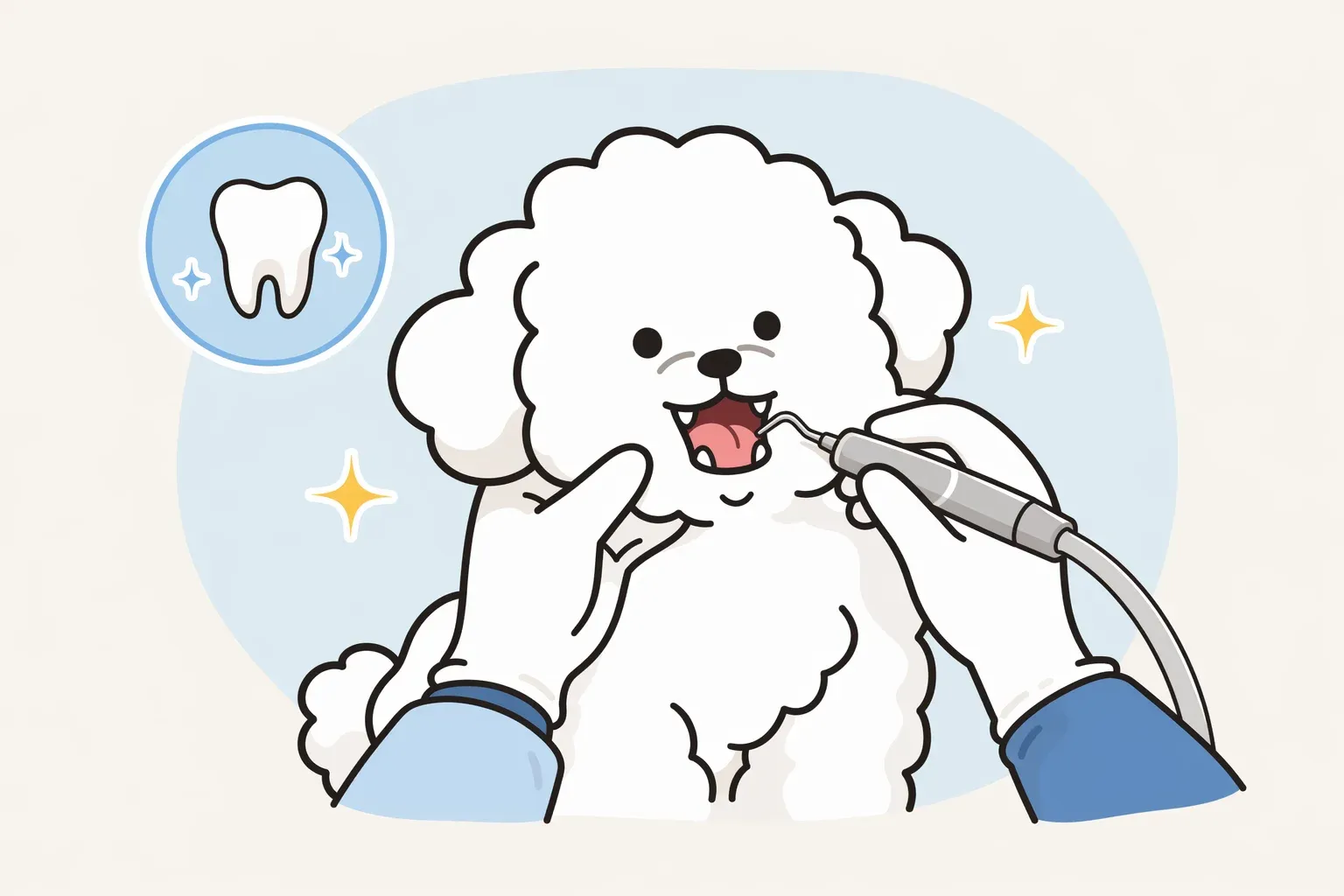
Professional dog dental cleaning — also called dental prophylaxis or dental scaling — is the removal of plaque and calculus (tartar) from both the visible tooth surface and the area below the gumline, followed by polishing to smooth the enamel and slow future buildup. It is performed under general anesthesia by a licensed veterinarian.
It is not the same as wiping your dog’s teeth with a gauze pad or using a finger brush at home. At-home brushing is valuable for prevention, but it cannot access the subgingival (below the gumline) space where the bacteria responsible for periodontal disease colonize.
How Plaque and Tartar Build Up on Dog Teeth
Within 24 hours of eating, bacteria in the mouth form a thin, sticky biofilm on tooth surfaces called plaque. If that plaque isn’t physically disrupted — by brushing — it begins to mineralize using calcium from saliva. Within days to weeks, it hardens into calculus (tartar), a rough, porous material that provides an ideal surface for more bacteria to attach.
Once calculus extends below the gumline, it triggers an inflammatory response in the surrounding tissue. This is periodontitis (periodontal disease) — a process that, left untreated, destroys the ligaments and bone supporting the tooth. Studies estimate that 80% of dogs show signs of periodontal disease by age 3.
Ultrasonic Scaling and Polishing Explained
Veterinary dental scaling uses an ultrasonic scaler — a handpiece that vibrates at high frequency (typically 25,000–45,000 Hz) — to fracture and remove calculus from tooth surfaces. The vibration generates heat, so a water spray simultaneously cools the tip and flushes away debris.
After scaling, the tooth surface is rougher than before, which would accelerate plaque adherence. Polishing with a fine abrasive paste smooths the enamel, extending the window before tartar begins to reform.
Finally, the veterinarian performs a full oral exam — probing each tooth’s sulcus depth, evaluating root exposure, and charting any fractures or resorptive lesions — while the patient is still under anesthesia. This examination is only possible under anesthesia; a conscious dog cannot safely tolerate a dental probe.
When Does Your Dog Need a Dental Cleaning?
There’s no single age that applies universally. The right time is determined by the state of your dog’s mouth, not the calendar.
Age Guidelines: Small Breeds vs. Large Breeds
Small and toy breeds — Chihuahuas, Yorkshire Terriers, Dachshunds, Shih Tzus — are disproportionately affected by dental disease. Their teeth are often crowded into a smaller jaw, plaque accumulates faster, and periodontal disease can become severe by age 2–3. Annual cleanings starting around age 1–2 are commonly recommended for these dogs.
Large breeds tend to develop tartar more slowly, though they are not immune. An initial oral exam at the one-year veterinary visit establishes a baseline, and cleanings every 1–2 years are typical for dogs without significant disease.
Regardless of size, if your veterinarian finds Stage 2 or higher periodontal disease at any routine exam, a professional cleaning is indicated immediately.
Warning Signs: Bad Breath, Red Gums, Visible Tartar
These are the five signs that should prompt an oral exam soon:
| Sign | What It Indicates |
|---|---|
| Persistent bad breath | Bacterial overgrowth in the mouth, often subgingival |
| Visible yellow-brown deposits | Calculus present; professional removal needed |
| Red or swollen gumline | Early gingivitis or active periodontal inflammation |
| Bleeding when chewing | Inflamed gum tissue — not normal |
| Chewing on one side | Pain or discomfort, possibly a fractured or diseased tooth |
Persistent bad breath in dogs is one of the most reliable early indicators. Healthy mouths produce mild breath; foul odor signals bacterial load that at-home brushing alone cannot address.
Annual Veterinary Oral Exam Recommendations
The American Animal Hospital Association (AAHA) Dental Care Guidelines recommend that every dog receive an annual oral health assessment from a veterinarian. This includes a conscious oral exam, risk-factor evaluation (breed, diet, home care history), and a recommendation for whether a professional cleaning is indicated.
Do not wait for visible tartar to book an exam. Subgingival disease can be clinically significant before the teeth look dirty.
The Dog Dental Cleaning Procedure Step by Step
Understanding the full procedure removes the uncertainty that makes many owners hesitant. A well-run dental cleaning follows a consistent protocol.
Pre-Anesthetic Blood Work and Health Screening
Before any anesthetic event, a pre-anesthetic blood panel evaluates organ function — specifically how well the kidneys and liver process and clear anesthetic drugs. Standard panels assess complete blood count (CBC), chemistry values (BUN, creatinine, ALT, ALP), and sometimes coagulation in older patients.
The goal is not to find reasons to cancel the procedure. It is to identify any metabolic abnormality that changes the anesthetic protocol. A dog with mildly elevated kidney values may still safely undergo anesthesia — the protocol is adjusted (lower drug doses, IV fluid support), not abandoned.
Dogs over 7–8 years old typically warrant more comprehensive panels, and a cardiac auscultation (listening for murmurs) is standard. Some hospitals add a pre-anesthetic ECG for high-risk patients.
Anesthesia: Inhalant vs. Injectable Protocols
Most veterinary hospitals use a combination protocol:
- Pre-medication (injection): A sedative-analgesic combination administered 15–20 minutes before induction. This reduces anxiety, lowers the induction drug dose required, and provides early pain control.
- Induction (injection): A short-acting drug — commonly propofol — brings the patient to a plane of anesthesia sufficient for intubation.
- Maintenance (inhalant): An endotracheal tube is placed and the patient breathes isoflurane or sevoflurane mixed with oxygen. Inhalant anesthesia is titratable — the concentration is adjusted in real time based on depth monitoring.
An IV catheter and fluid line are maintained throughout the procedure. Monitoring equipment tracks heart rate, blood pressure, oxygen saturation (SpO2), end-tidal CO2, and body temperature.
Scaling: Supragingival and Subgingival Cleaning
The cleaning proceeds in two zones:
Supragingival scaling (above the gumline): Ultrasonic scaling removes the visible calculus. This is the only zone addressed in non-anesthetic dental cleaning — and it is the less clinically important of the two.
Subgingival scaling (below the gumline): Specialized curettes and ultrasonic tips extend 1–3 mm below the gumline to debride the pocket of calculus and bacterial biofilm. This is where periodontal disease lives. It cannot be performed safely on an awake patient. After scaling, the subgingival surface is planed smooth to retard re-attachment of bacteria.
Following scaling, the entire mouth is rinsed, and polishing paste is applied to all tooth surfaces.
When Extractions Are Necessary
A fractured tooth with pulp exposure, a tooth with severe bone loss measured by periodontal probing, or a tooth with a periapical abscess are candidates for extraction. The veterinarian makes this determination intraoperatively, often using dental radiographs (X-rays) taken during the procedure.
Dental radiographs are essential — approximately 27–49% of significant dental pathology in dogs is not visible on oral examination alone. AAHA guidelines recommend full-mouth radiographs as a standard part of the dental cleaning procedure.
Not every dental cleaning includes extractions. Many routine prophylaxis appointments result in no extractions at all. But if your dog is middle-aged and has never had a cleaning, the probability of finding extractable disease is higher.
Is Anesthesia Really Dangerous?
Anesthesia anxiety is the most common reason owners delay dental care. The concern is understandable — but it often exceeds the actual risk.
Anesthesia Risk Statistics for Healthy Dogs
A landmark study by Brodbelt et al. (2008), published in the Veterinary Journal, reported anesthetic death rates of approximately 1 in 1,849 for healthy dogs (ASA I–II) undergoing elective procedures. That translates to roughly 0.05% for low-risk patients.
For context: periodontal disease is estimated to affect the majority of adult dogs. The bacteremia (bacteria entering the bloodstream) caused by advanced periodontal infection carries its own systemic risks — including documented associations with cardiac, renal, and hepatic disease. The risk of doing nothing is not zero.
Senior Dogs: Age vs. Underlying Conditions
“My dog is too old for anesthesia” is one of the most common concerns veterinarians hear. The AAHA position is clear: age is a risk factor, not a contraindication.
What matters is the dog’s physiological status, not the number of years. A 12-year-old dog with normal bloodwork, no cardiac murmur, and good renal function is a lower anesthetic risk than a 5-year-old with poorly controlled Cushing’s disease.
For senior dogs, the standard approach is thorough pre-anesthetic screening, conservative protocols (lower drug doses, more monitoring, IV fluids), and close post-anesthetic observation. Many dogs in their senior years undergo successful dental cleanings — and experience measurable quality-of-life improvements afterward from pain relief.
Why Non-Anesthetic Dental Cleaning Falls Short
Anesthesia-free dental cleaning (AFDC), also marketed as “anesthesia-free teeth cleaning” or “non-anesthetic dental,” involves scraping visible tartar from the tooth surface of a conscious, physically restrained dog.
The American Veterinary Dental College (AVDC), the American Animal Hospital Association (AAHA), and the American Veterinary Medical Association (AVMA) all oppose this practice. Their shared position: AFDC is a cosmetic procedure that addresses visual appearance without treating the disease.
Specifically, AFDC cannot:
- Access the subgingival pocket, where pathogenic bacteria reside
- Perform dental radiographs to identify subsurface disease
- Complete a thorough periodontal probe examination safely
- Allow polishing (the restraint involved risks injury to the patient)
An AVDC position statement notes that removing only supragingival calculus while leaving subgingival disease untreated “may actually delay appropriate treatment, giving the owner a false sense that the pet’s dental health needs have been addressed.”
How Much Does Dog Dental Cleaning Cost?
Cost is a legitimate concern. Understanding what drives the price helps you budget and have an informed conversation with your veterinarian.
Cost Breakdown: Exam, Blood Work, Anesthesia, Scaling
A routine dog dental cleaning in the US in 2026 typically runs $300–$700 for a dog without significant disease requiring extractions. This covers:
| Service | Approximate Cost |
|---|---|
| Pre-anesthetic exam | $50–$100 |
| Pre-anesthetic blood panel | $80–$200 |
| IV catheter and fluids | $30–$80 |
| Anesthesia (induction + maintenance) | $100–$250 |
| Ultrasonic scaling and polishing | $100–$200 |
| Dental radiographs | $75–$200 |
| Monitoring and nursing care | Included or $50–$100 |
Prices vary significantly by region. Urban practices and veterinary specialty hospitals run toward the high end; general practice clinics in lower cost-of-living areas typically run lower. Dental specialists (board-certified veterinary dentists) will charge more than general practitioners.
Extraction Costs and What Drives the Price Up
Each extracted tooth adds $100–$300 or more to the bill. The variation depends on:
- Number of roots: Multi-rooted teeth (carnassials, large molars) require surgical extraction and are more labor-intensive.
- Whether sectioning is needed: Some multi-rooted teeth must be sectioned into individual roots before removal.
- Closure: Extraction sites requiring gingival flap closure involve additional suturing and time.
A dog requiring 4–6 extractions — not uncommon in a small breed with years of accumulated periodontal disease — can bring the total to $1,500–$2,500 or more.
Pet Insurance Coverage for Dental Procedures
Pet insurance coverage for dental cleaning varies considerably by policy:
- Wellness/preventive add-ons often cover routine dental cleanings up to a set annual limit ($150–$400 typically).
- Accident and illness policies may cover dental extractions if the tooth is extracted due to a covered illness (such as periodontal disease), but typically do not cover routine prophylaxis.
- Pre-existing condition exclusions apply to dental disease in many policies — if your dog already has Stage 3 periodontal disease at enrollment, that may be excluded.
Review your policy’s dental schedule before assuming coverage. When comparing insurance plans, look specifically for whether “dental illness” is included and what the annual dental benefit cap is. For a complete breakdown of what to check before buying a policy, see our dog pet insurance guide.
Aftercare and Preventing Future Buildup
What happens after the cleaning matters as much as the procedure itself. Good aftercare protects the investment and extends the interval before the next cleaning is needed.
Day of Procedure: Fasting and Monitoring
Your dog will be sent home with discharge instructions. Expect:
- Fasting before the procedure: Most hospitals require no food after midnight the evening before; water is typically allowed until the morning of the appointment.
- Grogginess and disorientation for several hours post-anesthesia — completely normal. Keep the environment quiet and calm.
- Soft food the evening after the procedure if no extractions were performed. This reduces discomfort and avoids pressure on sensitive gum tissue.
- Monitoring for complications: Contact your veterinarian if you observe prolonged vomiting, excessive bleeding from the mouth, difficulty breathing, or extreme lethargy lasting more than 24 hours.
First Week Recovery: Soft Food and Extraction Site Care
If extractions were performed:
- Feed soft, moist food for 10–14 days post-extraction. Hard kibble, bones, and hard chews should be avoided until sites are healed.
- Small amounts of blood-tinged saliva in the first 24–48 hours are normal; active red bleeding is not.
- Sutures placed over extraction sites are typically absorbable — they dissolve on their own and do not need to be removed.
- Inspect the extraction sites daily for signs of infection: persistent swelling, yellow-green discharge, or worsening odor.
Most dogs recover quickly and return to normal eating and activity within 3–5 days. Dogs that had significant disease often show behavioral improvements — more playfulness, improved appetite, better energy — that owners attribute to pain relief they didn’t know their dog needed.
Resuming Brushing and Daily Oral Care Routine
Brushing after a cleaning should resume as soon as the gums are no longer tender:
- No extractions: Gentle brushing can typically restart 3–5 days post-cleaning.
- Extractions performed: Avoid brushing near extraction sites for 10–14 days; brush remaining teeth gently.
A consistent dog teeth brushing routine is the single most effective at-home intervention for slowing tartar re-formation. Daily brushing using a veterinary toothpaste (not human toothpaste — fluoride is toxic to dogs) can extend the interval between professional cleanings.
Dietary choices also make a measurable difference. Certain dental health foods and treats carry the Veterinary Oral Health Council (VOHC) seal, meaning they have demonstrated evidence of tartar reduction in controlled studies. These are useful adjuncts but do not replace brushing.
If your dog came out of puppyhood without any dental care habits established, starting a dental routine after permanent teeth erupt is the most effective window — though it is never too late to begin.
Why At-Home Scaling Tools Are Risky
Handheld dental scalers and tartar scrapers marketed for pet home use appear to offer a cost-effective alternative to professional cleaning. They do not.
The risks of at-home scaling include:
Gum laceration. Dental instruments require specific angulation and pressure to debride calculus without cutting soft tissue. Without training, even gentle use can result in lacerations of the gingival margin, creating entry points for infection.
Enamel damage. Improper scaling technique scratches the enamel surface, increasing surface roughness and actually accelerating future tartar adhesion.
Incomplete removal. Calculus that is partially removed but not fully cleared leaves ragged edges that harbor bacteria — potentially worsening the bacterial load compared to leaving the calculus undisturbed.
No subgingival access. Consumer scalers do not reach below the gumline. The area they clean — visible supragingival calculus — is the same area addressed by AFDC, with the added risk of operator injury to the patient.
If cost is the barrier to professional dental care, discuss a payment plan with your veterinarian, investigate CareCredit or Scratchpay financing options, or consider a veterinary school dental clinic (supervised by boarded veterinary dentists, often at reduced cost) rather than attempting home scaling.
Connecting Dental Cleaning to Long-Term Oral Health
A professional dental cleaning is a reset, not a cure. The bacteria that cause tartar formation are permanent residents of your dog’s mouth. The goal after a cleaning is to slow the reformation process enough that the interval between professional cleanings extends — ideally to once a year or less for most dogs.
Understanding what happens when tartar progresses to periodontal disease makes the investment in regular cleanings clearer: advanced periodontal disease involves alveolar bone loss (the bone that holds teeth in place), systemic bacteremia, and pain that dogs hide well until it becomes severe.
The combination of professional cleanings on an appropriate schedule and daily at-home care — brushing, VOHC-certified dental treats, dental health diet — gives your dog the best chance of keeping their teeth through old age. That matters for quality of life more than most owners realize until a dog experiences relief after a long-overdue cleaning.
References
FAQ
How often should my dog get a dental cleaning?
Can senior dogs safely undergo dental cleaning?
Is non-anesthetic dental cleaning effective?
When can I brush my dog's teeth after a dental cleaning?
What drives the cost of dog dental cleaning up the most?
Related Articles
How to Brush Your Dog's Teeth: A Step-by-Step Desensitization Guide
Learn how to brush dog teeth with a 5-step desensitization program, stubborn dog troubleshooting, VOHC-approved alternatives, and age-specific tips.

Dog Periodontal Disease: Symptoms, Stages, and What Every Owner Should Know
Learn the 4 stages of dog periodontal disease symptoms, warning signs, treatment options, and daily home care steps to protect your dog's teeth and overall health.

Foods That Clean Dog Teeth Naturally: A Science-Based Guide
Which foods clean dog teeth naturally? Portion guides by weight, breed-specific advice, and a VOHC comparison table.