 Cirius Petpedia
 Dog Picnic Essentials: Safe Snacks and Safety Tips

A picnic with your dog should be one of the most enjoyable things you do together. The scent of fresh grass, open sky, and the chance to explore — dogs thrive on exactly this kind of experience. But a three-hour outdoor stay is a different animal than a twenty-minute neighborhood walk, and the difference in preparation is significant.
This guide covers everything from a complete dog picnic essentials checklist to seasonal hazard awareness, safe and unsafe foods, park etiquette, and what to check when you get home. Whether you’re packing up for the first time or refining a routine you’ve had for years, there’s something here to make your next outing safer and more enjoyable for both of you.
Why Your Dog Needs Special Preparation for a Picnic
How Outdoor Environments Affect Dogs
Dogs experience outdoor spaces through a sensory filter that’s far more intense than ours. A single afternoon at a park exposes them to dozens of unfamiliar scents, sounds, and visual stimuli simultaneously — other dogs, children, birds, food smells drifting from nearby blankets. For some dogs, this is stimulating and joyful. For others, it’s a slow-building source of stress.
Beyond sensory load, there are physiological factors. Dogs regulate body temperature primarily through panting rather than sweating, which makes them less efficient at cooling down in hot weather. They can also become dehydrated faster than you’d expect when they’re active and excited, especially smaller breeds and flat-faced dogs like Bulldogs or Pugs.
Environmental hazards at parks — treated lawns, wild berries, mulched garden beds, trash — become relevant when your dog has extended time and freedom to investigate. A 20-minute on-leash walk leaves little opportunity for accidental ingestion. Two hours off-leash near a public picnic area is a different situation entirely.
Picnic vs. Walk: Why Extended Outdoor Time Requires Extra Planning
The difference between a picnic outing and a daily walk comes down to duration, environment, and exposure.
On a typical walk, your dog moves at a steady pace, the route is familiar, and you’re home in 30 minutes. A picnic means:
- Extended time in one location — dogs can’t pace themselves if they want to keep engaging with the environment
- Access to unknown foods — other picnickers’ scraps, dropped items, and unattended bags are genuine hazards
- Varied terrain and temperature exposure — sun-heated surfaces, wet grass, and wooded areas each carry different risks
- Social encounters with unfamiliar dogs and people at higher frequency
Planning for a picnic doesn’t mean over-complicating it. It means taking 15 extra minutes at home to pack the right gear so you’re not improvising when something goes wrong in the park.
Dog Picnic Essentials Checklist
Good preparation starts with a reliable picnic with dog checklist. Here’s what to bring and why each item earns its place in your bag.
Safety Gear: Leash, Harness, and ID Tags
Even in designated off-leash areas, a leash should always be within reach. Choose a standard 4–6 foot leash rather than a retractable one — they give you more control in crowded settings. A harness distributes pressure more evenly across the body than a collar and gives you a secure grip if your dog bolts toward another animal.
ID tags are non-negotiable. Make sure current contact information is on your dog’s collar, and consider a backup — a microchip or a tag with a QR code linked to your profile. Parks bring together crowds and unexpected distractions, and even the best-trained dogs have moments of impulse.
Hydration: Collapsible Bowl and Fresh Water
Bring more water than you think you’ll need. A general guideline is about 1 ounce of water per pound of body weight per day, but active outdoor time in warm weather can double that requirement. Collapsible silicone bowls are lightweight and pack flat — there’s no good reason not to have one.
Avoid letting your dog drink from shared water stations, puddles, or ponds. Standing water can harbor leptospirosis bacteria and parasites like Giardia. Bring a clean container from home and offer water every 20–30 minutes when your dog is active. For a detailed breakdown of hydration needs by size and activity level, see our outdoor hydration guide.
Shade and Comfort: Blanket, Cooling Mat, Portable Shade
A picnic blanket serves double duty: it gives your dog a clean surface to rest on and keeps them off hot ground. On sunny days, surface temperatures on asphalt or dark mulch can reach 40°F (22°C) above ambient air temperature — hot enough to cause paw pad burns within minutes.
If the forecast shows temperatures above 75°F (24°C), bring a cooling mat. These pressure-activated mats use a gel that absorbs body heat without requiring refrigeration. A pop-up shade tent or a large umbrella can make a significant difference in comfort during midday hours.
Hygiene: Waste Bags, Wipes, and Towels
Pack more waste bags than you expect to use. Some dogs’ digestion responds to outdoor excitement and unfamiliar smells — you may need two or three bags in one outing. Unscented baby wipes are useful for cleaning paws, wiping around the muzzle after drinking, and addressing minor dirt accumulation.
A small microfiber towel rounds out the hygiene kit. It dries faster than a standard towel, takes up minimal space, and handles wet dog aftermath from puddles or brief wading.
First Aid Kit: Antiseptic, Bandages, Tick Remover
A compact first aid kit for dog outings should include:
| Item | Use |
|---|---|
| Antiseptic wipe or spray | Minor cuts, scrapes from rough terrain |
| Gauze and self-adhesive bandage | Wound wrapping |
| Tick removal tool (fine-tip tweezers or tick key) | Safe tick extraction without squeezing |
| Blunt-tip scissors | Cutting matted fur from a wound |
| Emergency vet contact / pet poison hotline number | Quick access when you need it |
The ASPCA Animal Poison Control Center hotline (888-426-4435) is worth saving to your phone before you leave.
Choosing the Right Picnic Spot
Location matters as much as gear when you’re planning a dog friendly picnic.
How to Check Pet-Friendly Policies
Not all public parks welcome dogs, and those that do often have specific rules — leash requirements, designated areas, or seasonal restrictions during nesting season. Check the park’s official website or call ahead before loading up the car.
Key questions to ask or look up:
- Are dogs permitted in the picnic area specifically (not just the park in general)?
- Is there a leash requirement? In most US jurisdictions, dogs must be on a leash of 6 feet or less unless in a designated off-leash area.
- Are there hours of operation for dog access?
- Is the park currently treating lawns or fields with herbicides or pesticides?
National and state park rules vary widely. County and municipal parks often have the most permissive policies for dogs, but always verify before you go.
What Makes a Safe Location: Shade, Fencing, Water Access
The ideal picnic spot for a dog has natural shade from trees (not just an open field), some degree of natural boundary or visual barrier, and ideally a water source nearby — a creek, fountain, or hose point where you can rinse muddy paws.
Flat, grassy terrain is preferable to rocky or uneven ground, especially for dogs with joint issues or older dogs. Avoid areas directly adjacent to parking lots, busy roadways, or dense brush that could hide wildlife or ticks.
Spots to Avoid: Treated Lawns, Wildlife Areas, Crowded Events
Certain locations come with elevated risk regardless of how well-prepared you are:
- Freshly treated lawns: Look for chemical application signs. Most products are considered dry after 24–48 hours, but if you’re unsure, find a different area.
- Wildlife conservation zones: These areas may have restrictions on dogs, and they concentrate wildlife that can startle or chase your dog.
- Large crowded festivals: High noise levels, dense crowds, and limited space make it difficult to manage your dog’s stress level and monitor what they’re picking up off the ground.
Safe Snacks and Dangerous Foods for Dogs at Picnics
Food safety is where preparation pays off most directly. Picnic environments are full of hazards for dogs — not because people intend harm, but because common picnic foods happen to contain compounds that are toxic to dogs.
Dog-Friendly Picnic Treats
These snacks are safe and most dogs enjoy them. Pre-portion before leaving home to avoid overfeeding.
| Food | Notes |
|---|---|
| Carrot sticks | Low calorie, good for teeth, highly motivating for most dogs |
| Apple slices (no seeds or core) | Seeds contain trace cyanide — remove completely |
| Seedless watermelon chunks | Hydrating; remove rind and seeds |
| Blueberries | Antioxidant-rich, small enough for any size dog |
| Plain cooked chicken (no seasoning) | High-value treat; avoid anything with garlic or onion |
| Cucumber slices | Hydrating, low calorie, crunchy texture |
For homemade treat options that travel well to outdoor settings, see our homemade treat ideas.
Toxic Foods to Keep Away: Grapes, Onions, Chocolate, Xylitol
The following foods are commonly present at picnics and carry real danger for dogs. Share this table with anyone who will be picnicking with your dog.
| Food | Toxic Compound | Symptoms | Notes |
|---|---|---|---|
| Grapes / Raisins | Unknown mechanism | Vomiting, kidney failure | Even small amounts can be fatal; found in fruit salads |
| Onions / Garlic / Leeks | Thiosulfates | Hemolytic anemia, weakness | All allium family; cooked forms still toxic |
| Chocolate | Theobromine, caffeine | Vomiting, seizures, cardiac issues | Dark chocolate most dangerous; found in brownies, trail mix |
| Xylitol | Hypoglycemia mechanism | Rapid drop in blood sugar, liver failure | Hidden in sugar-free drinks, gum, peanut butter |
| Macadamia nuts | Unknown | Weakness, tremors, hyperthermia | Common in cookies and mixed nut bags |
| Corn cobs | Physical obstruction | Intestinal blockage | The cob itself, not the kernels |
| Avocado | Persin | Vomiting, diarrhea | Guacamole dips are a particular risk |
| Alcohol (beer, wine, seltzers) | Ethanol | Disorientation, respiratory distress | Even small amounts cause toxicity in dogs |
According to the ASPCA, grapes and raisins remain among the most common causes of acute kidney failure in dogs despite widespread awareness. Xylitol toxicity has increased in frequency as more foods and drinks market themselves as sugar-free. For the full toxic food list with dosing thresholds, see our complete toxic foods guide.
Sharing Human Food Safely
The safest approach is to bring dedicated dog food or treats and avoid table scraps entirely. If other guests want to give your dog something, ask them to check with you first — well-meaning friends may not know that the grapes in the fruit salad or the slice of onion on the burger bun are potentially life-threatening.
Specific scenarios to watch at picnics:
- Fruit salad: Often contains grapes, raisins, or currants — keep bowls elevated and covered
- Sugar-free items: Lemonade, iced tea, and gum often contain xylitol; read labels
- Charcuterie boards: High salt content in cured meats can cause excessive thirst and, in large amounts, sodium poisoning
- Baked goods: Chocolate chips, raisins, and macadamia nuts are common ingredients
Seasonal Hazards: Spring and Summer Picnic Safety
The peak picnic season — spring through early summer — brings specific hazards that are worth understanding before you head out.
Ticks and Fleas: Prevention and On-Site Checks
Ticks become active when temperatures exceed 50°F (10°C), which means they’re present throughout the spring and summer picnic season. Wooded edges, tall grass, and leaf litter are highest-risk zones. Even well-manicured parks in suburban areas host ticks.
Apply a veterinarian-approved tick preventive before the outing — topical treatments, tick collars, and oral preventives each have different application windows, so confirm your product’s coverage before the trip. While at the park, do a quick check every hour by running your fingers through your dog’s fur, especially around the ears, neck, armpits, groin, and between the toes.
After returning home, do a thorough inspection before your dog settles indoors. If you find an attached tick, use a fine-tip tick remover to extract it without squeezing the body. For detailed prevention protocols and removal technique, see our tick prevention guide.
Pollen Allergies and Grass Reactions
Spring pollen is the primary airborne allergen for many dogs with environmental allergies. Symptoms often look similar to skin conditions — red or watery eyes, sneezing, paw licking, and skin redness after contact with grass. If your dog has a known pollen allergy, an antihistamine approved for use in dogs (ask your vet about dosing) can be given before an outdoor outing.
Check pollen count forecasts for your area before high-allergen days. On very high pollen days, shorter outings and rinsing your dog’s paws and coat after returning home can reduce allergen load.
Heat and Sun Safety: Temperature Thresholds for Activity
The AKC and veterinary guidelines consistently flag ambient temperatures above 80°F (27°C) as risk territory for overexertion and heat stress in most dogs. At 90°F (32°C), even mild exercise can trigger heatstroke within 10–15 minutes in short-nosed breeds and dark-coated dogs.
General outdoor activity guidelines by temperature:
| Temperature | Activity Guidance |
|---|---|
| Below 70°F (21°C) | Generally safe for most dogs |
| 70–80°F (21–27°C) | Take shade and water breaks every 30 minutes |
| 80–90°F (27–32°C) | Limit activity; restrict to early morning or evening |
| Above 90°F (32°C) | Avoid prolonged outdoor activity for most breeds |
Flat-faced breeds (Bulldogs, Pugs, French Bulldogs, Boxers), overweight dogs, senior dogs, and very young puppies have lower heat tolerance and need stricter limits. For a complete breakdown of prevention and early warning signs, see our heatstroke prevention guide.
Signs of heat stress to watch during the outing: excessive panting, thick saliva, glazed eyes, stumbling, or sudden quiet and withdrawal. If you observe these, move your dog to shade immediately, apply cool (not cold) water to their paws and underbelly, and head for emergency veterinary care if symptoms don’t improve within a few minutes.
Picnic Etiquette with Your Dog
Dog-friendly parks work because people follow shared norms. Good etiquette protects your dog, other dogs, and everyone’s enjoyment of the space.
Sharing Space: Leash Management and Bark Control
In leashed areas, keep your dog close enough that you can respond quickly — a 4–6 foot leash is appropriate; a retractable leash can create entanglement risk in crowded areas. Give other picnickers a reasonable buffer, especially if children or elderly guests are nearby.
If your dog is prone to barking at other dogs or reacting to passersby, position your setup with a natural barrier between you and the main traffic flow. Continuous barking disrupts others’ enjoyment of the space and signals that your dog may need more distance to decompress. For training approaches, our walking etiquette guide covers reactivity management in public settings.
Meeting Other Dogs: Proper Introduction Protocol
Not every dog at the park wants to meet your dog, even if yours is friendly. Always ask the other owner before allowing your dog to approach. A simple “Is it okay for them to meet?” avoids the vast majority of uncomfortable encounters.
When introductions do happen, let dogs approach on loose leashes and meet nose-to-side rather than nose-to-nose (face-to-face greetings can be perceived as confrontational). Watch for stiff body language, locked eye contact, or raised hackles — signals to calmly separate before tension escalates. Keep initial interactions brief, especially in warm weather when both dogs may already be slightly overstimulated.
In off-leash areas, supervision matters more, not less. Dogs that are fine on-leash sometimes become resource-protective or overwhelmed in open play settings, particularly around picnic food.
Leave No Trace: Cleanup and Environmental Respect
Pack out what you pack in, including your dog’s waste. Leaving waste bags behind is one of the primary reasons parks restrict or revoke dog access — it takes one poor experience to affect the entire community’s access.
Avoid letting your dog dig up planted areas, pull on flowering shrubs, or wade into maintained water features. If your dog chases wildlife, keep them leashed in areas where birds or small animals are present. Sharing outdoor spaces well means those spaces remain open for dogs.
Post-Picnic Health Check
The check-in when you get home is as important as preparation before you leave. Several health issues that arise from picnic outings don’t show symptoms until hours later.
Full-Body Tick and Debris Inspection
Before your dog comes inside, do a thorough hands-on check. Part the fur in sections and feel for bumps, seeds, burrs, or attached ticks. Focus on:
- Around and inside the ears (ticks favor warm, hidden spots)
- Neck and collar line
- Armpits and groin
- Between the toes and around nail beds
- Under the tail and around the hindquarters
Foxtail grass seeds deserve special attention in late spring and summer. These barbed seeds can work into the skin, ears, and nasal passages and cause serious infections that require veterinary intervention.
Paw Pad Condition Check
Examine each paw pad carefully. Look for:
- Redness or cracking from hot surfaces
- Cuts or abrasions from rough terrain
- Embedded debris between toes
- Swelling, which can indicate a sting or bite
If pads appear red but intact, rinse with cool water and allow your dog to rest. Visibly cracked or bleeding pads should be cleaned, covered loosely, and assessed by a vet if the dog is limping or refuses to bear weight.
Signs of Overexertion or Heat Stress
Watch your dog for the first 12–24 hours after returning home. Post-exertion signs that warrant attention:
- Continued rapid breathing or panting 30+ minutes after returning to a cool environment
- Loss of interest in food or water
- Limping or reluctance to move
- Vomiting or diarrhea (especially if multiple episodes)
- Unusual lethargy or disorientation
A dog that seems fine at the park can show fatigue or digestive effects once the adrenaline wears off at home. If any of the above persist beyond a few hours, contact your veterinarian rather than waiting to see if they resolve on their own.
A well-planned picnic with your dog isn’t complicated — it’s a checklist, some food knowledge, and the habit of watching for the signals your dog gives you. The dogs that have the best outdoor experiences are the ones whose owners show up prepared and stay observant throughout. That’s the whole formula.
References
FAQ
How long can a dog safely stay at a picnic?
Can small dogs handle outdoor picnics?
My dog eats grass at the park — is it safe?
What if my dog gets diarrhea during the outing?
Can unvaccinated puppies go on outdoor picnics?
Related Articles

Dog Spring Outing Checklist: Safety, Hazards, and Gear
Complete dog spring outing checklist: health checks, tick and Lyme prevention, toxic plants, lawn chemicals, gear by activity, and post-outing care.
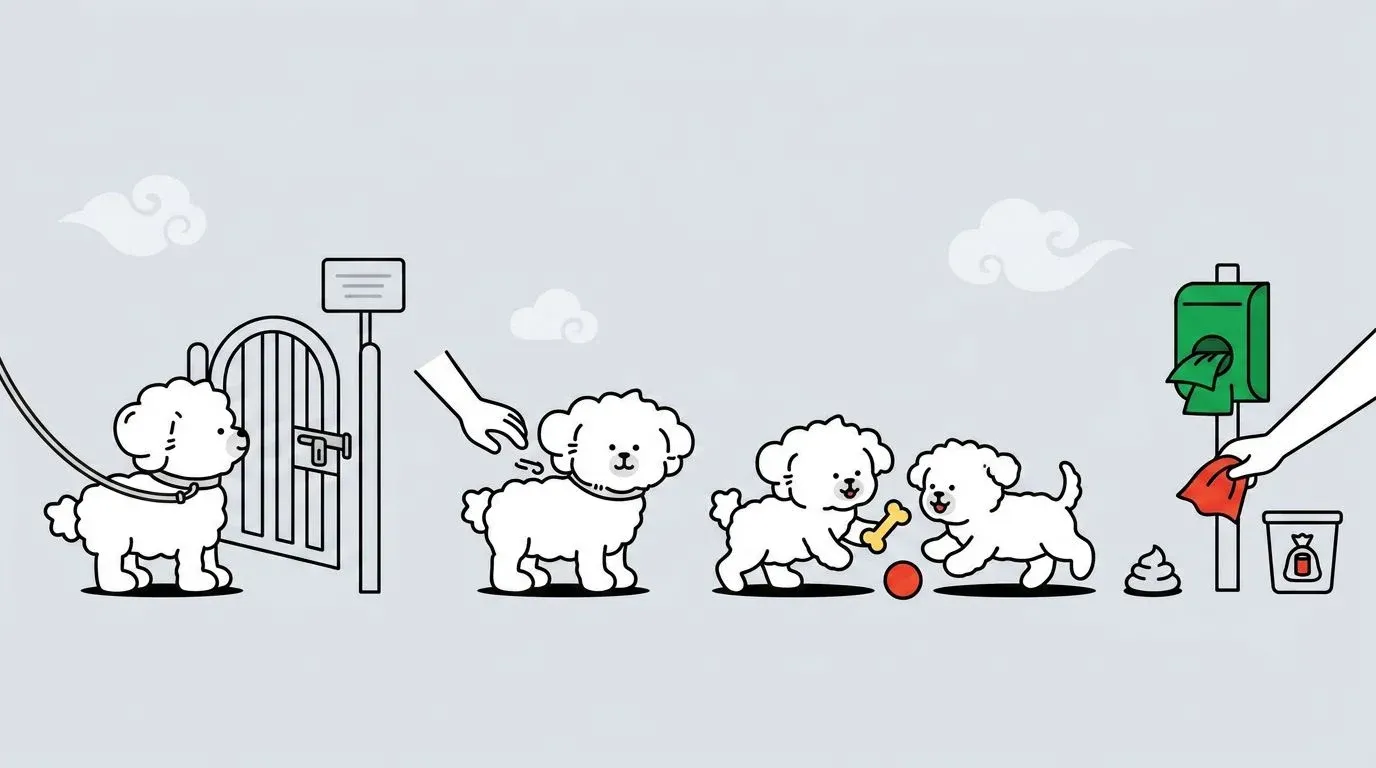
7 Dog Park Safety Rules That Prevent Injuries and Conflicts
Follow this dog park safety guide to prevent injuries, reduce conflicts, and protect dogs with joint issues. Covers etiquette, surface types, seasonal tips, and first visits.
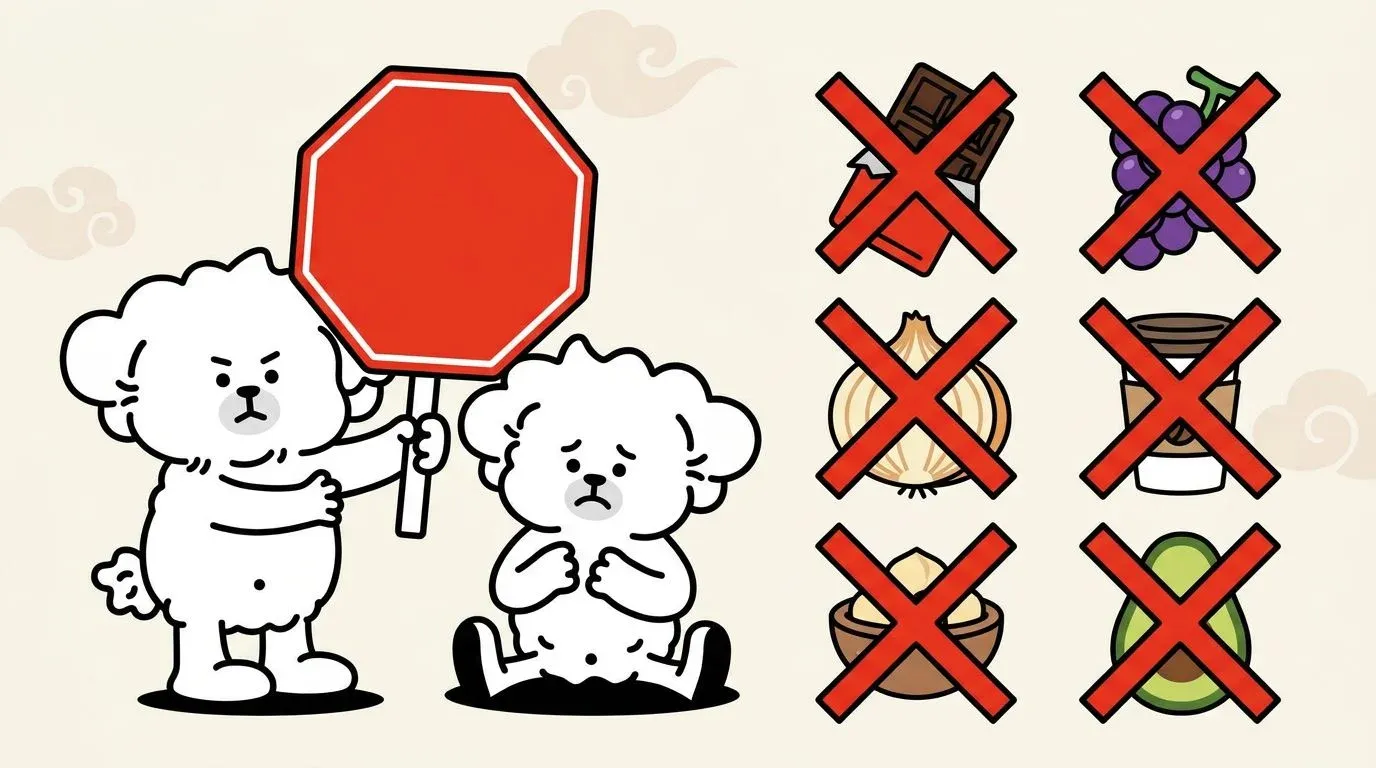
Foods Toxic to Dogs: Hidden Dangers in Your Kitchen
Which foods are toxic to dogs, and how much is dangerous? Learn weight-based thresholds, symptoms, and a 3-step emergency protocol for dog poisoning.