 Cirius Petpedia
 How to Clean Your Dog's Paws After a Walk: A Step-by-Step Routine
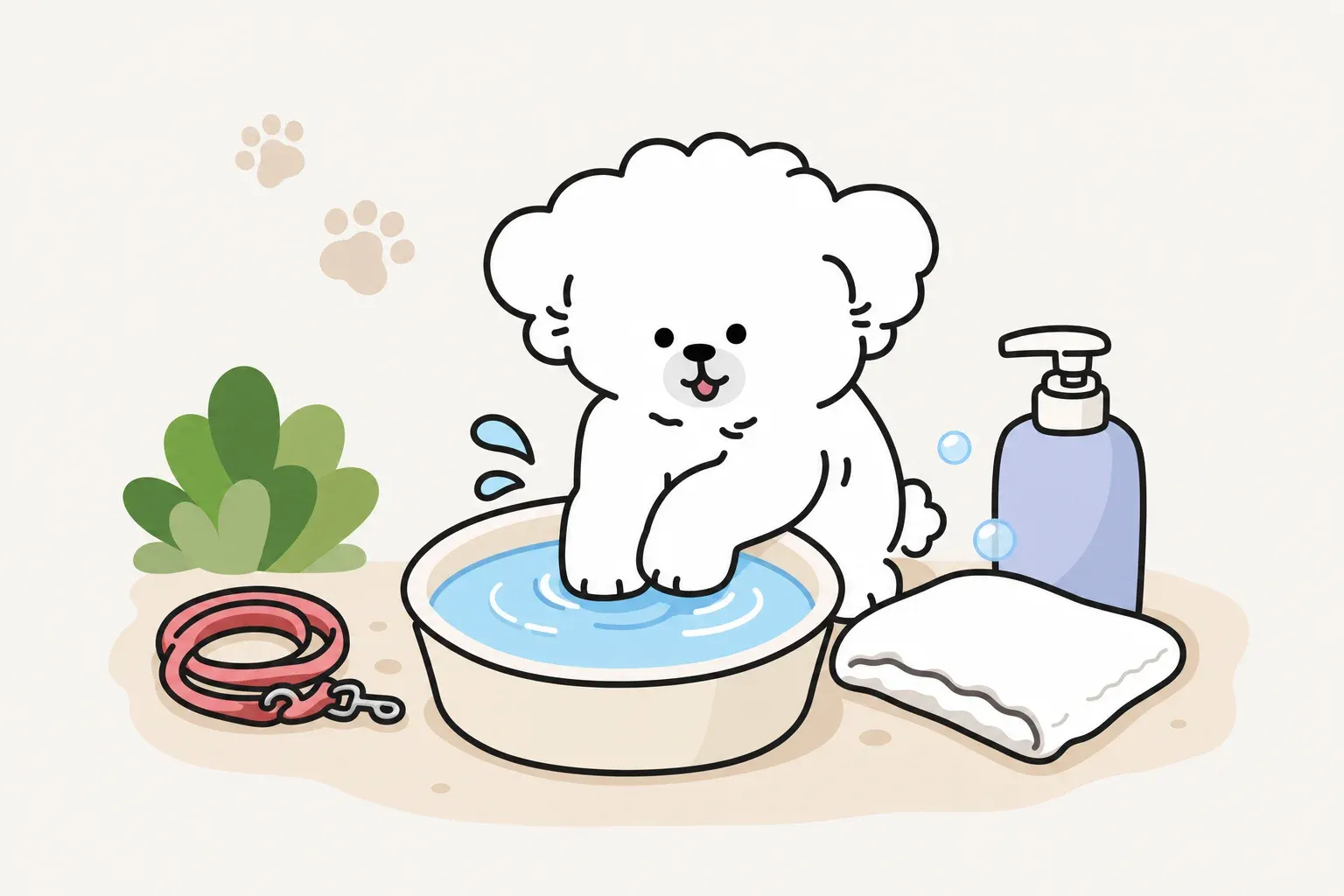
You walk in the door, unleash your dog, and they immediately trot across the kitchen floor — picking up whatever was on the sidewalk along the way. If you’ve been skipping the post-walk paw check, you’re not alone. Most dog owners either don’t know it matters or aren’t sure where to start.
This guide lays out a practical, no-fuss routine for how to clean dog paws after a walk, from a quick daily wipe-down to a full rinse after muddy adventures. You’ll also find a method comparison table, seasonal hazard tips, and a section for dogs who genuinely hate having their feet touched.
Why Cleaning Your Dog’s Paws After Walks Matters
Before jumping to “how,” it helps to understand what’s actually on those paws — because the answer might surprise you.
What Your Dog Picks Up on Outdoor Surfaces
Sidewalks, parks, and trails are shared surfaces. Studies in veterinary microbiology have documented that dog paw pads carry a wide range of environmental contaminants after outdoor walks, including:
- Bacteria: Leptospira (the agent of leptospirosis, transmissible to humans), Salmonella, E. coli, and soil-borne organisms
- Fungi: Especially common in damp grass and mulched areas; a leading cause of interdigital infections
- Pesticides and herbicides: Lawn treatments applied by neighbors or municipalities can linger on grass for days after application
- Heavy metals and road residue: Urban sidewalks are contaminated with trace lead and petroleum compounds, according to environmental health research
- Allergens: Grass pollen, mold spores, and dust mites cling readily to the soft skin between toes
Dogs also lick their paws regularly. Whatever gets tracked in goes directly into their system.
The Risks of Skipping Paw Cleaning: Infections, Irritation, and Ingestion
The two most common consequences of neglecting post-walk paw care are infections and chemical ingestion.
Interdigital dermatitis — a painful inflammatory condition between the toes — is frequently triggered by bacteria and fungi trapped in moisture. Veterinary dermatologists note that dogs with thick fur between their toes or those who walk on wet ground daily are especially prone. Once established, these infections require prescription treatment and can become chronic.
Chemical ingestion is the less visible risk. When dogs lick their paws (which most do multiple times a day), they consume whatever is on them. The ASPCA Poison Control Center handles thousands of annual calls related to lawn chemical and de-icer ingestion in pets, the majority from contact during walks.
For more on managing paw health beyond the walk, see our guide to dog paw care and moisturizing.
What You’ll Need: A Quick Prep Checklist
The right setup makes a post-walk routine fast enough to actually stick.
Essential Supplies
- Microfiber towels (2–3, kept near the door): Absorb water faster than regular towels and are gentler on skin
- Shallow basin or paw wash cup: For rinsing without dragging your dog to the bathroom
- Pet-safe grooming wipes: For quick no-water clean-ups on dry days
- Warm water: Always use lukewarm — hot water can damage sensitive paw pads
Optional Upgrades for Convenience
- Paw wash cup with silicone bristles (popular options include silicone-lined cups): Cleans between toes efficiently in about 10 seconds per paw
- Non-slip mat at the front door: Gives your dog a stable surface and catches drips
- Paw balm or wax: Applied after drying, forms a protective barrier especially useful in winter and summer — covered in the seasonal section below
- Small clip or hook for the leash: Keeps your dog stationary during the routine without a second person
A dedicated “paw station” near the front door — basket with towels, wipes, and the wash cup — is one of the most-shared organizational tips in US pet owner communities. It removes the friction that causes routines to fall apart.
Step 1: Inspect Paws for Debris and Injuries
Before any cleaning, spend 20–30 seconds looking at all four paws. This step catches problems early and costs almost no time.
Checking for Thorns, Burrs, Ticks, and Small Cuts
Run your fingers over each paw pad and between the toes. You’re looking for:
- Thorns, splinters, or gravel embedded in the soft pad tissue
- Burrs (especially from autumn walks near tall grass) caught in toe fur
- Small cuts or abrasions from rough pavement or broken glass
- Ticks: The spaces between toes are a preferred attachment site; checking here is one of the most effective parts of post-walk tick prevention for dogs
If you find a superficial cut, clean it gently with saline solution and monitor it. Deep cuts, punctures, or embedded objects warrant a vet visit rather than home treatment.
Examining Paw Pads for Cracks or Burns
Paw pads should feel smooth and slightly waxy. Signs of trouble:
- Cracking or peeling: Often caused by dry winter air or excessive licking
- Redness or swelling: May indicate a developing infection or allergic reaction
- Discoloration: Rusty brown staining around the pads is sometimes a sign of yeast overgrowth
- Limping or reluctance to put weight on one paw: Warrants a closer look before cleaning
The inspection doubles as desensitization practice — dogs handled regularly from a young age tend to tolerate paw care far better than those touched only during veterinary visits.
Step 2: Choose Your Cleaning Method
Not every walk requires the same level of cleaning. Match the method to the situation.
Warm Water Rinse — The Gold Standard
Rinsing with clean, lukewarm water removes the widest range of contaminants — bacteria, fungi, allergens, chemicals, and mud — without any product risk. Fill a basin or use a handheld showerhead at low pressure. Hold each paw submerged or under running water for 10–15 seconds.
Best for: After walks in parks, areas with pesticide use, winter walks with road salt, or any time you’re uncertain about surface conditions.
Paw Wash Cup — Quick and Contained
A silicone-lined paw wash cup (fill halfway with warm water, dip the paw, twist gently) cleans between toes more effectively than a flat rinse. The bristles dislodge debris that a simple soak misses. Total time: about 60 seconds for all four paws.
Best for: Everyday use when you want more than a wipe but don’t want to run water.
Pet-Safe Wipes — Convenient but Limited
Grooming wipes designed for dogs remove surface dirt, pollen, and light grime quickly. They don’t penetrate deeply between toes, and they’re less effective on oily road residue or heavy mud. Convenience is their main advantage.
Caution: Do not substitute baby wipes. Many contain xylitol, propylene glycol, or fragrances that are toxic or irritating to dogs. Use only wipes explicitly labeled for pet use.
Best for: Dry days, short walks in clean areas, or as a quick touch-up after the main cleaning.
Foam Cleanser — No-Rinse Option
Waterless foam cleansers designed for dogs are applied, worked through the fur and between toes, then wiped off with a towel. They’re useful when water access is limited (travel, apartment buildings without bathtub-accessible doors) and for dogs who dislike water.
Best for: Travel, apartment setups, or dogs with mild water aversion.
Method Comparison at a Glance
| Method | Hygiene Level | Skin Impact | Time Required | Best Situation |
|---|---|---|---|---|
| Warm water rinse | High | Minimal (no product) | 2–3 min | Post-park, post-rain, winter salt exposure |
| Paw wash cup | High | Minimal | 1–2 min | Daily routine, between-toe cleaning |
| Pet-safe wipes | Moderate | Low (watch ingredients) | Under 1 min | Dry days, light walks |
| Foam cleanser | Moderate | Low | 1–2 min | Travel, water-averse dogs |
Step 3: Dry Thoroughly — The Most Skipped Step
Cleaning the paws and skipping the drying step is worse than doing nothing in one specific scenario: moisture trapped between the toes creates a warm, dark, humid environment that fungi and bacteria thrive in.
Towel vs. Cool Blow Dryer vs. Air Drying
Microfiber towel: The recommended default. Blot rather than rub — rubbing can irritate already-sensitive skin. Pay attention to the top of the foot (dorsal surface) where fur traps moisture.
Cool-setting blow dryer: Acceptable for thick-coated or double-coated breeds where towel drying can’t reach the skin. Always use the lowest heat setting or the cool-only mode. Hold the dryer at least 6 inches from the skin. Never use high heat — paw pad skin is thin and burns quickly.
Air drying: Not recommended as the only step. In dry indoor climates, surface air drying can work if followed by careful towel blotting between toes. In humid conditions (e.g., rainy days, summer months), air drying alone leaves too much residual moisture.
Getting Between the Toes
This is where most people rush. Use a narrow section of the towel or a dry wipe to work between each toe individually. For dogs with heavy interdigital fur, a gentle press-and-hold for a few seconds absorbs more moisture than a quick wipe.
Veterinary dermatologists consistently identify moisture retention between toes as one of the primary triggers for interdigital dermatitis (also called interdigital furunculosis in chronic cases). The infection starts with a simple skin barrier breakdown from constant dampness — the kind that’s entirely preventable with thorough drying.
If your dog already shows signs of persistent redness or swelling between the toes, visit a vet before relying on home care alone. Established infections need appropriate treatment.
Seasonal Paw Care After Walks
Each season brings its own specific hazards. Adjusting the routine by time of year keeps your dog protected year-round.
Winter: Road Salt, De-Icers, and Chemical Burns
This is the most important seasonal section for US dog owners. Ice melt products — including rock salt (sodium chloride), calcium chloride, magnesium chloride, and urea-based de-icers — are applied heavily to sidewalks, parking lots, and roads from November through March in most northern states.
Why it matters: Calcium chloride and magnesium chloride are hygroscopic (they absorb moisture from the environment and from skin) and mildly acidic. Direct contact with paw pads causes chemical irritation, cracking, and in prolonged cases, chemical burns. When licked, these compounds can cause drooling, vomiting, and in high doses, more serious toxicity.
Post-winter walk routine:
- Rinse paws immediately with lukewarm water — do not skip this step
- Dry thoroughly (salt residue left on wet pads continues to cause irritation)
- Apply a thin layer of paw balm or wax after drying — this helps repair the lipid barrier
Prevention add-on: Dog boots (rubber or neoprene) provide near-complete protection for high-exposure situations like long walks through treated areas. Many dogs accept them with a short acclimation period.
Paw-safe de-icer alternatives: Several brands now market pet-safe ice melt products that use urea or potassium acetate. If you control the surfaces around your home, these are worth the switch.
Summer: Hot Pavement and Paw Pad Burns
Asphalt absorbs and retains heat dramatically. On an 85°F (29°C) day, blacktop surface temperature can reach 135–145°F (57–63°C) — hot enough to cause burns in 60 seconds of contact.
The 5-second test: Press the back of your hand firmly on the pavement for 5 seconds. If you can’t hold it comfortably, the surface is too hot for your dog’s paws.
Walk during early morning or after sunset during peak summer months. After walks, rinse paws with cool (not cold) water to bring down surface temperature, then inspect pads carefully for any blistering or peeling. Apply paw balm after drying to support the skin barrier.
Spring and Fall: Pollen, Grass Seeds, and Allergens
Spring and fall are peak seasons for environmental allergens. Grass pollen, tree pollen, and mold spores cling to paw fur and get tracked indoors. Dogs with atopic dermatitis (environmental allergies) often experience their worst paw-licking episodes in these seasons.
A consistent dog allergy skin care routine, combined with thorough post-walk paw cleaning, can meaningfully reduce allergen load and associated flare-ups.
Grass seeds (foxtails in particular, common in western states) deserve special mention. These barbed seeds can penetrate skin between the toes and migrate into tissue, sometimes requiring surgical removal. During late summer and early fall walks in tall grass, inspect between toes carefully.
Rainy Days: Mud, Bacteria, and Fungal Risks
Rain dramatically increases microbial load on outdoor surfaces. Puddles concentrate bacteria from runoff, and wet soil carries a high density of environmental fungi. After rainy-day walks, use the warm water rinse method (not just wipes) and focus extra drying time between the toes.
The intersection of moisture and bacteria from rainy-season walks is one of the more common triggers for hot spots — acute moist dermatitis that spreads quickly if not caught early. For a broader look at managing skin conditions in wet weather, our rainy season skin care guide covers management strategies for dogs prone to these issues.
What to Do If Your Dog Hates Having Their Paws Touched
Paw sensitivity is one of the most common obstacles to a consistent cleaning routine. Dogs have numerous nerve endings in their paw pads, and many are never desensitized to handling as puppies. The result: a dog who squirms, pulls away, or snaps the moment you reach for their feet.
This is solvable with patience. The process is called desensitization and counter-conditioning — used by professional trainers and recommended by veterinary behaviorists.
Gradual Desensitization Steps
Week 1: Touch association only Touch the top of one paw briefly, say “yes,” immediately give a high-value treat. Repeat 5 times per session, two sessions per day. Stop before the dog shows stress.
Week 2: Hold the paw Cup one paw gently in your hand for 2 seconds, say “yes,” treat. Gradually increase hold duration to 5–10 seconds.
Week 3: Introduce the towel Touch a dry towel to the paw surface while holding it. Treat after each touch. Work toward a light wiping motion.
Week 4: Introduce water Dip a paw briefly in a shallow basin of warm water. Treat. Build toward the full paw wash cup routine.
Progress at the dog’s pace. If they show avoidance (turning away, yawning, licking lips, trying to leave), you’ve moved too fast — go back one step.
Using Treats and Positive Association
Treat selection matters. Use treats that take a moment to eat (licking peanut butter from a lick mat is excellent because it keeps the dog occupied and producing calming saliva at the same time). The treat must be genuinely motivating — kibble often isn’t sufficient for a dog in stress.
The goal is for your dog to associate the paw station at the door with something good. Over time, many dogs will walk to the mat and sit — because that’s where the peanut butter comes out.
Avoid restraint or force at any point during desensitization. Forcing the process creates a negative association and makes the long-term goal harder to reach. For dogs with severe paw aversion, a single session with a certified professional trainer or veterinary behaviorist can accelerate progress considerably.
Common Mistakes to Avoid
Even well-intentioned routines can cause problems if certain details are missed.
Overwashing and Stripping Natural Oils
Paw pads have a lipid (oil) layer that protects against dryness, cracking, and microbial entry. Using soap or cleanser multiple times daily removes this protective layer. The result is the opposite of what you want: dry, cracked pads that are more susceptible to infection.
Plain water or pet-safe wipes are suitable for daily use. Reserve soap or foam cleansers for situations that genuinely require them — visible contamination, post-park heavy soiling, or winter salt exposure. See our dog bathing guide for guidance on how overall bathing frequency affects skin health.
Using Human Soap or Harsh Chemicals
Human soap is formulated for human skin pH (approximately 5.5). Dog skin has a higher pH (around 7.0–7.5), meaning human cleansers are consistently too acidic. Regular use disrupts the skin barrier and creates conditions for bacterial overgrowth.
Never use:
- Dish soap (too degreasing, removes essential oils completely)
- Hand sanitizer or alcohol-based cleaners (drying and toxic if licked)
- Bleach dilutions (sometimes suggested online as a “foot soak” — this is harmful)
- Tea tree oil (toxic to dogs; avoid any product containing it)
If you need to clean beyond water, use products specifically formulated and tested for dog skin.
Skipping the Drying Step
Covered in detail in Step 3, but worth repeating: drying is not optional. Moisture trapped between toes is the primary pathway to interdigital dermatitis, a condition that becomes chronic quickly. If you only have time for one part of the routine, dry the between-toe spaces.
Consistent paw moisture management also plays a role in preventing external parasite establishment, since damp skin is more easily penetrated.
Using Water That’s Too Hot
Hot water — even water that feels comfortable on adult human hands — can damage the thin skin of paw pads. Dogs cannot vocalize the level of discomfort effectively, so they may tolerate water that is actually injuring them. Always run the water on your inner wrist before using it on your dog’s paws. Lukewarm (body temperature, approximately 98–100°F / 37°C) is the right target.
References
FAQ
Should I clean my dog's paws after every walk?
Can I wash my dog's paws every day?
What can I use to wipe my dog's paws after a walk?
Is it normal for dogs to lick their paws after a walk?
How do I clean between my dog's toes?
Related Articles
7 Essential Dog Paw Care Tips Every Owner Should Know
Your complete dog paw care guide: moisturizing cracked pads, trimming nails, preventing hot pavement burns, winter de-icer hazards, first aid for injuries, and when to call the vet.
How to Bathe a Dog in 7 Steps: Frequency, Technique & Skin Protection
Learn how to bathe a dog safely in 7 steps — including water temperature, shampoo selection, and a dedicated guide for senior dogs with arthritis.
If Your Dog Is Prone to Skin Issues in Wet Weather: A Seasonal Care Guide
Learn how humid and wet weather triggers yeast infections, bacterial pyoderma, and hot spots in dogs — plus a complete post-walk routine, indoor humidity management, and nutrition tips.